What is Contemplative Prayer?
Contemplative prayer is a practice of Christian prayer characterized by a prolonged, silent, and loving gaze upon God. It moves beyond vocal or meditative prayer, aiming for a direct, unmediated experience of divine presence. This form of prayer emphasizes receptivity and stillness, allowing the individual to rest in God's presence rather than actively formulating thoughts or requests. It is often described as a prayer of 'being' rather than 'doing', fostering an intimate relationship with the Divine.
Best Books for Complete Beginners
For those new to contemplative prayer, starting with accessible guides is crucial. Kathryn J. Hermes' "Beginning Contemplative Prayer" offers a clear entry point, clarifying the practice with practical steps. Joan Wagner's "Finding Harmony Through Contemplative Prayer" provides relatable insights for integrating this prayer into daily life, addressing common challenges. Joshua J. Knabb and Thomas V. Frederick's "Contemplative Prayer for Christians with Chronic Worry" offers specific support for those dealing with anxiety, showing how stillness can bring peace. These selections lay a solid foundation for understanding and initiating contemplative prayer.
Intermediate Reading
Moving beyond initial introductions, intermediate readers can delve deeper into the nuances of contemplative practice. Jane E. Vennard and Stephen D. Bryant's "The Way of Prayer" explores various prayer forms, including contemplative, offering a broader perspective. Paul DeBlassie's "Inner Calm" focuses on cultivating a stable inner life through prayer, essential for deeper contemplation. Geoff Colvin's "Contemplative Prayer at Work in Our Lives" examines how these practices can be lived out in secular environments, bridging spiritual life and daily responsibilities. These texts encourage sustained engagement and deeper personal exploration.
Classical / Advanced Texts
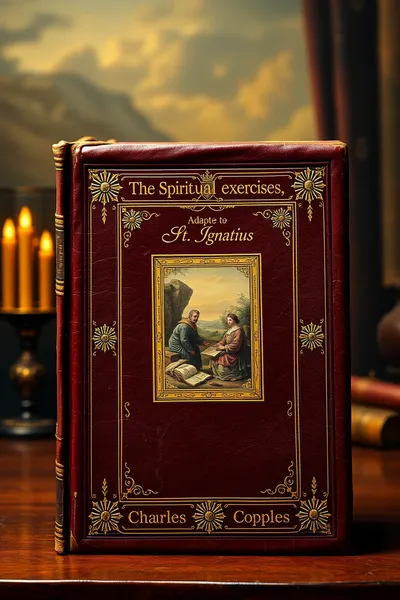
Advanced students will benefit from engaging with foundational and more demanding texts. Thomas Merton's "Contemplative Prayer" remains a cornerstone, offering profound reflections on the nature of silent prayer and union with God. While not solely focused on contemplative prayer, Charles Coppens' adaptation of "The Spiritual Exercises of St. Ignatius" provides a rigorous framework for spiritual discernment and deeper prayer experiences, particularly within a retreat setting. These works demand focused study and offer rich insights for those seeking advanced understanding.
Reading Order — Step by Step
A structured approach can significantly enhance the learning process. Begin with foundational texts: Week 1-2, focus on "Beginning Contemplative Prayer" by Kathryn J. Hermes to grasp core concepts. Month 2, transition to "Finding Harmony Through Contemplative Prayer" by Joan Wagner and "The Way of Prayer" by Vennard & Bryant for practical application and broader context. Month 3 onwards, engage with Thomas Merton's "Contemplative Prayer" for deeper theological and experiential insights. For advanced study, incorporate "The Spiritual Exercises of St. Ignatius" by Charles Coppens, allowing ample time for reflection and integration.
Frequently Asked Questions
Which contemplative prayer book should I read first?
For beginners, 'Beginning Contemplative Prayer' by Kathryn J. Hermes is an excellent starting point. It offers clear explanations and practical steps to initiate the practice without overwhelming the reader.
Is contemplative prayer only for monks?
No, contemplative prayer is accessible to all Christians seeking a deeper relationship with God. Books like 'Finding Harmony Through Contemplative Prayer' by Joan Wagner show how it can be integrated into everyday life.
What is the difference between meditation and contemplative prayer?
Meditation often involves focusing on a specific thought, image, or text. Contemplative prayer is more about silent, loving attention to God's presence, a receptive 'being' rather than 'doing'.
Can contemplative prayer help with anxiety?
Yes, the stillness and focus on God's presence in contemplative prayer can be very calming. 'Contemplative Prayer for Christians with Chronic Worry' by Knabb and Frederick directly addresses this benefit.
How long should I pray contemplatively?
Begin with short periods, perhaps 5-10 minutes, and gradually increase the time as you become more comfortable. Consistency is more important than duration, especially when starting.
Do I need a special technique for contemplative prayer?
While some methods like Centering Prayer exist, the core is a simple, loving gaze toward God in silence. Books like Thomas Merton's 'Contemplative Prayer' emphasize this essential simplicity.
What is 'The Cloud of Unknowing' about?
This anonymous medieval text guides the reader toward union with God by moving beyond intellectual understanding into a field of unknowing love and direct experience of the Divine.