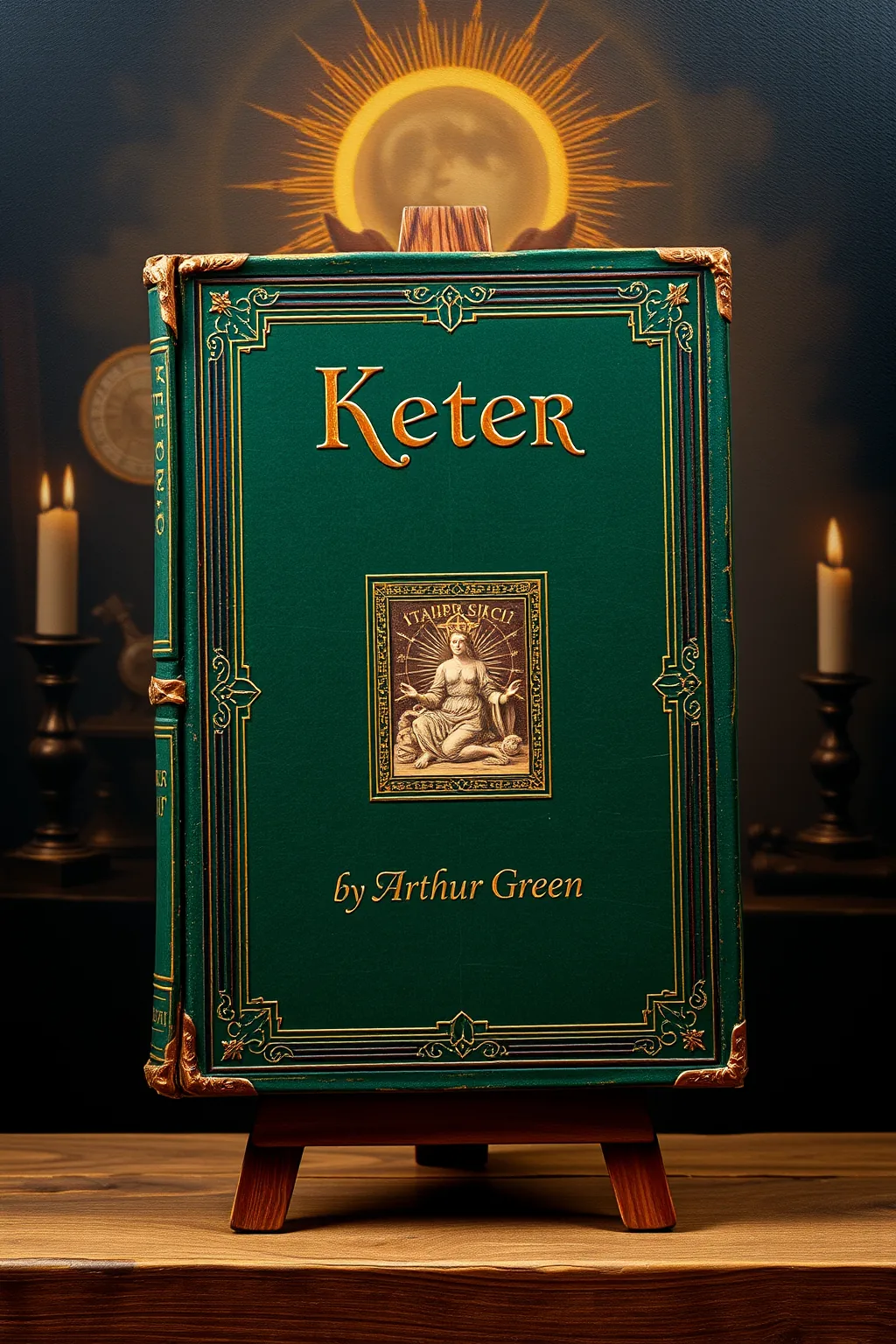
Armchair Mystic

 73
73

Armchair Mystic
Mark E. Thibodeaux’s Armchair Mystic offers a refreshingly grounded entry point into contemplative prayer. Its strength lies in its meticulous, stage-by-stage breakdown, moving from the foundational "Talking at God" to the profound "Being with God." Thibodeaux’s commitment to practical application is evident in the frequent, well-integrated exercises that prevent the reader from getting lost in theory. I found the section on establishing "time and place" particularly valuable, as it addresses a common practical hurdle for aspiring contemplatives. However, the book’s very accessibility, while a strength, might leave seasoned practitioners searching for deeper theological nuance or more complex mystical explorations. The systematic approach, while clear, could feel overly prescriptive to some. Nevertheless, for the beginner seeking a concrete path to a deeper prayer life, Armchair Mystic is an exceptionally useful guide.
📝 Description
73
Mark E. Thibodeaux's 2019 book, Armchair Mystic, makes contemplative prayer accessible.
Armchair Mystic, published in 2019, offers a clear, step-by-step approach to contemplative prayer. Mark E. Thibodeaux structures the practice into manageable stages, moving beyond theoretical discussions to provide exercises for immediate use. The central idea is that contemplative prayer is a skill anyone can learn with consistent attention.
This book is written for those new to contemplative prayer or who find other guides too academic. It speaks to the person who wants spiritual depth within daily life, without needing retreats or monasticism. Readers who value direct instruction, clear examples, and a gentle path to spiritual growth will find it helpful.
Thibodeaux's work engages with a modern resurgence of interest in contemplative practices, drawing from traditions like Christian mysticism. While figures like Thomas Merton and Henri Nouwen have addressed these themes, Armchair Mystic stands apart by detailing foundational steps and a user-friendly progression. It addresses a desire for accessible spirituality, presenting contemplative prayer as a practical pursuit for laypeople.
💡 Why Read This Book?
• You will learn a practical, four-stage method for developing a contemplative prayer life, moving from "Talking at God" to "Being with God," as outlined in the book's core progression. • You will gain actionable techniques for establishing a consistent prayer practice, focusing on the crucial elements of "time and place" identified by Thibodeaux. • You will discover how to move beyond rote prayer through concrete, step-by-step exercises designed to foster active listening and presence with the divine.
⭐ Reader Reviews
Honest opinions from readers who have explored this book.
❓ Frequently Asked Questions
What are the four stages of prayer discussed in Armchair Mystic?
Armchair Mystic outlines four stages: Talking at God, Talking to God, Listening to God, and Being with God. This progression guides the reader from outward expression to a deeper state of receptive presence.
Who is the author of Armchair Mystic?
The author is Mark E. Thibodeaux. The book was first published on August 6, 2019.
Is Armchair Mystic suitable for absolute beginners in prayer?
Yes, the book is specifically designed for beginners, offering a user-friendly and concrete approach to contemplative prayer that avoids overly academic or esoteric language.
What kind of exercises are included in the book?
The book provides step-by-step exercises throughout, offering concrete examples of how to apply the concepts discussed, making the practice of contemplative prayer tangible.
What is the primary benefit of reading Armchair Mystic?
The primary benefit is learning a structured, practical method to deepen one's prayer life, moving towards a more intimate and receptive relationship with the divine.
Does the book require a specific religious background?
While rooted in Christian contemplative tradition, the principles are presented in a way that is accessible and beneficial for individuals from various backgrounds seeking spiritual depth.
🔮 Key Themes & Symbolism
Stages of Contemplative Prayer
The central framework of Armchair Mystic is its delineation of four progressive stages: Talking at God, Talking to God, Listening to God, and Being with God. This structure clarifies the often abstract concept of contemplation, providing a clear developmental path. Each stage represents a deepening of intimacy and receptivity, moving from vocal prayer towards silent, presence-based communion. Thibodeaux's approach suggests that spiritual growth is a journey with discernible phases, making the seemingly daunting practice of deep prayer accessible and achievable for the everyday seeker.
Practical Application of Prayer
Unlike purely theoretical works, Armchair Mystic places significant emphasis on the practicalities of establishing and maintaining a contemplative prayer life. The book dedicates attention to the foundational elements of 'time and place,' recognizing their critical role in habit formation. Furthermore, it consistently integrates step-by-step exercises and concrete examples. This focus ensures that readers are not just informed but are actively guided in applying the teachings, translating abstract spiritual concepts into lived experience.
The 'Armchair Mystic' Ideal
The title itself captures a core theme: the accessibility of deep spiritual practice for ordinary individuals in their daily lives. Thibodeaux champions the idea that profound connection with the divine is not confined to monastic settings or esoteric circles. The 'armchair' metaphor suggests that anyone, from the comfort of their own space, can start a significant contemplative journey. This theme empowers readers, affirming that spiritual depth is attainable through dedicated practice, regardless of external circumstances.
Listening Beyond Words
A key transition within the book's stages is the movement from 'Talking to God' to 'Listening to God.' This highlights a fundamental aspect of contemplative prayer: shifting from a focus on personal expression or petition to a posture of receptive silence. Thibodeaux guides the reader in cultivating the ability to discern divine presence and guidance not through words, but through a deeper, intuitive awareness. This theme underscores the passive, receptive nature central to many contemplative traditions.
💬 Memorable Quotes
Direct passages from the work, attributed to the author.
“The maturation of the prayer life in four stages: Talking at God, Talking to God, Listening to God, and Being with God.”
— This captures the book's core pedagogical structure, presenting a developmental model for deepening one's relationship with the divine in a tangible, step-by-step manner.
“begins with the necessary details of time and place to pray”
— This highlights the book's practical, no-nonsense approach, grounding the spiritual discipline in the concrete realities of establishing consistent habits and sacred space.
“Step-by-step exercises throughout the book provide concrete examples”
— This emphasizes the experiential and didactic nature of the text, promising readers not just theory but actionable guidance for practicing contemplative prayer.
“gently and concretely taking the reader through the first steps”
— This conveys the supportive and methodical nature of Thibodeaux's guidance, assuring readers that the path to contemplative prayer is approachable and clearly laid out.
💡 Key Ideas
Editorial paraphrase of the work's core concepts — not direct quotes.
user-friendly book blends theory and practice
This paraphrase points to the book's accessibility and its balanced approach, aiming to make complex spiritual concepts understandable and applicable for a broad audience.
🌙 Esoteric Significance
Tradition
While presented in a user-friendly, accessible manner, Armchair Mystic is firmly rooted in the Christian contemplative tradition. It draws upon centuries of mystical practice, emphasizing interior prayer and direct experience of the divine, echoing themes found in the works of mystics like St. Teresa of Ávila and John of the Cross. It departs from more complex or overtly symbolic esoteric systems by focusing on the experiential unfolding of prayer, making it a gateway rather than an exhaustive treatise.
Symbolism
The book’s primary symbolic structure is the four stages of prayer (Talking at God, Talking to God, Listening to God, Being with God), representing a journey inward. The concepts of 'time' and 'place' themselves become symbolic anchors, representing the intentional setting aside of the ordinary for sacred encounter. The progression from speaking 'at' or 'to' God towards simply 'being with' God symbolizes a movement from ego-centric expression to egoless union, a common motif in mystical traditions.
Modern Relevance
Armchair Mystic speaks to contemporary interest in mindfulness, meditation, and secular spiritual practices. While explicitly Christian, its emphasis on intentional presence, deep listening, and cultivating inner stillness aligns with broader trends in wellness and personal development. Thinkers and practitioners exploring integrated spirituality, or those seeking structured methods for deepening awareness outside of traditional religious frameworks, find its clear, progressive approach highly relevant.
👥 Who Should Read This Book
• Aspiring contemplatives seeking a structured, beginner-friendly introduction to prayer beyond the superficial. • Individuals interested in Christian mysticism who desire practical exercises to deepen their spiritual practice from home. • Those who have found other guides to prayer too abstract or inaccessible and require a concrete, step-by-step approach.
📜 Historical Context
Mark E. Thibodeaux's Armchair Mystic, published in 2019, arrives at a moment of renewed popular interest in contemplative spirituality, a trend that gained significant momentum in the late 20th century. Thinkers like Thomas Merton and Henri Nouwen had already paved the way in the mid-to-late 20th century, exploring Christian mysticism for a modern audience, often from monastic or pastoral perspectives. However, Armchair Mystic distinguishes itself by focusing intensely on the foundational, practical steps for the layperson, aiming for a broader reach than some of the more academically dense or experientially specific works. It taps into a contemporary desire for accessible spiritual practices that can be integrated into secular life, moving beyond traditional religious institutions. The work implicitly responds to a spiritual marketplace increasingly populated by diverse traditions, offering a clear entry point within the Christian contemplative lineage without requiring deep prior knowledge or commitment to a specific school.
📔 Journal Prompts
Reflecting on the initial 'Talking at God' stage, identify one habitual pattern of prayer you wish to move beyond.
Consider the concept of 'time and place' for prayer; what specific adjustments can you make this week?
How might the transition from 'Talking to God' to 'Listening to God' reshape your daily interactions?
Describe a moment where you felt 'Being with God' without necessarily using words.
What concrete example from the book's exercises can you adapt for your own practice?
🗂️ Glossary
Contemplative Prayer
A form of prayer characterized by intentional silence and receptivity, focusing on resting in God's presence rather than on petitions or vocalizations.
Talking at God
The first stage described, often involving rote prayer, reciting memorized prayers, or speaking words without deep interior engagement.
Talking to God
The second stage, where prayer becomes more conversational and personal, involving direct communication and sharing of thoughts and feelings with God.
Listening to God
The third stage, marked by a shift from speaking to receptivity, cultivating an awareness of God's presence and subtle guidance beyond words.
Being with God
The final stage, representing a state of deep, silent union and presence with the divine, transcending thought and word.
Time and Place
Essential elements for establishing a consistent prayer practice, referring to the dedicated time and physical space set aside for spiritual discipline.
Exercises
Practical, step-by-step activities integrated throughout the book to help readers apply theoretical concepts to their personal prayer life.
This book appears in 1 collection
🔮 Readers Also Liked
Browse all →








From the “Contemplative Prayer” Collection
View all →








More Free Mysticism & Contemplation Books
View all →