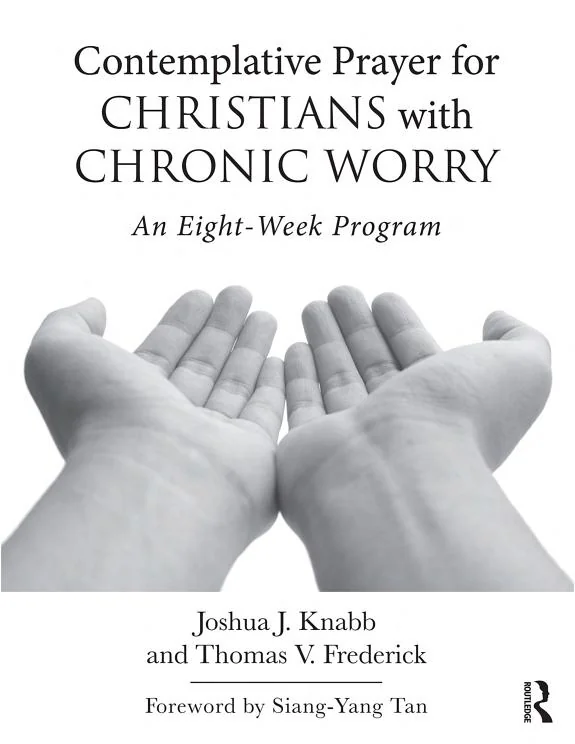
Contemplative Prayer for Christians with Chronic Worry
 75
75

Contemplative Prayer for Christians with Chronic Worry
Joshua J. Knabb and Thomas V. Frederick's Contemplative Prayer for Christians with Chronic Worry offers a commendable, if somewhat narrowly focused, eight-week curriculum. Its strength lies in its pragmatic, step-by-step approach, making the potentially abstract practice of contemplative prayer tangible for those grappling with persistent anxiety. The inclusion of free audio recordings for guided meditations is a significant practical asset. However, the book's reliance on a specifically Christian framework might limit its applicability for those seeking contemplative practices outside that theological context. A particularly useful section details the 'mindfulness of God' technique, which effectively bridges awareness of anxious thoughts with a focus on divine presence. While it successfully equips Christians with tools for worry, its integration of theological concepts with psychological principles could be more deeply explored to broaden its appeal and utility.
This book provides a structured, faith-based intervention for chronic worry.
📝 Description
75
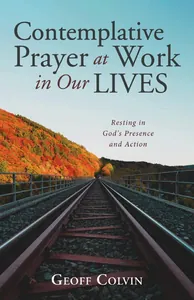
Published in 2017, Contemplative Prayer for Christians with Chronic Worry offers an eight-week program to address anxiety.
This book presents an eight-week program designed to help Christians manage chronic worry through structured spiritual practice. It offers a clear guide for individuals seeking to integrate prayer with psychological coping strategies. The program includes weekly goals, specific techniques, and practical assignments to encourage consistent engagement.
It is intended for Christians experiencing persistent anxiety who desire a faith-based approach to mental well-being. Clinicians and therapists may find it a useful tool for offering clients a spiritual dimension alongside traditional anxiety treatments. Pastors and spiritual directors can also use it to support congregants through difficult periods.
The program's core is the structured use of contemplative prayer to reframe and reduce anxious thoughts. Scripture grounds these practices, guiding readers toward peace. The eight-week format systematically introduces techniques for cultivating a calmer mind and a stronger reliance on faith during times of worry.
The book draws from the long Christian tradition of contemplative prayer, a practice that experienced renewed interest in the late 20th century. Moving beyond monastic settings, contemplative prayer became more accessible to lay people. This work reflects a contemporary effort to apply these ancient spiritual disciplines to modern psychological challenges, aligning with a growing dialogue between psychology and theology regarding spiritual practices in mental health.
💡 Why Read This Book?
• Learn an eight-week structured program for managing chronic worry, directly addressing the techniques and goals outlined in Chapter 1, 'Introduction to the Eight-Week Approach.' • Discover how to integrate contemplative prayer practices, as detailed in the specific techniques section of each weekly chapter, to find spiritual solace. • Benefit from supplementary guided meditations, with six free audio recordings available for download, to aid in practicing the methods described throughout the book.
⭐ Reader Reviews
Honest opinions from readers who have explored this book.
❓ Frequently Asked Questions
What is contemplative prayer for Christians with chronic worry?
It is an eight-week program combining scripture, contemplative prayer techniques, and practical exercises to help Christians manage recurrent anxiety. It offers weekly goals, methods, and homework, supported by free audio guides.
Who authored Contemplative Prayer for Christians with Chronic Worry?
The book was written by Joshua J. Knabb and Thomas V. Frederick. It was first published on February 17, 2017.
Are there any resources available to help practice the techniques?
Yes, the book includes access to six free audio recordings designed for guided meditation practice, aiding users in applying the contemplative techniques described.
What kind of approach does the book take towards worry?
It uses a structured, eight-week contemplative prayer approach, grounded in scriptural support, to help individuals reframe and reduce daily worries through spiritual practice.
Is this book only for Christians experiencing worry?
While designed specifically for Christians, clinicians and individuals interested in faith-based approaches to anxiety management may find its structured program and contemplative techniques beneficial.
What is the primary goal of the eight-week program?
The primary goal is to equip individuals with methods to lessen daily worries by exploring contemplative prayer, fostering a more settled mind, and deepening spiritual reliance.
🔮 Key Themes & Symbolism
Scriptural Contemplation
The work grounds contemplative prayer firmly within Christian scripture, interpreting biblical passages not just as historical texts but as living sources for spiritual practice. It aims to demonstrate how scriptural reflection can be a direct pathway to quieting anxious thoughts. This approach diverges from purely psychological mindfulness by embedding the practice within a theological framework, emphasizing divine encounter over mere present-moment awareness. The book guides readers to find scriptural anchors for their prayers, transforming worry into an occasion for deeper faith and scriptural engagement.
Structured Anxiety Reduction
Contemplative Prayer for Christians with Chronic Worry presents an eight-week, systematic methodology for tackling recurring anxiety. Unlike generalized self-help books, it offers a specific, progressive structure with defined weekly objectives, techniques, and actionable homework. This regimented format is designed to build consistent practice, making the potentially overwhelming task of managing chronic worry more accessible. The book's blueprint is intended to foster tangible shifts in perspective and emotional regulation through disciplined prayer.
Faith as a Coping Mechanism
The book posits faith, specifically through contemplative prayer, as a potent antidote to chronic worry. It suggests that by shifting focus from internal anxieties to an external divine presence, individuals can find a stable ground amidst mental turmoil. This perspective frames spiritual discipline not as an escape from problems, but as a fundamental tool for psychological resilience. The program encourages readers to lean into their faith as a primary resource for reading through the complexities of anxiety, offering a distinctly spiritual approach to mental well-being.
The Practice of Presence
Central to the program is the cultivation of present-moment awareness, not as an end in itself, but as a means to encounter the divine and disengage from anxious rumination. The contemplative techniques aim to anchor the individual in the here and now, where worries about the past or future lose their grip. This focus on presence, facilitated through guided meditations and prayer, serves to interrupt cycles of anxious thinking, fostering a sense of peace and stability rooted in spiritual connection.
💬 Memorable Quotes
Direct passages from the work, attributed to the author.
“The workbook helps them explore ways to lessen daily worries through contemplative prayer.”
— This statement from the original blurb highlights the book's core function: providing practical, spiritual tools to alleviate persistent anxiety. It emphasizes an active exploration of methods rather than passive reception of advice.
“Each chapter offers an introduction for the week, goals, techniques, and homework.”
— This structural detail underscores the program's methodical, lesson-based design. It suggests a clear pedagogical approach intended to guide the reader through a progressive learning and practice experience.
“Relying on scriptural support, the contemplative Christian approach...”
— This phrase indicates the book's theological grounding. It assures readers that the contemplative practices are not arbitrary but are rooted in and supported by Christian doctrine and biblical texts.
“Contemplative Prayer for Christians with Chronic Worry presents an eight-week approach for working with recurrent worry.”
— This sentence clearly defines the scope and duration of the program, setting expectations for a focused, eight-week commitment to addressing specific issues of chronic worry.
“Six free audio recordings are also available to download for use when practicing the guided meditations.”
— This offers a practical enhancement, providing auditory aids to support the reader's practice of contemplative meditation, thereby increasing accessibility and effectiveness.
🌙 Esoteric Significance
Tradition
While rooted in mainstream Christian contemplative practice, the book's structured, systematic approach to inner transformation and anxiety management can be seen as touching upon broader esoteric principles of mental discipline and spiritual ascent. It aligns with traditions that emphasize inner work for outer peace, though it remains explicitly within a Christian theological framework rather than a syncretic or purely Hermetic one.
Symbolism
The primary 'symbol' or motif is the concept of 'presence' itself—being present with God and in the moment, which counters the anxious mind's tendency to dwell on past regrets or future fears. Scripture serves as a symbolic anchor, representing divine truth and guidance. The eight-week structure itself can be seen as a symbolic journey of transformation, moving from a state of worry to one of peace.
Modern Relevance
Contemporary figures and movements in Christian spirituality that focus on mindfulness, trauma-informed prayer, and the integration of faith and psychology draw upon the principles espoused in this work. It speaks to a modern audience seeking practical, faith-based tools for mental well-being, resonating with therapists and individuals who believe spiritual disciplines are integral to holistic health.
👥 Who Should Read This Book
• Christians experiencing chronic worry seeking a faith-based, structured approach to manage anxiety through prayer. • Mental health clinicians and therapists looking for supplementary spiritual resources to offer clients struggling with anxiety and distress. • Pastors, spiritual directors, and small group leaders who wish to guide congregants in developing contemplative prayer practices for mental and emotional well-being.
📜 Historical Context
Published in 2017, *Contemplative Prayer for Christians with Chronic Worry* emerged during a period where the integration of spiritual practices with mental health was gaining significant traction. This era saw a notable resurgence of interest in ancient contemplative traditions within Western Christianity, moving beyond monastic cloisters to reach a wider audience. Authors like Richard Foster and Dallas Willard had paved the way in the late 20th century, popularizing spiritual disciplines for lay Christians. This book builds on that foundation, specifically addressing the pervasive issue of chronic worry. It reflects a broader academic and popular trend exploring the psychological benefits of prayer and meditation, often drawing parallels with secular mindfulness techniques, though firmly anchoring its methods in scriptural theology. It did not face significant censorship but operated within a landscape where Christian psychology was increasingly recognized as a legitimate field of study, distinct from, yet often intersecting with, secular psychological frameworks.
📔 Journal Prompts
The introduction for the week's goals regarding recurrent worry.
Specific techniques for quieting anxious thoughts through prayer.
The role of scriptural support in managing daily worries.
Reflections on the guided meditations from the downloadable audio recordings.
Personal application of the eight-week program's homework assignments.
🗂️ Glossary
Contemplative Prayer
A form of prayer focused on resting in God's presence, listening to God, and experiencing a deeper union with the divine, often involving silence and simple receptivity.
Chronic Worry
Persistent, excessive, and difficult-to-control worry about various events or activities, often accompanied by physical symptoms and distress.
Scriptural Support
The use of biblical texts and teachings as a foundation and guide for prayer, spiritual practice, and understanding God's will.
Guided Meditations
Audio recordings that lead the listener through a meditation or prayer practice, offering prompts and guidance to facilitate relaxation and spiritual focus.
Eight-Week Approach
A structured, time-bound program designed to systematically introduce and build skills or practices over a period of eight weeks.
Recurrent Worry
Anxiety that repeatedly arises, often focusing on similar themes or situations, indicating a pattern of anxious thinking.
Clinicians
Professionals in the mental health field, such as therapists, counselors, or psychologists, who provide treatment and support to individuals with psychological issues.
This book appears in 1 collection
🔮 Readers Also Liked
Browse all →




From the “Contemplative Prayer” Collection
View all →






More Free Mysticism & Contemplation Books
View all →