Keter
 73
73

Keter
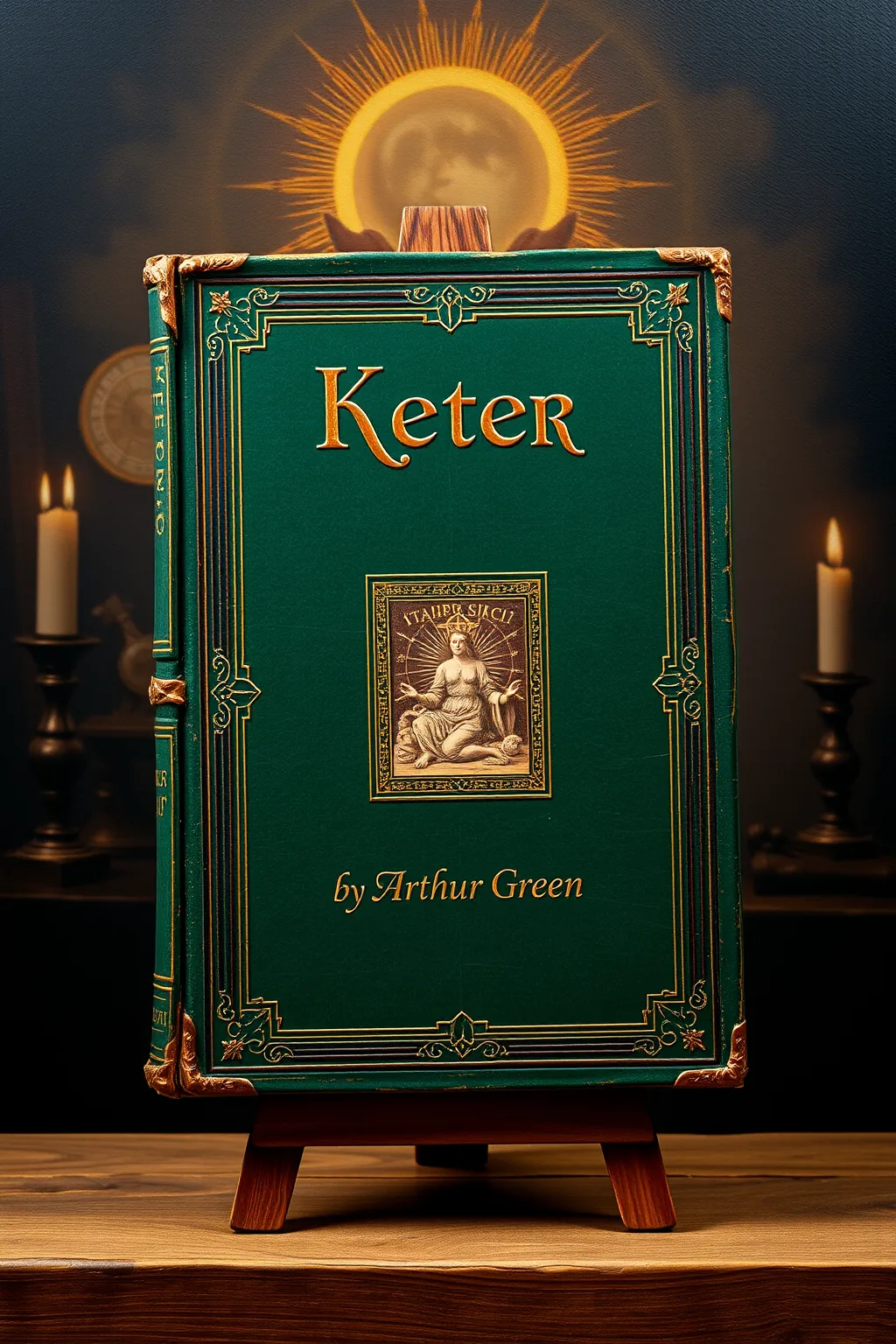
Arthur Green's Keter undertakes a granular analysis of how the imagery of divine coronation functions across a spectrum of Jewish esoteric texts. The book’s strength lies in its meticulous textual engagement; Green doesn't shy away from the dense language of sources like the Zohar or earlier Merkavah literature. His tracing of the coronation motif from late antiquity to 13th-century Spain is impressive in its scope and scholarly rigor. A minor limitation might be the book's demanding nature for casual readers, as it presumes a solid background in Hebrew and Aramaic textual traditions. The section discussing the Hekhalot literature, for instance, offers a particularly vivid demonstration of how early mystical visions of divine ascent are framed by royal, even martial, imagery, setting a precedent for later Kabbalistic elaborations. Keter is an essential, if challenging, contribution for specialists in Jewish mysticism.
📝 Description
73
Arthur Green examines fifty Jewish texts on divine coronation from late antiquity to the Zohar.
Arthur Green's Keter is a focused examination of fifty Jewish texts centered on the motif of divine coronation. The book traces this concept's development from late antiquity's esoteric writings through to the Zohar, a key Kabbalistic text from thirteenth-century Spain. Green's method is close reading, allowing the texts to reveal the evolution of this theological and mystical theme.
This work is for individuals with a serious interest in Jewish mystical traditions, comparative religion, and the history of esoteric thought. It assumes some familiarity with primary sources, including Talmudic, Midrashic, liturgical, Merkavah, German Hasidic, and Kabbalistic literature. Readers seeking a textually grounded understanding of specific theological concepts within these traditions will find Keter useful.
The historical scope spans from the formative centuries of Rabbinic Judaism to the intellectual milieu of medieval Spain. This period saw diverse Jewish spiritual expressions, from Merkavah mysticism's visionary ascents to Kabbalah's complex systems. Keter situates the theme of divine coronation within this progression.
Keter engages with the rich history of Jewish mysticism, specifically tracing a central theological motif through various stages of its development. Beginning with early esoteric writings and moving through the complex Zohar, the book demonstrates how concepts of divine sovereignty and human connection were articulated across centuries. It situates these ideas within the historical and textual currents of Rabbinic Judaism, Merkavah mysticism, and the emergence of Kabbalah.
💡 Why Read This Book?
• Gain a nuanced understanding of the divine coronation motif, a concept explored through fifty specific Jewish texts, offering insights not found in broader theological surveys. • Appreciate the evolution of mystical thought from late antiquity through the development of German Hasidism and the emergence of the Zohar, contextualized by Green’s 2014 publication date. • Discover how devotional, mystical, and magical perspectives within Jewish circles are illuminated by analyzing a single, recurring theme across diverse literary forms.
⭐ Reader Reviews
Honest opinions from readers who have explored this book.
❓ Frequently Asked Questions
What is the primary focus of Arthur Green's Keter?
Keter focuses on the motif of divine coronation within Jewish esoteric writings, tracing its development from late antiquity through to the Zohar in 13th-century Spain.
Which types of Jewish texts does Keter analyze?
The book examines a range of texts including Talmudic, Midrashic, liturgical, Merkavah, German Hasidic, and Kabbalistic works.
When was Keter first published?
Keter was first published on July 14, 2014.
What is the significance of the term 'Keter' in Jewish mysticism?
'Keter' typically refers to the 'Crown,' the highest of the ten Sefirot in Kabbalistic cosmology, representing divine will and sovereignty.
Is Keter suitable for beginners in Kabbalah?
While insightful, Keter is a scholarly work requiring familiarity with Jewish textual traditions. It is best suited for intermediate to advanced students of mysticism.
What historical periods does the book cover regarding Jewish esoteric thought?
The book spans from late antiquity, the period of early Rabbinic Judaism and Merkavah mysticism, to the medieval era, culminating with the Zohar from 13th-century Spain.
🔮 Key Themes & Symbolism
Divine Kingship and Sovereignty
The book centers on the concept of God's kingship, specifically as expressed through the imagery and ritual of coronation. This theme is examined across various Jewish traditions, revealing how different circles understood divine authority, the establishment of God's rule, and the reciprocal relationship between the divine and the community. Green highlights how this motif served as a focal point for theological reflection and mystical aspiration, particularly in texts from late antiquity and medieval Spain.
Textual Evolution in Mysticism
Keter meticulously tracks the development of the coronation motif through fifty distinct Jewish texts. This approach showcases the evolution of esoteric thought, demonstrating how concepts were adapted, reinterpreted, and expanded upon by different schools and generations. From the visionary accounts in Merkavah literature to the complex symbolism of the Zohar, the work illustrates the continuity and transformation within Jewish mystical discourse over centuries.
Spectrum of Jewish Esotericism
Arthur Green’s study encompasses a broad spectrum of Jewish esoteric expressions, including Talmudic discussions, Midrashic interpretations, liturgical poetry, Merkavah mysticism, German Hasidism, and Kabbalah. By focusing on the single theme of divine coronation, the book reveals the diverse devotional, mystical, and even magical orientations present within these varied circles, offering a unified yet comprehensive view of Jewish mystical practice and belief.
The Zohar and its Predecessors
A significant portion of the analysis leads up to and includes the Zohar, the foundational text of medieval Kabbalah. Green demonstrates how the coronation motif, present in earlier Jewish esoteric traditions, finds a particularly elaborate and sophisticated expression within the Zohar. This comparison highlights the Zohar's synthesis of existing mystical ideas and its unique contributions to the understanding of divine majesty and revelation.
💬 Memorable Quotes
Direct passages from the work, attributed to the author.
“The motif of divine coronation appears across a wide arc of Jewish esoteric writings.”
— This statement expresses the book's core thesis: that the imagery of God's enthronement and kingship is a persistent and unifying thread within diverse Jewish mystical traditions, warranting detailed study.
“From late antiquity to the Zohar, the exploration traces the evolution of this concept.”
— This highlights the chronological scope of Green's research, emphasizing the historical development and transformation of the coronation theme through centuries of Jewish mystical thought.
“Works examined include Talmudic, Midrashic, liturgical, Merkavah, German Hasidic, and Kabbalistic texts.”
— This indicates the breadth of primary sources consulted, showcasing the interdisciplinary approach Green takes to understanding the complex nature of Jewish esotericism.
“The study reveals the spectrum of devotional, mystical, and magical views held by various circles.”
— This interpretation emphasizes that the book doesn't present a monolithic view of Jewish mysticism but rather illustrates the varied spiritual practices and beliefs associated with the coronation motif.
“Keter offers a close reading of fifty relatively brief Jewish texts.”
— This clarifies the methodology of the book, pointing to a detailed, text-by-text analysis of specific passages to uncover deeper layers of meaning related to divine kingship.
🌙 Esoteric Significance
Tradition
Keter is firmly situated within the study of Jewish Kabbalah and its antecedents, particularly Merkavah mysticism. It explores how the symbolic language of divine kingship and coronation serves as a crucial element in understanding the ascent to the divine throne and the manifestation of God's presence. The work examines how this motif functions within the broader Kabbalistic cosmology, connecting the highest divine emanations (Sefirot) to the experience of revelation and the establishment of cosmic order, departing from purely philosophical interpretations.
Symbolism
The primary symbol is 'Keter' itself, representing the divine crown, often associated with the highest Sefirah, signifying God's ultimate will and sovereignty. The act of coronation symbolizes God's enthronement and the establishment of divine rule over creation. Other related symbols include the throne, royal garments, and the heavenly palace (Hekhalot), all of which evoke divine majesty and the visionary's journey towards encountering God's glory within these esoteric traditions.
Modern Relevance
Contemporary scholars and practitioners of Kabbalah continue to draw upon the textual analyses presented in works like Keter. Thinkers exploring Jewish mysticism's influence on Western esotericism, comparative religion studies, and modern spiritual movements often reference the foundational texts and motifs discussed. The book’s detailed examination of the coronation theme provides a vital lens for understanding continuity and innovation in spiritual practices seeking divine connection and an apprehension of ultimate reality.
👥 Who Should Read This Book
• Students of Kabbalah and Jewish mysticism seeking a deep textual analysis of the divine coronation motif across historical periods. • Scholars of comparative religion interested in the evolution of theological concepts and esoteric symbolism within a specific religious tradition. • Advanced practitioners of contemplative or mystical traditions who wish to understand the historical underpinnings of divine sovereignty and visionary ascent in Jewish thought.
📜 Historical Context
Published in 2014, Arthur Green's Keter engages with a rich intellectual history that spans nearly two millennia of Jewish thought. The period covered extends from late antiquity, the formative era of Rabbinic Judaism and the emergence of Merkavah mysticism (roughly 2nd-7th centuries CE), through the medieval flourishing of Kabbalah, epitomized by the Zohar composed in thirteenth-century Spain. During these centuries, Jewish communities navigated complex theological landscapes, influenced by Hellenistic philosophy, Gnosticism, and later, Islamic intellectual currents. Competing schools of thought, such as rationalist Aristotelianism championed by figures like Maimonides, often stood in tension with the more speculative and ecstatic dimensions of mysticism. Green's work situates the coronation motif within this dynamic, showing how different groups interpreted divine sovereignty and mystical ascent. The reception of such works on Jewish mysticism has often been polarized, with some scholars embracing their esoteric insights and others viewing them with skepticism, yet their influence on Jewish spirituality remains undeniable.
📔 Journal Prompts
The motif of divine coronation across fifty Jewish texts.
The spectrum of devotional, mystical, and magical views.
The evolution from late antiquity esoteric writings to the Zohar.
The role of Merkavah literature in understanding divine ascent.
German Hasidic interpretations of divine sovereignty.
🗂️ Glossary
Keter
In Kabbalah, Keter is the first of the ten Sefirot, often translated as 'Crown,' representing the highest divine emanation, divine will, and the hidden divine essence.
Zohar
The foundational work of Kabbalah, a mystical commentary on the Torah, written in thirteenth-century Spain, known for its complex symbolism and exploration of divine mysteries.
Merkavah Mysticism
An early form of Jewish mysticism (primarily from late antiquity and early medieval periods) focused on visionary ascents to the divine throne ('Merkavah') and ecstatic experiences of the heavenly realms.
Talmudic Literature
The vast corpus of Rabbinic Jewish legal and aggadic (narrative/homiletic) teachings compiled over several centuries, forming a central text of Rabbinic Judaism.
Midrashic Works
Rabbinic commentaries and homilies that interpret biblical texts, often expanding on narratives, offering ethical teachings, and exploring theological concepts.
German Hasidism
A medieval pietistic movement in Ashkenazic (German) Jewry, known for its emphasis on asceticism, mystical prayer, and ethical conduct, distinct from later Hasidic movements.
Divine Coronation
The motif or concept of God being crowned or enthroned, symbolizing divine sovereignty, kingship, authority, and the establishment of God's rule over creation.