Sufism. An Introduction

 76
76

Sufism. An Introduction



Sophia Crane (Associate Editor) — Smirna Si's "Sufism: An Introduction" is a masterful exposition of a deeply profound spiritual tradition. Si navigates the intricate pathways of Sufi thought with clarity and grace, demystifying concepts often perceived as arcane. The book excels in its evocation of the mystical atmosphere, allowing readers to feel the resonance of divine love and the transformative power of Sufi practices. Its strength lies in its accessible yet authoritative tone, making complex esoteric insights readily digestible. This work is an indispensable resource for serious seekers, scholars of mysticism, and anyone drawn to the contemplative heart of Islam.
📝 Description
76
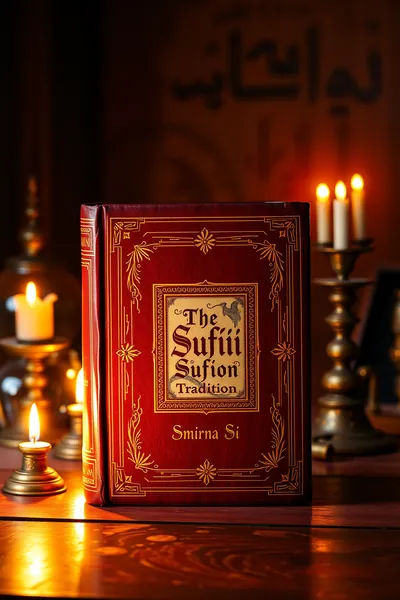
Smirna Si's "Sufism: An Introduction" was published to map the esoteric heart of Islamic mysticism.
Smirna Si's book details the esoteric dimensions of Sufism, beginning with its historical roots. The author traces the development of Islamic mysticism, explaining its core philosophical ideas. Si guides readers through concepts such as divine love, the experience of ecstatic union, and the practice of remembrance, or dhikr. The text also examines Sufi symbolism, the practice of contemplative silence, and the spiritual path of the seeker. This work aims to provide authentic spiritual knowledge, creating a space for reflection on the hidden wisdom that has guided people for centuries. It moves beyond simple academic analysis, acting as a guide for individuals seeking greater meaning and connection. The book reveals universal truths central to this ancient tradition.
This introduction to Sufism places the tradition within the broader context of esoteric thought. It highlights Sufism's focus on inner spiritual experience and direct knowledge of the divine, setting it apart from purely legalistic or exoteric interpretations of Islam. The book addresses practices like contemplation and remembrance, which are common in many esoteric paths seeking to connect the individual soul with ultimate reality. It acknowledges Sufism's long history as a path of spiritual transformation and its influence on devotional and mystical practices across various cultures.
💡 Why Read This Book?
This introduction offers a direct conduit to the soul-stirring essence of Sufism. It is for the sincere seeker yearning for a deeper understanding of divine love, the scholar intrigued by esoteric Islamic thought, and the practitioner seeking authentic contemplative practices. Uncover the hidden pathways to spiritual illumination and experience the transformative power of this ancient mystical tradition.
⭐ Reader Reviews
Honest opinions from readers who have explored this book.
❓ Frequently Asked Questions
What is the primary goal of Sufism?
The primary goal of Sufism is the direct experience of God, achieved through purification of the heart, intense devotion, and spiritual discipline, leading to divine union and ultimate annihilation of the ego in the Divine presence.
Who was Rumi and what is his significance in Sufism?
Jalāl al-Dīn Muḥammad Rūmī was a 13th-century Persian poet, Islamic scholar, and Sufi mystic. He is one of the most revered figures in Sufism, renowned for his poetic works like the Masnavi, which expound Sufi philosophy and the path of divine love.
What is 'dhikr' in Sufism?
Dhikr, meaning 'remembrance' or 'invocation,' is a central Sufi practice involving the repetition of God's names or sacred phrases, often in rhythmic chanting or silent contemplation, to achieve spiritual presence and connection with the Divine.
Is Sufism a separate sect of Islam?
Sufism is not a separate sect but rather the mystical dimension or inner path of Islam. Sufis adhere to Islamic principles and practices, focusing on the spiritual and ethical development of the individual.
What are the key virtues emphasized in Sufism?
Key virtues include selfless love (ishq), humility (tawadu'), patience (sabr), gratitude (shukr), sincerity (ikhlas), and detachment from worldly desires, all aimed at cultivating a pure heart receptive to divine grace.
🔮 Key Themes & Symbolism
The Divine Beloved and Human Soul
At the core of Sufism lies the passionate pursuit of the Divine Beloved, often personified as the ultimate reality of God. This theme explores the yearning of the human soul, separated from its divine origin, to return through intense love and devotion. It explores the spiritual journey as a process of unveiling, where the seeker gradually sheds the veils of ego and worldly attachment to recognize the inherent divine spark within and the omnipresence of God in all existence. This is the essence of the Sufi quest for unity and ecstatic communion.
Symbolism and Inner Vision
Sufism is rich with profound symbolism, employing metaphors of wine, intoxication, the lover and the beloved, the desert journey, and the nightingale's song to convey spiritual truths that transcend literal interpretation. This theme examines how these potent symbols serve as keys to unlocking inner vision and understanding the subtle realities of existence. It highlights the Sufi emphasis on intuitive knowledge and direct experience over purely rational comprehension, guiding the reader to perceive the hidden meanings embedded in creation and the spiritual landscape.
The Path of Purification and Transformation
The Sufi path is one of rigorous spiritual discipline and inner purification. This theme illuminates the practices and ethical principles that guide the seeker towards transformation, such as remembrance (dhikr), meditation, asceticism, and service to humanity. It emphasizes the importance of overcoming the ego's desires and distractions through constant vigilance and sincere striving. The ultimate aim is the transformation of the self into a mirror reflecting divine light, leading to moral excellence and spiritual maturity.
💬 Memorable Quotes
Direct passages from the work, attributed to the author.
“The path is the destination.”
— This aphorism signifies that the spiritual journey itself, with its challenges and discoveries, is the true essence of attainment, rather than a fixed end-point.
“Silence is the language of God.”
— This highlights the Sufi appreciation for contemplative silence as a means of direct communion with the Divine, where inner truths are revealed.
“See yourself in others, and others in yourself.”
— This points to the Sufi ideal of recognizing the divine unity underlying all beings, fostering compassion and interconnectedness.
“The heart is the mirror of the Divine.”
— This emphasizes the spiritual heart as the purest vessel for divine reflection, requiring purification to perceive truth and beauty.
💡 Key Ideas
Editorial paraphrase of the work's core concepts — not direct quotes.
Love is the bridge between you and everything.
This quote underscores the centrality of love as the fundamental force and pathway in Sufism, connecting the individual soul to the Divine and all of creation.
🌙 Esoteric Significance
Tradition
Sufism represents the esoteric and mystical dimension of Islam, often referred to as the 'inner path' or 'heart of Islam.' It emphasizes direct, personal experience of God (Allah) rather than solely outward observance of religious law. This tradition seeks to purify the heart and soul, leading to gnosis (ma'rifa) and ultimately divine union, often described as annihilation of the self in the Divine (fana'). It is a path of intense love, devotion, and spiritual discipline aimed at transforming the individual from within.
Symbolism
Sufism employs a collection of symbolism to convey profound spiritual truths that are often beyond literal interpretation. Key symbols include the Divine Beloved (often equated with God), the lover (the seeker), the wine of divine love, intoxication with the Divine presence, the journey through spiritual stations (maqamat), and the annihilation of the ego (nafs). The bird, particularly the nightingale, often symbolizes the soul yearning for its divine source. These symbols are not mere metaphors but are seen as pointers to direct spiritual experience and inner realities.
Modern Relevance
In an increasingly secular and materialistic world, Sufism offers a timeless path to inner peace, spiritual fulfillment, and a profound sense of connection. Its emphasis on love, compassion, tolerance, and the recognition of the divine in all beings resonates deeply with contemporary seekers looking for authentic spiritual guidance. The Sufi focus on mindfulness, contemplative practices, and the purification of the heart provides potent tools for working through the complexities of modern life and fostering personal well-being and a deeper understanding of oneself and the universe.
👥 Who Should Read This Book
This introduction is an ideal starting point for absolute beginners curious about the mystical heart of Islam, offering a clear yet evocative entry into its core concepts and practices. Scholars of comparative religion and mysticism will find it a valuable resource for understanding Sufism's historical development and philosophical underpinnings. Dedicated spiritual seekers yearning for a deeper connection with the Divine, and those drawn to contemplative traditions, will discover useful insights and practical guidance for their personal journey. Practitioners of meditation or other contemplative arts may also find resonance with Sufi techniques for inner transformation.
📜 Historical Context
Sufism emerged in the 7th and 8th centuries CE within the nascent Islamic world, developing as a response to the perceived materialism and legalism of early Islamic society. Its roots lie in the asceticism and contemplative practices of early Muslims who sought a deeper, more personal connection with God. Over centuries, Sufism flourished, diversifying into numerous orders (tariqas) across the Islamic lands, from North Africa and the Middle East to Central Asia and the Indian subcontinent. Influenced by pre-Islamic mystical traditions and developing its own rich philosophical and poetic literature, Sufism became a vital spiritual force, shaping the cultural and religious field of vast regions and contributing profoundly to Islamic intellectual and artistic heritage.
📔 Journal Prompts
Reflect on a moment when you felt a profound sense of divine love or connection. What did it feel like, and what did it teach you?
Consider the concept of the 'Divine Beloved.' How does this idea resonate with your understanding of spirituality or your personal aspirations?
What does 'purification of the heart' mean to you in your daily life? What practices could you adopt to cultivate this?
Explore a symbol from this book (e.g., wine, journey, mirror) and write about its personal spiritual meaning for you.
How can the Sufi emphasis on 'remembrance' (dhikr) be integrated into your modern life to foster greater presence and mindfulness?
🗂️ Glossary
Tariqa
A Sufi order or spiritual path, characterized by a specific lineage of teachers, practices, and traditions aimed at spiritual realization.
Fana'
The Sufi concept of 'annihilation' or 'extinction' of the ego in the Divine presence, a state of profound spiritual union and selflessness.
Ma'rifa
Gnosis, or direct intuitive knowledge of God, achieved through spiritual experience and the purification of the heart.
Nafs
The lower self or ego, which Sufis strive to purify and transform through spiritual discipline to attain spiritual perfection.
Awliya'
Saints or 'friends of God,' individuals who have attained a high level of spiritual realization and proximity to the Divine.
This book appears in 2 collections
🔮 Readers Also Liked
Browse all →









More by Smirna Si
All books →


From the “Christian Mysticism” Collection
View all →









More Free Mysticism & Contemplation Books
View all →