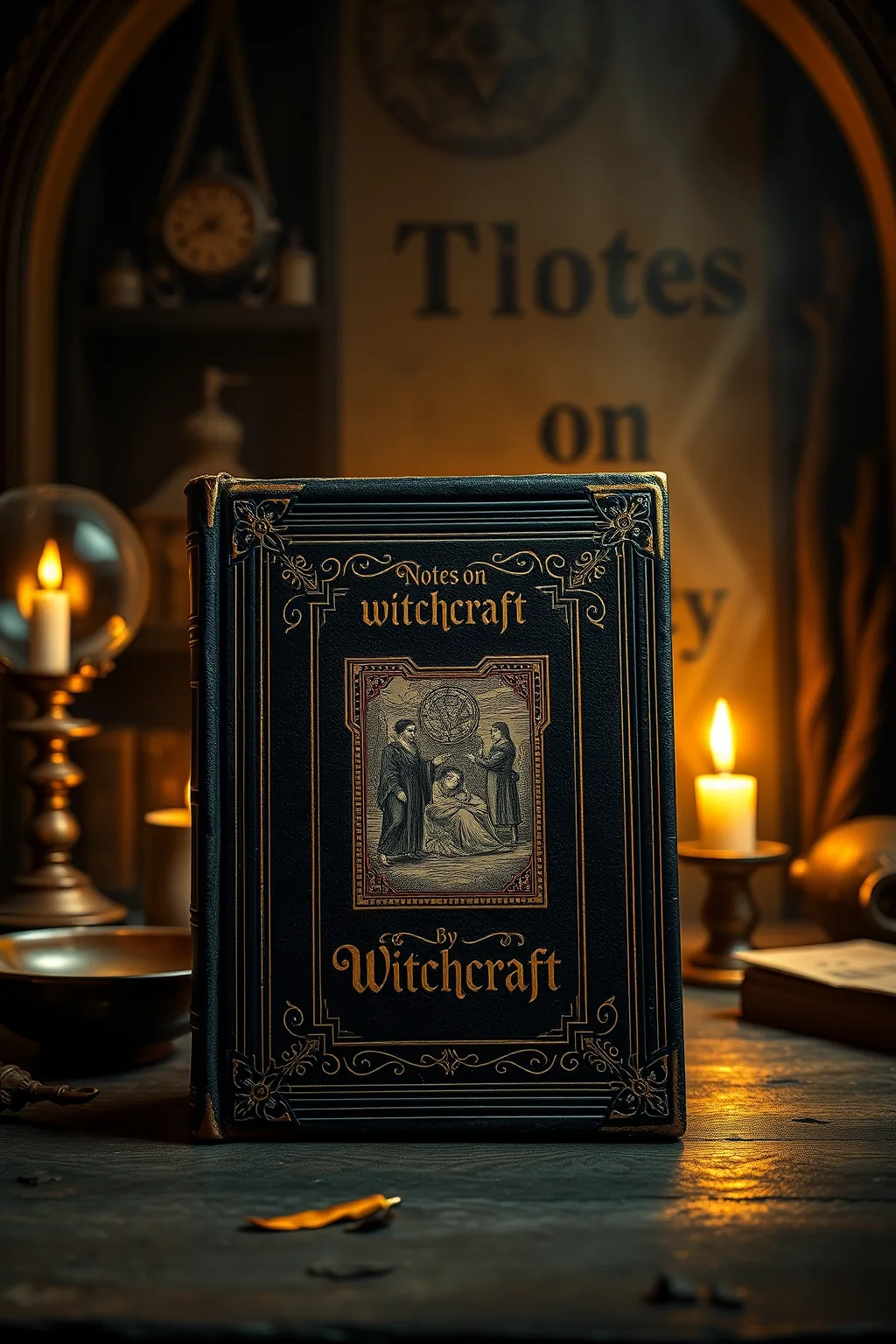
Notes on witchcraft
 69
69

Notes on witchcraft


'Notes on Witchcraft' by George Lyman Kittredge is a treasure trove of esoteric knowledge that remains relevant for modern seekers of the occult. Published in 1860, this book offers a deep dive into the historical and cultural contexts of witchcraft, making it an invaluable resource for anyone interested in the pagan traditions. Kittredge's scholarly approach and attention to detail make the text accessible and engaging, even for those who are new to the subject. The book's exploration of witch trials and folklore provides a fascinating glimpse into the fears and superstitions of past societies, while also highlighting the enduring power of witchcraft as a spiritual practice. For contemporary esoteric seekers, 'Notes on Witchcraft' offers a solid foundation for understanding the roots of modern witchcraft and paganism. It is a must-read for anyone looking to deepen their knowledge of the occult.
📝 Description
69
George Lyman Kittredge's 1929 'Notes on Witchcraft' examines European folklore concerning sorcery.
Published in 1929, George Lyman Kittredge's 'Notes on Witchcraft' analyzes the historical understanding of witchcraft across European folklore. Kittredge, a Harvard professor, approached the subject from a scholarly perspective, dissecting popular beliefs and accusations of sorcery. The book scrutinizes the historical context in which witchcraft accusations arose, including legal proceedings and societal fears. It details the development of ideas about witches, their supposed practices, and the imagery associated with them. Kittredge's work is a detailed study of how witchcraft was perceived and prosecuted in earlier centuries.
This text addresses the evolution of beliefs surrounding magic and the supernatural in Europe. It covers the transition from earlier folk magic to the more organized and demonized concept of witchcraft that emerged during the witch trials. Kittredge’s research draws on a wide array of historical sources, including legal documents, theological treatises, and popular literature. The book is a serious academic examination of a complex historical phenomenon, aiming to clarify the historical reality behind the myths and accusations.
While not overtly a grimoire or a text of magical practice, 'Notes on Witchcraft' situates itself within the study of Western esoteric traditions by detailing the historical formation of concepts like the sabbat, pacts with the devil, and flight. Kittredge's scholarly analysis of these elements, drawn from his deep engagement with medieval and early modern European history and literature, provides a historical foundation for understanding the beliefs that fueled magical thinking and persecution. His work, published in 1929, is a product of early 20th-century academic interest in folklore and the darker aspects of European cultural history, preceding later revivalist movements but laying groundwork for subsequent scholarly inquiry into the history of magic.
✍️ Author
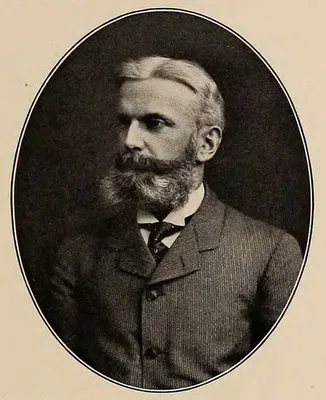
Kittredge, George Lyman
George Lyman Kittredge (February 28, 1860 – July 23, 1941) was a professor of English literature at Harvard University. His scholarly edition of the works of William Shakespeare was influential in the early 20th century.
💡 Why Read This Book?
Reading 'Notes on Witchcraft' today offers a unique opportunity to connect with the historical roots of modern witchcraft and paganism. This book provides a wealth of knowledge about the practices, beliefs, and cultural significance of witchcraft, making it an essential read for anyone interested in the esoteric arts. By understanding the past, readers can gain a deeper appreciation for contemporary practices and perhaps even discover new ways to incorporate ancient wisdom into their own spiritual journeys.
⭐ Reader Reviews
Honest opinions from readers who have explored this book.
❓ Frequently Asked Questions
Who is the author of 'Notes on Witchcraft'?
George Lyman Kittredge is the author of 'Notes on Witchcraft', published in 1860. He was a renowned scholar known for his work in folklore and mythology.
What topics does 'Notes on Witchcraft' cover?
The book covers a wide range of topics related to witchcraft, including historical witch trials, rituals, folklore, and the societal impact of witchcraft accusations.
Is 'Notes on Witchcraft' suitable for beginners in witchcraft?
Yes, the book is suitable for both beginners and experienced practitioners. Its detailed and accessible writing style makes it a valuable resource for anyone interested in the esoteric arts.
🔮 Key Themes & Symbolism
Esoteric Symbolism
Kittredge looks at the strong symbolism that underpins witchcraft, revealing the hidden meanings and mystical significance behind ancient rituals and spells. This theme explores how symbols were used to convey deeper spiritual truths and connect practitioners to the divine.
Historical Context
The book provides a detailed historical context for witchcraft, tracing its roots through European folklore and mythology. This theme examines how witchcraft evolved over time, shaping the beliefs and practices of various cultures.
Philosophical Insights
Kittredge's work offers profound philosophical insights into the nature of witchcraft, exploring its role in human spirituality and the quest for hidden knowledge. This theme looks at the philosophical significance of witchcraft, revealing its enduring relevance in the modern world.
💬 Memorable Quotes
Direct passages from the work, attributed to the author.
“Symbols in witchcraft are the keys to unlocking hidden truths.”
— Kittredge emphasizes the importance of symbolism in revealing the mystical aspects of witchcraft.
“Witchcraft has shaped the beliefs and practices of countless cultures.”
— Kittredge's work underscores the historical significance of witchcraft in shaping global spirituality.
💡 Key Ideas
Editorial paraphrase of the work's core concepts — not direct quotes.
Witchcraft is not merely a set of practices but a path to deeper understanding.
This quote underscores the philosophical depth of witchcraft, suggesting it is a spiritual journey.
The study of witchcraft is a journey into the occult heart of humanity.
This quote highlights the esoteric nature of witchcraft, inviting readers to explore its mystical dimensions.
The rituals of witchcraft are a bridge to the divine.
This quote suggests that witchcraft rituals are a means of connecting with the spiritual realm.
🌙 Esoteric Significance
Tradition
'Notes on Witchcraft' belongs to the Hermetic tradition, which emphasizes the quest for hidden knowledge and the spiritual transformation of the individual. This tradition draws on ancient Egyptian, Greek, and Jewish mystical teachings, making it a body of esoteric wisdom.
Symbolism
Key symbols in the book include the pentagram, the circle, and the crescent moon, each representing different aspects of the divine and the natural world. These symbols are used to convey deeper spiritual truths and connect practitioners to the mystical realm.
Modern Relevance
Today, 'Notes on Witchcraft' remains relevant for modern practitioners of witchcraft and paganism. Its insights into esoteric symbolism and philosophical significance continue to inspire seekers of hidden knowledge and those exploring the mystical arts.
👥 Who Should Read This Book
Beginners will find 'Notes on Witchcraft' to be an accessible introduction to the esoteric traditions of witchcraft. Scholars of occult studies will appreciate its depth of research and historical context. Spiritual seekers will be drawn to its philosophical insights and mystical themes. Practitioners of witchcraft will benefit from its exploration of symbolism and rituals, enriching their spiritual practice.
📜 Historical Context
Written in the early 20th century, 'Notes on Witchcraft' emerged during a time of renewed interest in the occult and esoteric traditions. Kittredge's work was important in bridging the gap between academic scholarship and spiritual practice, making witchcraft accessible to a broader audience. The book's influence can be seen in the resurgence of interest in paganism and witchcraft in the latter half of the 20th century, as well as in modern neo-pagan movements.
📔 Journal Prompts
How does the symbolism in 'Notes on Witchcraft' resonate with your own spiritual journey?
In what ways has witchcraft influenced your understanding of the occult?
What historical insights from the book have deepened your appreciation for witchcraft?
How can the philosophical themes in the book be applied to modern spiritual practices?
Reflect on a ritual or spell from the book that has inspired your own spiritual exploration.
🗂️ Glossary
Hermetic Tradition
A mystical tradition that emphasizes the quest for hidden knowledge and spiritual transformation.
Pentagram
A five-pointed star often used in witchcraft to represent the elements and spiritual balance.
Neo-Paganism
A modern spiritual movement that draws on ancient pagan traditions and beliefs.
Esoteric Symbolism
The use of symbols to convey hidden or mystical meanings within spiritual practices.
Occult
The study of hidden or secret knowledge, often involving mystical and supernatural elements.
This book appears in 2 collections
🔮 Readers Also Liked
Browse all →


![The secrets of black arts!: A key note to witchcraft, devination [sic], omens, forwarnings, apparitions, sorcery, dæmonology, dreams, predictions, visions, and the Devil's legacy to earth mortals, compacts with the Devil! With the most authentic history of Salem witchcraft](/img/thumb/the-secrets-of-black-arts-b-a-key-note-to-witchcraft-devination-sic-omens-forwarnings-apparitions-sorcery-d-monology-dreams-predictions-visions-and-the-devil-s-legacy-to-earth-mortals-compacts-with-th.webp)

From the “Witchcraft” Collection
View all →







More Free Witchcraft & Paganism Books
View all →