The Prophet
 73
73

The Prophet



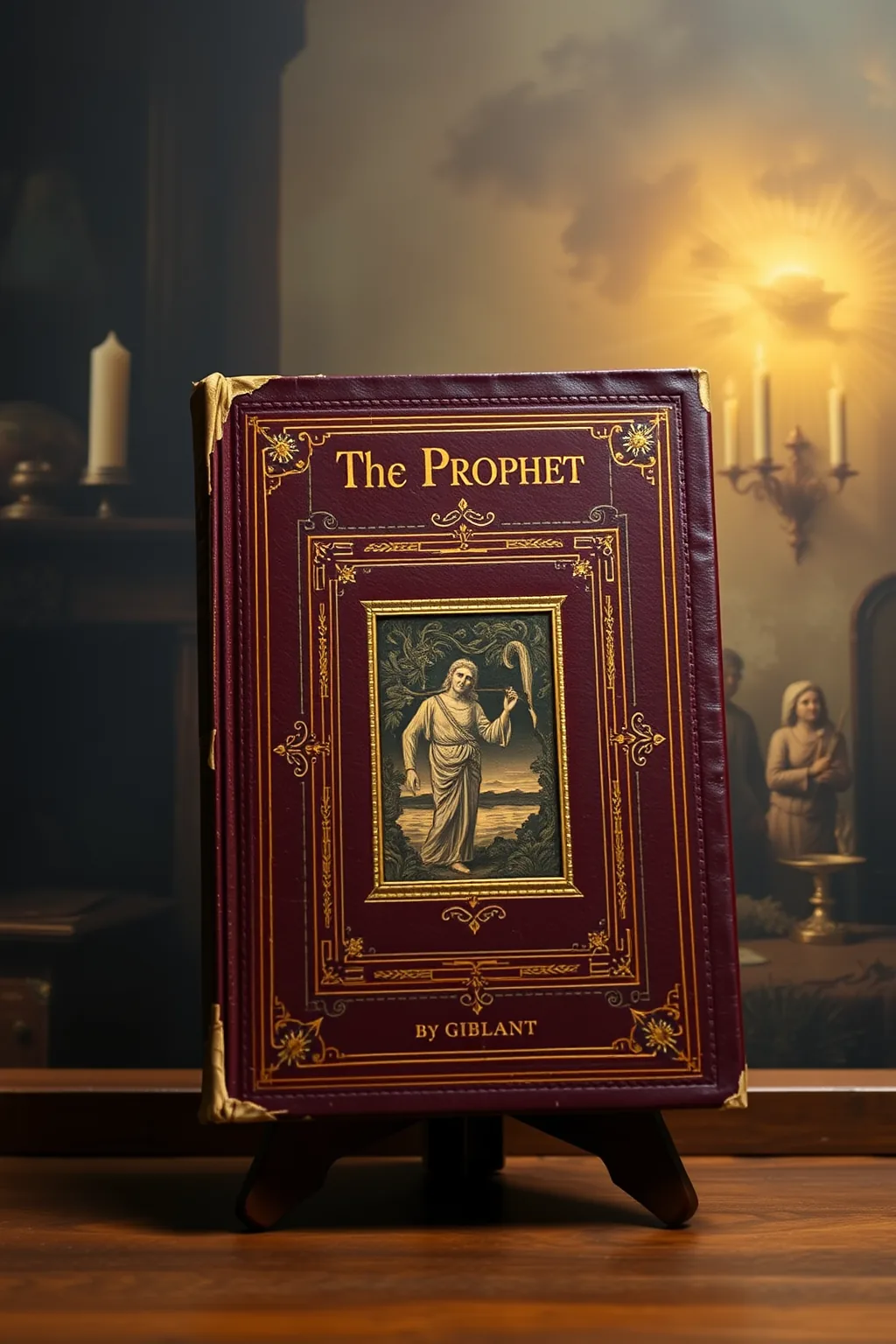
'The Prophet' by Kahlil Gibran is a masterpiece of mystical literature that continues to inspire and enlighten readers today. Gibran's prose poems are a blend of Eastern mysticism and Western philosophy, creating a unique and profound exploration of the human condition. The book's esoteric themes, such as the nature of love, joy, and sorrow, offer valuable insights for modern seekers on their spiritual journeys. Gibran's lyrical language and deep spiritual insights make 'The Prophet' a timeless classic that transcends cultural and temporal boundaries. For those interested in the occult and mysticism, this book is an essential read. Its timeless wisdom and contemplative depth make it a valuable resource for anyone seeking a deeper understanding of the esoteric dimensions of life.
📝 Description
73
Kahlil Gibran published 'The Prophet' in 1923, a collection of poetic essays.
The book addresses twelve major life themes through the words of Almustafa, the chosen one, as he speaks to the people of Orphalese before his departure. Each essay touches upon universal human experiences, such as love, marriage, children, work, and death. Gibran uses lyrical language to frame these concepts, presenting them as spiritual or philosophical insights rather than simple advice.
The prose aims for a contemplative tone, encouraging reflection on the nature of existence and human connection. The writing style is accessible, drawing on symbolic imagery to convey its messages. 'The Prophet' is structured as a series of monologues, each dedicated to a specific topic, forming a cohesive whole.
Published in the early 20th century, 'The Prophet' emerged during a period of interest in spiritual and philosophical writings that synthesized Eastern and Western thought. While not strictly tied to a single esoteric school, its themes of universal love, the interconnectedness of spirit and matter, and the search for inner truth resonate with currents found in movements like Theosophy and New Thought. Gibran’s work draws on Sufi mysticism and Christian spirituality, presenting spiritual principles in a poetic form accessible to a broad audience seeking meaning beyond conventional religious dogma.
✍️ Author
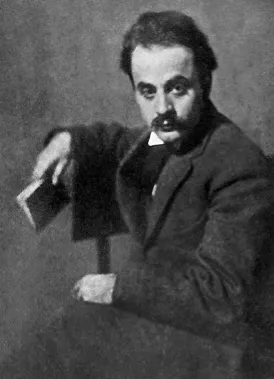
Gibran, Kahlil
Jubrān Khalīl Jubrān (Arabic: جُبْرَان خَلِيل جُبْرَان) (January 6, 1883 – April 10, 1931), usually referred to in English as Kahlil Gibran, was a Lebanese-American writer, poet and visual artist. He was also considered a philosopher, although he himself r…
💡 Why Read This Book?
Reading 'The Prophet' today offers a wealth of spiritual and intellectual benefits. Gibran's timeless wisdom provides a fresh perspective on the mysteries of life, love, and spirituality. This book is particularly valuable for those interested in the occult and mysticism, as it offers deep insights into the esoteric dimensions of human experience. Whether you are seeking personal growth, spiritual enlightenment, or simply a deeper understanding of the world around you, 'The Prophet' is an essential read.
⭐ Reader Reviews
Honest opinions from readers who have explored this book.
❓ Frequently Asked Questions
What makes 'The Prophet' a significant esoteric text?
The Prophet is significant for its blend of Eastern mysticism and Western philosophy, offering profound insights into the esoteric dimensions of life.
Who should read 'The Prophet'?
This book is ideal for spiritual seekers, poetry lovers, and anyone interested in the occult and mysticism.
What are the key themes in 'The Prophet'?
Key themes include the search for meaning, the beauty of nature, and the interconnectedness of all things.
🔮 Key Themes & Symbolism
The Interconnectedness of All Things
Gibran's 'The Prophet' explores the mystical idea that all things in the universe are interconnected, a concept that resonates deeply with those seeking spiritual enlightenment. This theme is explored through poetic prose that invites readers to contemplate the hidden knowledge that binds us all together.
The Search for Spiritual Truth
One of the central themes in 'The Prophet' is the search for spiritual truth. Gibran's work encourages readers to explore the mysteries of existence and the divine, providing a pathway to deeper understanding and enlightenment. This theme is particularly relevant for those on a spiritual journey.
The Power of Contemplation
Gibran's use of poetic prose in 'The Prophet' emphasizes the power of contemplation in uncovering hidden knowledge and spiritual insights. This theme is explored through vivid language and symbolism, making it a valuable resource for seekers of mystical wisdom.
💬 Memorable Quotes
Direct passages from the work, attributed to the author.
“Work is love made visible.”
— Gibran's insight into the transformative power of work highlights the spiritual significance of labor, making it a key theme in his mystical philosophy.
“Your children are not your children. They are the sons and daughters of Life's longing for itself.”
— Gibran's exploration of parenthood and the mystical bond between parents and children offers useful insights into the nature of human relationships.
💡 Key Ideas
Editorial paraphrase of the work's core concepts — not direct quotes.
Your joy is your sorrow unmasked.
This quote underscores the mystical idea that joy and sorrow are two sides of the same coin, a concept that invites contemplation on the nature of human emotion.
When you are old and grey and full of sleep, and nodding by the fire, take down this book and read to a child.
This passage emphasizes the timeless wisdom found in 'The Prophet,' encouraging readers to pass on its mystical insights to future generations.
To understand the heart and mind of a person, look not at what he has already done, but at what he aspires to do.
This quote explores the mystical concept of aspiration and its role in shaping the human spirit, inviting readers to contemplate their own desires and dreams.
🌙 Esoteric Significance
Tradition
'The Prophet' belongs to the mystical tradition, drawing on themes of hidden knowledge, spiritual symbolism, and the interconnectedness of all things. Gibran's work is a bridge between the mundane and the divine, offering insights that resonate with seekers of esoteric wisdom.
Symbolism
Key symbols in 'The Prophet' include the journey of the prophet Almustafa, which represents the spiritual quest for enlightenment, and the poetic prose that invites contemplation on the mysteries of existence. These symbols are rich with mystical significance, encouraging readers to delve deeper into their spiritual journeys.
Modern Relevance
'The Prophet' remains relevant today, offering timeless insights into human spirituality and the mysteries of the universe. Modern practitioners of esoteric arts and seekers of hidden knowledge continue to find value in Gibran's work, using it as a guide to spiritual enlightenment and deeper understanding.
👥 Who Should Read This Book
Beginners interested in mystical literature will find 'The Prophet' an accessible and enriching introduction to esoteric themes. Scholars of mysticism will appreciate Gibran's useful insights and symbolic language. Spiritual seekers will benefit from the book's contemplative atmosphere and exploration of hidden knowledge. Practitioners of esoteric arts will find valuable guidance and inspiration in its pages.
📜 Historical Context
Published in 1923, 'The Prophet' emerged during a time of spiritual and cultural awakening. Gibran's work reflected the growing interest in mysticism and esoteric knowledge, providing a voice for those seeking deeper meaning in a rapidly changing world. The book's influence has been profound, inspiring generations of readers to explore the mysteries of existence and the divine. Its enduring popularity is a evidence of its timeless wisdom and relevance.
📔 Journal Prompts
How does 'The Prophet' challenge your understanding of the interconnectedness of all things?
What spiritual insights have you gained from reading 'The Prophet'?
In what ways does Gibran's exploration of joy and sorrow resonate with your own experiences?
How can the themes of aspiration and human emotion in 'The Prophet' influence your spiritual journey?
Reflect on the mystical bond between parents and children as explored in 'The Prophet'
🗂️ Glossary
Mysticism
The belief in the possibility of union with or absorption into the Deity by means of contemplation and self-surrender.
Esoteric
Intended for or likely to be understood by only a small number of people with a specialized knowledge or interest.
Prose Poems
A type of poetry written in prose instead of verse but maintaining poetic qualities such as heightened imagery and emotional resonance.
Hidden Knowledge
Information or wisdom that is not widely known or understood, often associated with mystical or esoteric traditions.
Spiritual Symbolism
The use of symbols to represent spiritual concepts or ideas, often found in mystical literature and esoteric arts.
This book appears in 1 collection
🔮 Readers Also Liked
Browse all →



More by Gibran, Kahlil
All books →From the “Christian Mysticism” Collection
View all →






More Free Mysticism & Contemplation Books
View all →