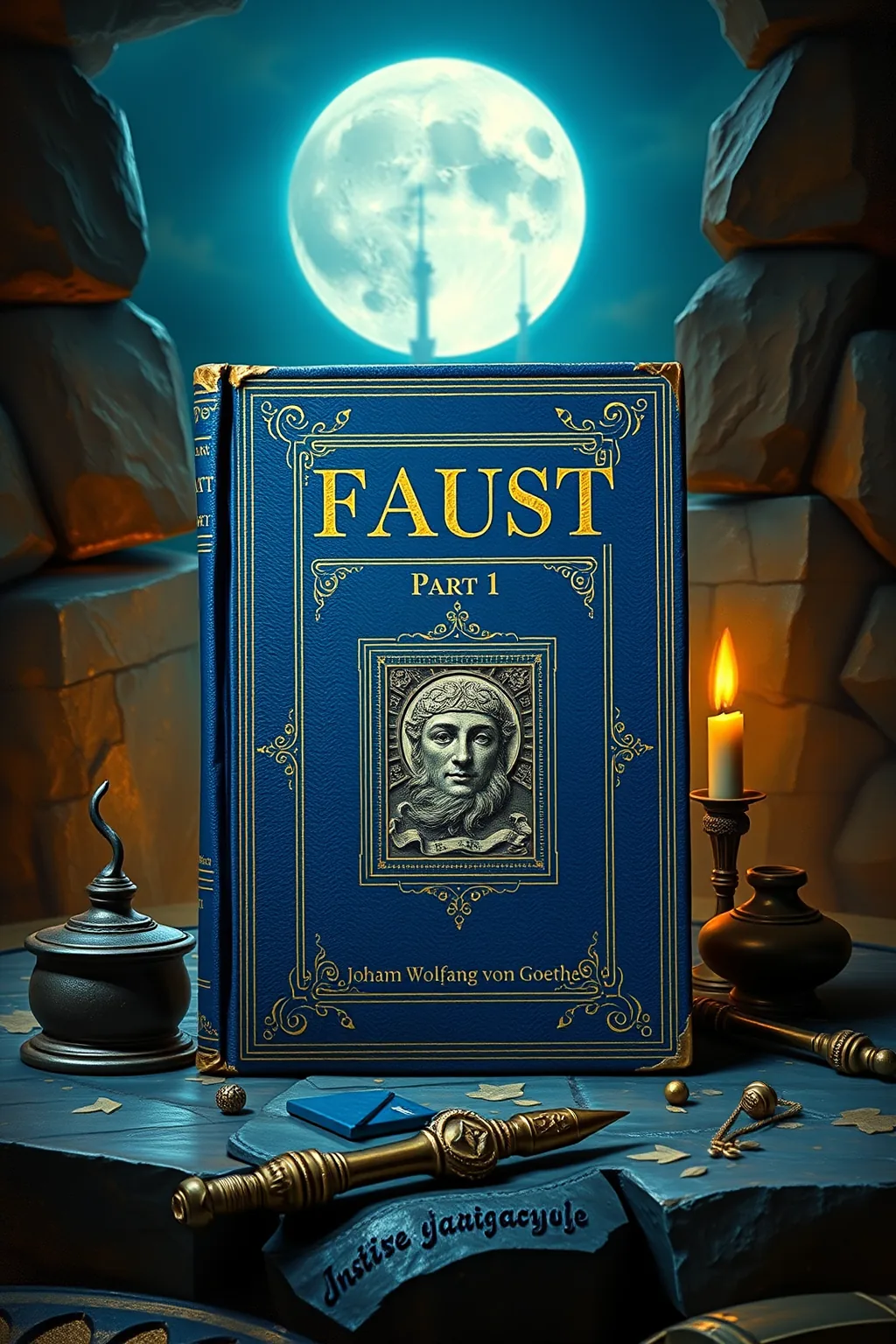
Faust — Part 1
 83
83

Faust — Part 1

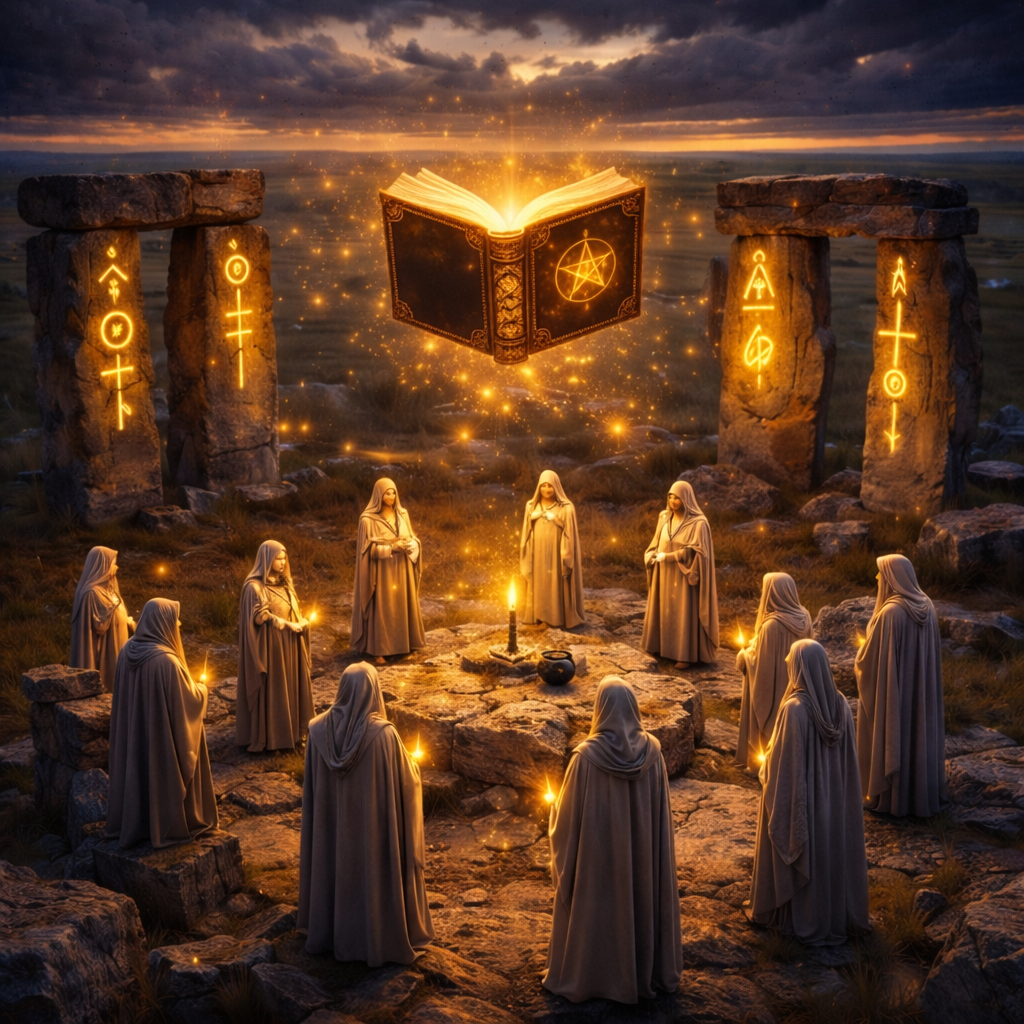

'Faust — Part 1' by Johann Wolfgang von Goethe is a masterpiece that continues to resonate with modern esoteric seekers. The play's exploration of magic and ritual provides a rich tapestry for those interested in the occult and mystical traditions. Goethe's use of symbolism and his deep understanding of human psychology make this work a timeless exploration of the spiritual journey. For contemporary readers, 'Faust — Part 1' offers a unique perspective on the eternal struggle between the material and the spiritual, making it an invaluable resource for those seeking to understand the deeper dimensions of existence. The play's themes of transformation and redemption are particularly relevant in today's world, where many are searching for meaning and purpose. Overall, 'Faust — Part 1' is a five-star read for anyone interested in the esoteric and the profound.
📝 Description
83
Goethe published Faust, Part One in 1808, a work rich with alchemical and occult symbolism.
Faust, Part One presents a scholar's pact with the devil, Mephistopheles, in his relentless pursuit of knowledge beyond mortal limits. The play dramatizes the legend of Faust, a figure deeply embedded in European folklore. Goethe uses this narrative to examine themes of ambition, temptation, and the human soul's eternal struggle between divine and infernal forces. The work is notable for its dense symbolism, drawing on alchemical processes and esoteric philosophy to frame Faust's spiritual and intellectual crisis. The narrative unfolds through a series of encounters and trials, showcasing the destructive potential of unchecked desire and the search for ultimate meaning.
Goethe's dramatic poem is not merely a retelling of an old tale but a profound meditation on the human condition. It scrutinizes the limits of empirical understanding and the allure of forbidden knowledge, whether spiritual, scientific, or magical. The interactions between Faust and Mephistopheles highlight the corrupting nature of power and the complex relationship between freedom and determinism. The play's imagery and language are steeped in the philosophical and magical traditions of its time, inviting readers to consider the hidden forces that shape existence.
Faust, Part One engages directly with hermetic and alchemical traditions that flourished in European intellectual circles. The play's structure and imagery often mirror alchemical stages of transformation, from nigredo (blackening) to rubedo (reddening). Faust's pact with Mephistopheles can be seen as a metaphor for the alchemist's dangerous quest for the philosopher's stone, a symbol of ultimate knowledge and spiritual perfection. Goethe incorporates elements of Rosicrucianism and other mystical currents, suggesting that true understanding requires more than rational intellect; it involves a transformation of the self and engagement with hidden realities.
✍️ Author
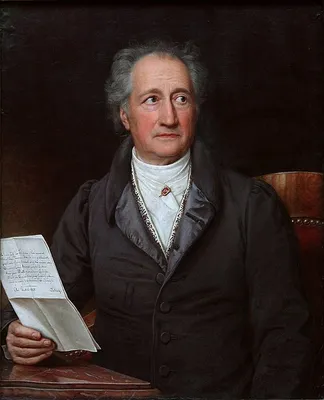
Johann Wolfgang von Goethe
Johann Wolfgang von Goethe (28 August 1749 – 22 March 1832) was a German polymath who is widely regarded as the most influential writer in the German language. His work has had a wide-ranging influence on literary, political, Christian views, and philosoph…
💡 Why Read This Book?
Reading 'Faust — Part 1' today offers a deep dive into the esoteric and mystical traditions that have shaped Western thought. The book provides valuable insights into the human condition and the eternal search for meaning. For modern esoteric seekers, it serves as a guide to understanding the complexities of magic and ritual, and how they relate to personal transformation and spiritual growth. By engaging with Goethe's timeless themes, readers can gain a deeper appreciation for the mystical and the occult, and apply these insights to their own spiritual journeys.
⭐ Reader Reviews
Honest opinions from readers who have explored this book.
❓ Frequently Asked Questions
What is the significance of 'Faust — Part 1' in esoteric literature?
'Faust — Part 1' is significant in esoteric literature for its exploration of magic, ritual, and the human quest for knowledge and enlightenment. It provides a rich tapestry of symbolism and philosophical depth, making it a cornerstone of mystical and occult studies.
Why should modern readers engage with 'Faust — Part 1'?
Modern readers should engage with 'Faust — Part 1' to gain insights into the eternal struggle between good and evil, and the search for meaning and purpose. The play's themes of transformation and redemption are particularly relevant in today's world.
How does 'Faust — Part 1' relate to German folklore and mythology?
'Faust — Part 1' weaves together elements of German folklore and classical mythology to create a complex narrative. The story of Dr. Heinrich Faust and his pact with the devil, Mephistopheles, is rooted in German legends and reflects the country's rich mystical traditions.
🔮 Key Themes & Symbolism
The Quest for Knowledge
One of the central themes of Faust — Part 1 is the relentless pursuit of knowledge and power. This quest often leads to a confrontation with the darker aspects of human nature and the consequences of seeking forbidden wisdom. The book explores the idea that the pursuit of knowledge can be both enlightening and dangerous, as it examines the depths of the human psyche and the mysteries of the occult.
The Struggle Between Good and Evil
Another key theme is the eternal struggle between good and evil. This struggle is not just external but also internal, as Faust himself grapples with his own desires and the temptations that come with seeking ultimate power. The book uses strong symbolism to illustrate the complexities of this struggle, making it a profound exploration of the human condition.
The Power of Symbolism
Goethe's use of symbolism in Faust — Part 1 is extensive and deeply meaningful. Symbols such as the pact with the devil, the struggle between light and darkness, and the quest for ultimate knowledge are woven throughout the text. These symbols serve to convey the deeper mysteries of the human experience and the occult traditions that have fascinated readers for centuries.
💬 Memorable Quotes
Direct passages from the work, attributed to the author.
“When I hear the word 'revolution,' I reach for my revolver.”
— A satirical take on the political turmoil of the time, emphasizing the tension between progress and tradition.
💡 Key Ideas
Editorial paraphrase of the work's core concepts — not direct quotes.
Two souls, alas, reside within my breast
This quote highlights Faust's internal struggle between his desire for knowledge and his moral conscience.
The greatest thing in the world is to know how to belong to oneself.
This line underscores the importance of self-awareness and personal growth in the quest for ultimate understanding.
There are more things in heaven and earth, Horatio, Than are dreamt of in your philosophy.
This quote emphasizes the limitations of human understanding and the existence of hidden knowledge beyond our comprehension.
The devil's greatest trick is to persuade you that he doesn't exist.
This line highlights the deceptive nature of evil and the importance of recognizing its presence in the world.
🌙 Esoteric Significance
Tradition
Faust — Part 1 belongs to the Hermetic tradition, which emphasizes the pursuit of hidden knowledge and the mysteries of the occult. This tradition draws on ancient texts and practices, seeking to understand the hidden forces that govern our world. The book's exploration of the Faust legend and the quest for ultimate power is a central theme in Hermetic thought.
Symbolism
Key symbols in Faust — Part 1 include the pact with the devil, the struggle between light and darkness, and the quest for ultimate knowledge. These symbols represent the deeper mysteries of the human experience and the occult traditions that have fascinated readers for centuries. The book uses strong symbolism to convey the complexities of these themes, making it a profound exploration of the human condition.
Modern Relevance
Faust — Part 1 remains relevant today for its exploration of the human psyche and the quest for forbidden wisdom. Modern practitioners of the occult and spiritual seekers continue to study this work for its insights into the hidden knowledge of the ages. The book's themes of the struggle between good and evil, the pursuit of ultimate power, and the consequences of seeking forbidden wisdom resonate with contemporary readers, making it a timeless exploration of the human condition.
👥 Who Should Read This Book
Beginners in the occult should read Faust — Part 1 to gain an introduction to the strong symbolism and esoteric themes that have fascinated readers for centuries. Scholars of German literature will appreciate the deep philosophical inquiry and the exploration of the human condition. Spiritual seekers will find inspiration in the quest for ultimate understanding and the mysteries of the occult. Practitioners of the magical arts will benefit from the book's exploration of rituals and the pursuit of forbidden wisdom. In summary, Faust — Part 1 is a must-read for anyone interested in the hidden knowledge of the ages and the eternal struggle between light and darkness.
📜 Historical Context
Faust — Part 1 was written during a time of significant intellectual and cultural upheaval in Europe. The late 18th and early 19th centuries saw the rise of the Enlightenment, which emphasized reason and scientific inquiry, as well as the Romantic movement, which celebrated emotion and the mystical. Goethe's work reflects this tension between the rational and the irrational, the known and the unknown. The book was important when written because it addressed the deep-seated fears and desires of its time, exploring the consequences of seeking forbidden knowledge and the eternal struggle between good and evil. Its influence can be seen in countless works of literature, philosophy, and the occult, making it a timeless exploration of the human condition.
📔 Journal Prompts
Reflect on the consequences of seeking forbidden knowledge in your own life. Have you ever pursued something that you later regretted?
Consider the struggle between good and evil within yourself. How do you balance your desires with your moral conscience?
Explore the symbolism of the pact with the devil in Faust — Part 1. What does this symbol mean to you personally?
Think about the quest for ultimate power. What are the dangers and rewards of seeking such power in your own life?
Reflect on the idea of hidden knowledge. What mysteries of the world do you find most fascinating, and why?
🗂️ Glossary
Faustian Pact
A pact or agreement with the devil in exchange for knowledge or power, often at the cost of one's soul.
Hermetic Tradition
A school of thought that emphasizes the pursuit of hidden knowledge and the mysteries of the occult, drawing on ancient texts and practices.
Occult
The study of hidden or secret knowledge, often involving magical or supernatural practices.
Symbolism
The use of symbols to convey deeper meanings and mysteries in literature and the arts.
Forbidden Wisdom
Knowledge that is considered dangerous or taboo, often involving the pursuit of ultimate power or understanding.
This book appears in 9 collections
🔮 Readers Also Liked
Browse all →

More by Johann Wolfgang von Goethe
All books →
From the “Transcendental Meditation” Collection
View all →






More Free Magic & Ritual Books
View all →