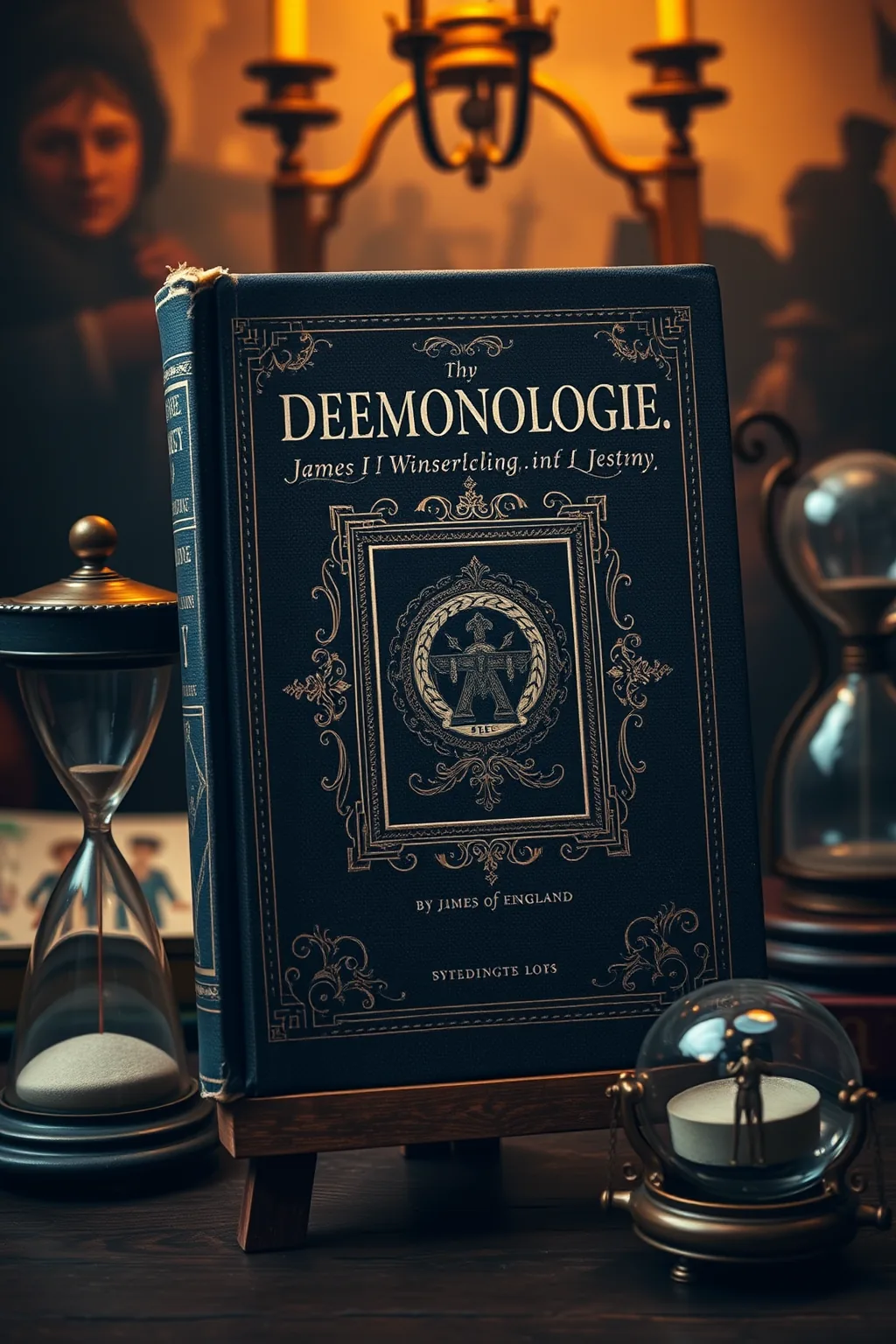
Daemonologie.
 71
71

Daemonologie.



Daemonologie by King James I is a foundational text in the study of witchcraft and demonology, offering a fascinating glimpse into the esoteric beliefs of the 16th century. The book's detailed accounts of witch trials and confessions provide a rich historical context, making it an invaluable resource for scholars and enthusiasts of the occult. While the language and theological arguments may be challenging for modern readers, the insights into the cultural and religious landscape of the time are invaluable. The book's exploration of the nature of evil and the supernatural is particularly compelling, offering a unique perspective on the fears and anxieties of the era. For contemporary esoteric seekers, Daemonologie serves as a reminder of the enduring fascination with the occult and the ways in which these beliefs have shaped our understanding of the world. Overall, this text is a 4-star read for those interested in the history of witchcraft and demonology.
📝 Description
71
James I published 'Daemonologie' in 1597, arguing against skepticism about witchcraft.
Originally published in 1597, King James I's 'Daemonologie' is a treatise on demonology and witchcraft. The book was written partly to counter skeptical arguments that had begun to circulate, particularly regarding the reality of the devil and the practice of sorcery. James I lays out his understanding of how demons operate, how witches are made, and the legal and theological justifications for prosecuting those accused of witchcraft. He details various forms of demonic activity and the methods by which individuals are thought to enter into pacts with the devil. The text reflects the prevailing beliefs and fears concerning the supernatural in late 16th-century Europe. It serves as a historical document showing the mindset of a monarch deeply concerned with matters of faith and the perceived threats to his kingdom.
The king's intent was to provide a clear theological and legal basis for dealing with what he saw as a genuine danger. He discusses the nature of the infernal hierarchy and the ways in which Satan tempts and deceives humanity. The book also addresses the methods used by witch hunters and the evidence required to convict individuals of such crimes. 'Daemonologie' is not merely a theoretical work; it is a practical guide for magistrates and clergy, aiming to equip them with the knowledge to combat perceived malevolent forces. It reveals the anxieties of the era concerning the unseen world and its supposed influence on earthly affairs.
Published in 1597, 'Daemonologie' emerges from a period where learned discourse on the supernatural was intensifying. It engages with demonological traditions that had developed over centuries, drawing on biblical interpretations, patristic writings, and earlier grimoires. The book reflects a specific moment where anxieties about witchcraft were high, and monarchs like James I felt compelled to articulate a theological and legal framework to address these fears. It sits within a broader European context of occult studies and religious polemics, where understanding the workings of the demonic was seen as crucial for maintaining social and spiritual order. The work contrasts with more skeptical philosophical currents beginning to appear, asserting the tangible reality of demonic influence.
✍️ Author
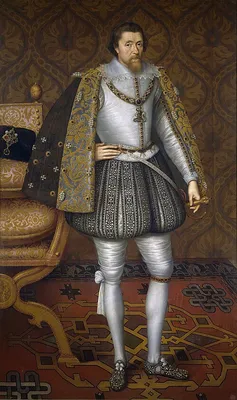
James I, King of England
James VI and I (James Charles Stuart; 19 June 1566 – 27 March 1625) was King of Scotland as James VI from 24 July 1567, and King of England and Ireland as James I from the union of the Scottish and English crowns on 24 March 1603, until his death in 1625. …
💡 Why Read This Book?
Reading Daemonologie today offers a deep dive into the historical roots of witchcraft and demonology, providing a unique perspective on the evolution of occult practices. Modern readers will gain insights into the cultural and religious beliefs of the 16th century, as well as the enduring fascination with the supernatural. This book is essential for anyone interested in esoteric studies, offering a rich historical context and a detailed exploration of the nature of evil and the supernatural.
⭐ Reader Reviews
Honest opinions from readers who have explored this book.
❓ Frequently Asked Questions
What is the significance of Daemonologie?
Daemonologie is significant for its historical insights into witchcraft and demonology during the 16th century. It reflects the religious and political climate of the time and provides a detailed account of witch trials and confessions.
Who should read Daemonologie?
Daemonologie is ideal for scholars, historians, and enthusiasts of the occult. Anyone interested in the history of witchcraft and demonology will find this book valuable.
Is Daemonologie relevant to modern esoteric studies?
Yes, Daemonologie offers a unique perspective on the historical roots of occult practices, making it relevant to modern esoteric studies. It provides insights into the cultural and religious beliefs of the 16th century and the enduring fascination with the supernatural.
🔮 Key Themes & Symbolism
Demonology
The central theme of 'Daemonologie' is demonology, which explores the nature of demons, their interactions with humans, and the philosophical implications of their existence. The book provides a detailed examination of demonic influences and their impact on human affairs, making it a foundational text for anyone interested in the esoteric and supernatural.
Witchcraft
Witchcraft is another key theme in 'Daemonologie,' where James I looks at the practices and beliefs associated with witchcraft in Scotland. The text offers insights into the mystical and occult aspects of witchcraft, providing a body of symbolism and hidden knowledge for readers to explore.
Symbolism and Hidden Knowledge
The book is rich with symbolism and hidden knowledge, inviting readers to examine the deeper layers of reality. James I's exploration of the supernatural world is steeped in mystical and esoteric themes, making 'Daemonologie' a rich source for those seeking to understand the unseen forces that govern our world.
💬 Memorable Quotes
Direct passages from the work, attributed to the author.
“The devil's power is greatest when he is least suspected.”
— James I's insight into the deceptive nature of demonic influences highlights the need for vigilance and discernment in the study of the occult.
“Witchcraft is a real and dangerous force in the world.”
— This statement emphasizes the seriousness with which James I approaches the study of witchcraft, making 'Daemonologie' a valuable resource for practitioners and scholars alike.
“The supernatural world is a area of mystery and danger.”
— James I's exploration of the supernatural world is steeped in an atmosphere of intrigue and mystery, inviting readers to explore the hidden dimensions of reality.
💡 Key Ideas
Editorial paraphrase of the work's core concepts — not direct quotes.
The fear of the devil is the beginning of wisdom.
This quote underscores the importance of acknowledging the supernatural and the occult in understanding the deeper dimensions of reality.
The knowledge of the devil's tricks is the best defense against them.
This quote underscores the importance of understanding demonic influences in order to protect oneself from their harmful effects.
🌙 Esoteric Significance
Tradition
'Daemonologie' belongs to the Hermetic tradition, which seeks to understand the hidden dimensions of reality and the supernatural. The book's exploration of demonology and witchcraft is steeped in mystical and esoteric themes, making it a valuable resource for those interested in the occult and the supernatural.
Symbolism
The book is rich with symbolism, including references to demonic entities, occult practices, and the mystical arts. These symbols are key to understanding the deeper layers of reality and the unseen forces that govern our world.
Modern Relevance
'Daemonologie' continues to be relevant today, influencing modern occult practices and providing a historical and philosophical framework for understanding demonology and witchcraft. Contemporary practitioners and scholars of the occult often refer to this text as a foundational resource.
👥 Who Should Read This Book
Beginners interested in the occult will find 'Daemonologie' to be a fascinating introduction to the supernatural world. Scholars of the occult will appreciate its depth and complexity, making it an essential read for those seeking to understand the esoteric and mystical arts. Spiritual seekers will find strong symbolism and hidden knowledge within its pages, inviting them to explore the deeper dimensions of reality. Practitioners of the mystical arts will benefit from its insights into demonology and witchcraft, making it a valuable resource for their practices.
📜 Historical Context
Published in 1597, 'Daemonologie' was written during a time of intense interest in the occult and the supernatural. The book reflects the prevailing beliefs and fears of the era, particularly in Scotland, where witchcraft was seen as a real and dangerous force. James I's exploration of demonology and witchcraft was influential in shaping the public's understanding of these topics and contributed to the ongoing fascination with the mystical and esoteric. The text remains a key reference for scholars and practitioners of the occult today.
📔 Journal Prompts
Reflect on the role of demonology in your understanding of the supernatural.
How does 'Daemonologie' influence your perspective on witchcraft?
What symbols and hidden knowledge in the book resonate with you the most?
Consider the philosophical implications of demonic influences on human affairs.
How does 'Daemonologie' challenge or confirm your beliefs about the occult?
🗂️ Glossary
Demonology
The study of demons and their interactions with humans, exploring the nature and influence of demonic entities.
Witchcraft
The practice of magic and sorcery, often associated with supernatural and occult beliefs.
Occult
Refers to knowledge of the hidden or secret, often involving mystical and esoteric practices.
Symbolism
The use of symbols to represent abstract ideas or qualities, often found in mystical and esoteric texts.
Supernatural
Pertaining to phenomena that are beyond the scope of natural laws, often involving the occult and mystical arts.
This book appears in 2 collections
🔮 Readers Also Liked
Browse all →


More by James I, King of England
All books →
From the “Witchcraft” Collection
View all →








More Free Witchcraft & Paganism Books
View all →