What is Low Magic?
Low magic, in contrast to high magic, focuses on practical, tangible results and often involves working with natural forces, local spirits, or common ingredients. It encompasses folk magic, witchcraft, and various forms of spellcraft aimed at influencing daily life, such as healing, protection, or prosperity. Historically, it was often practiced by common people and distinct from the more theoretical or celestial-aligned practices of high magic. Texts like 'Etruscan Roman Remains in Popular Tradition' by Charles Godfrey Leland (1892) document these vernacular traditions.
Best Books for Complete Beginners
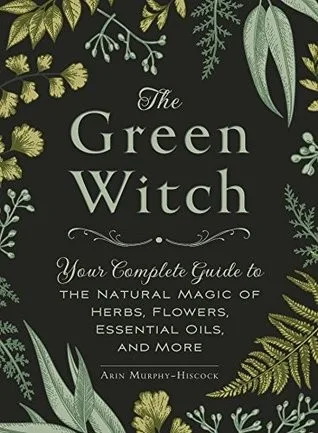
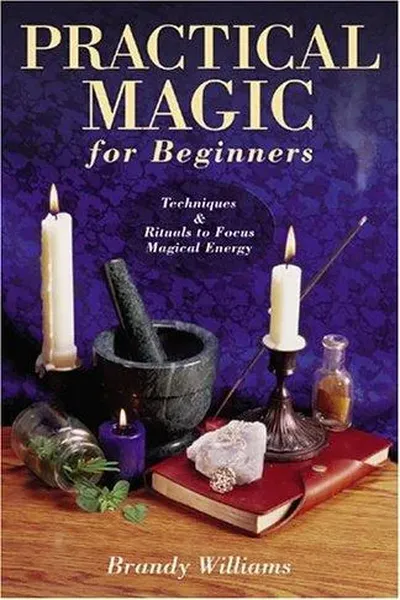
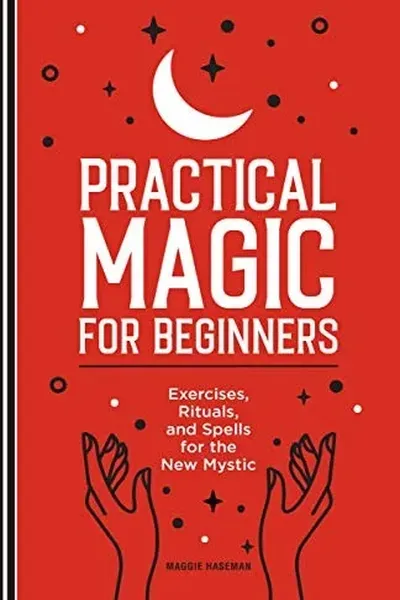
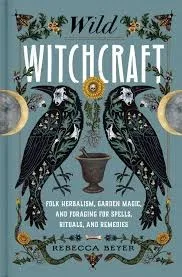
For those new to low magic, starting with accessible guides is crucial. 'Practical Magic For Beginners' by Brandy Williams offers a clear introduction to core concepts and exercises. 'The Green Witch' by Arin Murphy-Hiscock focuses on nature-based practices, ideal for those drawn to earth energies. 'Wild Witchcraft' by Rebecca Beyer provides practical guidance on creating a personal magical practice. 'Practical Magic for Beginners : Guide to Exercises, Rituals, and Spells for the New Mystic' by Blythe Steman offers a structured approach with actionable steps. 'The Witches and Wizards' by Anton Adams and Mina Adams introduces foundational ideas in an approachable manner.
Intermediate Reading
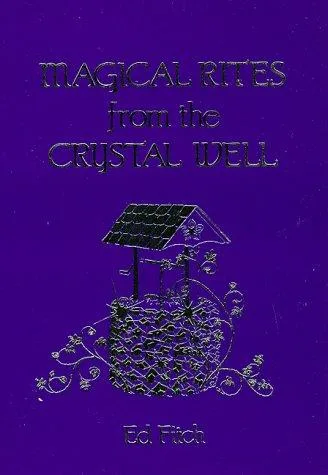
Moving beyond introductory concepts, intermediate study delves deeper into specific techniques and historical contexts. 'Magical Rites From The Crystal Well' by Ed Fitch offers a collection of practical rites and spells. John Michael Greer's 'The Art and Practice of Geomancy' provides a detailed exploration of a specific divinatory and magical system. Dolores Ashcroft-Nowicki's 'Ritual Magic Workbook' offers structured exercises for developing ritual skills. 'Grimoires & Practical Magic' compiles various historical and modern approaches to spellcraft, suitable for expanding one's repertoire.
Classical / Advanced Texts
Advanced study involves engaging with primary sources and scholarly analyses. Henry Cornelius Agrippa's 'The Philosophy of Natural Magic' (originally published 1533, English translation 1913) is a key work exploring the theoretical underpinnings of natural magic. Stephen Skinner's 'The Complete Magicians Tables' (2007) offers a comprehensive reference for magical correspondences. 'The Occult Sciences - Witchcraft and Low Magic' by Wyrd Books and 'Encyclopedia of Occult Scienses vol.VI Second Part (The Magical Sciences) Low Magic' by Poinsot, Maffeo provide in-depth examinations of historical magical systems and theories.
Reading Order — Step by Step
Begin with foundational texts for a solid understanding. Weeks 1-4: Start with 'Practical Magic For Beginners' by Brandy Williams and 'The Green Witch' by Arin Murphy-Hiscock to grasp basic principles and nature-based approaches. Month 2: Transition to 'The Art and Practice of Geomancy' by John Michael Greer and 'Magical Rites From The Crystal Well' by Ed Fitch to explore specific systems and practical rites. Month 3+: Engage with primary sources like Agrippa's 'The Philosophy of Natural Magic' and reference works such as 'The Complete Magicians Tables' by Stephen Skinner for advanced study and deeper context.
Frequently Asked Questions
Which low magic book should I read first?
For a complete beginner, 'Practical Magic For Beginners' by Brandy Williams is an excellent starting point. It offers clear explanations and actionable exercises without overwhelming the reader.
What is the difference between low magic and high magic?
Low magic typically focuses on practical, everyday results and common forces, while high magic often involves more complex rituals, celestial influences, and spiritual development.
Are grimoires safe for beginners?
Some grimoires can be complex or contain potentially challenging material. It's advisable for beginners to start with modern interpretations and practical guides before exploring older, more esoteric texts.
How does witchcraft relate to low magic?
Witchcraft is often considered a significant component of low magic, emphasizing natural forces, herbalism, and intuitive practices for tangible outcomes.
Is geomancy a form of low magic?
Yes, geomancy is a form of low magic. It's a practical system for divination and magical influence that relies on earth-based patterns and interpretations.
Where can I find information on historical low magic practices?
Scholarly works like 'The Philosophy of Natural Magic' by Agrippa or compilations such as 'Encyclopedia of Occult Scienses vol.VI' offer historical context and descriptions of past practices.
Do I need special tools for low magic?
Many low magic practices can be performed with readily available items. While some traditions may use specific tools, the focus is often on intention and natural elements rather than elaborate equipment.
What is the role of nature in low magic?
Nature plays a central role in many low magic traditions. Practices often involve working with herbs, elements, seasons, and the inherent energies of the natural world.