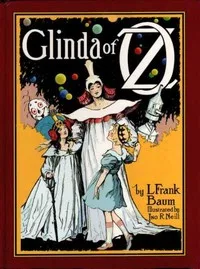
Glinda of Oz: In Which Are Related the Exciting Experiences of Princess Ozma of Oz, and Dorothy, in Their Hazardous Journey to the Home of the Flatheads, and to the Magic Isle of the Skeezers, and How They Were Rescued from Dire Peril by the Sorcery of Glinda the Good
 69
69

Glinda of Oz: In Which Are Related the Exciting Experiences of Princess Ozma of Oz, and Dorothy, in Their Hazardous Journey to the Home of the Flatheads, and to the Magic Isle of the Skeezers, and How They Were Rescued from Dire Peril by the Sorcery of Glinda the Good


Glinda of Oz is a hidden gem in the world of esoteric literature, offering a rich tapestry of magical adventures and occult rituals. L. Frank Baum's storytelling is as enchanting as ever, transporting readers to the mystical lands of Oz where Princess Ozma and Dorothy embark on a perilous journey. The book is filled with themes of courage, friendship, and the power of magic, making it a timeless classic for both young and adult readers. For modern esoteric seekers, 'Glinda of Oz' provides a unique blend of fantasy and ritual, offering insights into the mystical traditions that have captivated generations. The book's exploration of mythical creatures and magical rituals makes it a valuable resource for those interested in the occult. Baum's work is a testament to the enduring power of storytelling and the timeless appeal of the esoteric.
📝 Description
69
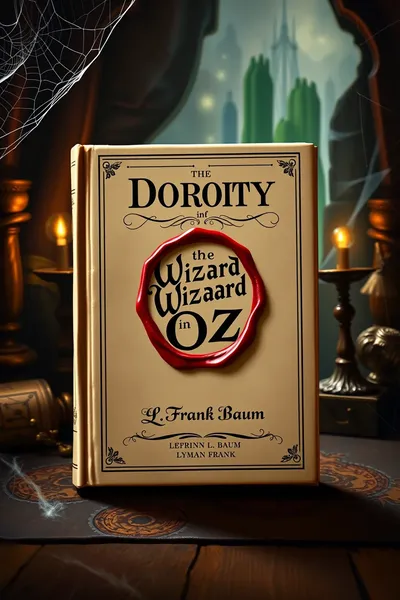
Published in 1920, L. Frank Baum's Glinda of Oz chronicles Ozma and Dorothy's quest to the land of the Flatheads.
This story follows Princess Ozma and Dorothy on a difficult trip to the land of the Flatheads and the Isle of the Skeezers. They are guided by Glinda the Good, who is a powerful sorceress. The journey is fraught with danger and unusual encounters, including with a fearsome beast and a wizard who has captured many people. The book looks at the nature of magic and the importance of courage when facing adversity. Baum uses Ozma’s growing understanding of magic and her own power as central to resolving the story’s conflicts. The narrative also touches on themes of illusion versus reality and the consequences of unchecked ambition.
Glinda of Oz was the last book published in Baum’s original Oz series, appearing after his death. It concludes Ozma’s character arc, showing her evolution from a passive ruler to a more active participant in her kingdom’s affairs. The book presents Ozma’s internal struggles and her eventual mastery over her own magical abilities. The resolution involves Glinda’s direct intervention, highlighting her role as a mentor and powerful magical figure. The tale concludes with a return to the Emerald City and a restoration of order.
Within Baum’s Oz books, Glinda of Oz is notable for its focus on Glinda’s magical prowess and her extensive library. Glinda represents a benevolent, learned form of magic, contrasting with the more self serving or destructive magic of figures like the Wizard of the Nome King or the Skeezers' magic. The book’s portrayal of Glinda’s magical knowledge and her ability to influence events through wisdom and incantations aligns with certain interpretations of ceremonial magic or hermetic traditions, where knowledge and ritual are key. The magical artifacts and the emphasis on understanding magical principles place it within a fantasy tradition that draws on older esoteric ideas about power and hidden lore.
✍️ Author
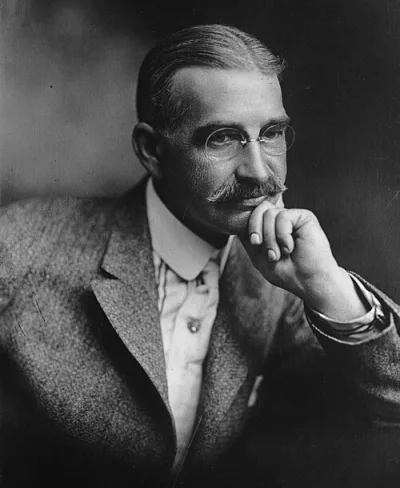
Baum, L. Frank (Lyman Frank)
L. Frank Baum was an American author best known for his children's fantasy books, particularly The Wonderful Wizard of Oz.
💡 Why Read This Book?
Reading Glinda of Oz today offers a unique blend of adventure and esoteric exploration. Modern readers will gain insights into the mystical traditions that have captivated generations, while enjoying a timeless tale of courage and friendship. The book's exploration of magical rituals and mythical creatures makes it a valuable resource for those interested in the occult. Additionally, the enchanting storytelling and rich imagery provide a captivating escape into the magical realm of Oz.
⭐ Reader Reviews
Honest opinions from readers who have explored this book.
❓ Frequently Asked Questions
What is the main theme of Glinda of Oz?
The main themes of Glinda of Oz include courage, friendship, and the power of magic. The story follows Princess Ozma and Dorothy on their perilous journey through the mystical lands of Oz, where they encounter mythical creatures and face dire perils.
Is Glinda of Oz suitable for young readers?
Yes, Glinda of Oz is suitable for young readers. The book is part of L. Frank Baum's Oz series, which is known for its enchanting adventures and timeless themes of courage and friendship.
What makes Glinda of Oz a valuable resource for esoteric seekers?
Glinda of Oz provides a unique blend of fantasy and ritual, offering insights into the mystical traditions that have captivated generations. The book's exploration of magical rituals and mythical creatures makes it a valuable resource for those interested in the occult.
🔮 Key Themes & Symbolism
Good vs. Evil
The narrative looks at the eternal struggle between good and evil, symbolized by the characters' journeys and the challenges they face. This theme is explored through the lens of hidden knowledge and the transformative power of courage, making it a rich source of esoteric insights.
Courage and Transformation
The book emphasizes the importance of courage in overcoming adversity and achieving personal transformation. This theme is woven throughout the story, highlighting the mystical potential of inner strength and resilience.
Hidden Knowledge
Glinda of Oz is filled with symbols and hidden wisdom that reveal deeper layers of reality. This theme invites readers to explore the esoteric significance of the narrative and uncover the secrets that lie beneath the surface.
💡 Key Ideas
Editorial paraphrase of the work's core concepts — not direct quotes.
The true power of Oz lies not in its magic, but in the hearts of those who believe.
This quote underscores the importance of inner strength and belief in achieving transformation.
Courage is the key that unlocks the doors of hidden knowledge.
This line emphasizes the mystical potential of courage in uncovering esoteric truths.
The balance between good and evil is delicate, and it is our choices that tip the scale.
This passage highlights the esoteric theme of moral responsibility and the consequences of our actions.
The journey to the Magic Isle of the Skeezers is a test of faith and determination.
This quote symbolizes the transformative power of perseverance in the face of adversity.
Glinda's wisdom guides us through the darkest of times, useful the path to enlightenment.
This line underscores the importance of hidden knowledge and the guidance of mystical figures.
🌙 Esoteric Significance
Tradition
Glinda of Oz belongs to the Hermetic tradition, emphasizing the transformative power of hidden knowledge and the balance between good and evil. It draws on symbols and themes that are central to Hermetic philosophy, making it a valuable resource for practitioners of the mystical arts.
Symbolism
Key symbols include the balance between good and evil, the power of courage, and the transformative potential of hidden wisdom. These symbols are woven throughout the narrative, inviting readers to explore their esoteric significance and uncover the deeper layers of reality.
Modern Relevance
Today, 'Glinda of Oz' remains relevant for its exploration of timeless themes and esoteric insights. Modern practitioners of the mystical arts continue to draw on its symbolism and hidden knowledge, using it as a source of inspiration and guidance in their spiritual journeys.
👥 Who Should Read This Book
Beginners in esoteric studies will find 'Glinda of Oz' an accessible and enlightening introduction to mystical themes and hidden knowledge. Scholars of the occult will appreciate its strong symbolism and philosophical depth. Spiritual seekers will be inspired by its exploration of courage and transformation, while practitioners of the mystical arts will find valuable insights and guidance in its pages.
📜 Historical Context
Published in 1920, 'Glinda of Oz' was part of L. Frank Baum's final contributions to the Oz series. It reflected the era's fascination with fantasy and adventure, offering a mystical escape from the realities of post-World War I society. The book's enduring appeal lies in its timeless themes of courage, good versus evil, and the transformative power of hidden knowledge. Its influence can be seen in modern fantasy literature and the ongoing fascination with esoteric themes.
📔 Journal Prompts
Reflect on a time when you had to face adversity. How did you find the courage to overcome it?
Consider the balance between good and evil in your own life. What actions can you take to tip the scale towards good?
Explore the concept of hidden knowledge. What secrets or insights have you uncovered in your spiritual journey?
Think about a mystical figure who has guided you. How has their wisdom shaped your understanding of the world?
Reflect on the transformative power of perseverance. How have your experiences of adversity shaped your personal growth?
🗂️ Glossary
Hermetic Tradition
A philosophical and spiritual tradition based on the writings of Hermes Trismegistus, emphasizing the unity of all things and the transformative power of hidden knowledge.
Esoteric
Relating to knowledge that is hidden or secret, often requiring special initiation or insight to understand.
Symbolism
The use of symbols to represent ideas or qualities, often in a mystical or esoteric context.
Mystical Arts
Practices and beliefs that seek to uncover hidden knowledge and achieve spiritual enlightenment.
Transformative Power
The ability to bring about significant change or personal growth, often through the exploration of hidden knowledge and esoteric themes.
This book appears in 1 collection
🔮 Readers Also Liked
Browse all →
More by Baum, L. Frank (Lyman Frank)
All books →
From the “Low Magic” Collection
View all →





More Free Magic & Ritual Books
View all →