52,000+ Esoteric Books Free + Modern Compare Prices
Home Collections Hatha Yoga
📖

Hatha Yoga Books: A Comprehensive Reading List

Hatha Yoga books trace the practice from classical Sanskrit texts to contemporary anatomical studies. Works like 'The Hatha Yoga Pradipika' by Svatmarama offer foundational principles, while 'Light on Yoga' by B. K. S. Iyengar provides detailed asana and pranayama instruction. 'Yoga Body' by Mark Singleton examines its historical evolution. This guide presents key texts for understanding Hatha Yoga's origins, techniques, and modern applications.

Top Hatha Yoga Books

25 Hatha Yoga books

What is Hatha Yoga?

Hatha Yoga refers to the physical practices of yoga, encompassing asanas (postures) and pranayama (breath control). Its primary goal is to prepare the body and mind for higher states of meditation and spiritual awareness. Historically, it developed as a means to purify the body and awaken the subtle energies, particularly kundalini, as detailed in classical texts. Modern interpretations often focus on physical fitness, flexibility, and mental well-being, though the underlying principles remain.

Best Books for Complete Beginners

For those new to Hatha Yoga, starting with accessible guides is crucial. 'Light on Yoga' by B. K. S. Iyengar offers comprehensive instructions on asanas and pranayama with clear illustrations, making it a definitive resource. 'The Little Book of Yoga Breathing' by Scott Shaw provides straightforward techniques for mastering breathwork, a core component of Hatha. 'Yoga for Men' by Thomas Claire addresses specific considerations for male practitioners, while 'The Story of Yoga' by Alistair Shearer gives historical context without overwhelming detail. 'Complete Book of Yoga' by Vimla Lalvani also serves as a solid introduction.

Intermediate Reading

Building on foundational knowledge, intermediate texts delve deeper into practice and theory. 'Ashtanga Yoga' by Gregor Maehle provides an in-depth look at a specific, physically demanding style of Hatha yoga, explaining its philosophy and technique. 'Anatomy of Hatha Yoga' by David Coulter connects physical postures to anatomical understanding, enhancing practice safety and effectiveness. 'A Chakra & Kundalini Workbook' by Jonn Mumford explores the energetic systems central to Hatha Yoga's transformative goals. 'The Yoga Tradition of the Mysore Palace' by N. E. Sjoman offers historical and practical insights into a lineage of Hatha Yoga.

Classical / Advanced Texts

Study of classical Hatha Yoga requires engaging with primary source materials. 'The Hatha Yoga Pradipika' by Svatmarama is a foundational text, outlining asanas, pranayama, mudras, and bandhas. 'The Shiva Samhita' by James Mallinson is another key scripture, offering philosophical and practical teachings on Hatha Yoga. 'Philosophy of Gorakhnath with Goraksha-Vacana-Sangraha' by Akshaya Kumar Banerjea provides context on the Nath tradition from which much of Hatha Yoga emerged. 'The hatha yoga pradipikā' by Pancham Sinh is a notable early translation and commentary.

Reading Order — Step by Step

Begin your Hatha Yoga journey with foundational concepts. Weeks 1-4: Start with 'Light on Yoga' by B. K. S. Iyengar for asana and pranayama basics, supplemented by 'The Little Book of Yoga Breathing' by Scott Shaw for breathwork. Month 2: Explore 'Yoga Body' by Mark Singleton for historical context and 'Anatomy of Hatha Yoga' by David Coulter for physical understanding. Month 3+: Engage with classical texts like 'The Hatha Yoga Pradipika' and 'The Shiva Samhita' (translations by James Mallinson are recommended) to grasp the original teachings. Continue with specialized works like Gregor Maehle's 'Ashtanga Yoga' if interested in specific styles.

Frequently Asked Questions

Which Hatha Yoga book should I read first?

For a complete beginner, 'Light on Yoga' by B. K. S. Iyengar is highly recommended. It provides detailed instructions and illustrations for a wide range of poses and breathing techniques, serving as a comprehensive foundational text.

What is the difference between Hatha Yoga and other yoga styles?

Hatha Yoga generally refers to the physical practices of yoga. Many modern styles like Vinyasa, Ashtanga, and Iyengar Yoga are considered branches or specific interpretations of Hatha Yoga, often emphasizing different aspects or sequences.

Are classical texts like 'The Hatha Yoga Pradipika' suitable for beginners?

Classical texts are essential for understanding the origins and deeper philosophy of Hatha Yoga. However, they can be dense. It's often best to approach them after gaining some familiarity with basic asanas and pranayama through modern guides.

How important is anatomy in Hatha Yoga practice?

Understanding anatomy is crucial for safe and effective Hatha Yoga practice. Books like 'Anatomy of Hatha Yoga' by David Coulter help practitioners align their bodies correctly, prevent injuries, and deepen their understanding of how poses affect the body.

What role does pranayama play in Hatha Yoga?

Pranayama, or breath control, is a central pillar of Hatha Yoga. It is believed to purify the nadis (energy channels) and increase prana (life force), preparing the body and mind for meditation and spiritual development.

Can I learn Hatha Yoga solely from books?

Books provide invaluable knowledge and guidance, but hands-on instruction from a qualified teacher is highly beneficial, especially for beginners, to ensure proper alignment and technique.

Why Each Book Matters

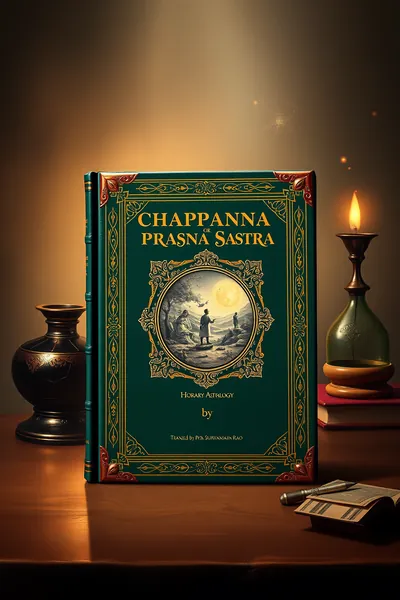
Chappanna or Prasna Sastra (Horary Astrology)

Chappanna or Prasna Sastra (Horary Astrology)

This text, attributed to an Unknown author, delves into the specialized branch of horary astrology known as Prasna Sastra, or Chappanna. It focuses on answering specific questions based on the moment the query is posed, rather than a birth chart. The book provides methodologies for casting and interpreting horary charts, offering insights into practical applications for daily life concerns. It is a valuable resource for advanced astrology students seeking to master this intricate predictive technique within the broader esoteric sciences.

Account Of South African Sangomas Using The Synthetic Hallucinogen 2 C B For Divination As An Alternative To Sacred Visionary Plants African T

Account Of South African Sangomas Using The Synthetic Hallucinogen 2 C B For Divination As An Alternative To Sacred Visionary Plants African T

Authored by an Unknown researcher, this account explores the controversial use of the synthetic hallucinogen 2C-B by South African Sangomas for divination purposes. It examines how this modern substance is being employed as an alternative to traditional sacred visionary plants in their spiritual practices. The text offers a unique, albeit challenging, perspective on the evolving methods of divination and altered states of consciousness in indigenous spiritual traditions, highlighting intersections between ethnobotany, pharmacology, and esoteric practices.

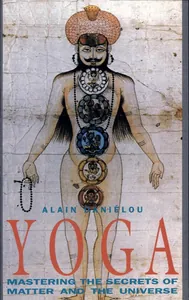
Yoga

Yoga

Alain Daniélou's 'Yoga' provides a scholarly and comprehensive exploration of the philosophical and historical dimensions of yoga, drawing heavily from classical Sanskrit texts. This book delves into the various schools of yoga, including Hatha Yoga, Raja Yoga, and Kundalini Yoga, placing them within their traditional Indian contexts. Daniélou, a renowned Indologist, offers a deep understanding of yoga's spiritual aims, its relationship with Hindu philosophy, and its evolution over centuries, making it an essential read for serious students of the subject.

Astrology Books by B Suryanarayana Row

Astrology Books by B Suryanarayana Row

by B Suryanarayana Row

This collection compiles various astrological writings by B Suryanarayana Row, a renowned authority on Vedic astrology. It offers deep insights into the intricate calculations, interpretations, and predictive methods of Indian astrology, drawing from ancient texts and traditional knowledge. Readers will find detailed explanations of planetary influences, house divisions, and the impact of celestial bodies on human destiny, making it a comprehensive resource for students of jyotish. While not directly Hatha Yoga, it explores the broader esoteric traditions of India.

Light on Yoga

Light on Yoga

by B. K. S. Iyengar

This seminal work by B. K. S. Iyengar, first published in 1966, is an exhaustive guide to Hatha Yoga, detailing over 200 asanas and 14 pranayama techniques. Iyengar meticulously illustrates each posture with precise instructions and photographic demonstrations, making it an invaluable resource for practitioners of all levels. The book emphasizes alignment, the therapeutic benefits of yoga, and its philosophical underpinnings, significantly contributing to the global popularization of Hatha Yoga. It provides structured sequences and modifications to build strength, flexibility, and mental clarity through dedicated practice.

Light on Yoga

Light on Yoga

This second entry for 'Light on Yoga' by B. K. S. Iyengar underscores its profound importance as a cornerstone text for Hatha Yoga practitioners. Beyond its detailed instruction on over 200 asanas and 14 pranayama techniques, the book serves as a philosophical treatise, guiding students toward a deeper understanding of yoga's ethical and spiritual dimensions. Iyengar’s precise methodology and comprehensive approach have made this work an enduring classic, influencing countless teachers and students worldwide in their personal yoga journeys.

2,100 Asanas

2,100 Asanas

'2,100 Asanas: The Complete Yoga Poses' by Daniel Lacerda is an extensive visual compendium of yoga postures. This comprehensive guide showcases an incredible diversity of asanas, from foundational to advanced, across various styles of Hatha Yoga. Each pose is typically accompanied by a photograph and often includes variations or modifications, making it an invaluable reference for exploring a vast repertoire of physical postures. It serves as an inspiring resource for expanding one's physical yoga practice.

ERIC ED417127: The Esalen Catalog, 1993-1997.

ERIC ED417127: The Esalen Catalog, 1993-1997.

by ERIC

This document, part of the ERIC (Education Resources Information Center) collection, presents the Esalen Catalog spanning the years 1993 to 1997. It offers a fascinating historical snapshot of the diverse programs, workshops, and facilitators at the Esalen Institute, a renowned center for human potential. The catalog details offerings in areas such as mind-body practices, psychological exploration, spiritual development, and alternative therapies, providing insight into the cultural landscape of holistic and esoteric pursuits during that period, including various forms of yoga.

Yoga Class

Yoga Class

Gary Bromley's 'Yoga Class' likely offers a practical guide to participating in and understanding a typical yoga session, making it accessible for beginners. This book would typically cover basic postures, breathing exercises, and the structure of a class, helping newcomers feel comfortable and confident. It aims to demystify the experience of attending a yoga class, providing tips on etiquette, modifications for different abilities, and an introduction to the fundamental principles of Hatha Yoga practice in a group setting.

Yoga Class

Yoga Class

This second edition or variant of Gary Bromley's 'Yoga Class' continues to serve as an accessible introduction for individuals looking to begin their yoga journey. It provides clear, step-by-step instructions for fundamental Hatha Yoga poses and breathing techniques, often accompanied by illustrations. The book is designed to guide readers through the basics of a yoga class, offering practical advice on alignment, modifications, and how to build a consistent practice at home or in a studio environment, fostering a comfortable entry into yoga.

Kundalini

Kundalini

Gopi Krishna's 'Kundalini: The Evolutionary Energy in Man' offers a personal and profound account of his own awakening experience of Kundalini energy. This autobiographical narrative delves into the transformative and often challenging process of this spiritual phenomenon, which is a central concept in advanced Hatha Yoga and Tantra. Krishna describes the physiological and psychological changes he underwent, providing a unique first-person perspective on a powerful esoteric force. His work is a significant contribution to the literature on Kundalini awakening.

Ashtanga Yoga

Ashtanga Yoga

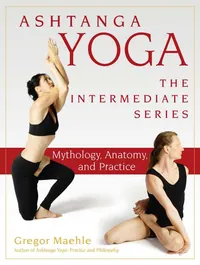
Gregor Maehle's 'Ashtanga Yoga: Practice and Philosophy' offers an in-depth exploration of the Ashtanga Vinyasa system, a dynamic style rooted in Hatha Yoga. The book meticulously breaks down the primary and intermediate series, providing detailed instructions for each posture, along with insights into breathing, gazing points (drishti), and energy locks (bandhas). Maehle also delves into the philosophical underpinnings of Ashtanga, connecting the physical practice to the broader yogic tradition, making it a comprehensive guide for dedicated practitioners.

Taoist Yoga

Taoist Yoga

Kʻuan Yü Lu's 'Taoist Yoga: Alchemy and Immortality' is a profound text that explores the esoteric practices of Taoist internal alchemy, often referred to as 'Taoist Yoga.' The book delves into ancient Chinese methods for cultivating internal energy (chi), transforming consciousness, and achieving spiritual immortality. It outlines specific breathing exercises, meditations, and visualizations designed to circulate and refine vital essence, offering a unique Eastern perspective on energy work that parallels some of the energetic goals found in Indian Hatha Yoga traditions.

Yoga Anatomy

Yoga Anatomy

'Yoga Anatomy' by Leslie Kaminoff and Amy Matthews is an essential resource for understanding the physiological mechanics of yoga postures. This book provides detailed anatomical illustrations and explanations of how muscles, bones, and joints are engaged in various asanas. It offers insights into how individual body variations affect practice and how to modify poses for safety and effectiveness. By demystifying the body's movements, it empowers practitioners to deepen their Hatha Yoga practice with greater awareness and precision.

Yoga Body

Yoga Body

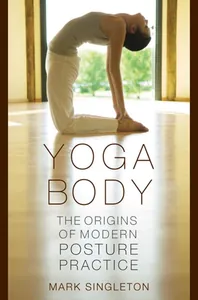
Mark Singleton's 'Yoga Body: The Origins of Modern Posture Practice' is a groundbreaking academic work that critically examines the historical development of modern postural yoga, including many aspects commonly associated with Hatha Yoga. Published in 2010, the book challenges conventional narratives by tracing the influences of Western physical culture, gymnastics, and early 20th-century nationalism on what is now recognized as yoga. It offers a compelling, research-based perspective on how contemporary Hatha Yoga practices evolved.

Yoga Over 40

Yoga Over 40

'Yoga Over 40' by Michael Volin and Nancy Creagh Phelan is specifically designed for individuals seeking to adapt their yoga practice to the needs of an aging body. The book offers gentle yet effective Hatha Yoga routines that focus on maintaining flexibility, strength, balance, and joint health. It provides modifications for common physical limitations and emphasizes the therapeutic benefits of yoga for improved mobility and vitality in later life, making yoga accessible and beneficial for mature practitioners.

Haṭha-Yoga

Haṭha-Yoga

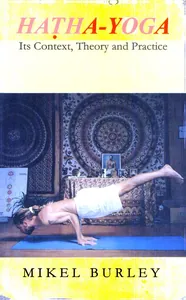
Mikel Burley's 'Haṭha-Yoga: Its Context, Theory and Practice' offers a scholarly and detailed examination of Hatha Yoga, exploring its historical origins, philosophical underpinnings, and practical application. The book draws on classical Hatha Yoga texts like the Hatha Yoga Pradipika and Gheranda Samhita, providing a rigorous analysis of its various techniques, including asanas, pranayama, mudras, and bandhas. Burley contextualizes Hatha Yoga within the broader tantric and yogic traditions, making it a valuable resource for in-depth study.

Yoga Animals

Yoga Animals

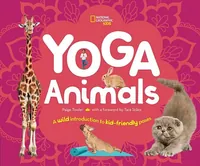
'Yoga Animals' by Paige Towler offers a delightful and engaging introduction to yoga, particularly suitable for children or those seeking a playful approach. The book likely uses animal-inspired Hatha Yoga poses to teach basic movements, flexibility, and mindfulness in a fun and imaginative way. It encourages creative movement and body awareness, making the principles of yoga accessible through relatable and enjoyable activities, fostering a positive early experience with physical practice and imaginative play.

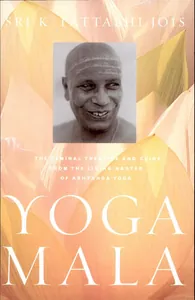
Yoga Mala

Yoga Mala

'Yoga Mala' is the foundational text of Ashtanga Vinyasa Yoga, written by its founder, Sri K. Pattabhi Jois. Published in 1962, the book meticulously outlines the primary series of Ashtanga, known as Yoga Chikitsa, which means 'yoga therapy.' Jois explains the philosophy, methodology, and benefits of this dynamic style, emphasizing the synchronization of breath (vinyasa) with movement, and the importance of drishti (gazing points) and bandhas (energy locks). It is an essential guide for serious students of Ashtanga and Hatha Yoga.

Prānāyāma

Prānāyāma

Swami Ramdev's 'Prānāyāma' is a practical guide dedicated to the art and science of breath control, a core component of Hatha Yoga. This book provides clear instructions and benefits for various pranayama techniques, such as Kapalbhati, Anulom Vilom, and Bhastrika. Swami Ramdev, a widely recognized yoga guru, emphasizes the profound physical and mental health benefits of these breathing exercises, including stress reduction and improved respiratory function. It serves as an accessible manual for integrating conscious breathing into daily life.

Kundalini

Kundalini

Swami Sivananda Radha's 'Kundalini: Yoga for the West' is a comprehensive guide tailored for Western practitioners seeking to understand and work with Kundalini energy. Building upon her lineage from Swami Sivananda, this book demystifies the complex concept of Kundalini, offering practical techniques and meditations for its safe awakening and integration. It explores the chakras, nadis, and the spiritual journey associated with this powerful energy, providing a balanced approach that respects both traditional teachings and modern understanding within the context of Hatha Yoga.

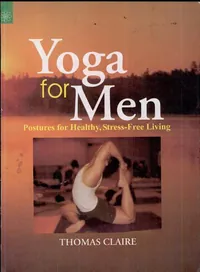
Yoga for Men

Yoga for Men

Thomas Claire's 'Yoga for Men' addresses the specific needs and common misconceptions men often have about starting a yoga practice. The book provides accessible routines and modifications tailored to typical male physiology, which often includes less flexibility in certain areas. It aims to break down barriers, introducing men to the physical and mental benefits of Hatha Yoga, such as increased strength, improved athletic performance, and stress relief, offering a practical and encouraging guide for male beginners.

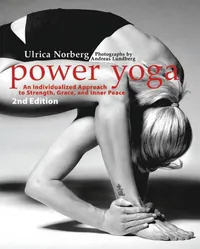
Power Yoga

Power Yoga

Ulrica Norberg's 'Power Yoga' introduces readers to this dynamic and vigorous style of yoga, which is largely derived from Ashtanga Vinyasa Yoga and thus rooted in Hatha Yoga principles. The book emphasizes building strength, stamina, and flexibility through flowing sequences of postures synchronized with the breath. Norberg provides detailed instructions for a challenging yet accessible practice, highlighting the physical and mental benefits of Power Yoga, including increased energy, improved cardiovascular health, and stress reduction, making it popular for fitness enthusiasts.

OM Yoga

OM Yoga

This work, by an Unknown author, likely explores the principles and practices associated with 'OM Yoga,' a style often characterized by its emphasis on vinyasa flow, alignment, and the chanting of the sacred 'Om' mantra. While specific details can vary, OM Yoga typically integrates physical postures with breathwork and meditative elements, aiming to create a balanced and energizing practice. It represents a modern lineage that builds upon the foundational principles of Hatha Yoga, offering a dynamic approach to self-discovery.

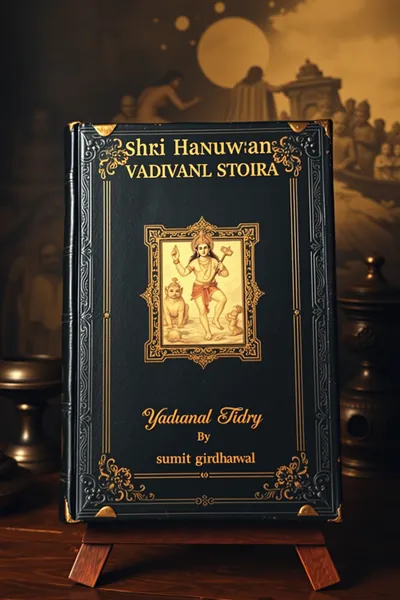
shri-hanuman-vadvanal-stotra-in-hindi-sanskrit-and-english-pdf

shri-hanuman-vadvanal-stotra-in-hindi-sanskrit-and-english-pdf

by sumit girdharwal

This PDF document presents the sacred Shri Hanuman Vadvanal Stotra, a powerful hymn dedicated to Lord Hanuman, in three languages: Hindi, Sanskrit, and English. It includes the original Sanskrit verses, their transliteration, and a full English translation, making it accessible to a wide audience. The stotra is traditionally chanted for protection, strength, and overcoming obstacles, reflecting a devotional aspect of Hindu spiritual practices. While not Hatha Yoga, it represents a significant piece of devotional literature within the broader Indian spiritual tradition.

Esoteric Library
Browse Esoteric Library
📚 All 52,000+ Books 🜍 Alchemy & Hermeticism 🔮 Magic & Ritual 🌙 Witchcraft & Paganism Astrology & Cosmology 🃏 Divination & Tarot 📜 Occult Philosophy ✡️ Kabbalah & Jewish Mysticism 🕉️ Mysticism & Contemplation 🕊️ Theosophy & Anthroposophy 🏛️ Freemasonry & Secret Societies 👻 Spiritualism & Afterlife 📖 Sacred Texts & Gnosticism 👁️ Supernatural & Occult Fiction 🧘 Spiritual Development 📚 Esoteric History & Biography
Esoteric Library
📑 Collections 📤 Upload Your Book
Account
🔑 Sign In Create Account
Info
About Esoteric Library