Rudyard Kipling
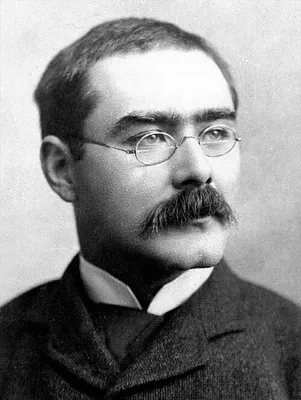
Rudyard Kipling was a celebrated English author, born in India, known for his vivid stories and poems, and a Nobel laureate.
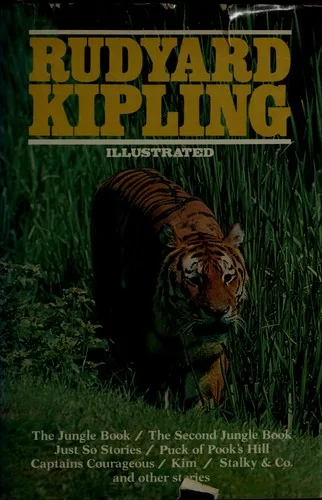
Joseph Rudyard Kipling (1865–1936) was an English journalist, novelist, poet, and short-story writer, born in British India, which significantly influenced his literary output. His prolific career produced iconic works such as "The Jungle Book" duology, "Kim," and numerous short stories and poems, establishing him as an innovator in the short story form. He was recognized as one of the United Kingdom's most popular writers in the late 19th and early 20th centuries, receiving the Nobel Prize in Literature in 1907, making him its youngest recipient at the time. Despite his acclaim, Kipling's legacy has been subject to evolving interpretations, particularly concerning his engagement with the British Empire, though his narrative skill and role as an interpreter of the imperial experience remain acknowledged.
Early Life and Influences
Born in Bombay, British India, Rudyard Kipling's parents, Alice and John Lockwood Kipling, were deeply connected to Indian life and culture, with his father serving as Principal at the Sir J. J. School of Art. This upbringing, immersed in the "vernacular idiom that one thought and dreamed in," profoundly shaped his identity and later writings. However, at the age of five, he and his sister were sent to England for education, enduring a period of neglect and harsh treatment that he later described as "calculated torture." This experience, alongside brief, cherished visits to relatives like the artist Edward Burne-Jones, instilled in him a complex sense of belonging and contributed to his early literary efforts.
Literary Career and Recognition
Kipling's return to India in his late teens marked a pivotal moment, leading him to a career in journalism for newspapers like the Civil and Military Gazette. This period fueled his prolific writing, resulting in his first poetry collection, "Departmental Ditties," and numerous short stories. His distinctive narrative voice and imaginative storytelling quickly gained widespread popularity. He was lauded by contemporaries like Henry James as a "man of genius" and achieved significant recognition, including the Nobel Prize in Literature in 1907. Despite being offered prestigious honors such as the Poet Laureateship and a knighthood, he declined both.
Enduring Legacy and Interpretation
Kipling's reputation has been subject to re-evaluation over time, reflecting shifts in social and political landscapes. While his works, including "The Jungle Book" and "Kim," remain classics, his association with the British Empire has led to contrasting views. Literary critics acknowledge him as a significant interpreter of the imperial experience, recognizing his "extraordinary narrative gifts." His place in literary history continues to be debated, but his skill as a storyteller and his complex portrayal of life within the empire ensure his continued relevance and impact.
Key Ideas
- Complexities of identity and national allegiance for those born in British India.
- The influence of childhood experiences, including trauma and neglect, on literary development.
- The role of narrative and storytelling in interpreting cultural and imperial experiences.
Notable Quotes
“Dullness and Mrs Kipling cannot exist in the same room.”
“Kipling strikes me personally as the most complete man of genius, as distinct from fine intelligence, that I have ever known.”
“the House of Desolation”
“If you cross-examine a child of seven or eight on his day's doings (specially when he wants to go to sleep) he will contradict himself very satisfactorily. If each contradiction be set down as a lie and retailed at breakfast, life is not easy. I have known a certain amount of bullying, but this was calculated torture – religious as well as scientific. Yet it made me give attention to the lies I soon found it necessary to tell: and this, I presume, is the foundation of literary effort.”
“a paradise which I verily believe saved me”
Books by Rudyard Kipling
20 free public domain books · Read online or download