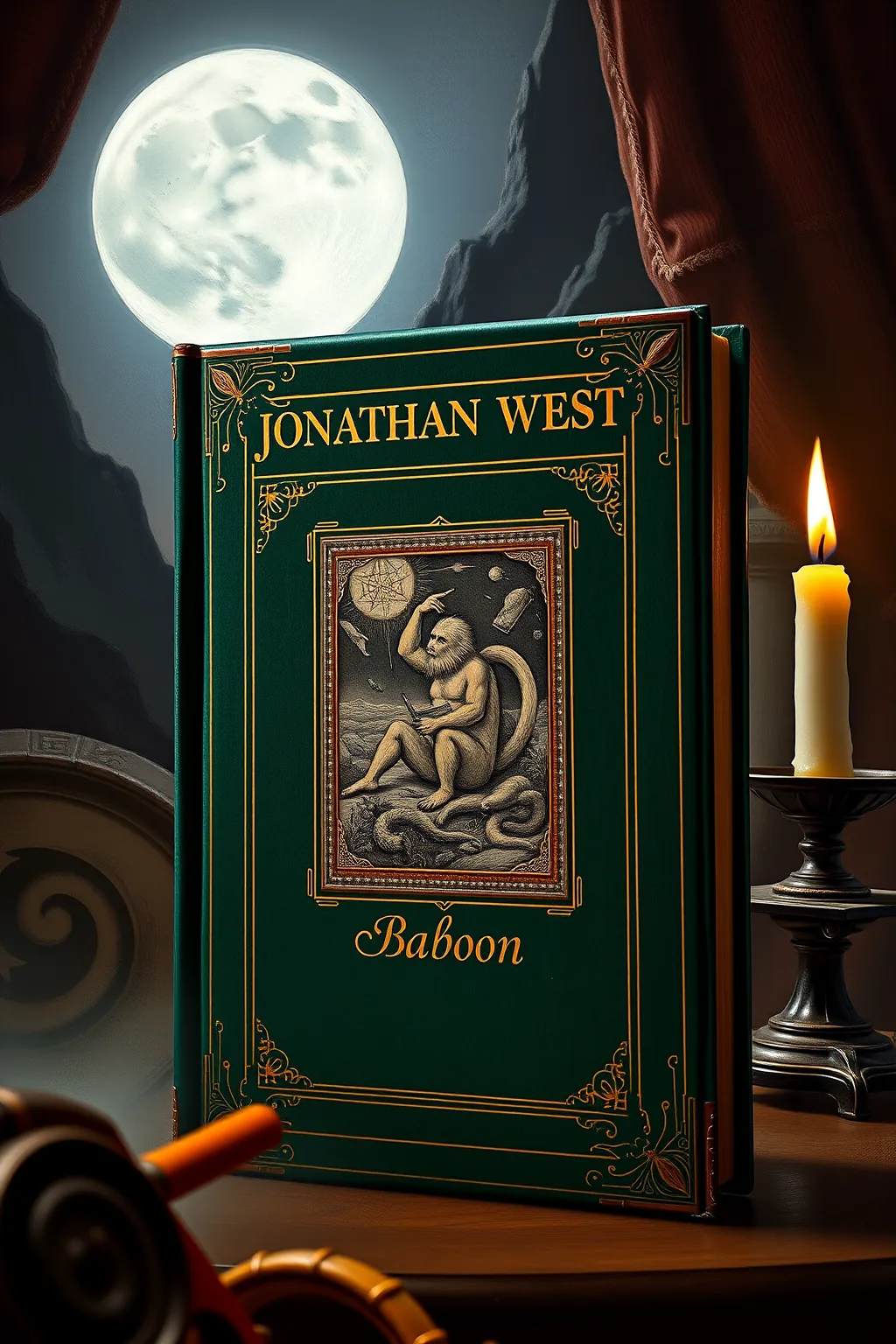
Jonathan West Madame Blavatsky's Baboon
 82
82

Jonathan West Madame Blavatsky's Baboon

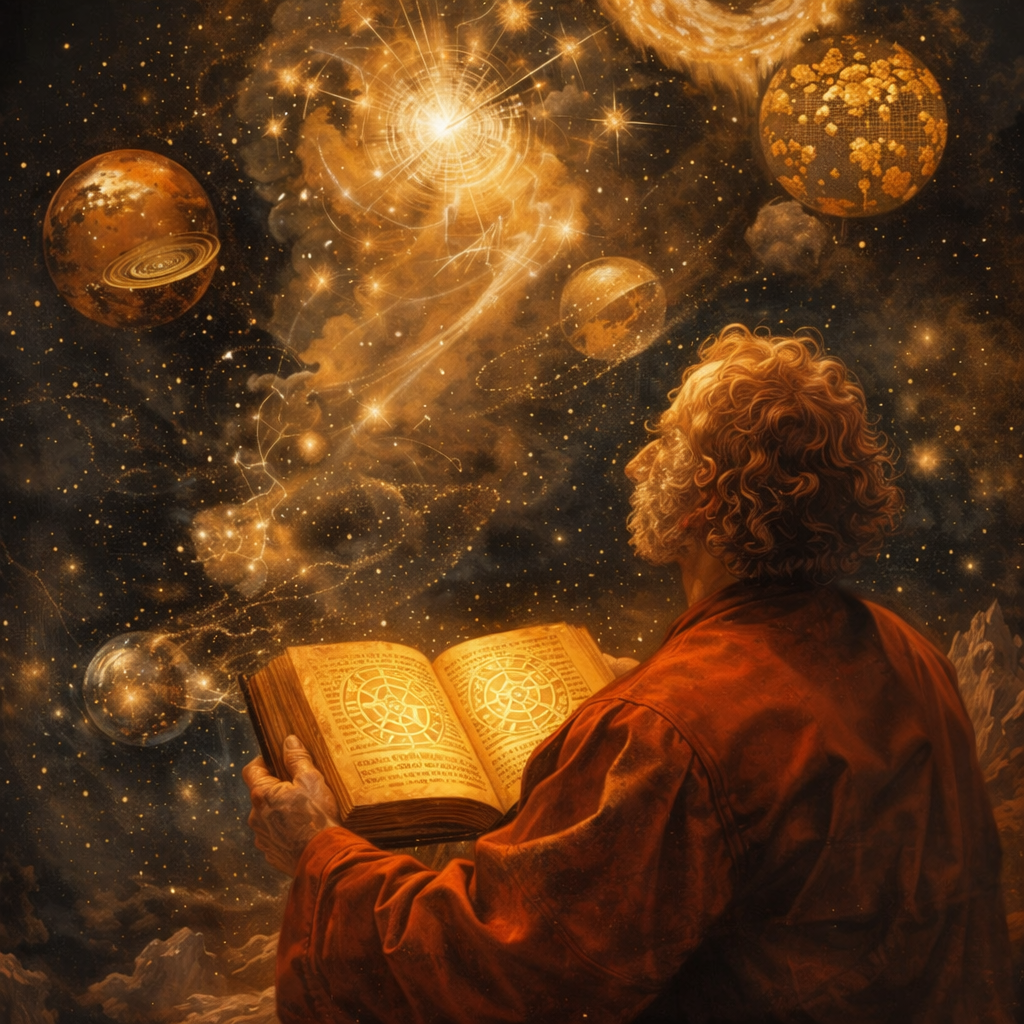

'Madame Blavatsky's Baboon' by Jonathan West is a captivating exploration of one of the most influential figures in esoteric history. West masterfully weaves together historical context, spiritual teachings, and personal anecdotes to paint a vivid portrait of Madame Blavatsky and her impact on the occult world. The book is particularly valuable for modern esoteric seekers, providing a comprehensive overview of Theosophy and Anthroposophy, and their enduring relevance in today's spiritual landscape. West's meticulous research and engaging narrative style make this book an essential read for anyone interested in the mystical traditions that continue to inspire and intrigue.
📝 Description
82
Madame Blavatsky's Baboon, published anonymously in the late 19th century, examines her esoteric teachings.
This anonymous book from the late 1800s investigates the esoteric teachings of Helena Blavatsky. It connects Eastern mystical traditions with Western occultism, detailing hidden knowledge and symbolism. The work places readers within the atmosphere of the Theosophical Society, which Blavatsky co-founded with Colonel Henry Olcott.
The text challenges established thinking by encouraging contemplation of universal mysteries and underlying forces. It aims to illuminate the philosophical aspects of hidden brotherhoods and ancient wisdom Blavatsky described. The book is suited for those interested in spiritual enlightenment and esoteric truths.
This work emerges from the late 19th century occult revival, a period marked by intense interest in spiritualism and Eastern philosophies filtered through Western occult frameworks. Madame Blavatsky herself was a central figure in this milieu, her Theosophical Society aiming to synthesize these diverse streams. The book's examination of her teachings reflects this specific historical moment, where claims of ancient secret knowledge and hidden masters were common.
💡 Why Read This Book?
Reading 'Madame Blavatsky's Baboon' today offers a unique opportunity to explore the roots of modern esoteric thought. The book provides valuable insights into the teachings of Theosophy and Anthroposophy, helping readers understand the spiritual practices and philosophies that have shaped contemporary esoteric movements. By delving into Blavatsky's life and work, readers gain a deeper appreciation for the interplay between Eastern and Western spiritual traditions, enriching their own spiritual journeys.
⭐ Reader Reviews
Honest opinions from readers who have explored this book.
❓ Frequently Asked Questions
What is the main focus of Madame Blavatsky's Baboon?
The main focus is the life and teachings of Madame Helena Petrovna Blavatsky, co-founder of the Theosophical Society, and her influence on esoteric and occult movements.
Who should read this book?
This book is ideal for readers interested in esoteric history, occult practices, and the intersection of Eastern and Western spiritual traditions.
What will readers gain from this book?
Readers will gain a deeper understanding of Theosophy and Anthroposophy, as well as insights into the spiritual and historical context that shaped Blavatsky's teachings.
🔮 Key Themes & Symbolism
Eastern Wisdom and Western Occultism
Madame Blavatsky's Baboon looks at the fusion of Eastern spiritual traditions and Western occultism, presenting a unique and compelling narrative that challenges conventional thought. The book explores the hidden knowledge and symbolism that Blavatsky claimed to unveil, inviting readers to ponder the mysteries of the universe and the hidden forces that govern it.
Hidden Knowledge and Symbolism
The book is rich in symbolism and hidden knowledge, offering insights into the esoteric teachings of Blavatsky. It looks at the mystical traditions of the Theosophical Society, founded by Blavatsky and Colonel Henry Olcott, and explores the philosophical significance of their teachings. Readers will find a deep exploration of the hidden brotherhoods and ancient mysteries that Blavatsky claimed to reveal.
Philosophical Significance of Blavatsky's Teachings
Madame Blavatsky's Baboon challenges conventional thought and invites readers to explore the deeper mysteries of the universe. The book's philosophical underpinnings are rooted in the mystical traditions of Eastern wisdom and Western occultism, providing a profound and transformative reading experience for seekers of esoteric truths.
💬 Memorable Quotes
Direct passages from the work, attributed to the author.
“The path to enlightenment is a journey into the self.”
— Blavatsky's teachings emphasize the importance of self-discovery and inner wisdom.
“Eastern wisdom and Western occultism converge in the search for truth.”
— Blavatsky's fusion of Eastern and Western traditions is central to her mystical teachings.
💡 Key Ideas
Editorial paraphrase of the work's core concepts — not direct quotes.
The mysteries of the universe are hidden in plain sight.
This quote underscores Blavatsky's belief in the hidden knowledge that surrounds us.
The Hidden Brotherhood holds the keys to ancient mysteries.
This quote highlights Blavatsky's claim of a secret society with profound esoteric knowledge.
The universe is governed by hidden forces that shape our reality.
This quote emphasizes the mystical and esoteric underpinnings of Blavatsky's philosophy.
🌙 Esoteric Significance
Tradition
Madame Blavatsky's Baboon belongs to the esoteric tradition of Theosophy, which blends Eastern spiritual teachings with Western occultism. This tradition emphasizes the search for hidden knowledge and the exploration of mystical realms.
Symbolism
Key symbols in the book include the Hidden Brotherhood, ancient mysteries, and the fusion of Eastern and Western traditions. These symbols represent the esoteric teachings and philosophical underpinnings of Blavatsky's mystical worldview.
Modern Relevance
The book's teachings remain relevant today, influencing modern practitioners of Theosophy and other esoteric traditions. It offers insights into the hidden knowledge and symbolism that continue to fascinate seekers of mystical truths.
👥 Who Should Read This Book
Beginners interested in theosophy and occultism will find Madame Blavatsky's Baboon to be an accessible and enlightening introduction to these mystical traditions. Scholars of esoteric studies will appreciate the book's deep exploration of Blavatsky's teachings and their historical context. Spiritual seekers will be inspired by the book's fusion of Eastern wisdom and Western occultism, while practitioners of the occult will find valuable insights into the hidden knowledge and symbolism that Blavatsky claimed to unveil.
📜 Historical Context
Written around the turn of the 20th century, Madame Blavatsky's Baboon emerged during a time of great spiritual and intellectual ferment. The late 19th and early 20th centuries saw a growing interest in Eastern spirituality and occultism in the West, driven by figures like Madame Helena Petrovna Blavatsky and Colonel Henry Olcott. The Theosophical Society, co-founded by Blavatsky and Olcott in 1875, attracted a wide following with its amalgam of Hinduism, Buddhism, and occult teachings. The book's importance lies in its exploration of these mystical traditions and their influence on Western thought.
📔 Journal Prompts
Reflect on the significance of hidden knowledge in your spiritual journey.
How does the fusion of Eastern wisdom and Western occultism influence your understanding of the universe?
Consider the role of symbolism in Blavatsky's teachings and its relevance to your own spiritual practices.
Explore the concept of the Hidden Brotherhood and its potential influence on modern esoteric traditions.
How do Blavatsky's teachings challenge your perceptions of reality and the mysteries of the universe?
🗂️ Glossary
Theosophy
A philosophical and religious movement that seeks to reconcile Eastern spiritual traditions with Western occultism.
Hidden Brotherhood
A secret society claimed by Blavatsky to hold ancient mystical knowledge and influence.
Eastern Wisdom
The spiritual and philosophical teachings of Eastern traditions such as Hinduism and Buddhism.
Western Occultism
The study of hidden knowledge and mystical practices in Western traditions.
Symbolism
The use of symbols to represent abstract ideas and mystical concepts in esoteric teachings.
This book appears in 2 collections
🔮 Readers Also Liked
Browse all →






From the “Theosophy” Collection
View all →




More Free Theosophy & Anthroposophy Books
View all →