 69
69

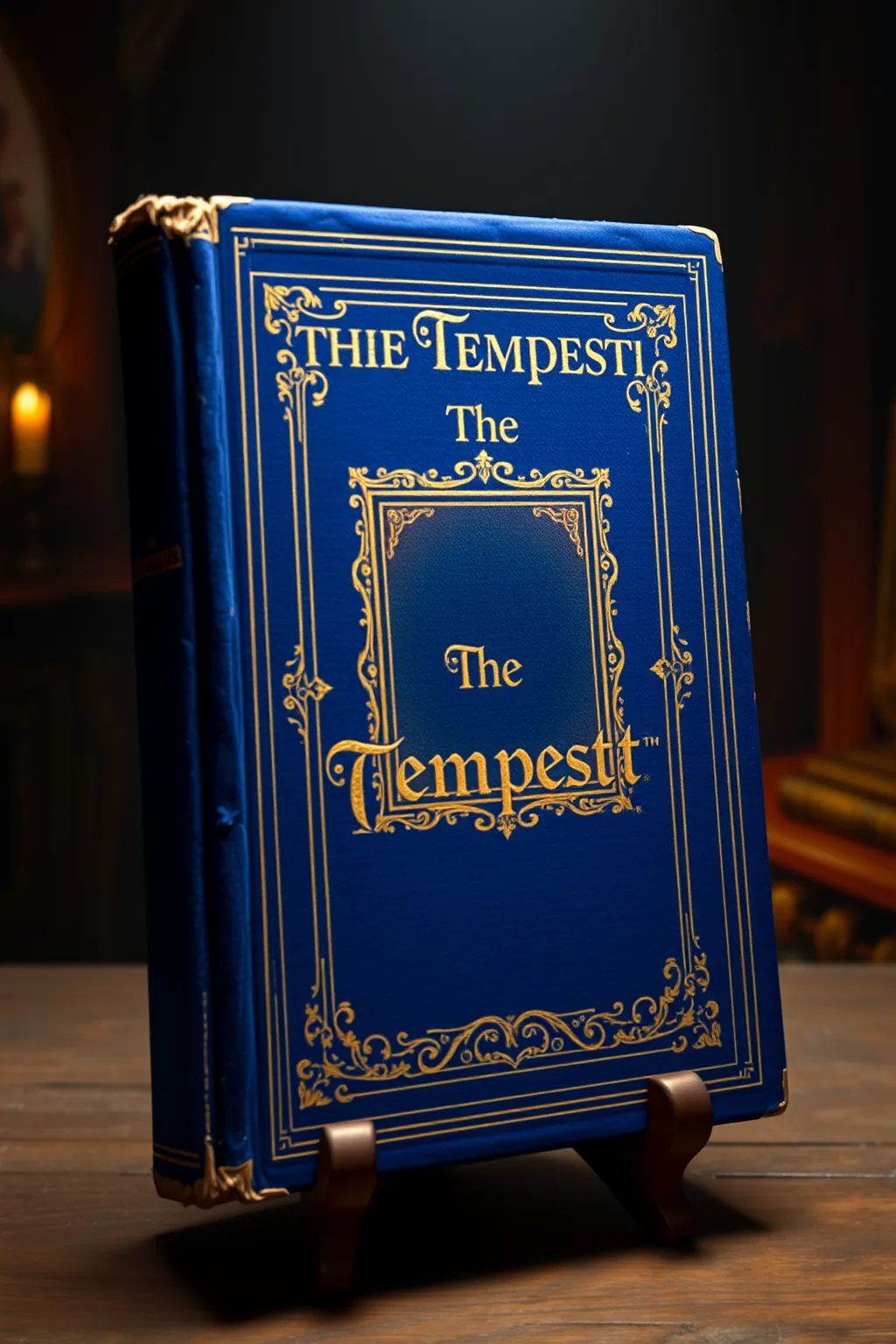
The Tempest

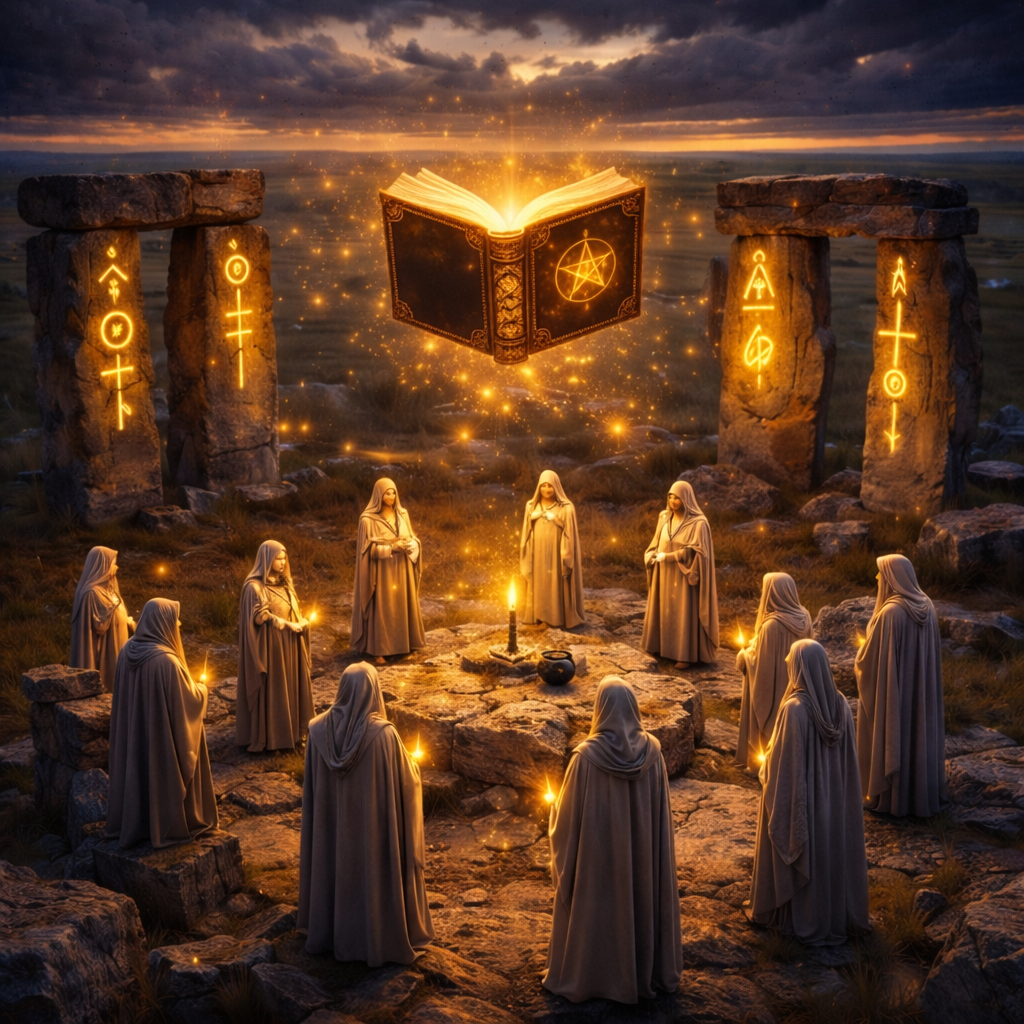

'The Tempest' by William Shakespeare is a masterpiece that seamlessly weaves together elements of drama, magic, and ritual, making it a treasure for modern esoteric seekers. The play's central figure, Prospero, serves as a fascinating study in the use of magic for both personal and political gain. His rituals and spells, while rooted in Renaissance folklore, resonate with contemporary occult practices, offering a bridge between historical magic and modern esotericism. The Tempest's exploration of themes such as power, redemption, and the supernatural makes it a valuable resource for anyone interested in the deeper dimensions of human experience. Prospero's journey from exile to reconciliation is a powerful narrative that underscores the transformative potential of magic and ritual. For those seeking to understand the esoteric underpinnings of Shakespeare's work, 'The Tempest' is an essential read. It not only enriches one's appreciation of literature but also provides a gateway to the mystical and the occult.
📝 Description
69
William Shakespeare's 'The Tempest,' written around 1610-1611, is a profound exploration of magic, ritual, and the intricate dynamics between fathers and daughters, set against the backdrop of a mysterious island. The play follows Prospero, a deposed duke and powerful magician, who uses his magical abilities to orchestrate a storm that shipwrecks his enemies on the island where he and his daughter Miranda have been living in exile. The Tempest delves into themes of power, forgiveness, and the supernatural, making it a rich source of esoteric and occult symbolism. For those interested in the occult, the play offers a deep dive into the rituals and magic practiced by Prospero, who embodies the archetype of the wise and benevolent magician. The Tempest is a must-read for anyone fascinated by the intersection of literature and the esoteric arts, providing a timeless exploration of the human condition and the mysteries of the universe. Whether you are a seasoned occultist or a curious newcomer, this play offers invaluable insights into the magical traditions of the Renaissance and their enduring relevance today.
✍️ Author
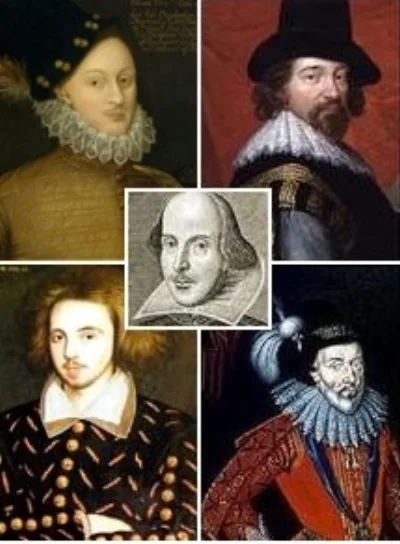
Shakespeare, William
The Shakespeare authorship question is the argument that someone other than William Shakespeare of Stratford-upon-Avon wrote the works attributed to him. Anti-Stratfordians—a collective term for adherents of the various alternative-authorship theories—beli…
💡 Why Read This Book?
Reading 'The Tempest' today offers a unique opportunity to delve into the rich tapestry of Renaissance magic and its enduring influence on modern esoteric practices. The play provides a vivid portrayal of magical rituals and their transformative power, making it an invaluable resource for occultists and seekers of hidden knowledge. Additionally, the themes of forgiveness, redemption, and the supernatural resonate deeply with contemporary readers, offering timeless insights into the human condition. For those interested in the intersection of literature and the occult, 'The Tempest' is a must-read that will enrich your understanding of both fields.
⭐ Reader Reviews
Honest opinions from readers who have explored this book.
❓ Frequently Asked Questions
What makes 'The Tempest' relevant to modern esoteric seekers?
'The Tempest' is rich in esoteric symbolism and magical rituals, providing a deep dive into Renaissance magic and its relevance to modern occult practices.
Who is the main character in 'The Tempest' and why is he important?
Prospero is the main character, a powerful magician and deposed duke who uses his magical abilities to seek justice and redemption.
What themes does 'The Tempest' explore that are relevant to the occult?
The play explores themes of power, forgiveness, and the supernatural, all of which are central to many occult traditions.
🔮 Key Themes & Symbolism
Magic and Ritual
The Tempest delves into the power of magic and ritual, exploring how these practices can transform both the individual and the world around them. Prospero's use of magic to control the elements and the spirits on the island highlights the esoteric knowledge required to harness such power.
Forgiveness and Redemption
The play's exploration of forgiveness and redemption is central to its mystical themes. Through the interactions between Prospero, Miranda, and the other characters, Shakespeare illustrates the transformative power of letting go of past wrongs and seeking reconciliation.
The Island as a Microcosm
The island serves as a microcosm of the universe, where natural and supernatural elements coexist. This setting allows Shakespeare to explore the interplay between different realms of existence and the hidden knowledge that governs them.
💬 Memorable Quotes
“We are such stuff as dreams are made on; and our little life is rounded with a sleep.”
— This quote underscores the ephemeral nature of human existence and the transformative power of dreams and magic.
“What's past is prologue.”
— This line emphasizes the importance of learning from the past to shape the future, a key theme in the play's exploration of redemption.
“Hell is empty and all the devils are here.”
— This quote highlights the presence of evil and temptation in the world, and the need for vigilance and self-control.
“Our revels now are ended. These our actors, as I foretold you, were all spirits and are melted into air, into thin air.”
— This passage underscores the transient nature of magical experiences and the need to appreciate their fleeting beauty.
“You taught me language; and my profit on't is, I know how to curse.”
— This line illustrates the dual nature of knowledge and language, which can be used for both creation and destruction.
🌙 Esoteric Significance
Tradition
'The Tempest' belongs to the Hermetic tradition, which emphasizes the unity of all things and the power of the individual to transform both themselves and the world around them through the use of esoteric knowledge and magical practices.
Symbolism
Key symbols include the island, representing a microcosm of the universe, and the magical staff, symbolizing the power to control natural and supernatural elements. The spirits Ariel and Caliban embody different aspects of the human condition and the interplay between freedom and constraint.
Modern Relevance
In modern times, 'The Tempest' continues to inspire practitioners of ritual magic and occult studies, offering insights into the transformative power of forgiveness, the interplay between natural and supernatural elements, and the quest for hidden knowledge.
👥 Who Should Read This Book
Beginners in the occult will find 'The Tempest' an accessible introduction to the mystical and esoteric themes that underlie much of Western literature. Scholars will appreciate the play's rich symbolism and philosophical depth. Spiritual seekers will be drawn to its exploration of forgiveness, redemption, and the transformative power of human relationships. Practitioners of ritual magic will find valuable insights into the use of magical practices to achieve personal and spiritual growth.
📜 Historical Context
Written during the Jacobean era, 'The Tempest' reflects the intellectual and cultural ferment of the time, blending elements of Renaissance humanism with emerging scientific and esoteric thought. The play's exploration of magic and ritual resonated with contemporary interests in alchemy, astrology, and the occult, making it a significant work in the development of mystical literature. Its influence can be seen in subsequent works that delve into the mysteries of the human psyche and the natural world.
📔 Journal Prompts
Reflect on a time when you experienced the transformative power of forgiveness.
How do the natural and supernatural elements in your life interact and influence each other?
Consider the role of hidden knowledge in your spiritual journey.
Explore the symbolism of an island in your personal mythology.
How does the interplay between freedom and constraint manifest in your daily life?
🗂️ Glossary
Hermetic Tradition
A philosophical and spiritual tradition that emphasizes the unity of all things and the power of the individual to transform themselves and the world through esoteric knowledge and magical practices.
Alchemy
An ancient practice that seeks to transform base metals into gold, often symbolizing the transformation of the self through spiritual and esoteric means.
Astrology
The study of the movements and relative positions of celestial bodies interpreted as having an influence on human affairs and the natural world.
Occult
Knowledge or practices that are hidden or secret, often involving mystical or supernatural elements.
Ritual Magic
The use of ritual practices to achieve specific magical or spiritual goals, often involving the invocation of spirits or the manipulation of natural elements.
![Faust: a Tragedy [part 1], Translated from the German of Goethe](/img/thumb/faust-a-tragedy-part-1-translated-from-the-german-of-goethe-goethe-johann-wolfgang-von.webp)
![The Tempest: The Works of William Shakespeare [Cambridge Edition] [9 vols.]](/img/thumb/the-tempest-the-works-of-william-shakespeare-cambridge-edition-9-vols-shakespeare-william.webp)
![Faust [part 1]. Translated Into English in the Original Metres](/img/thumb/faust-part-1-translated-into-english-in-the-original-metres-goethe-johann-wolfgang-von.webp)