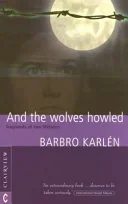
And the Wolves Howled
 78
78

And the Wolves Howled
Barbro Karlén’s 'And the Wolves Howled' is less a straightforward autobiography and more a profound, albeit unconventional, spiritual testament. The author’s claim of past-life remembrance as Anne Frank is arresting, demanding the reader’s attention from the outset. Karlén navigates this extraordinary assertion with a calm sincerity that lends weight to her narrative. A particular strength lies in her detailed descriptions of present-day sensations and memories that she directly links to her alleged prior life, such as the visceral fear associated with confinement. However, the book's reliance on personal conviction over external corroboration might leave skeptical readers wanting. The passages detailing Sara Carpenter’s feelings of persecution, even in contemporary settings, are particularly poignant and illustrative of the book's central thesis. The work offers a unique perspective on how historical trauma might be understood through the lens of reincarnation. It’s a challenging read that prompts deep reflection on identity and memory.
📝 Description
78
Barbro Karlén claimed in 2000 to remember a past life as Anne Frank.
And the Wolves Howled recounts, in the third person under the name Sara Carpenter, Barbro Karlén's assertion of having been Anne Frank in a previous existence. The narrative details Sara's present-day life and memories, which she interprets as echoes of her time as the diarist. This perspective frames the book as an examination of identity, the persistence of memory, and the lasting impact of historical trauma across lifetimes.
The work invites readers to consider how extreme historical suffering might shape an individual's psyche and lived experience across successive lives. It touches upon the nature of consciousness, the retention of memories beyond physical death, and the potential for past-life recall to inform present understanding. The book's premise directly engages with the well-known story of Anne Frank, using it as a lens through which to explore these spiritual and psychological themes.
Published in 2000, the book emerged during a period of growing interest in reincarnation and spiritual regression therapies. It aligns with esoteric traditions that posit the continuity of consciousness beyond physical death and the possibility of accessing memories from prior existences. Karlén's work intersects with New Age philosophies that explore the soul's evolution and the influence of past experiences on present circumstances, particularly when those experiences involve significant historical events.
💡 Why Read This Book?
• Gain insight into the concept of past-life memory recall as presented by an individual claiming to be Anne Frank, offering a unique perspective on historical trauma. • Explore the psychological implications of alleged reincarnation, specifically how the author connects present-day experiences to her purported previous existence as Anne Frank. • Understand the intersection of Holocaust remembrance and esoteric belief systems, examining how 'And the Wolves Howled' frames historical suffering through a spiritual lens.
⭐ Reader Reviews
Honest opinions from readers who have explored this book.
❓ Frequently Asked Questions
Is 'And the Wolves Howled' a factual autobiography of Anne Frank?
No, 'And the Wolves Howled' is presented as an autobiography of Barbro Karlén, who claims to have memories of a past life as Anne Frank. It is written in the third person, using the name Sara Carpenter for the persona recounting these memories.
What is the main premise of 'And the Wolves Howled'?
The central premise is Barbro Karlén's assertion of remembering her past life as Anne Frank, the Jewish girl who documented her experiences in hiding during the Holocaust. The book explores these memories and their impact on her present life.
When was 'And the Wolves Howled' first published?
The book 'And the Wolves Howled' by Barbro Karlén was first published on January 1, 2000.
Who is Sara Carpenter in the context of this book?
Sara Carpenter is the name used in the third-person narrative of 'And the Wolves Howled' to represent the author, Barbro Karlén, while recounting her claimed past-life memories as Anne Frank.
What subjects does 'And the Wolves Howled' cover?
The book covers autobiography, past-life regression, reincarnation, Holocaust remembrance, and explores themes of identity, memory, and spiritual continuity across lifetimes.
Is Barbro Karlén the same person as Anne Frank?
Barbro Karlén identifies herself in 'And the Wolves Howled' as having been Anne Frank in a previous life. The book is her personal account of these purported memories and experiences.
🔮 Key Themes & Symbolism
Past-Life Recall as Anne Frank
The central theme is Barbro Karlén's profound belief and detailed recollection of having been Anne Frank in a previous existence. The narrative, presented through the persona of Sara Carpenter, meticulously recounts memories and feelings she attributes to Frank's life, including the terror of hiding and the persecution. This theme challenges conventional understandings of identity by suggesting consciousness and memory can transcend physical death, offering a unique lens through which to view the enduring impact of historical figures and events.
Trauma Transference Across Lifetimes
The book explores how deeply ingrained trauma, particularly from an event as horrific as the Holocaust, might manifest in subsequent lives. Karlén details present-day anxieties, fears, and psychological sensitivities that she directly links to her alleged past life as Anne Frank. This concept suggests that the psychic imprints of extreme suffering can persist, influencing an individual's present reality and their perception of the world, thereby offering a spiritual framework for understanding intergenerational or trans-personal trauma.
Identity and Continuity of Self
Karlén's work directly confronts questions of personal identity and the continuity of the self beyond a single lifespan. By claiming to be Anne Frank, she blurs the lines between past and present, exploring how an individual's core essence might persist across multiple incarnations. The narrative questions what constitutes the 'self' – is it solely the sum of one's current life experiences, or does it encompass memories and lessons from previous existences? This exploration invites readers to consider the many-sided nature of consciousness and identity.
Memory and Historical Witnessing
The book acts as a unique form of historical witnessing, albeit through the controversial framework of past-life memory. Karlén's account offers a deeply personal and subjective interpretation of the Anne Frank story, presenting memories that are not found in the historical record. This raises questions about the nature of memory itself – its reliability, its persistence, and its potential to connect individuals across time. The work prompts reflection on how we understand and engage with history, especially through personal testimony and lived experience, even when that experience is claimed from a prior life.
💬 Memorable Quotes
Direct passages from the work, attributed to the author.
“My life is a continuation of Anne Frank's.”
— This statement captures the core assertion of the book, positioning Karlén's present existence not as an independent narrative but as a direct echo and continuation of Anne Frank's experiences and consciousness.
“The walls of the annex are still with me.”
— This interpretation of a concept from the book illustrates how environmental and situational memories from a past life are believed to persist. It suggests a deep, internalized connection to specific places and experiences of confinement.
“My soul remembers the war.”
— This interpretation conveys the idea that memory is not solely a function of the brain but a deeper, spiritual attribute. It suggests that the soul carries the imprint of profound historical events like the Holocaust.
💡 Key Ideas
Editorial paraphrase of the work's core concepts — not direct quotes.
I remembered the fear of being discovered.
This paraphrased concept highlights the visceral nature of Karlén's claimed past-life memories. It suggests that traumatic emotions and sensory experiences can be retained and recalled across lifetimes, influencing present-day feelings and perceptions.
I understood Anne's longing for freedom.
This paraphrased concept points to an empathetic connection and shared consciousness with Anne Frank. It suggests that the author feels not only the fear but also the desires and aspirations of her alleged past-life self.
🌙 Esoteric Significance
Tradition
The work aligns with traditions exploring reincarnation and the continuity of consciousness, particularly within New Age and certain Theosophical frameworks that posit the soul's journey through multiple lifetimes. It departs from purely historical or psychological interpretations of trauma by framing experiences through a spiritual lens of karmic patterns or soul memory. While not explicitly tied to a single codified esoteric system like Kabbalah or Hermeticism, it taps into a universal esoteric concept of the soul retaining experiences and lessons across incarnations.
Symbolism
The 'wolf' in the title can symbolize primal instincts, survival, and a connection to wildness or the untamed aspects of the psyche, perhaps reflecting the author's perceived raw survival instincts or the ferocity of her spirit. The 'howling' suggests a cry, a lament, or a primal expression of deep-seated emotion, possibly linked to the trauma of the Holocaust. The act of remembering Anne Frank's life itself symbolizes the persistence of profound human experiences and the potential for innocence and hope to endure even amidst unimaginable darkness.
Modern Relevance
Contemporary interest in past-life regression therapy, consciousness studies, and the spiritual interpretation of trauma finds resonance in Karlén's work. Thinkers exploring non-local consciousness and the potential for memory to exist outside the physical brain may reference such narratives. The book's themes are relevant to current discussions on intergenerational trauma and how historical events might be processed and understood through alternative, spiritual frameworks, appealing to those seeking holistic approaches to healing and self-discovery.
👥 Who Should Read This Book
• Individuals interested in exploring reincarnation and past-life recall, particularly those seeking to understand the spiritual interpretation of traumatic historical events. • Researchers and practitioners of comparative spirituality and consciousness studies who examine narratives of soul memory and identity across lifetimes. • Readers drawn to unconventional autobiographical accounts that challenge conventional understandings of selfhood and the persistence of memory beyond physical death.
📜 Historical Context
Published in 2000, 'And the Wolves Howled' emerged during a period when esoteric beliefs, particularly concerning reincarnation and past-life regression, were gaining broader cultural acceptance, often alongside continued engagement with Holocaust literature. Barbro Karlén’s work positioned itself directly against the backdrop of established Holocaust scholarship, which primarily relies on documentary evidence and survivor testimonies. The book’s premise — that the author is Anne Frank reborn — invited comparison and potential conflict with historical accounts and the public's deeply ingrained understanding of Frank's life and death. While not directly engaging with a specific competing school of thought in a scholarly manner, its very existence challenged historical revisionism and the materialist interpretation of memory. Contemporary authors like Sylvia Browne were also exploring past-life narratives, contributing to a cultural climate receptive to such claims, yet Karlén's specific connection to such an iconic victim of the Holocaust made her narrative particularly noteworthy and controversial.
📔 Journal Prompts
Sara Carpenter's memories of confinement and persecution.
The wolf as a symbol of primal survival.
Continuity of self across lifetimes.
The persistence of trauma beyond historical events.
The perceived connection between Barbro Karlén and Anne Frank.
🗂️ Glossary
Past-life recall
The phenomenon of remembering experiences, emotions, or events from a previous existence. In 'And the Wolves Howled,' this is the central claim made by the author regarding her memories of being Anne Frank.
Reincarnation
The philosophical or religious concept that the non-physical essence of a living being starts a new life in a different physical form or body after biological death. This is the underlying belief system for Barbro Karlén's narrative.
Sara Carpenter
The pseudonym used by Barbro Karlén in 'And the Wolves Howled' to narrate her autobiography and past-life memories of Anne Frank in the third person.
Holocaust remembrance
The act of recalling, commemorating, and learning from the genocide of European Jews by Nazi Germany. Karlén's work engages with this through her claimed past-life identity.
Trauma
A deeply distressing or disturbing experience that has a long-term negative effect on a person's mental and emotional health. The book explores how trauma from the Holocaust might persist across lives.
Identity
The fact of being who or what a person or thing is. The book questions the nature of identity, suggesting it may extend beyond a single lifetime and encompass memories from past existences.
Soul memory
The esoteric concept that the soul retains memories and experiences from all its past lives, which can be accessed through various means, including past-life recall.
This book appears in 1 collection
🔮 Readers Also Liked
Browse all →







From the “Reincarnation” Collection
View all →





More Free Esoteric History & Biography Books
View all →