Yoga Wisdom at Work
 72
72

Yoga Wisdom at Work
Maren S. Showkeir and James D. Showkeir's "Yoga Wisdom at Work" offers a refreshing perspective by extending the reach of yogic philosophy beyond the mat and into the often-stressful arena of professional life. The authors effectively argue that the physical practice is merely a gateway to a much broader system of self-management and ethical conduct. A notable strength lies in their ability to translate abstract yogic concepts, such as *santosha* (contentment), into tangible strategies for workplace interactions. However, the book occasionally leans into generalizations about "the workplace" that might not fully capture the diverse realities of different professional environments. The section on applying *pratyahara* (sense withdrawal) to combat digital distractions is particularly concrete and useful. Ultimately, the work serves as a practical guide for integrating ancient wisdom into modern vocational demands.
📝 Description
72
Published in 2013, Yoga Wisdom at Work argues yoga offers practical strategies for workplace challenges.
Yoga Wisdom at Work positions yoga as a philosophical system, not just physical exercise, for managing modern life. The authors suggest ancient yogic principles offer concrete methods for stress reduction, emotional balance, and improved mental focus. The book specifically targets integrating these teachings into the professional sphere, transforming the typical workday into an arena for personal growth and self-awareness.
This book is for professionals who want to apply yogic philosophy beyond the mat, particularly to career demands. It speaks to those who see beyond yoga's physical benefits and seek its deeper psychological and ethical applications. Readers feeling overwhelmed by professional pressures will find actionable techniques here for cultivating inner calm, empathy, and resilience.
The work emerged in 2013 amid growing Western corporate interest in mindfulness and Eastern thought. While yoga's health advantages were well known, this text aimed to show its applicability to professional conduct and personal development, separate from religious aims. It follows earlier 20th-century figures who brought yoga practices to the West.
This book situates yogic philosophy within a Western professional context, drawing from traditions that view yoga as a comprehensive system for life. It connects to the lineage of early 20th-century thinkers who adapted yogic practices for Western audiences, emphasizing ethical conduct and mental discipline. The authors focus on concepts like *ahimsa* (non-violence) and *santosha* (contentment) as practical tools for navigating interpersonal dynamics and internal states, extending their application from personal practice to the demands of a career.
💡 Why Read This Book?
• You will learn how to apply the yogic principle of *santosha* (contentment) to manage workplace dissatisfaction, a concept detailed in the book's discussion of yogic ethics. • You will discover practical methods for using *pratyahara* (sense withdrawal) to enhance focus amidst professional distractions, a strategy specifically outlined for the modern work environment. • You will gain an understanding of how the physical practice of yoga, as presented in the 2013 publication, serves as an entry point to a deeper philosophy for professional resilience.
⭐ Reader Reviews
Honest opinions from readers who have explored this book.
❓ Frequently Asked Questions
What is the primary aim of 'Yoga Wisdom at Work'?
The book's main goal is to show readers how to use yogic philosophy, beyond just physical poses, to manage stress, improve focus, and cultivate compassion in their professional lives, especially during the typical workday.
Who are the authors of 'Yoga Wisdom at Work'?
The book was authored by Maren S. Showkeir and James D. Showkeir, first published on May 6, 2013.
Does the book focus only on yoga poses?
No, it emphasizes that the physical aspects of yoga are only a small part of a larger philosophy offering profound insights for daily life and work.
What specific yogic concepts are discussed in relation to work?
The work explores concepts such as *ahimsa* (non-violence) and *santosha* (contentment) and their application to workplace interactions and personal attitudes.
When was 'Yoga Wisdom at Work' first published?
The initial publication date for 'Yoga Wisdom at Work' was May 6, 2013.
Can yoga philosophy truly help with workplace stress?
The book argues that by applying yogic principles, individuals can remain centered, positive, and sane throughout the workday, offering practical strategies for stress reduction.
🔮 Key Themes & Symbolism
Yogic Philosophy in Professional Settings
This theme explores the application of classical yogic principles, such as the Yamas and Niyamas, to the modern workplace. It moves beyond mere stress reduction, positing yoga as a framework for ethical conduct, interpersonal relationships, and decision-making in professional contexts. The book suggests that practices like *ahimsa* (non-violence) and *santosha* (contentment) offer actionable guidance for navigating workplace dynamics, fostering a more centered and compassionate professional life.
Mindfulness and Concentration Techniques
The work examines how yogic concepts, particularly *pratyahara* (sense withdrawal) and *dharana* (concentration), can be adapted to enhance focus and manage distractions inherent in contemporary work environments. It presents these not as monastic practices but as practical tools for improving productivity, mental clarity, and the ability to stay present amidst constant external stimuli. The aim is to equip professionals with methods to maintain equanimity and effectiveness.
The Body-Mind Connection for Well-being
This theme underscores the integral link between physical well-being and mental/emotional states, as understood in yoga. It argues that while physical postures (*asanas*) are important, their true value lies in preparing the body to support a stable and clear mind. The book connects this holistic approach to achieving resilience against workplace pressures, promoting a sustained sense of sanity and positivity throughout the demanding hours of employment.
Ethical Frameworks for Daily Life
The book draws upon the ethical injunctions within yogic traditions to provide a moral compass for professional life. It interprets concepts like *satya* (truthfulness) and *aparigraha* (non-possessiveness) as guiding principles for integrity, transparent communication, and avoiding unhealthy attachments in the workplace. This theme positions yoga as a source for developing a robust personal ethic applicable to career challenges.
💬 Memorable Quotes
Direct passages from the work, attributed to the author.
“The poses are only one part of a larger philosophy offering useful insights for confronting the complexities of daily life.”
— This statement highlights the book's core argument: yoga's value extends far beyond physical exercise. It positions the practice as a comprehensive system of wisdom applicable to the myriad challenges encountered in everyday existence, particularly within professional settings.
“Yoga can help you remain centered, compassionate, positive, and sane every hour of the day—especially those between nine and five.”
— This interpretation suggests that the authors view yoga as a practical toolkit for maintaining psychological equilibrium and emotional stability, even under the pressures of a standard work schedule. It emphasizes the potential for cultivating inner resources during demanding professional periods.
“Integrating yogic principles into the workplace fosters resilience and clarity.”
— This interpretation captures the practical application of yoga philosophy discussed in the book. It suggests that by applying yogic concepts to professional life, individuals can build greater strength to withstand challenges and achieve clearer thinking.
“Yoga offers useful insights for confronting the complexities of daily life.”
— This interpretation underscores the book's focus on yoga as a wisdom tradition. It suggests that yogic philosophy provides deep understanding and effective strategies for managing the intricate and often difficult situations encountered in everyday existence.
💡 Key Ideas
Editorial paraphrase of the work's core concepts — not direct quotes.
The physical aspects barely scratch the surface of yoga's transformative powers.
This paraphrased concept emphasizes that the external, physical manifestations of yoga are superficial compared to its internal, psychological, and philosophical benefits. It encourages readers to look deeper into yogic teachings for genuine personal change.
🌙 Esoteric Significance
Tradition
While not overtly tied to a single esoteric lineage like Kabbalah or Hermeticism, "Yoga Wisdom at Work" draws heavily from classical Yoga philosophy, a tradition with deep roots in Indian spiritual and philosophical history. It engages with concepts originating from texts like the Yoga Sutras of Patanjali, which form a core part of various Indian metaphysical systems. The work secularizes these teachings, making them accessible to a broader audience by framing them within a psychological and practical context rather than a strictly religious or devotional one.
Symbolism
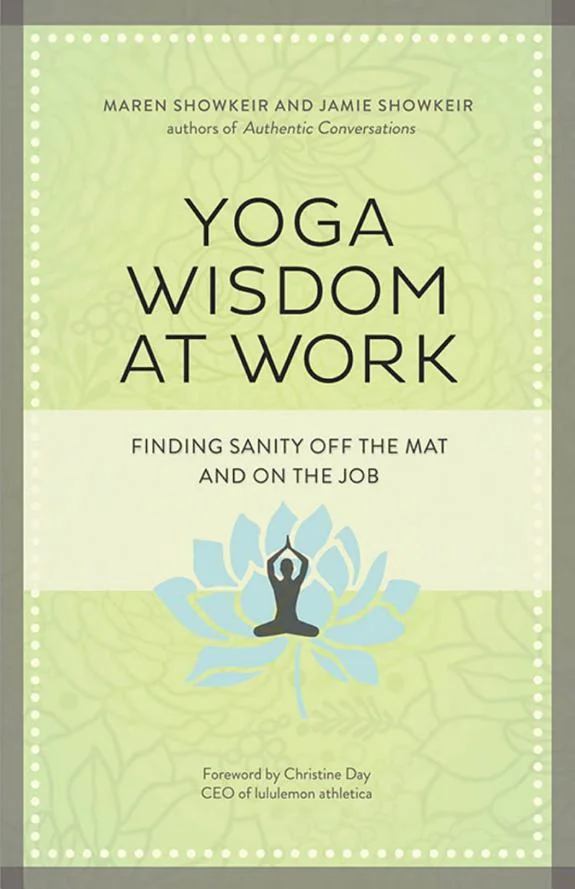
The book utilizes the symbol of the lotus flower, a pervasive motif in yogic and Buddhist traditions, representing purity, spiritual awakening, and detachment amidst worldly conditions. It also implicitly engages with the concept of *nadis* (energy channels) and *chakras* (energy centers) by discussing the body's energetic balance and its influence on mental states, though often without explicit reference to these specific terms. The underlying symbolism points towards the interconnectedness of the physical, mental, and energetic aspects of being.
Modern Relevance
This work speaks to contemporary movements in corporate wellness, mindfulness-based interventions (MBIs), and positive psychology. Thinkers and practitioners in fields like organizational psychology and leadership development often reference the benefits of integrating contemplative practices, aligning with the book's aims. Its approach to secularizing ancient wisdom for practical application is mirrored in many modern self-help and personal development programs seeking to enhance employee well-being and performance.
👥 Who Should Read This Book
• Professionals seeking practical applications of yogic philosophy beyond the physical practice, especially those interested in ethical conduct and stress management in demanding careers. • Individuals exploring comparative philosophies and their relevance to modern life, looking for ways to integrate ancient wisdom into secular contexts like the workplace. • Practitioners of yoga who wish to deepen their understanding of its philosophical underpinnings and apply its principles more holistically to their daily professional responsibilities.
📜 Historical Context
Published in 2013, "Yoga Wisdom at Work" arrived amidst a burgeoning trend of mindfulness and Eastern spiritual practices entering mainstream Western corporate culture. This period saw a significant influx of books and workshops aiming to secularize and commercialize aspects of yoga and meditation for professional development. While figures like Jon Kabat-Zinn had already popularized mindfulness-based stress reduction (MBSR) since the late 1970s, the Showkeirs' work specifically targeted the integration of broader yogic philosophy into the professional sphere. The book emerged in a landscape where competing self-help methodologies focused on productivity and emotional intelligence, offering a distinct approach rooted in ancient Indian philosophical traditions. It built upon the legacy of earlier 20th-century proponents like Paramahansa Yogananda, who introduced yogic concepts to Western audiences, but specifically framed them for vocational application.
📔 Journal Prompts
Reflect on a time when applying *santosha* could have altered a workplace outcome.
Consider how *pratyahara* could be implemented to manage digital distractions encountered during your workday.
Analyze a workplace interaction through the lens of *ahimsa* and its potential impact.
Identify a personal habit related to *aparigraha* that could foster greater professional detachment.
Explore how maintaining a sense of *dharana* might improve your approach to a recurring professional challenge.
🗂️ Glossary
Asana
Refers to the physical postures or poses practiced in yoga. The book emphasizes that these are only one component of a broader yogic philosophy.
Ahimsa
A Sanskrit term meaning non-violence or non-harming. In the context of the book, it applies to ethical conduct and mindful communication in the workplace.
Santosha
A Sanskrit term signifying contentment or acceptance. The book suggests applying this principle to manage dissatisfaction and foster a positive outlook at work.
Pratyahara
The yogic practice of withdrawing the senses from external distractions. The book proposes this as a technique for improving focus and concentration in professional settings.
Dharana
The yogic practice of concentration or focused attention. It is presented as a tool for enhancing mental clarity and productivity in the workplace.
Yamas
Ethical restraints or principles in yoga philosophy, such as non-violence (ahimsa) and truthfulness (satya). The book relates these to workplace conduct.
Niyamas
Observances or disciplines in yoga philosophy, such as contentment (santosha) and self-study (svadhyaya). These are framed as tools for personal growth at work.
This book appears in 1 collection
🔮 Readers Also Liked
Browse all →









From the “Hatha Yoga” Collection
View all →









More Free Occult Philosophy Books
View all →