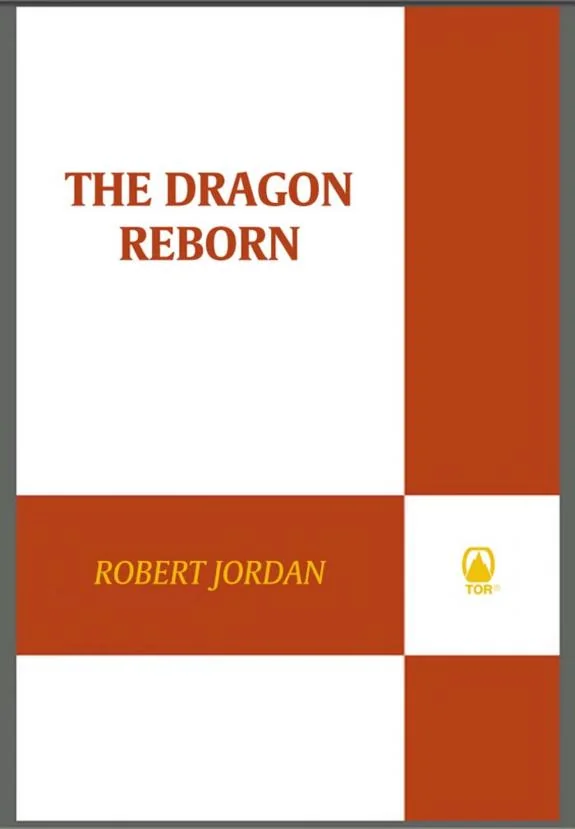
The Dragon Reborn
 84
84

The Dragon Reborn
Robert Jordan’s "The Dragon Reborn" plunges deeper into the intricate prophecies and burgeoning power of Rand al'Thor, presenting a protagonist increasingly burdened by a destiny he neither fully understands nor desires. The narrative excels in depicting Rand's internal conflict, particularly his fear of the madness associated with male channelers, a profound psychological hurdle. The introduction of the dangerous White Tower and its manipulative Aes Sedai further complicates Rand's path, showcasing Jordan’s skill in weaving political intrigue with escalating magical conflict. A notable strength is the depiction of the One Power’s mechanics and the societal fear it engenders, particularly for men like Rand. However, the sheer scope can sometimes lead to pacing issues, with certain subplots feeling protracted. The climax, while resolving immediate threats, leaves Rand in a precarious position, underscoring the dual nature of his prophesied role—savior and destroyer. It’s a solid entry that advances the core conflict with significant character growth.
📝 Description
84
Robert Jordan's The Dragon Reborn, published in 1991, advances Rand al'Thor's struggle with his foretold destiny.
The third volume in Robert Jordan's The Wheel of Time series, The Dragon Reborn, published in 1991, continues the saga of Rand al'Thor. The narrative centers on Rand's internal conflict as he grapples with his identity as the Dragon Reborn, a figure prophesied to save and simultaneously destroy the world. He attempts to understand and master the One Power, a magical force that has been absent from male channelers for centuries.
Rand faces significant pressure and isolation as his abilities grow and the weight of destiny bears down on him. This installment delves into his efforts to control the immense power within him while navigating the complex political landscape and ancient prophecies that define his world. The story builds directly on the events and character arcs established in the previous books, making it a crucial point for readers invested in the series' progression.
Published in 1991, The Dragon Reborn emerged as epic fantasy began solidifying its mainstream presence. Jordan's work, often compared to Tolkien's lore depth, distinguished itself with a more detailed magic system and a prophecy duality, presenting both salvation and destruction. This era saw a growing appreciation for complex, multi-volume narratives that allowed for the exploration of intricate magic systems and the moral ambiguities of protagonists facing vast, cosmic forces.
💡 Why Read This Book?
• Understand the nuanced prophecy of the Dragon Reborn, a figure destined for both salvation and destruction, as explored through Rand al'Thor's internal struggles with his identity and the One Power. • Witness the complex political landscape of the White Tower and the Aes Sedai, learning how their ancient traditions and manipulations shape the unfolding conflict against the Dark One. • Grasp the unique concept of the One Power and its gendered channeling, particularly the historical fear surrounding male channelers, as depicted in the wake of the Age of Madness.
⭐ Reader Reviews
Honest opinions from readers who have explored this book.
❓ Frequently Asked Questions
What is the significance of the Dragon Reborn in Robert Jordan's series?
The Dragon Reborn is the prophesied savior destined to defeat the Dark One and save the world. However, the prophecy also warns that in saving the world, the Dragon will break it, highlighting a duality of destruction and salvation.
Who are the Aes Sedai and what is their role in 'The Dragon Reborn'?
The Aes Sedai are powerful female channelers who wield the One Power. In 'The Dragon Reborn,' they play a critical role in guiding, manipulating, and sometimes opposing Rand al'Thor, their actions driven by ancient traditions and their own interpretations of prophecy.
What is the One Power in The Wheel of Time?
The One Power is the fundamental magical force of the universe, drawn from the True Source. It is divided into male (saidin) and female (saidar) halves, each wielded through channeling. Historically, male channelers went mad, leading to the Breaking of the World.
How does 'The Dragon Reborn' explore the theme of destiny?
The book delves into Rand al'Thor's struggle against his prophesied destiny. He grapples with the immense responsibility and the terrifying implications of being the Dragon Reborn, questioning whether he can control his fate or is merely a pawn of the Pattern.
When was 'The Dragon Reborn' published?
'The Dragon Reborn' was first published on September 15, 1991.
What is the 'Age of Madness' mentioned in relation to male channelers?
The Age of Madness refers to the period approximately 3,000 years before the events of the book, during which male channelers went insane due to the Dark One's taint on saidin, leading to the Breaking of the World.
🔮 Key Themes & Symbolism
The Burden of Prophecy
Rand al'Thor embodies the crushing weight of a prophecy that foretells both salvation and destruction. The narrative intensely focuses on his internal conflict as he grapples with being the Dragon Reborn, a figure feared as much as he is awaited. This theme explores the tension between predetermined destiny and individual agency, questioning whether one can truly escape or alter a foretold path, especially when that path promises world-shattering consequences. The fear of repeating past mistakes, particularly the madness of male channelers from the Age of Madness, looms large over Rand's attempts to fulfill his role.
Control and Corruption of Power
The One Power, the series' magical system, is central to this theme. 'The Dragon Reborn' scrutinizes the nature of power and its potential for corruption, especially the male half, 'saidin,' tainted by the Dark One. Rand's struggle to control his abilities mirrors broader anxieties about wielding immense power responsibly. The book contrasts this with the controlled, albeit politically motivated, use of the One Power by the Aes Sedai. It questions whether absolute power, even when wielded with good intentions, inevitably leads to isolation or destruction, echoing the historical fall during the Age of Madness.
Identity and Isolation
Rand al'Thor's journey is one of profound self-discovery and increasing isolation. As he embraces his identity as the Dragon Reborn, he becomes increasingly separated from his former life and friends. The inability of men to safely channel 'saidin' without succumbing to madness creates a unique form of isolation for male channelers like Rand. This theme examines the personal cost of fulfilling a world-saving destiny, highlighting how extraordinary roles can alienate individuals from humanity and their own sense of self, forcing them into solitude.
Cycles of History and The Wheel
The overarching cosmology of *The Wheel of Time* posits a universe governed by a cosmic Wheel that spins the Pattern of Ages, with history repeating in cycles. 'The Dragon Reborn' reinforces this through the recurring nature of the Dragon figure and the eternal struggle between the Shadow and the Light. The narrative implies that events are both fated by past cycles and yet subject to the choices made in the present. This concept frames the characters' struggles not just as individual battles but as important moments within a much larger, ongoing cosmic drama.
💬 Memorable Quotes
Direct passages from the work, attributed to the author.
“He was the Dragon Reborn, and he was the Lord Dragon. He was the Lord of the Morning, and he was the Dark One.”
— This statement captures the profound duality of Rand's prophesied role. He embodies both the ultimate savior and a figure of immense destructive potential, mirroring the prophecy's warning that the Dragon Reborn will save the world but, in doing so, break it.
“The Wheel of Time turns, and Ages come and pass, leaving memories that become legend. Legend fades to myth, and even myth is long forgotten when the Age that gave it birth comes again.”
— This foundational concept of the series emphasizes the cyclical nature of history and existence. It suggests that events and figures, like the Dragon Reborn, reappear across vast epochs, their significance often lost or transformed into myth over time.
“Winter is passed, and the lambs are down.”
— A recurring phrase signifying the end of a harsh period and the coming of a new season, often linked to the return of the Dragon and the impending conflict. It carries connotations of both renewal and vulnerability, as the 'lambs' represent innocence facing a dangerous world.
“There are only two things a man can do for a woman. One is to love her. The other is to let her go.”
— This poignant observation reflects the complex relationships and the difficult choices characters face, particularly Rand. It speaks to the challenges of commitment, sacrifice, and the necessity of allowing others their own agency, even when it causes pain.
“To die is the only certainty. All else is a gamble.”
— This statement underscores the pervasive sense of mortality and the inherent risks within the world of *The Wheel of Time*. It highlights the precariousness of the characters' lives and the constant uncertainty they face as they navigate prophecies and wars.
🌙 Esoteric Significance
Tradition
While not strictly adhering to a single esoteric lineage, "The Dragon Reborn" draws heavily from archetypal patterns found in Gnosticism, Manichaeism, and Zoroastrianism, particularly the dualistic struggle between cosmic Light and Shadow personified by the Dark One and the Dragon Reborn. The concept of a savior figure destined to both redeem and potentially destroy aligns with Gnostic ideas of a flawed creation and a redeemer figure. The cyclical cosmology echoes concepts found in Eastern philosophies and certain interpretations of Hermeticism regarding the Great Year.
Symbolism
The Dragon motif is central, symbolizing immense power, destruction, and rebirth—a potent archetype present in numerous mythologies. The One Power itself, divided into its male (saidin) and female (saidar) halves, represents the fundamental duality of existence, reminiscent of Yin and Yang, but with a crucial element of corruption attached to the male aspect. The White Tower, seat of the Aes Sedai, symbolizes established authority, ancient wisdom, and the potential for both guidance and manipulation within the established order.
Modern Relevance
Contemporary fantasy writers and readers continue to engage with Jordan's complex magic systems and epic scope. The exploration of a reluctant hero grappling with immense, potentially corrupting power and a world-altering prophecy remains a resonant theme in modern narratives. The detailed world-building and intricate plotlines serve as a model for aspiring fantasy authors and offer a rich universe for comparative mythology studies, particularly concerning archetypal savior figures and dualistic cosmologies.
👥 Who Should Read This Book
• Dedicated fans of *The Wheel of Time* series seeking the continuation of Rand al'Thor's epic journey and the unfolding of intricate prophecies. • Readers interested in Gnostic and Manichaean themes of cosmic dualism, particularly the struggle between Light and Shadow, presented through a compelling fantasy narrative. • Aspiring epic fantasy authors and scholars of comparative mythology examining complex world-building, archetypal hero narratives, and the symbolic representation of power and destiny.
📜 Historical Context
Published in 1991, "The Dragon Reborn" arrived as epic fantasy was experiencing a renaissance, with authors like Robert Jordan expanding the genre’s scope. This period saw a departure from the more contained narratives of earlier fantasy, embracing multi-volume sagas with intricate world-building. Jordan’s work was part of this trend, often placed alongside contemporaries like Tad Williams (*Memory, Sorrow, and Thorn*) in terms of ambition and depth. The early 90s were also a time when complex magic systems and morally ambiguous protagonists gained traction. While not facing overt censorship, the sheer length and detailed lore of *The Wheel of Time* required significant reader commitment, distinguishing it from more accessible fantasy works. Its reception solidified Jordan's reputation as a major voice in modern fantasy.
📔 Journal Prompts
Rand al'Thor's internal conflict regarding the Dragon Reborn prophecy.
The political machinations of the Aes Sedai and the White Tower.
The nature and control of the One Power, particularly saidin.
The symbolism of the Dragon in relation to destruction and rebirth.
The cyclical nature of history as represented by the Wheel of Time.
🗂️ Glossary
Dragon Reborn
The prophesied reincarnation of Lews Therin Telamon, destined to fight the Dark One. This figure is prophesied to save the world but also to break it, embodying both salvation and destruction.
One Power
The magical energy drawn from the True Source, divided into male (saidin) and female (saidar) halves. It is wielded by channelers.
Saidin
The male half of the One Power. It was tainted by the Dark One during the Age of Madness, causing male channelers to go insane.
Saidar
The female half of the One Power. It is considered safer to channel, though still requires discipline and training.
Aes Sedai
Women who can channel the One Power (saidar). They are organized under the Ajahs within the White Tower and hold significant political and societal influence.
White Tower
The headquarters of the Aes Sedai, located in the city of Tar Valon. It is the center of power and training for female channelers.
Dark One
The primary antagonist of the series, a primordial entity of evil imprisoned by the Creator. His influence corrupts and seeks to dominate the world.
This book appears in 1 collection
🔮 Readers Also Liked
Browse all →









From the “Prophecy” Collection
View all →
More Free Occult Philosophy Books
View all →