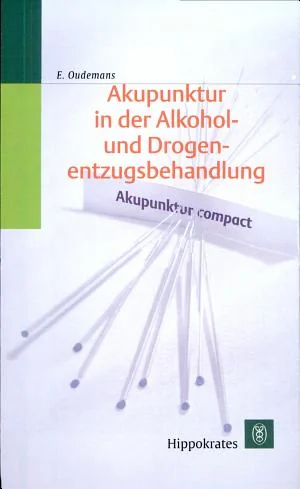
Akupunktur in der Alkohol- und Drogenentzugsbehandlung
 78
78

Akupunktur in der Alkohol- und Drogenentzugsbehandlung
Edwin Oudemans' Akupunktur in der Alkohol- und Drogenentzugsbehandlung offers a focused exploration of auricular acupuncture as a tool in addiction recovery. The book's strength lies in its detailed protocol descriptions, which provide acupuncturists with actionable guidance. Oudemans clearly outlines specific point selections and their intended effects on withdrawal symptoms and cravings, a practical advantage for practitioners. However, the work could benefit from a more extensive discussion of the broader neurochemical mechanisms, beyond general qi concepts, to better bridge TCM with contemporary neuroscience. A particularly insightful section details the use of points such as Shen Men and Sympathetic, demonstrating their role in calming the spirit and regulating autonomic responses during acute withdrawal. While not a comprehensive guide to addiction treatment in itself, it serves as a valuable, specialized resource for its intended audience. The book is a focused manual for acupuncturists seeking to specialize in addiction support.
📝 Description
78
Edwin Oudemans' 2000 book details specific auricular acupuncture protocols for addiction treatment.
Published in 2000, Akupunktur in der Alkohol- und Drogenentzugsbehandlung by Edwin Oudemans outlines specialized auricular acupuncture protocols for supporting individuals in alcohol and drug detoxification and recovery. The text moves past general wellness applications to concentrate on the neurobiological and physiological effects of auricular point stimulation as a therapeutic aid. Oudemans aims to equip practitioners with a structured methodology for employing acupuncture to manage withdrawal symptoms, curb cravings, and foster sustained sobriety.
This book is intended for acupuncturists, addiction counselors, therapists, and medical professionals seeking to incorporate complementary therapies into addiction recovery programs. It proves especially useful for practitioners looking for evidence-based techniques to augment their treatment approaches. Those working in substance abuse rehabilitation, pain management, or mental health facilities that favor holistic methods will find practical direction. While a basic understanding of acupuncture principles is assumed, the book thoroughly explains the specific points and methods relevant to addiction treatment.
The application of acupuncture for addiction treatment, particularly through protocols like those detailed by Oudemans, draws from a long history of Traditional Chinese Medicine (TCM). While the NADA protocol, developed in the 1970s, is a direct precursor, the underlying principles of balancing qi and influencing organ systems through specific points are ancient. Oudemans' work contributes to the modern integration of these time-tested energetic concepts with contemporary understandings of addiction's physiological and psychological dimensions, situating it within the broader esoteric tradition of mind-body healing and energetic medicine.
💡 Why Read This Book?
• Learn specific auricular acupuncture protocols for managing alcohol and drug withdrawal symptoms, detailed by Edwin Oudemans, to offer targeted relief beyond general practice. • Understand how stimulating specific ear points, like the Shen Men point, can influence the nervous system to reduce cravings and anxiety, as outlined in the book's therapeutic approach. • Gain practical knowledge on integrating acupuncture into addiction recovery programs, providing a complementary modality that has been explored since the late 20th century, as discussed in the historical context.
⭐ Reader Reviews
Honest opinions from readers who have explored this book.
❓ Frequently Asked Questions
What is the primary focus of Edwin Oudemans' book on acupuncture for addiction?
The book focuses on the application of auricular acupuncture protocols specifically designed to support individuals undergoing detoxification and recovery from alcohol and drug dependence, detailing point selections for symptom management and craving reduction.
When was Akupunktur in der Alkohol- und Drogenentzugsbehandlung first published?
Akupunktur in der Alkohol- und Drogenentzugsbehandlung was first published in the year 2000.
Who is the intended audience for this book?
The primary audience includes acupuncturists, addiction counselors, therapists, and medical professionals interested in integrating complementary therapies into addiction treatment and recovery programs.
Does the book explain the theoretical basis for using acupuncture in addiction treatment?
Yes, the book explores concepts from Traditional Chinese Medicine, such as qi balance and the microsystem of the ear, and links them to potential neurobiological and physiological effects relevant to managing withdrawal and cravings.
What is auricular acupuncture?
Auricular acupuncture is a therapeutic technique that involves stimulating specific points on the ear, which are believed to correspond to different parts of the body and can be used to treat various conditions, including addiction.
How does this book relate to other acupuncture addiction protocols?
Oudemans' work builds upon and specifies protocols, likely influenced by established approaches such as those developed by NADA (National Acupuncture Detoxification Association), tailoring them for comprehensive recovery support.
🔮 Key Themes & Symbolism
Auricular Microsystem Therapy
The book centers on the ear as a microsystem reflecting the entire body, a concept central to Traditional Chinese Medicine. It details how specific points on the auricle can be stimulated to influence physiological and psychological states. Oudemans outlines precise point selections, such as the adrenal gland point, the lung point, and the Shen Men point, demonstrating their application in alleviating withdrawal symptoms like anxiety, insomnia, and physical discomfort associated with substance cessation. This approach leverages the ear's rich innervation to modulate the autonomic nervous system and promote a state conducive to recovery.
Addiction as Energetic Imbalance
Within the framework of TCM, addiction is viewed not just as a physical or psychological dependency but also as an imbalance of vital energy, or qi. Oudemans' work applies this perspective by positing that substance abuse disrupts the natural flow of qi, leading to stagnation and disharmony. The acupuncture protocols presented are designed to restore this balance, thereby addressing the root energetic causes of cravings and compulsive behavior. By normalizing qi flow, the treatment aims to support the body's innate healing capacity and facilitate a return to equilibrium.
Supportive Role in Detoxification
The primary practical application discussed is the use of acupuncture as an adjunct therapy during the challenging period of detoxification. The book emphasizes how specific auricular point stimulation can mitigate the often severe and distressing symptoms of withdrawal. This includes managing physiological responses like tremors and nausea, as well as psychological effects such as irritability and restlessness. By providing symptomatic relief, acupuncture, as detailed by Oudemans, aims to make the detoxification process more manageable and reduce the likelihood of relapse during this critical phase of recovery.
Holistic Recovery Framework
While focusing on acupuncture techniques, Oudemans' approach implicitly advocates for a holistic understanding of addiction recovery. The book suggests that acupuncture works best when integrated within a broader therapeutic context that may include counseling, support groups, and lifestyle changes. It positions acupuncture not as a standalone cure but as a powerful complementary modality that supports the body's resilience and the individual's journey towards sobriety. This perspective aligns with contemporary trends in healthcare that favor integrative and patient-centered treatment plans.
💬 Memorable Quotes
Direct passages from the work, attributed to the author.
“The ear serves as a map of the body, offering access to vital regulatory points.”
— This highlights the core principle of auricular therapy: the ear's surface contains points that correspond to all parts of the body and can be stimulated to affect those areas, acting as a diagnostic and therapeutic map.
“Specific points on the ear can be targeted to manage cravings.”
— This concise statement underscores a key application of the techniques described in the book – the precise stimulation of auricular points to mitigate the powerful urges associated with substance dependence.
💡 Key Ideas
Editorial paraphrase of the work's core concepts — not direct quotes.
Auricular acupuncture can help calm the spirit and reduce the intensity of withdrawal symptoms.
This paraphrased concept emphasizes the dual benefit of the treatment: its capacity to address both the mental-emotional distress (calming the spirit) and the physical manifestations (reducing withdrawal symptoms) experienced during detoxification.
Balance of qi is essential for overcoming addiction.
This quote articulates a fundamental concept from Traditional Chinese Medicine, suggesting that addiction arises from or contributes to an energetic imbalance, and restoring this balance is crucial for recovery.
Integration with other therapies enhances the effectiveness of acupuncture in addiction treatment.
This paraphrased idea stresses that acupuncture is most potent when used as part of a comprehensive recovery plan, working in conjunction with other modalities like counseling and support systems.
🌙 Esoteric Significance
Tradition
This work aligns with the broader esoteric tradition of applying energetic medicine principles, particularly from Traditional Chinese Medicine (TCM), to address imbalances in the human system. While TCM itself is not strictly esoteric in the Western sense, its philosophical underpinnings regarding vital energy (qi) and the interconnectedness of body, mind, and spirit resonate with esoteric thought. Oudemans' application of auricular acupuncture for addiction recovery can be seen as a practical manifestation of these energetic principles, aiming to restore harmony and balance disrupted by substance abuse.
Symbolism
The ear itself functions as a powerful symbol in this context – a microsystem that mirrors the macrocosm of the human body. Specific points, like the Shen Men (Spirit Gate) point, carry profound symbolic weight, representing a gateway to inner peace and spiritual well-being, crucial for addiction recovery. The concept of 'qi' itself is symbolic of life force, vitality, and the energetic flow that sustains health. Disruptions to this flow, symbolized by blockages or deficiencies, are interpreted as the root cause of addiction, with treatment aiming to re-establish the symbolic flow of energy.
Modern Relevance
Oudemans' work remains relevant today as the fields of addiction treatment and integrative medicine continue to evolve. Contemporary practitioners and researchers are increasingly exploring non-pharmacological interventions to complement traditional therapies. The principles outlined in the book inform current practices in acupuncture clinics specializing in mental health and addiction. Modern thinkers in holistic health and wellness often draw upon TCM concepts, including those related to energetic balance and microsystems, to develop comprehensive treatment plans for complex conditions like substance use disorders.
👥 Who Should Read This Book
• Acupuncturists and TCM practitioners seeking to expand their expertise into specialized addiction treatment protocols, moving beyond general wellness applications. • Therapists and counselors in addiction recovery settings looking for evidence-informed complementary modalities to offer clients, as detailed in Oudemans' specific point selections. • Medical professionals interested in integrative health approaches who want to understand the role of auricular acupuncture in managing withdrawal symptoms and cravings, as explained with practical guidance.
📜 Historical Context
Edwin Oudemans' Akupunktur in der Alkohol- und Drogenentzugsbehandlung emerged in 2000, a period marked by increasing interest in complementary and alternative medicine (CAM) within Western healthcare systems. The late 20th century saw a growing body of research, albeit sometimes contested, exploring acupuncture's efficacy for pain management and various chronic conditions. The specific application to addiction treatment drew heavily on established protocols, most notably the NADA (National Acupuncture Detoxification Association) protocol, which gained significant traction from the 1970s onward and focused on five specific ear points. Oudemans' work contributed to the discourse by detailing more specific protocols and potentially elaborating on the theoretical underpinnings from a Traditional Chinese Medicine perspective. While mainstream psychiatry often viewed CAM with skepticism, practitioners and patients were increasingly seeking non-pharmacological interventions. This book appeared as part of a broader movement to integrate such therapies, offering a structured approach for acupuncturists looking to specialize in addiction support, moving beyond the more generalized NADA model.
📔 Journal Prompts
The Shen Men point's role in addiction recovery.
Auricular acupuncture's impact on managing specific withdrawal symptoms.
How the concept of qi balance relates to addictive patterns.
Integrating acupuncture into a broader addiction treatment plan.
The ear as a microsystem reflecting the body's energetic state.
🗂️ Glossary
Auricular Acupuncture
A therapeutic technique involving the stimulation of specific points on the external ear, which are believed to correspond to different organs and systems of the body, used for diagnosis and treatment.
Qi (Chi)
In Traditional Chinese Medicine, the vital life force or energy that flows through the body, maintaining health and vitality. Imbalances in qi are believed to lead to illness.
Shen Men
A significant point on the ear, often translated as 'Spirit Gate' or 'Divine Gate', known for its calming effects, reducing anxiety, stress, and pain, and promoting overall well-being.
Detoxification
The process of removing toxic substances, such as drugs and alcohol, from the body. It is often the first step in addiction treatment and can involve significant withdrawal symptoms.
Microsystem
A concept in alternative medicine where a small area of the body (like the ear, hand, or foot) is seen to represent the entire body, and stimulating points within the microsystem can affect corresponding parts of the whole.
Withdrawal Symptoms
The physical and psychological effects experienced by a person when they stop taking a substance to which they have become addicted. These can range from mild discomfort to severe and life-threatening conditions.
Cravings
An intense desire or urge for a substance, a common and challenging aspect of addiction that can lead to relapse. Acupuncture aims to reduce the intensity of these urges.
This book appears in 1 collection
🔮 Readers Also Liked
Browse all →









From the “Acupuncture” Collection
View all →








More Free Occult Philosophy Books
View all →