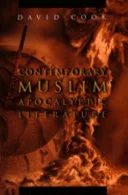
Contemporary Muslim Apocalyptic Literature
 77
77

Contemporary Muslim Apocalyptic Literature
David Cook’s 2005 study, *Contemporary Muslim Apocalyptic Literature*, carves out a necessary space for a subject often relegated to the fringes of Islamic studies. What distinguishes Cook's approach is its rigorous contextualization; he doesn't present these apocalyptic visions in a vacuum but ties them directly to the charged political landscape of the late 20th and early 21st centuries. The analysis of how the Palestinian-Israeli conflict acts as a significant catalyst for much of this literature is particularly illuminating. A limitation, however, is that the work’s scholarly tone, while precise, might render some of the more visceral apocalyptic narratives less accessible to a general audience. The discussion around the concept of the *mahdi* as a figure of salvation within these texts provides a concrete example of how tradition is reinterpreted for modern anxieties. Ultimately, Cook offers a vital, if demanding, scholarly lens on a potent aspect of contemporary Islamic thought.
📝 Description
77
David Cook's 2005 book examines contemporary Muslim apocalyptic literature.
Published in 2005, David Cook's study analyzes contemporary Muslim apocalyptic literature, moving past simple description to investigate the ideological roots and sociopolitical settings that shape these end-times narratives. The book connects how visions of the final days within Islam interact with current global conflicts and international relations. It considers the specific anxieties and hopes found in these Muslim eschatological perspectives. Cook looks at how ideas of divine intervention, just warfare, and the eventual victory of righteousness appear in reaction to perceived injustices and threats to existence. The part violence plays, both as a subject in the writings and as an influence on their creation, is a main point of examination. The literature on Muslim apocalyptic thought draws on classical Islamic sources but takes new forms in the 20th and early 21st centuries, often reflecting escalating regional tensions and geopolitical events.
This work situates itself within the study of Islamic esotericism, a tradition concerned with hidden meanings and future revelations within the faith. It connects classical Islamic apocalyptic traditions, which often focus on Mahdist movements and signs of the Hour, to modern manifestations. These contemporary expressions are examined not just as theological discourse but as responses to real-world political events and perceived existential threats, linking esoteric expectations to tangible historical circumstances.
💡 Why Read This Book?
• Understand the specific geopolitical anxieties fueling Islamic end-times prophecies, particularly the influence of the Palestinian-Israeli conflict as discussed from page 78 onwards. • Gain insight into how classical Islamic eschatology is reinterpreted in the modern era, moving beyond simplistic notions of religious fatalism. • Explore the complex relationship between religious belief, political discourse, and the concept of violence in the Middle East, as examined in Cook's analysis of post-1970s writings.
⭐ Reader Reviews
Honest opinions from readers who have explored this book.
❓ Frequently Asked Questions
What is the primary focus of David Cook's study on Muslim apocalyptic literature?
The book examines contemporary Muslim writings that predict or describe the end times, analyzing their ideological motivations and connections to socio-political issues like the Palestinian-Israeli conflict.
When was Contemporary Muslim Apocalyptic Literature first published?
The work was first published on June 20, 2005.
Does the book only cover Arabic literature?
No, the book covers a disparate body of writing, implying a scope beyond a single linguistic or regional tradition within the Muslim world.
How does the book connect apocalyptic visions to real-world events?
It examines how these visions are prompted by and reflect concerns about Arab relations with Western nations and the role of violence in the Middle East.
Is this book suitable for beginners in Islamic studies?
While informative, its scholarly nature suggests it is best suited for those with some background in Islamic studies or comparative religion seeking in-depth analysis.
What is a key theme explored regarding the function of this literature?
A key theme is how apocalyptic literature articulates ideological concerns and serves as a response to political and social pressures faced by Muslim communities.
🔮 Key Themes & Symbolism
Geopolitical Apocalypticism
This theme explores how current global and regional conflicts, particularly the Palestinian-Israeli conflict, serve as fertile ground for contemporary Muslim apocalyptic narratives. Cook demonstrates how these visions are not abstract theological exercises but are deeply embedded in and responsive to perceived injustices and political struggles. The literature often interprets current events through an eschatological lens, framing them as signs of the impending end and the ultimate divine intervention.
Ideological Underpinnings
The work investigates the specific ideological currents that shape Muslim apocalyptic literature. This includes examining how various interpretations of Islamic scripture and tradition are employed to justify particular worldviews and political stances. The book highlights how these texts often reflect anxieties about Western influence, the perceived erosion of Islamic values, and the desire for a divinely ordained restoration of justice and order.
Violence and Eschatology
A significant aspect of this literature involves the theme of violence. Cook examines how violence is depicted within these apocalyptic narratives – as a tool of oppression, a catalyst for divine judgment, or a necessary component of the struggle leading to the end times. The analysis considers the complex and often controversial role that violence plays in both the content of these writings and the motivations behind their creation.
Classical Roots, Modern Manifestations
This theme addresses the continuity and adaptation of classical Islamic apocalyptic traditions within contemporary contexts. The book traces how ancient prophecies and motifs are reinterpreted and applied to modern political and social realities. It underscores that while the foundational texts may be ancient, the expression and influence of apocalyptic thought are dynamic and responsive to the contemporary world.
💬 Memorable Quotes
Direct passages from the work, attributed to the author.
“The literature is interconnected with the Palestinian-Israeli conflict.”
— This highlights how contemporary events, especially prolonged regional disputes, directly influence the themes and urgency found in Muslim end-times prophecies.
“Ideological concerns prompt apocalyptic material.”
— This suggests that the visions of the end are not spontaneous but are driven by underlying belief systems and political motivations.
“The book examines Arab relations with Western nations.”
— This indicates a focus on how geopolitical relationships and perceived foreign influence shape the content and reception of apocalyptic thought.
“The role of violence is a key aspect.”
— This points to the significant exploration of violent themes, whether as historical events, future predictions, or justifications within these texts.
“This is the first scholarly work to cover this disparate body of writing.”
— This emphasizes the novelty and academic importance of Cook's comprehensive study in bringing together and analyzing this specific literary tradition.
🌙 Esoteric Significance
Tradition
While not strictly within a single Western esoteric lineage like Hermeticism or Kabbalah, this work engages with the broader esoteric impulse found across many traditions: the interpretation of hidden meanings in scripture and history to understand cosmic timelines and divine will. It connects to Islamic traditions of *tafsir* (exegesis) and *hadith* literature that contain apocalyptic elements, framing them within a modern, politically charged context.
Symbolism
Key symbols often include figures like the *Mahdi*, a prophesied redeemer who will usher in an era of justice, and the *Dajjal* (Antichrist), representing forces of evil and deception. The literature frequently employs eschatological timelines, specific geographical locations (like Jerusalem or the Levant), and narratives of cosmic struggle between good and evil to articulate its message.
Modern Relevance
Contemporary thinkers and activists concerned with geopolitical futures, the role of religion in conflict, and the interpretation of sacred texts in the face of modernity draw upon the understanding provided by Cook's work. It informs studies on radicalization, messianic movements, and the ongoing dialogue between Islamic thought and global political dynamics.
👥 Who Should Read This Book
• Academics specializing in Islamic studies, religious history, or political theology seeking a comprehensive overview of a specific literary genre. • Students of comparative religion interested in understanding diverse apocalyptic traditions beyond the Abrahamic West, particularly concerning post-colonial contexts. • Readers focused on Middle Eastern geopolitics who wish to grasp the influence of religious eschatology on regional conflicts and international relations.
📜 Historical Context
Published in 2005, David Cook's work emerged during a period of heightened global tension, particularly following the September 11th attacks and the subsequent interventions in Afghanistan and Iraq. The intellectual climate was marked by increased scrutiny of Islam and a surge in scholarship on political Islam and eschatology. Cook’s study positioned itself against a backdrop where discussions of apocalypticism were often sensationalized or narrowly focused. Its significance lay in providing a rigorous, academic framework for understanding a diverse range of Muslim apocalyptic writings, differentiating itself from more polemical or journalistic accounts. While not directly engaging with a named competing school of thought in its blurb, the work implicitly challenges simplistic Orientalist views and broad generalizations about Muslim beliefs. Its publication by a reputable academic press signaled its integration into mainstream scholarly discourse, offering a corrective to prevailing, often superficial, understandings of Islamic eschatology.
📔 Journal Prompts
The interconnection between the Palestinian-Israeli conflict and Muslim apocalyptic visions.
The specific ideological concerns that prompt the creation of apocalyptic material.
How contemporary Arab relations with Western nations are reflected in end-times narratives.
The function and depiction of violence within Muslim apocalyptic literature.
The evolution of classical Islamic apocalyptic motifs in modern writings.
🗂️ Glossary
Apocalyptic Literature
Writings that describe the end of the world, divine judgment, and the establishment of a new, often divinely ordained, order. Within Islam, this draws on Quranic verses and Hadith traditions.
Eschatology
The theological study of the end times, focusing on concepts such as the final destiny of humanity, the nature of salvation, and the ultimate fate of the universe.
Mahdi
A prophesied redeemer figure in Islam who will appear before the Day of Judgment to restore justice and righteousness to the world.
Dajjal
Often translated as 'Antichrist' or 'deceiver,' a malevolent figure in Islamic eschatology who will precede the Day of Judgment, opposing the Mahdi.
Tafsir
Exegesis or commentary on the Quran. Various schools and scholars have produced extensive tafsir works throughout Islamic history.
Hadith
Reports or traditions attributed to the Prophet Muhammad, serving as a secondary source of Islamic law and theology alongside the Quran.
Ideological Concerns
Belief systems, political viewpoints, and social or religious motivations that shape the interpretation of events and the creation of specific narratives.