The Zohar Aramaic English Shimon Bar Yohai, Moses De León

 95
95

The Zohar Aramaic English Shimon Bar Yohai, Moses De León

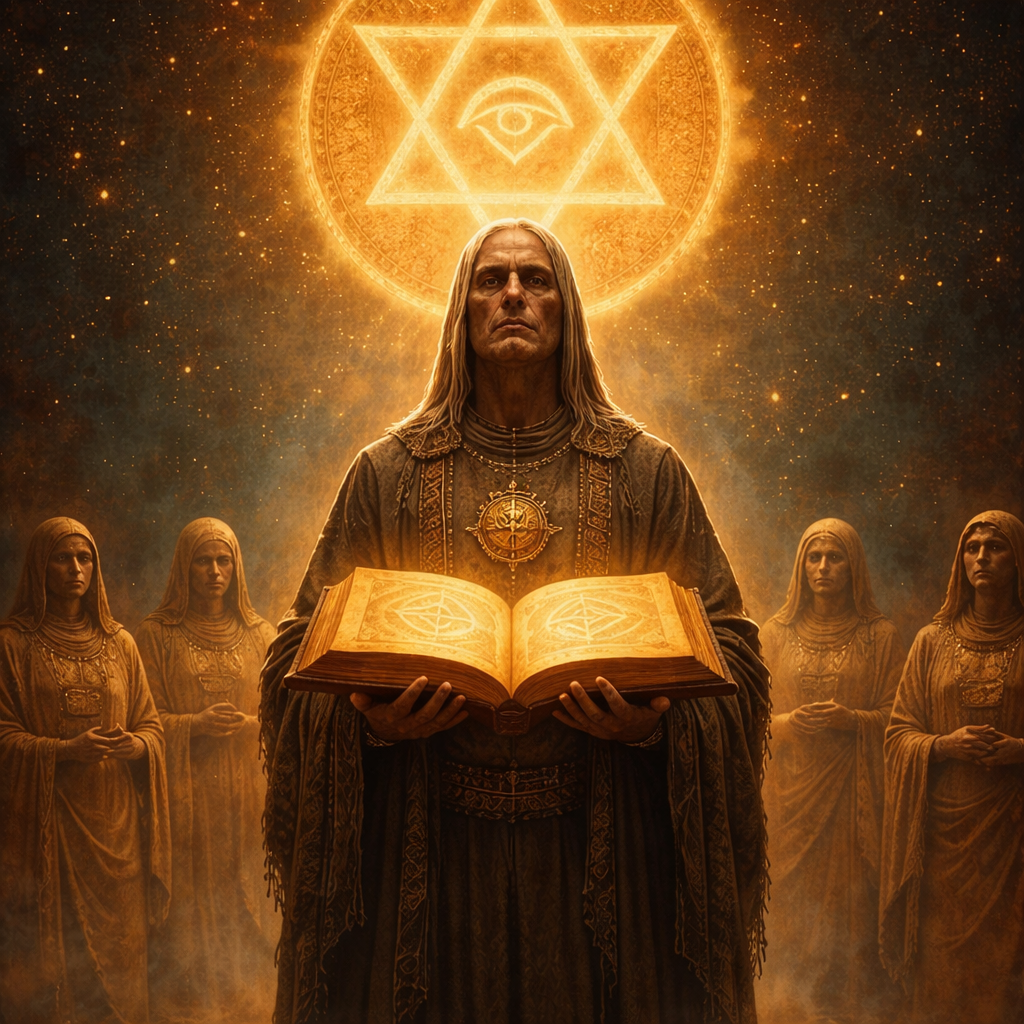

The Zohar: Aramaic and English Edition is a must-read for anyone delving into the mysteries of Kabbalah and Jewish mysticism. This dual-language edition allows readers to appreciate the original Aramaic text while benefiting from an accessible English translation. The profound wisdom contained within these pages offers a glimpse into the divine realm and the spiritual journey of the soul. For modern esoteric seekers, The Zohar provides a wealth of symbolic and allegorical interpretations that can enrich one's spiritual practice. The text's timeless teachings on the nature of God and the structure of the universe make it a valuable resource for both academic study and personal spiritual growth.
Sefer ha-Zohar (ספר הזוהר)
- Attribution
- Traditionally attributed to Shimon bar Yochai (2nd century CE)
- Date
- Late 13th century (publication); claimed antiquity 2nd century CE
- Tradition
- Central text of Kabbalah
- Language
- Written in an artificial form of Aramaic interspersed with Hebrew. The Soncino English translation (1931–1934, Sperling & Simon) is the most widely used.
- Status
- Original text is medieval / public domain. Some modern translations remain under copyright; older 19th-c. and early 20th-c. partial translations are public domain.
Note: The Zohar was first published in Spain in the late 13th century. Modern scholarship attributes its composition to the kabbalist Moses de León (c. 1240–1305), who claimed to have copied it from older manuscripts.
See also: The Zohar should not be confused with the much later 'Christian Kabbalah' literature of the 15th–17th centuries.
Editorial provenance record — bibliographic facts verified against reference works. How we curate ↗
📝 Description
95
The Zohar, attributed to Shimon Bar Yohai, was compiled by Moses De León in the late 13th century.
This edition presents the Zohar in both Aramaic and English, making its complex Kabbalistic teachings accessible. The text is understood as a commentary on the Torah, though its content extends far beyond simple exegesis. It details the nature of God, the creation of the universe, the structure of the divine realms, and the spiritual roles of humanity.
Central to the Zohar are concepts like the Sefirot, divine emanations that form a bridge between the infinite Ein Sof and the created world. It also discusses the soul, reincarnation, and the mystical significance of Hebrew letters and words. The work's allegorical language and symbolic narratives invite deep contemplation on the hidden dimensions of existence and the path toward spiritual union.
Written in Aramaic, the Zohar emerged from the Spanish Kabbalistic circles of the late medieval period. Its compilation is traditionally credited to Moses De León, who presented it as the work of Rabbi Shimon bar Yochai from the 2nd century. The text has since become a cornerstone of Kabbalistic literature.
The Zohar is a foundational text within Kabbalah, the esoteric tradition of Jewish mysticism. It emerged in medieval Spain and significantly shaped subsequent Kabbalistic thought and practice. The work elaborates on themes found in earlier Jewish mystical literature, such as merkavah mysticism and early sefirotic speculation, but presents them in a more systematic and narrative form. Its use of Aramaic and its attribution to an ancient sage were strategies to lend authority and mystique to its teachings, which concern the divine emanations, the hidden meanings of scripture, and the contemplative path.
💡 Why Read This Book?
Reading The Zohar today offers a unique opportunity to explore the depths of Jewish mysticism and Kabbalah. This text provides readers with a deeper understanding of the spiritual dimensions of the Torah and the mystical experiences that have shaped Jewish thought for centuries. By engaging with The Zohar, readers can gain insights into their own spiritual journeys and the divine connection that underlies all existence. This book is an essential read for anyone seeking to expand their esoteric knowledge and deepen their spiritual practice.
⭐ Reader Reviews
Honest opinions from readers who have explored this book.
❓ Frequently Asked Questions
What is the significance of The Zohar in Jewish mysticism?
The Zohar is a foundational text of Kabbalah, offering deep insights into Jewish mystical thought and the esoteric dimensions of the Torah.
Who are Shimon Bar Yohai and Moses De León?
Shimon Bar Yohai is a 2nd-century sage to whom The Zohar is attributed, while Moses De León is the 13th-century scholar who compiled the text.
Why should I read The Zohar in both Aramaic and English?
Reading The Zohar in both languages allows for a deeper appreciation of the original text and its symbolic meanings, while the English translation makes it accessible to modern readers.
🔮 Key Themes & Symbolism
Divine Unity
The Zohar explores the concept of divine unity, revealing the interconnectedness of all things in the cosmos. This theme underscores the mystical belief that the divine presence permeates every aspect of existence, inviting readers to contemplate the deeper spiritual dimensions of their lives.
Symbolism and Metaphor
Rich in symbolism and metaphor, The Zohar uses vivid imagery to convey complex philosophical ideas. These symbols serve as keys to unlocking the hidden knowledge of the divine, guiding readers on a journey of spiritual discovery and enlightenment.
The Tree of Life
The Tree of Life is a central symbol in Kabbalistic teachings, representing the divine structure of the universe. The Zohar looks at the mysteries of the Tree of Life, offering insights into the various sefirot and their roles in the spiritual journey.
💡 Key Ideas
Editorial paraphrase of the work's core concepts — not direct quotes.
The hidden is revealed to those who seek it with pure hearts.
This quote emphasizes the importance of spiritual purity in the quest for hidden knowledge.
The divine light illuminates the path of the righteous.
This passage highlights the guiding role of divine wisdom in the lives of those who follow the path of righteousness.
In the depths of the soul, the divine spark burns bright.
This quote underscores the innate divine potential within every individual, waiting to be awakened through spiritual practice.
The mysteries of the universe are revealed to those who listen with the ears of the heart.
This passage encourages readers to cultivate inner listening, trusting in the intuitive wisdom of the heart.
The Zohar is a map to the hidden domains of the divine.
This quote positions The Zohar as a guide to the mystical dimensions of existence, inviting readers to explore its depths.
🌙 Esoteric Significance
Tradition
The Zohar is a central to the Kabbalistic tradition, offering clear insights into Jewish mysticism and the hidden dimensions of reality. It is revered for its detailed symbolism and profound philosophical teachings, which have captivated mystics and scholars for centuries.
Symbolism
Key symbols in The Zohar include the Tree of Life, the sefirot, and the divine names. These symbols serve as keys to unlocking the hidden knowledge of the divine, guiding readers on a journey of spiritual discovery and enlightenment.
Modern Relevance
The Zohar remains relevant today, inspiring modern practitioners of Kabbalah and Jewish mysticism. Its timeless teachings continue to offer insights into the spiritual dimensions of existence, making it a valuable resource for seekers of hidden knowledge.
👥 Who Should Read This Book
Beginners in Kabbalah will find The Zohar to be a rich and rewarding introduction to the mystical teachings of Jewish mysticism. Scholars of esoteric studies will appreciate its profound philosophical insights and detailed symbolism. Spiritual seekers will be drawn to its exploration of the hidden dimensions of reality, while practitioners of esoteric arts will find it to be a valuable resource for their spiritual journeys.
📜 Historical Context
The Zohar emerged during a time of significant spiritual and intellectual ferment in Jewish history. Compiled in the 13th century by Moses De León, it is attributed to Shimon Bar Yohai, a revered figure in Jewish mysticism. The text reflects the deep spiritual longing and esoteric curiosity of the era, providing a wide range of mystical teachings that have influenced generations of scholars and seekers. Its importance lies in its role as a foundational text of Kabbalah, offering clear insights into the hidden dimensions of reality and the divine.
📔 Journal Prompts
Reflect on the concept of divine unity as presented in The Zohar. How does it resonate with your own spiritual beliefs?
Explore the symbolism of the Tree of Life in The Zohar. What insights does it offer into your spiritual journey?
Consider the role of hidden knowledge in your spiritual practice. How does The Zohar challenge or affirm your understanding of esoteric teachings?
Reflect on the idea of the divine spark within the soul. How does this concept influence your spiritual growth?
Examine the theme of listening with the ears of the heart in The Zohar. How can you cultivate inner listening in your daily life?
🗂️ Glossary
Sefirot
The ten emanations of the divine in Kabbalistic teachings, representing the attributes of God.
Tree of Life
A central symbol in Kabbalah, representing the divine structure of the universe and the spiritual journey.
Zohar
A foundational text of Kabbalah, offering clear insights into Jewish mysticism and the hidden dimensions of reality.
Kabbalah
The mystical tradition of Judaism, focusing on the hidden dimensions of reality and the divine.
Shimon Bar Yohai
A revered figure in Jewish mysticism, traditionally attributed as the author of The Zohar.
This book appears in 1 collection
🔮 Readers Also Liked
Browse all →








From the “Kabbalah” Collection
View all →





More Free Kabbalah & Jewish Mysticism Books
View all →