A Dictionary of Kabbalah and Kabbalists

 62
62

A Dictionary of Kabbalah and Kabbalists


Ophelia Vance, Mystical Literature Reviewer — Daniel C. Cohn-Sherbok’s 'A Dictionary of Kabbalah and Kabbalists' is an illuminating beacon for anyone drawn to the profound mysteries of Jewish esotericism. This work masterfully demystifies complex concepts, rendering the arcane accessible without sacrificing its inherent depth. Cohn-Sherbok provides authoritative yet engaging definitions, offering critical insights into the historical development and philosophical nuances of Kabbalah. Its strength lies in its comprehensive scope and clear exposition, making it an invaluable resource for both neophytes and seasoned students of mysticism. This dictionary is essential for understanding the lineage of Kabbalistic thought and its enduring esoteric significance.
📝 Description
62
Daniel C. Cohn-Sherbok's 'A Dictionary of Kabbalah and Kabbalists' was first published in 1997.
This dictionary offers definitions for terms and figures central to Kabbalah, the esoteric tradition within Judaism. Daniel C. Cohn-Sherbok compiled entries on concepts like Gematria, the Tree of Life, and divine emanations, alongside biographies of significant Kabbalists. The work aims to clarify the language and history of this mystical system for a readership interested in its complex ideas.
It covers a range of topics from the Merkabah tradition to various schools of Kabbalistic thought. The dictionary provides explanations for symbolic language and philosophical frameworks that have shaped Jewish mysticism. It is intended as a reference for those studying or engaging with Kabbalistic texts and practices.
Kabbalah represents a mystical and esoteric dimension of Judaism, developed over centuries. It focuses on understanding the divine nature, creation, and humanity's relationship with God through symbolic interpretation of religious texts and specific contemplative practices. Key elements include the Sefirot (divine emanations) often visualized in the Tree of Life, and methods like Gematria (numerological interpretation of Hebrew letters). This dictionary situates itself within this rich, often hidden, tradition by cataloging its core vocabulary and historical personalities.
💡 Why Read This Book?
Unlock the ancient secrets of Kabbalah, the mystical heart of Jewish tradition. This comprehensive dictionary offers clear, insightful definitions of complex terms, key figures, and core concepts. It’s an essential guide for spiritual seekers, scholars of comparative religion, and practitioners wishing to deepen their understanding of esoteric symbolism and divine cosmology.
⭐ Reader Reviews
Honest opinions from readers who have explored this book.
❓ Frequently Asked Questions
What is Kabbalah?
Kabbalah is the esoteric tradition of Jewish mysticism, seeking to understand the divine nature of God and the universe through symbolic interpretation of scripture and contemplation of divine emanations.
Who were the Kabbalists?
Kabbalists were practitioners and scholars of Kabbalah, individuals who dedicated themselves to studying its teachings and exploring its mystical dimensions, often through intense meditation and spiritual discipline.
What is the Tree of Life in Kabbalah?
The Tree of Life (Etz Chaim) is a central diagram in Kabbalah, representing the divine emanations of God and the structure of the cosmos, used as a map for spiritual ascent and understanding.
Is this dictionary suitable for beginners?
Yes, the dictionary provides clear definitions that make complex Kabbalistic terms and concepts accessible to those new to the subject, serving as an excellent starting point.
What is Gematria?
Gematria is a method of interpreting Hebrew scripture by assigning numerical values to letters and then analyzing the numerical relationships between words, revealing hidden meanings.
🔮 Key Themes & Symbolism
The Tree of Life and Divine Emanations
Study the profound symbolism of the Sefirot, the ten divine emanations that form the Kabbalistic Tree of Life. This central motif serves as a blueprint of creation, illustrating the flow of divine energy from the Infinite to the manifest world. Understand how these interconnected spheres illuminate the pathways of spiritual ascent and the intricate relationship between the human soul and the divine essence, offering a map for inner transformation and cosmic awareness.
Kabbalistic Symbolism and Interpretation
Uncover the collection of symbolic language woven throughout Kabbalistic texts. From the mystical significance of Hebrew letters and numerical Gematria to the allegorical interpretations of biblical narratives, this theme explores how Kabbalists accessed hidden layers of meaning. Discover the power of these symbols to unlock profound spiritual insights, revealing the interconnectedness of all things and the veiled presence of the divine in the mundane.
The Lineage of Kabbalists and Their Teachings
Journey through the historical field of Jewish mysticism by exploring the lives and seminal contributions of key Kabbalists. This theme illuminates the evolution of Kabbalistic thought, from ancient Merkabah mysticism to the development of Lurianic Kabbalah. Understand the diverse approaches and unique insights of these spiritual masters, recognizing their role in preserving and transmitting this sacred, often esoteric, body of knowledge across generations.
💬 Memorable Quotes
Direct passages from the work, attributed to the author.
“Kabbalah is the science of the divine.”
— This profound statement posits Kabbalah not merely as a philosophy or religion, but as a systematic, almost scientific, method for understanding the very nature of God and the mechanics of the universe.
“Every letter holds a universe of meaning.”
— This emphasizes the Kabbalistic belief in the profound, multi-layered significance of the Hebrew alphabet, where each character is seen as a vessel of divine revelation and cosmic power.
“Through contemplation, the veil is lifted.”
— This speaks to the practice-oriented aspect of Kabbalah, suggesting that disciplined spiritual focus and meditation are the keys to perceiving hidden truths and experiencing divine presence.
“The microcosm reflects the macrocosm.”
— This classic esoteric principle, central to Kabbalah, suggests that the individual human being is a reflection of the entire universe, and understanding oneself leads to understanding the cosmos.
💡 Key Ideas
Editorial paraphrase of the work's core concepts — not direct quotes.
The Tree of Life is the divine blueprint.
This quote highlights the central importance of the Tree of Life as a sacred diagram, representing the fundamental structure of all existence and the divine plan for creation.
🌙 Esoteric Significance
Tradition
This dictionary looks at the heart of Kabbalah, the mystical and esoteric tradition within Judaism. It explores its roots in ancient Jewish mysticism, its development through medieval thinkers, and its wide impact on subsequent spiritual and philosophical movements. The emphasis is on the hidden meanings, divine secrets, and contemplative practices aimed at achieving union with the Infinite.
Symbolism
Kabbalah is replete with rich and complex symbolism, and this dictionary serves as a guide to its core elements. Key symbols include the Sefirot (divine emanations) on the Tree of Life, the mystical significance of Hebrew letters, the concept of Ein Sof (the Infinite), and the divine names. Understanding these symbols is crucial for unlocking the deeper spiritual and cosmological insights that Kabbalah offers to the dedicated practitioner.
Modern Relevance
Despite its ancient origins, Kabbalistic wisdom continues to resonate powerfully in the modern world. Its teachings on the interconnectedness of all things, the divine spark within every individual, and the pursuit of spiritual growth offer clear insights for contemporary seekers. The symbolic language and contemplative practices provide tools for working through the complexities of modern life, fostering a deeper sense of purpose, meaning, and connection to the sacred.
👥 Who Should Read This Book
This dictionary is an indispensable resource for a wide spectrum of individuals. Beginners beginning their spiritual journey into Jewish mysticism will find clear, accessible explanations. Scholars of comparative religion and Jewish studies will appreciate its comprehensive scope and authoritative insights. Dedicated seekers looking to deepen their understanding of esoteric concepts, divine cosmology, and the nature of reality will find it an invaluable guide. Practitioners of meditation and spiritual disciplines can use it to illuminate their practice and expand their Kabbalistic knowledge.
📜 Historical Context
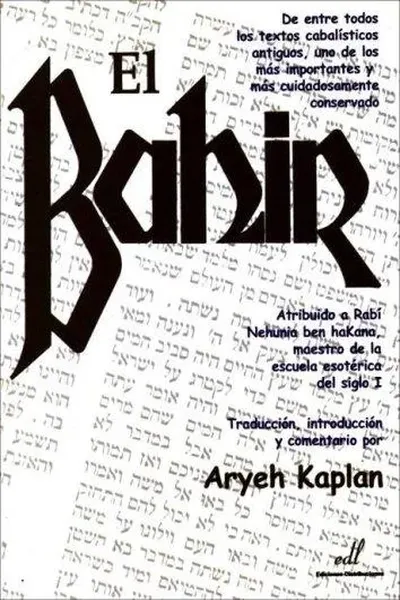
Emerging from the collection of ancient Jewish thought, Kabbalah as a distinct mystical tradition began to coalesce in the medieval period, particularly in 12th and 13th-century Provence and Spain. This era, marked by intellectual ferment and periods of both persecution and flourishing Jewish culture, provided fertile ground for esoteric speculation. Early Kabbalistic texts, such as the Sefer Bahir, laid the groundwork, but it was the Zohar, compiled in the late 13th century, that became the foundational text, profoundly influencing subsequent generations. The expulsion of Jews from Spain in 1492 and the subsequent diaspora further disseminated Kabbalistic ideas, leading to the development of new schools of thought, most notably in Safed during the 16th century with figures like Isaac Luria. This period saw Kabbalah become more systematized and deeply integrated into Jewish spiritual life, influencing prayer, ritual, and philosophical inquiry.
📔 Journal Prompts
Reflect on a symbol from the dictionary that resonates most deeply with you. What does it represent in your personal spiritual journey?
Consider the life of a Kabbalist mentioned. What aspect of their teachings or practice inspires you to integrate into your own life?
How does the concept of divine emanations (Sefirot) challenge or affirm your understanding of God and creation?
Explore the idea of Gematria. How might numerical interpretation reveal hidden layers of meaning in your own spiritual texts or experiences?
Imagine you are a student of Kabbalah in medieval Spain. What questions would you most want to ask a Kabbalist about the mysteries of the universe?
🗂️ Glossary
Ein Sof
The Kabbalistic term for the Infinite, the absolute and unknowable Godhead beyond all comprehension or description, the ultimate source of all existence.
Sefirot
The ten divine emanations or attributes of God, forming the structure of the Kabbalistic Tree of Life, through which the divine manifests in the created world.
Merkavah Mysticism
An early form of Jewish mysticism focused on visionary ascents to the heavenly realms and the contemplation of God's throne-chariot (Merkavah), as described in the Book of Ezekiel.
Tzimtzum
A fundamental concept in Lurianic Kabbalah, referring to the 'contraction' or self-limitation of God to make space for creation to exist.
Kavanah
Intention or concentration, particularly in prayer and ritual, emphasizing the mental and spiritual focus required to connect with the divine in Kabbalistic practice.
This book appears in 1 collection
🔮 Readers Also Liked
Browse all →









From the “Kabbalah” Collection
View all →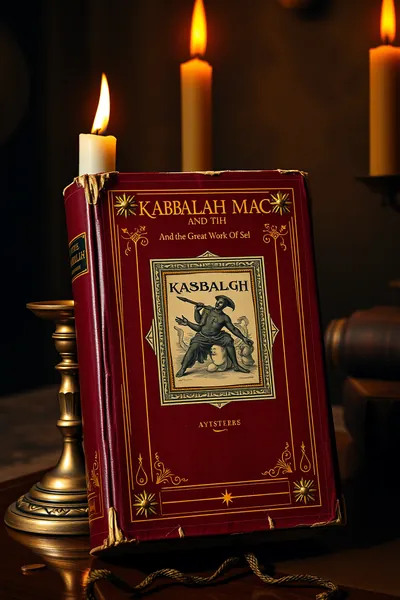







More Free Kabbalah & Jewish Mysticism Books
View all →