The Law Of Inversion Chapter 4 Shadow Of Dalai Lama Buddhism

 75
75

The Law Of Inversion Chapter 4 Shadow Of Dalai Lama Buddhism

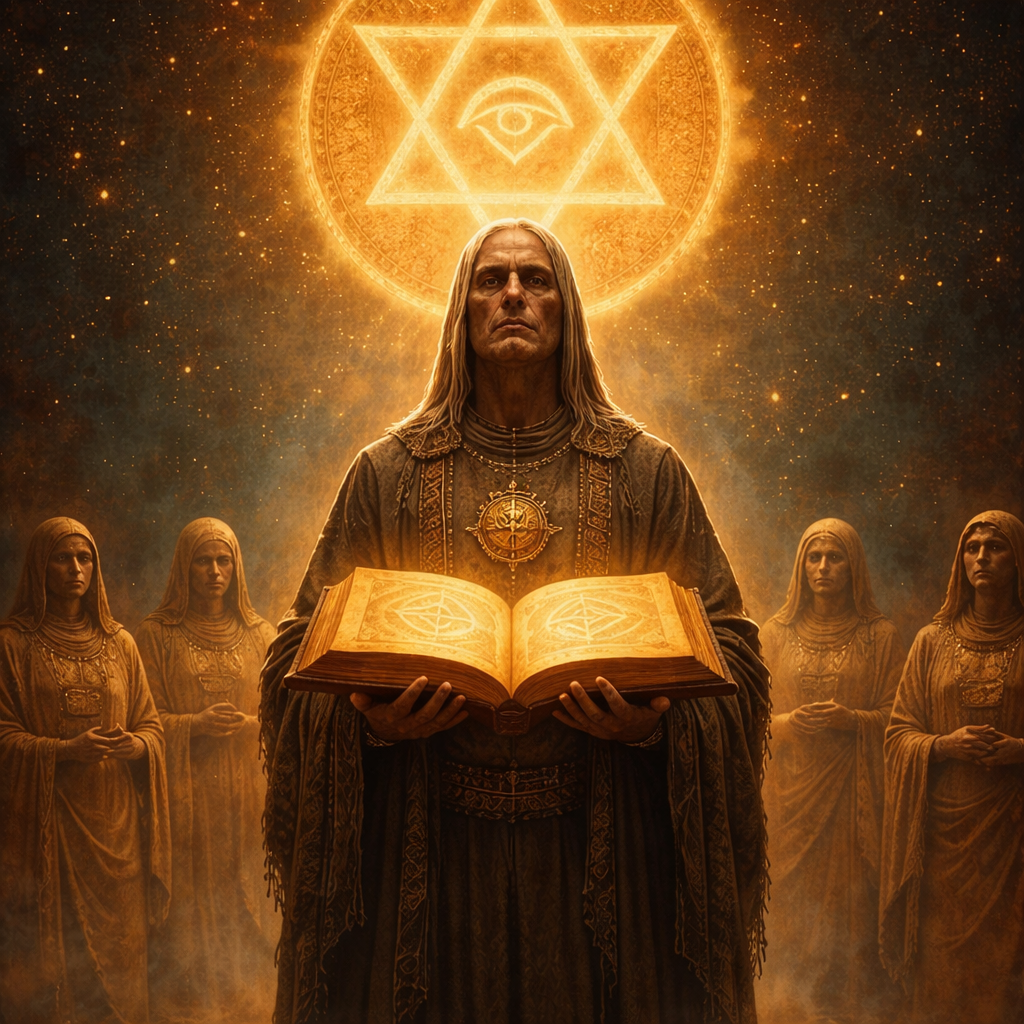

The Law Of Inversion: Chapter 4 - Shadow Of Dalai Lama Buddhism is a thought-provoking exploration of the darker side of esoteric traditions. The author masterfully weaves together concepts from Kabbalah, Buddhism, and ancient satanic rituals to create a compelling narrative that challenges conventional wisdom. The book's strength lies in its ability to connect seemingly disparate ideas, providing a fresh perspective on the role of evil in spiritual practices. For modern esoteric seekers, this text is a treasure trove of hidden knowledge and a call to question the surface-level interpretations of religious doctrines. The detailed examination of the 32 paths and the kundalini energy adds depth to the discussion, making it a valuable resource for anyone interested in the occult. The only drawback is the dense and sometimes obscure language, which may require multiple readings to fully grasp. Overall, this book is a must-read for those who dare to explore the shadowy corners of spiritual enlightenment. Rating: 4/5.
📝 Description
75
This text examines satanic reversals and the snake traversing Kabbalah's 32 paths.
Chapter 4 of 'The Law Of Inversion' addresses Kabbalah and Jewish mysticism, focusing on hidden symbolism within ancient traditions. It discusses the concept of spiritual inversion and the idea that negative actions can lead to spiritual advancement. The text connects this to the snake's movement along Kabbalah's 32 paths.
Furthermore, it explores kundalini energy's ascent through the spine, linking it to a 'satanic force.' The book draws parallels between these concepts and Babylonian satanism, as well as ancient Hindu practices. It is written for those interested in occult studies and hidden truths, aiming to provoke thought on the less conventional aspects of spiritual paths.
This work engages with traditions that often explore dualistic concepts within spiritual frameworks. It specifically references Kabbalah, a Jewish mystical tradition focusing on divine emanations and the structure of the universe, and its symbolic paths. The text also touches upon Hindu tantric practices, particularly the concept of kundalini energy. By examining 'satanic' elements and inversions, it probes the boundaries of conventional spirituality, aligning with certain esoteric schools that investigate the shadow aspects of existence as a means of understanding.
💡 Why Read This Book?
Reading The Law Of Inversion: Chapter 4 - Shadow Of Dalai Lama Buddhism today offers a unique opportunity to delve into the esoteric underpinnings of major religious traditions. This book challenges readers to think beyond the surface-level teachings and explore the deeper, often hidden, aspects of spirituality. By understanding the role of inversion and the concept of evil as a pathway to enlightenment, readers can gain a broader perspective on the complexities of human spirituality. This knowledge can be invaluable for personal growth and for navigating the intricate web of modern spiritual practices.
⭐ Reader Reviews
Honest opinions from readers who have explored this book.
❓ Frequently Asked Questions
What is the main theme of The Law Of Inversion: Chapter 4?
The main theme is the exploration of satanic reversals and the idea that evil deeds can sometimes be perceived as a means to achieve higher spiritual goals, particularly within esoteric traditions like Kabbalah and Buddhism.
How does this book connect to Kabbalah and Hindu traditions?
The book traces the roots of Kabbalah back to Babylonian satanism and older Hindu traditions, providing a rich historical context for these esoteric beliefs and their interconnectedness.
Who would benefit from reading this book?
This book is ideal for esoteric seekers, spiritual practitioners, and anyone interested in the deeper mysteries of religion and spirituality. It offers valuable insights and a unique perspective on the shadowy realms of occult knowledge.
🔮 Key Themes & Symbolism
Satanic Reversals
The book explores the concept of satanic reversals, suggesting that evil deeds can be a means to achieve higher spiritual enlightenment. This theme explores the idea that one must pass through hell to reach heaven, offering a profound and often misunderstood perspective on the nature of good and evil in spiritual practices.
Kabbalistic Symbolism
The text delves deeply into the Kabbalistic imagery of the snake traversing the 32 paths, providing readers with a rich and evocative exploration of the symbolism embedded within ancient traditions. This theme is particularly valuable for those interested in the esoteric and mystical aspects of Kabbalah.
Intersection of Traditions
The book draws connections between Kabbalah, Babylonian satanism, and ancient Hindu practices, offering a unique perspective on the intersections of these mystical traditions. This theme is ideal for scholars and seekers of hidden truths who wish to deepen their understanding of the occult.
💬 Memorable Quotes
Direct passages from the work, attributed to the author.
“The snake traverses the 32 paths.”
— This imagery represents the Kabbalistic symbolism of the journey through spiritual inversion and the quest for hidden knowledge.
“The man of mirrors is satan.”
— This enigmatic phrase suggests the duality and inversion of spiritual paths, inviting readers to question the nature of good and evil.
💡 Key Ideas
Editorial paraphrase of the work's core concepts — not direct quotes.
To reach heaven, one must pass through hell.
This quote expresses the idea of satanic reversals, suggesting that evil deeds can be a means to achieve higher spiritual enlightenment.
The kundalini energy ignites a satanic force within.
This passage explores the concept of the kundalini energy moving through the spine to awaken a deeper, more profound spiritual awareness.
Babylonian satanism and Hindu mysticism intertwine.
This quote highlights the intersection of ancient mystical traditions, offering a unique perspective on the esoteric and occult.
🌙 Esoteric Significance
Tradition
This book belongs to the Kabbalistic and occult traditions, drawing deeply from the esoteric symbolism and hidden knowledge embedded within ancient mystical practices. It explores the intersections of Kabbalah, Babylonian satanism, and Hindu mysticism, offering a unique perspective on the darker aspects of spiritual enlightenment.
Symbolism
Key symbols include the snake traversing the 32 paths, the kundalini energy moving through the spine, and the man of mirrors representing satan. These symbols are rich in esoteric meaning, inviting readers to uncover the deeper layers of mystical knowledge.
Modern Relevance
This book is relevant today for its exploration of the inversion of spiritual paths and the role of evil in achieving higher enlightenment. Modern practitioners and scholars of the occult continue to draw from its insights, using them to deepen their understanding of esoteric traditions.
👥 Who Should Read This Book
This book is ideal for scholars of the occult, seekers of esoteric wisdom, and practitioners of Kabbalah and Jewish mysticism. Beginners may find the complex themes and symbolism challenging, but those with some background in esoteric studies will find it deeply enriching. Spiritual seekers who wish to explore the darker aspects of spiritual practices will also benefit from this text.
📜 Historical Context
Written in an era where the exploration of esoteric and occult themes was gaining traction, 'The Law Of Inversion Chapter 4 Shadow Of Dalai Lama Buddhism' offers a unique perspective on the mystical and often misunderstood aspects of Kabbalah and Jewish mysticism. The book was important when written for its ability to provoke thought and inspire further exploration into the enigmatic world of the occult. Its influence can be seen in the works of modern scholars and practitioners who continue to explore the deeper layers of mystical knowledge.
📔 Journal Prompts
How do the concepts of satanic reversals and spiritual inversion challenge your understanding of good and evil?
What role does the Kabbalistic symbolism of the snake traversing the 32 paths play in your spiritual journey?
How does the intersection of Kabbalah, Babylonian satanism, and Hindu mysticism influence your view of esoteric traditions?
In what ways does the idea of the kundalini energy igniting a satanic force within resonate with your spiritual practices?
How can the exploration of the darker aspects of spiritual enlightenment deepen your understanding of the occult?
🗂️ Glossary
Kabbalah
An esoteric and mystical tradition within Judaism that explores the hidden knowledge and symbolism embedded within ancient texts.
Satanic Reversals
The concept that evil deeds can be a means to achieve higher spiritual enlightenment, often explored in esoteric and occult traditions.
Kundalini Energy
A spiritual energy believed to reside at the base of the spine, which can be awakened and moved upward through the body to achieve spiritual enlightenment.
Babylonian Satanism
An ancient mystical tradition that explores the darker aspects of spiritual practices, often associated with the worship of satanic forces.
Hindu Mysticism
A rich and diverse mystical tradition within Hinduism that explores the esoteric and occult aspects of spiritual enlightenment.
This book appears in 1 collection
🔮 Readers Also Liked
Browse all →





From the “Kabbalah” Collection
View all →








More Free Kabbalah & Jewish Mysticism Books
View all →