The Witch-cult in Western Europe: A Study in Anthropology
 71
71

The Witch-cult in Western Europe: A Study in Anthropology

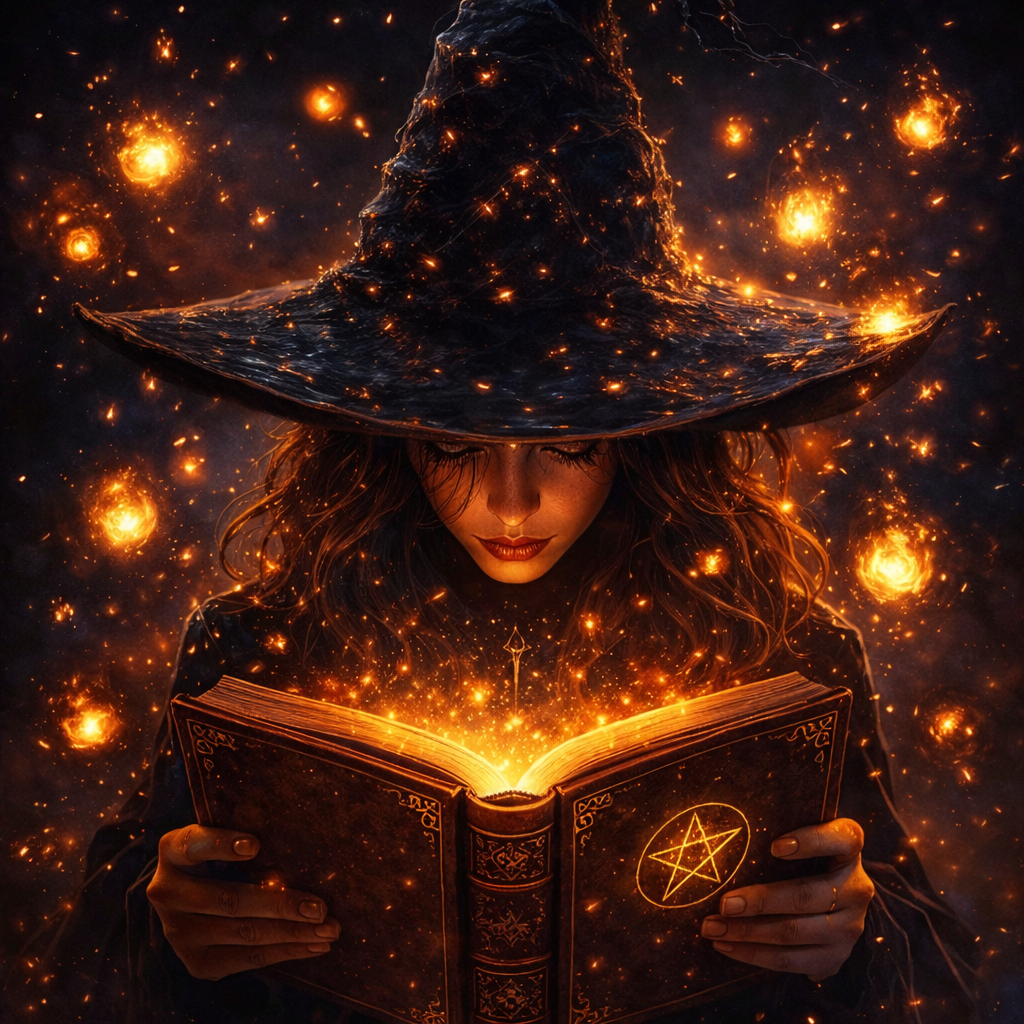

The Witch-cult in Western Europe by Margaret Alice Murray is a groundbreaking work that has stood the test of time. Published over a century ago, it remains a pivotal text for anyone delving into the esoteric and occult. Murray's meticulous research and anthropological approach offer a fresh perspective on the history of witchcraft, challenging the prevailing narratives of the time. For modern esoteric seekers, this book is a treasure trove of historical insights and cultural context. It provides a solid foundation for understanding the roots of contemporary witchcraft and pagan practices. The book's detailed analysis of historical documents and rituals makes it a valuable resource for both academic and personal study. Murray's work is not just a historical account but a call to re-evaluate our understanding of witchcraft and its place in human culture.
📝 Description
71
Margaret Alice Murray's 1921 book proposed a widespread, organized witch-cult in Western Europe.
Margaret Alice Murray's 1921 study, 'The Witch-Cult in Western Europe', argues for the existence of an organized, widespread cult in Western Europe that practiced witchcraft. She connects this cult to pre-Christian pagan traditions and suggests that the witch trials were a suppression of this enduring faith. Murray details the supposed practices, beliefs, and symbols of this clandestine tradition, drawing on folklore, historical records, and anthropological observations.
The book presents the 'witch' not as an isolated figure of evil, but as a member of a sustained spiritual system. This system, she contends, preserved ancient, nature-based mysteries. Murray's work challenged prevailing historical interpretations of witchcraft and its persecution, positing a continuous line of pagan practice beneath the surface of Christian Europe. It remains a significant, though debated, contribution to the study of historical witchcraft and its potential anthropological roots.
Murray's work emerged during a period of heightened interest in paganism and ancient traditions, particularly within anthropological and folkloric circles. It resonated with those seeking continuity from older spiritual practices, suggesting a hidden current of earth-centered belief that persisted through centuries of Christian dominance. While debated by historians, the book provided a framework for understanding witchcraft not merely as superstition, but as a possible surviving religious system, influencing later esoteric thought on nature-based spirituality and historical revivals.
✍️ Author
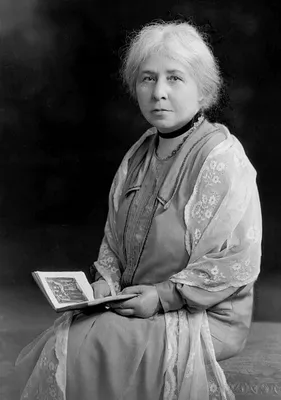
Murray, Margaret Alice
Margaret Alice Murray (13 July 1863 – 13 November 1963) was a British Egyptologist, archaeologist, anthropologist, historian, and folklorist. The first woman to be appointed as a lecturer in archaeology in the United Kingdom, she worked at University Coll…
💡 Why Read This Book?
Reading The Witch-cult in Western Europe today offers a profound understanding of the historical roots of witchcraft and paganism. It provides readers with a comprehensive view of the anthropological and cultural aspects of these practices, enriching their esoteric knowledge. The book is particularly valuable for those interested in the survival of pagan rituals and the role of women in ancient secret societies. It serves as a foundational text for anyone looking to deepen their understanding of the occult and its historical context.
⭐ Reader Reviews
Honest opinions from readers who have explored this book.
❓ Frequently Asked Questions
Is The Witch-cult in Western Europe suitable for beginners in esoteric studies?
Yes, this book is suitable for beginners as it provides a comprehensive introduction to the history and anthropology of witchcraft.
What makes this book different from other works on witchcraft?
Murray's anthropological approach and extensive historical research set this book apart, offering a unique perspective on the structured religious system of witchcraft.
Is the book relevant to modern pagan practices?
Absolutely, it provides valuable insights into the survival of pagan rituals and beliefs, making it relevant to modern pagan practices.
🔮 Key Themes & Symbolism
The Persistence of Pre-Christian Faith
Murray's central argument revolves around the enduring presence of an ancient, earth-centered religion that predated Christianity and persisted clandestinely. She meticulously traces its potential survival through fragmented historical records and folklore, suggesting that the 'witches' persecuted were often adherents of this older spiritual system, rather than individuals solely engaged in diabolical pacts. This theme explores the resilience of spiritual traditions in the face of religious and social upheaval, and the ways in which suppressed knowledge can manifest through cultural memory and symbolic expression.
Anthropological Reconstruction of Ritual and Belief
This work is a evidence of anthropological methodology applied to arcane subjects. Murray reconstructs the potential structure, rituals, and beliefs of the alleged witch-cult by drawing parallels with contemporary and ancient societies, analyzing trial testimonies for recurring patterns, and examining folklore. The focus is on understanding the symbolic language, the communal aspects, and the spiritual framework that might have sustained this hidden tradition, moving beyond simplistic demonological interpretations to a more holistic anthropological perspective.
The Symbolism of the Horned God
A significant element in Murray's thesis is the recurring depiction of a horned deity within the context of witch trials and folklore. She interprets this figure not as Satan, but as a vestige of ancient pagan gods of fertility, nature, and the wild. This theme explores the potent symbolism of the horned archetype, its association with the natural world, primal energies, and the cyclical forces of life and death, suggesting its central role in the spiritual cosmology of the supposed witch-cult.
💬 Memorable Quotes
Direct passages from the work, attributed to the author.
“The trials were not for the punishment of evil-doers, but for the suppression of a religion.”
— This provocative statement highlights Murray's reinterpretation of the witch trials, framing them as acts of religious persecution rather than justice against malevolent forces.
“The evidence for the existence of the witch-cult is to be found in the confessions themselves.”
— Murray believed that by analyzing the recurring elements in the confessions of accused witches, one could discern the underlying structure and beliefs of the cult.
“The Horned God was the supreme deity of the witch-cult.”
— This points to the central figure in Murray's reconstruction of the cult's pantheon, emphasizing its connection to ancient, nature-based deities.
“The religion of the witch-cult was older than Christianity.”
— This asserts the antiquity of the spiritual tradition Murray describes, linking it to pagan roots and suggesting its long-standing resistance to dominant religious paradigms.
💡 Key Ideas
Editorial paraphrase of the work's core concepts — not direct quotes.
The witch-cult was a religion, a faith, a form of worship.
This quote captures Murray's core argument: that witchcraft was not merely superstition, but a structured spiritual system with its own doctrines and practices.
🌙 Esoteric Significance
Tradition
Murray's work is foundational for understanding the modern resurgence of paganism and Wicca. It provides a historical and anthropological framework for the concept of an enduring, nature-based spiritual tradition that survived persecution. While her specific findings are debated, her theory of an organized 'witch-cult' has profoundly influenced esoteric thought, offering a narrative of continuity and resilience for those seeking a connection to ancient European spiritual practices.
Symbolism
The book illuminates the symbolic significance of figures like the Horned God, the ritual gathering (coven), and the association with nature. Murray interprets these elements not as mere devil worship, but as remnants of ancient fertility rites and animistic beliefs. The symbolism points to a worldview deeply connected to the earth's cycles, natural forces, and a reverence for the wild, offering a body of meaning for modern esoteric practitioners seeking to understand these archetypal energies.
Modern Relevance
Despite scholarly critiques, 'The Witch-Cult' remains highly relevant for contemporary esotericists. It provides a historical narrative that validates the existence and continuity of pagan traditions, offering a counterpoint to purely demonological interpretations of witchcraft. For modern practitioners, it serves as a critical text for understanding the historical roots of their practices, the symbolic language of witchcraft, and the enduring spirit of earth-centered spirituality in the face of societal change and suppression.
👥 Who Should Read This Book
This key work is essential for serious students of anthropology, religious history, and folklore who wish to engage with foundational, albeit debated, theories on the origins of witchcraft. Seekers of esoteric knowledge will find it a compelling exploration of suppressed spiritual traditions and ancient symbolism. Occult practitioners, particularly those interested in the historical lineage of modern paganism and Wicca, will find invaluable insights into the alleged structures and beliefs of historical witchcraft. Scholars of cultural history will appreciate Murray's meticulous, though controversial, reconstruction of a hidden European spiritual landscape.
📜 Historical Context
Published in 1921, Margaret Alice Murray's 'The Witch-Cult in Western Europe' emerged during a period of burgeoning interest in anthropology and folklore, and a significant re-evaluation of historical narratives. The early 20th century saw a growing fascination with pre-Christian paganism and the occult, partly as a reaction against the perceived rationalism and industrialization of modern society. Murray's work tapped into this zeitgeist, offering a compelling, albeit controversial, theory that challenged the prevailing demonological interpretation of witchcraft. Her anthropological approach, drawing from fieldwork and comparative studies, was innovative for its time, seeking to understand historical phenomena through the lens of social structures and belief systems, rather than solely through theological dogma. The book’s reception reflected the intellectual currents of its era, stimulating debate and influencing subsequent generations of scholars and practitioners.
📔 Journal Prompts
Reflect on the concept of a suppressed religion. How might spiritual beliefs persist and evolve in the face of persecution?
Analyze the symbolism of the 'Horned God' from both a historical and personal esoteric perspective.
Consider the anthropological methods Murray employed. How effective are they in reconstructing lost spiritual traditions?
Explore the idea of the 'coven' as presented by Murray. What are its potential functions and significance in a clandestine spiritual community?
How does Murray's interpretation of the witch trials challenge traditional narratives, and what does this reveal about the construction of historical truth?
🗂️ Glossary
Witch-Cult
Margaret Alice Murray's term for a hypothesized organized, pre-Christian religion or spiritual tradition that she believed survived underground in Western Europe.
Diabolism
In the context of witch trials, the belief in a pact with the Devil and the commission of evil acts, often contrasted with Murray's concept of the witch-cult.
Anthropology
The scientific study of humanity, concerned with human behavior, human biology, cultures, societies, and linguistics, in both the present and past, including extinct hominin species.
Folklore
The traditions, customs, and beliefs of a community, passed down through generations, often orally, encompassing stories, songs, proverbs, and rituals.
Horned God
A deity with horns, often associated with nature, fertility, and the wild, interpreted by Murray as a central figure in the witch-cult, distinct from the Christian Devil.
This book appears in 2 collections
🔮 Readers Also Liked
Browse all →





From the “Witchcraft” Collection
View all →






More Free Witchcraft & Paganism Books
View all →