Henrici Cor. Agrippae ab Nettesheym, De occvlta philosophia libri III. Qvibvs accesserunt, Spurius Agrippae Liber de ceremonijs magicis. 1567: Iss 19

 78
78

Henrici Cor. Agrippae ab Nettesheym, De occvlta philosophia libri III. Qvibvs accesserunt, Spurius Agrippae Liber de ceremonijs magicis. 1567: Iss 19



Review by Marcus Thorne (Esoteric Sciences Reviewer) — 'De occulta philosophia libri III' stands as a cornerstone of Renaissance esoteric literature. Agrippa's work is a masterclass in occult philosophy, blending Hermetic, Kabbalistic, and Neoplatonic principles with a depth of insight that remains relevant today. The book's strength lies in its comprehensive exploration of magical and mystical themes, making it an essential read for anyone interested in the hidden dimensions of reality. Agrippa's prose is rich with symbolism and metaphysical depth, offering esoteric insights that resonate with both scholars and practitioners. Whether you are a seasoned occultist or a curious beginner, this text provides a wealth of knowledge and inspiration.
📝 Description
78
Heinrich Cornelius Agrippa's 'De occulta philosophia libri III' was published in 1567, compiling his thoughts on natural magic.
Heinrich Cornelius Agrippa's three books on occult philosophy, published posthumously in 1567, present a systematic approach to natural magic. He discusses the three worlds: elemental, celestial, and intellectual, and how humans can interact with them through various means. Agrippa details the power of names, symbols, and talismans, believing these could influence the natural world. He also covers astrology, numerology, and the use of divine names. The work includes a treatise on magical ceremonies attributed to his son, Spurius Agrippa, which further elaborates on ritualistic practices.
This text attempts to synthesize various esoteric traditions, including Hermeticism, Kabbalah, and Neoplatonism, into a coherent system. Agrippa sought to demonstrate that magic, when properly understood and practiced, was a legitimate philosophical pursuit aligned with divine order. His detailed explanations of correspondences between the earthly and celestial realms, and the proper use of ceremonies, aimed to guide practitioners toward a deeper understanding of creation and humanity's role within it.
Agrippa's work stands as a bridge between medieval occultism and the Renaissance revival of ancient wisdom. It synthesized earlier magical traditions, such as those found in the Corpus Hermeticum and Kabbalistic texts, with Neoplatonic philosophy. The book aimed to provide a rational framework for understanding and practicing magic, distinguishing it from mere superstition. Agrippa's systematic approach influenced later occult thinkers and contributed to the development of Western esotericism by codifying beliefs and practices concerning the hidden forces of the universe.
💡 Why Read This Book?
Read 'De occulta philosophia libri III' to gain a deeper understanding of the mystical and occult traditions that have shaped Western thought. This book is ideal for seekers of hidden knowledge, scholars of esoteric history, and practitioners of magical arts. It offers a comprehensive overview of the occult philosophies that have influenced generations of mystics and occultists.
⭐ Reader Reviews
Honest opinions from readers who have explored this book.
❓ Frequently Asked Questions
What is the significance of 'De occulta philosophia libri III'?
This work is a foundational text in Renaissance occultism, combining Hermetic, Kabbalistic, and Neoplatonic principles to explore the hidden forces of the universe.
Who should read this book?
Seekers of esoteric knowledge, scholars of occult history, and practitioners of magical arts will find this book invaluable.
What themes are explored in this book?
Themes include the nature of magic, the influence of celestial bodies, and the symbolic language of the cosmos.
Is this book suitable for beginners?
While it is dense with esoteric content, beginners with an interest in occult studies will find it enlightening and inspiring.
What is the historical context of this book?
Published in 1567, this book reflects the Renaissance fascination with hidden knowledge and the occult, drawing on ancient mystical traditions.
🔮 Key Themes & Symbolism
Magic and Occult Philosophy
Agrippa explores the nature of magic and its role in understanding the occult forces that govern the universe. He explores the symbolic language of magic and its practical applications, offering insights into the hidden dimensions of reality.
Hermetic and Kabbalistic Influences
The book is deeply rooted in Hermetic and Kabbalistic traditions, blending these mystical paths to provide a comprehensive view of the occult. Agrippa's integration of these traditions offers a unique perspective on the mystical and esoteric.
Symbolism and the Cosmos
Agrippa's work is rich with symbolism, using the language of the cosmos to reveal the hidden layers of reality. He explores the influence of celestial bodies and their impact on human affairs, offering a mystical interpretation of the universe.
💬 Memorable Quotes
Direct passages from the work, attributed to the author.
“Magic is the highest, most absolute, and most divine knowledge of natural philosophy.”
— Agrippa elevates magic to a sacred and profound understanding of the natural world.
“The Kabbalah reveals the hidden secrets of creation and the divine.”
— Agrippa's respect for Kabbalistic wisdom is evident in his exploration of its mystical insights.
💡 Key Ideas
Editorial paraphrase of the work's core concepts — not direct quotes.
All things are full of divine power and magic force.
This quote underscores the pervasive influence of the divine in all aspects of existence.
The universe is a vast and harmonious symphony of celestial influences.
This passage highlights the interconnectedness of all things within the cosmic order.
The true philosopher seeks to understand the hidden mysteries of nature.
This quote emphasizes the quest for esoteric knowledge as a central tenet of philosophical inquiry.
🌙 Esoteric Significance
Tradition
This book belongs to the Hermetic tradition, which seeks to unify various mystical paths into a coherent philosophy. It draws heavily on Kabbalistic and Neoplatonic principles, offering a comprehensive view of the occult and its practices.
Symbolism
Key symbols in this work include celestial bodies, magical sigils, and the symbolic language of the cosmos. These symbols are used to reveal the hidden dimensions of reality and the influence of occult forces.
Modern Relevance
Today, 'De occulta philosophia' remains a foundational text for modern practitioners of magic and esoteric philosophy. Its insights into the nature of magic and the occult continue to inspire seekers of hidden knowledge and scholars of mystical traditions.
👥 Who Should Read This Book
Beginners interested in the occult will find this book a comprehensive introduction to the mystical and esoteric. Scholars of Renaissance thought and occult history will appreciate its historical significance and depth of insight. Spiritual seekers will be drawn to its exploration of hidden knowledge and the divine. Practitioners of magical arts will find practical applications and theoretical foundations for their work.
📜 Historical Context
Published in 1567, 'De occulta philosophia libri III' reflects the Renaissance fascination with hidden knowledge and the occult. During this era, scholars and mystics were rediscovering ancient texts and integrating them into a new worldview. Agrippa's work was influential in shaping the understanding of magic and the occult, drawing on Hermetic, Kabbalistic, and Neoplatonic traditions. It laid the groundwork for future explorations of esoteric philosophy and magical practices, influencing generations of mystics and occultists.
📔 Journal Prompts
Reflect on the concept of magic as presented in 'De occulta philosophia'. How does it differ from your current understanding?
Explore the Hermetic principles discussed in the book. How do they influence your view of the cosmos?
Consider the role of symbolism in Agrippa's work. How do symbols reveal hidden truths?
What insights into the occult and mystical traditions have you gained from this reading?
How does 'De occulta philosophia' challenge or confirm your beliefs about the unseen and the divine?
🗂️ Glossary
Hermeticism
A mystical tradition based on the writings attributed to Hermes Trismegistus, emphasizing the unity of all things.
Kabbalah
A mystical interpretation of Jewish scripture, focusing on the hidden meanings and divine names.
Neoplatonism
A philosophical system that combines Platonic ideas with mystical and theological elements.
Occult
Knowledge or practices that are hidden or secret, often involving magical or mystical elements.
Symbolism
The use of symbols to represent abstract ideas or hidden truths, often in a mystical or esoteric context.
This book appears in 2 collections
🔮 Readers Also Liked
Browse all →






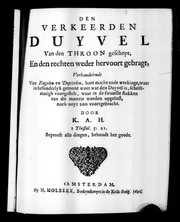

More by AGRIPPA VON NETTESHEIM, Heinrich Cornelius, 14867-1535.
All books →




From the “Witchcraft” Collection
View all →








More Free Witchcraft & Paganism Books
View all →