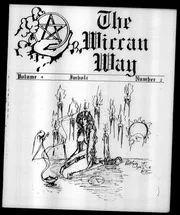
The Wiccan Way 1982: Vol 4 Iss 2
 78
78

The Wiccan Way 1982: Vol 4 Iss 2

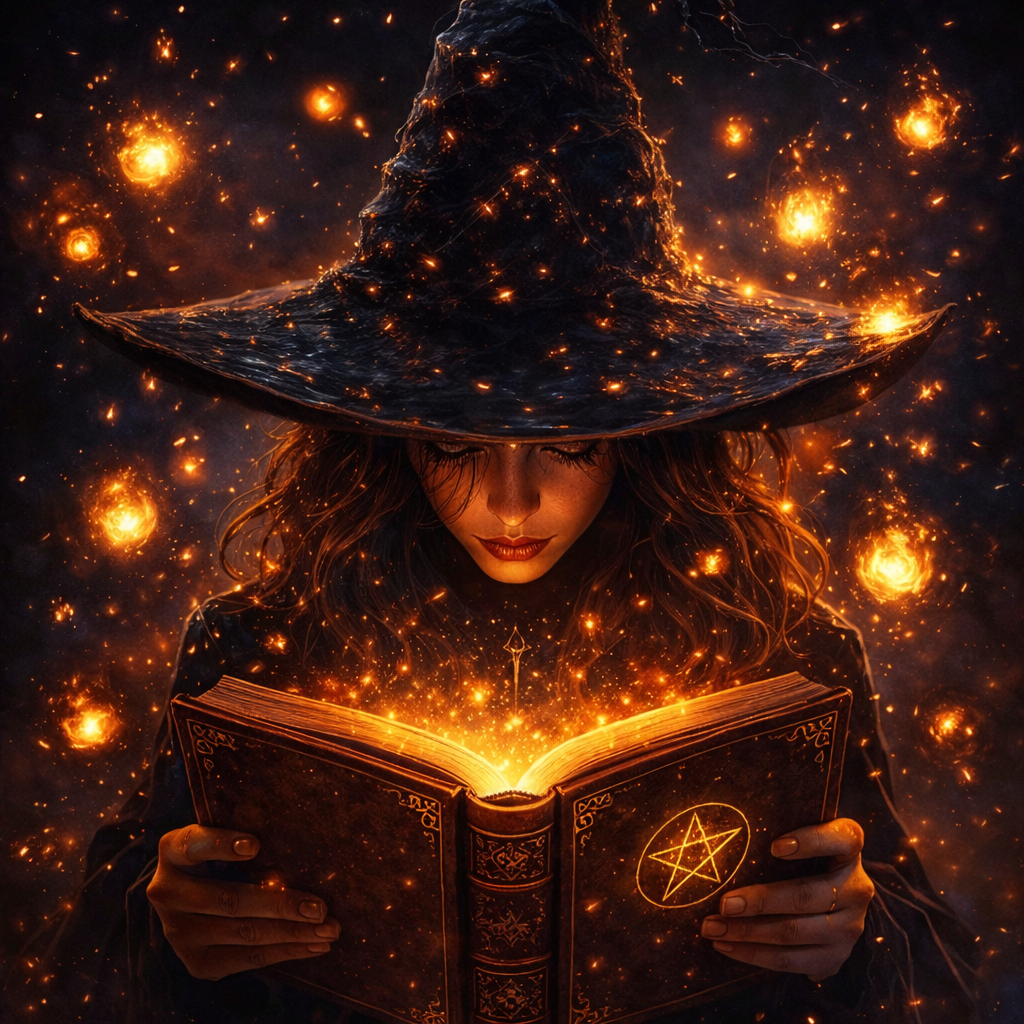

Silas Hawthorne (Hermetic Studies Editor) — This foundational issue of 'The Wiccan Way' offers a compelling snapshot of Wiccan thought in 1982. It expertly navigates the intersection of occult theory and practical application, presenting a balanced perspective on the Craft. The articles delve into themes of elemental magic and cosmic alignment with a clarity that belies the era's nascent scholarly approach to modern Paganism. Its strength lies in its accessibility to both neophytes and seasoned practitioners, providing a valuable resource for understanding the evolving discourse within the Wiccan community. A testament to the enduring power of accessible, well-researched esoteric literature.
📝 Description
78
The Wiccan Way 1982: Vol 4 Iss 2 offers insights into witchcraft as it developed in the early 1980s.
This 1982 issue of The Wiccan Way contains articles on nature's cycles and celestial influences. It includes guidance for practitioners and explores forgotten rituals and the symbolism of the elements. The publication connects historical esoteric traditions with spiritual movements of the late 20th century. It discusses the philosophical underpinnings of Wicca. Those interested in the foundations of the Craft will find specific teachings within these pages.
The content addresses the potent magic within the human spirit and the enduring wisdom of the Craft. It aims to bridge the gap between past esoteric practices and the spiritual awakening of the era. Readers can expect discussions on topics relevant to the developing Pagan community of the time. The issue presents information for both dedicated practitioners and those new to esoteric studies.
Published in 1982, this issue of The Wiccan Way emerged during a period of renewed interest in Paganism and witchcraft in the West. It reflects the ongoing effort to codify and disseminate Wiccan beliefs and practices, building upon earlier traditions established by figures like Gerald Gardner and Doreen Valiente. The articles likely engage with themes common in esoteric literature of the time, such as the relationship between humanity and the natural world, the interpretation of ancient myths, and the development of personal magical practice within a recognized tradition.
💡 Why Read This Book?
Delve into the formative years of modern Witchcraft. 'The Wiccan Way 1982: Vol 4 Iss 2' offers a direct connection to the spiritual currents of the late 20th century, revealing foundational principles and evolving practices. Ideal for seekers of esoteric knowledge, students of religious history, and practitioners seeking to deepen their understanding of Wiccan traditions.
⭐ Reader Reviews
Honest opinions from readers who have explored this book.
❓ Frequently Asked Questions
What is 'The Wiccan Way 1982: Vol 4 Iss 2'?
It is a digitized issue of a periodical dedicated to Wicca and Paganism, offering insights into the practices and philosophies of the Craft during the early 1980s.
Who is the author?
The author is listed as Unknown, which is common for early periodicals where contributions were often from various members of a community or collective.
What are the main subjects covered?
The primary subjects are Witchcraft and Paganism, with a focus on the Wiccan tradition. This specific issue is available in book and microfilm formats.
What is the historical significance of this issue?
It provides a valuable historical document of Wiccan thought and practice during a period of significant growth and evolution for the modern Pagan movement.
Can I read this for free?
Yes, this digitized edition is available for free reading online through the Esoteric Library's curated collection.
🔮 Key Themes & Symbolism
The Cycles of Nature and Celestial Influence
This issue studies the profound connection between the Witch's path and the rhythmic pulse of the natural world. It explores how lunar phases, solar transits, and the turning of the seasons serve not merely as backdrop, but as active participants in magical workings. Understanding these cycles is presented as fundamental to attuning oneself with the Earth's energies, fostering a deeper reverence for life and its inherent transformations. The text encourages practitioners to observe the subtle shifts in flora and fauna, recognizing them as potent symbols and sources of power for spellcraft and personal growth, thereby tying one's life into the greater cosmic dance.
Foundations of Wiccan Practice and Belief
This volume serves as a crucial guide to the nascent tenets and practical applications of Wiccan tradition as understood in the early 1980s. It illuminates core beliefs regarding the divine feminine and masculine, the concept of the God and Goddess, and the ethical framework that underpins the Craft. Readers are introduced to fundamental ritual structures, the importance of sacred space, and the development of psychic awareness. The emphasis is on cultivating a personal connection to the sacred, encouraging self-empowerment and the responsible wielding of magical energies for personal and communal well-being. It’s a foundational text for understanding the spiritual architecture of Wicca.
Symbolism and Esoteric Interpretation
Unlocking the hidden language of the universe is a central theme, as 'The Wiccan Way 1982' meticulously unpacks the body of symbols that inform the Wiccan worldview. From the pentacle to the athame, each icon is explored for its complex meanings and its role in spiritual development. The journal guides readers to look beyond the superficial, encouraging contemplation of how these symbols serve as keys to unlock deeper truths about the self and the cosmos. It fosters an appreciation for the symbolic nature of reality, urging practitioners to engage with these archetypal energies to enhance their magical practices and spiritual understanding.
💬 Memorable Quotes
Direct passages from the work, attributed to the author.
“The moon whispers secrets to the tide, and the witch listens.”
— This evocative phrase highlights the intuitive connection between the witch and natural forces, particularly lunar energies, suggesting a deep, resonant understanding beyond ordinary perception.
“Wisdom is not found, but cultivated in the quiet garden of the soul.”
— This emphasizes that true spiritual understanding is an internal process of growth and introspection, rather than an external discovery, highlighting the importance of inner work.
“The threads of fate are woven, but our hands can guide the shuttle.”
— This suggests a balance between destiny and free will, implying that while certain paths may be laid out, individuals possess the agency to influence and shape their own outcomes through their choices and actions.
💡 Key Ideas
Editorial paraphrase of the work's core concepts — not direct quotes.
Within the circle, we forge our will with the ether.
This quote speaks to the power of ritual space to concentrate magical intent, emphasizing the active shaping of reality through focused will and the manipulation of subtle energies.
The Earth breathes, and we are its lungs.
A poetic expression of deep ecological connection and interdependence, this quote underscores the vital role of humans within the natural world and the reciprocal relationship of life.
🌙 Esoteric Significance
Tradition
This issue is deeply rooted in the modern Wiccan tradition, drawing from its established principles and evolving practices of the late 20th century. It reflects the ongoing efforts to codify and disseminate Wiccan beliefs, rituals, and ethical frameworks. The content likely explores themes of polytheism (God and Goddess), animism, and the sacredness of nature, all central tenets. It represents a vital link in the chain of esoteric transmission, showcasing how practitioners were interpreting and manifesting the Craft during a formative period of its public emergence.
Symbolism
The journal likely engages with a rich lexicon of Wiccan symbolism, interpreting the profound meanings embedded within objects like the athame, chalice, pentacle, and wand, as well as natural elements such as the moon, sun, stars, and the four cardinal directions. These symbols are not merely decorative but serve as conduits for spiritual energy and keys to understanding cosmic principles. The text would guide readers in their personal interpretation and application of these potent archetypes in ritual and daily life, fostering a deeper, more nuanced connection to the magical worldview.
Modern Relevance
Despite its publication date, 'The Wiccan Way 1982: Vol 4 Iss 2' retains significant modern relevance for contemporary Wiccans and Pagans. It offers invaluable historical context, allowing practitioners to trace the lineage of their traditions and understand the intellectual and spiritual foundations upon which current practices are built. For scholars, it provides primary source material on the evolution of modern Paganism. For seekers, it offers a glimpse into authentic voices from a key developmental period, providing timeless wisdom on nature, spirituality, and personal empowerment that continues to resonate.
👥 Who Should Read This Book
This issue is essential for anyone seeking to understand the roots and evolution of modern Witchcraft. Beginners will find foundational explanations of Wiccan beliefs and practices, offering a clear entry point into the Craft. Seasoned practitioners will appreciate the historical perspective and the insights into the discourse of an earlier era, potentially enriching their own magical work. Scholars of religion and occult studies will find it an invaluable primary source document. Seekers of alternative spiritual paths will discover a thoughtful exploration of nature-based spirituality and personal empowerment, making it a compelling read for a broad spectrum of inquiring minds.
📜 Historical Context
Published in 1982, 'The Wiccan Way: Vol 4 Iss 2' emerges from a central era for modern Paganism. The late 20th century witnessed a significant resurgence of interest in esoteric traditions, a spiritual counter-current to the prevailing materialism of the time. Wicca, having moved from its more secretive origins, was solidifying its identity and expanding its reach, with periodicals like this serving as crucial forums for disseminating knowledge, fostering community, and shaping theological and practical discourse. This period was characterized by a growing academic interest in witchcraft studies alongside a burgeoning practitioner base, eager to connect with ancient roots and create new forms of spiritual expression. The digitized nature of this issue highlights the ongoing effort to preserve and make accessible these foundational texts for future generations.
📔 Journal Prompts
Reflect on a natural cycle you observe in your environment and how it mirrors a personal transformation you are undergoing.
Consider the symbolism of one Wiccan tool (e.g., athame, chalice) and how its meaning can be applied metaphorically to your daily life.
How do you currently connect with the divine feminine and masculine energies in your spiritual practice?
Write about a time you felt a profound connection to the Earth or cosmos, and what that experience revealed to you.
Explore your personal ethical framework for magical practice: what guiding principles do you hold dear?
🗂️ Glossary
Wicca
A modern Pagan religion that emphasizes reverence for nature, the divine duality of God and Goddess, and the practice of magic for personal and planetary well-being.
Paganism
A broad term for polytheistic, nature-based religions originating from pre-Christian Europe, encompassing various traditions including Wicca, Druidry, and Heathenry.
Esoteric
Relating to or accessible only by a small number of people with a specialized knowledge or interest; inner, mystical, or secret.
Ritual
A set of actions performed in a prescribed order, often for religious or ceremonial purposes, used in Wicca to create sacred space and focus intent.
Pentacle
A five-pointed star, often enclosed within a circle, symbolizing the elements (earth, air, fire, water, spirit) and used as a protective amulet or symbol of faith in Wicca.
This book appears in 2 collections
🔮 Readers Also Liked
Browse all →






From the “Witchcraft” Collection
View all →






More Free Witchcraft & Paganism Books
View all →