Shifting
 78
78

Shifting
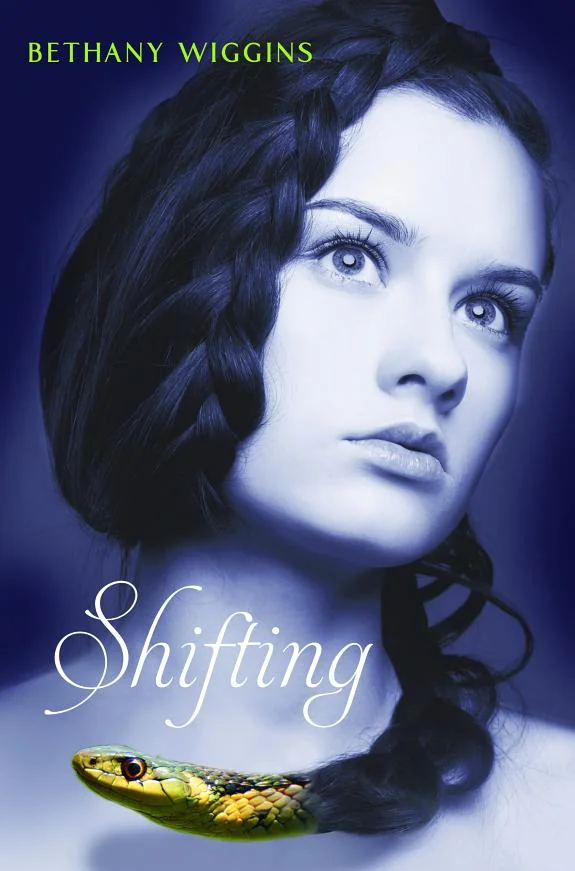
Bethany Wiggins' "Shifting" bravely tackles the potent imagery of Navajo Skinwalkers, embedding them within a contemporary dark romance. The novel’s strength lies in its unflinching portrayal of a protagonist wrestling with a terrifying, inherited power that connects her to the darker aspects of Navajo legend. The author doesn't shy away from the unsettling implications of these ancient myths, particularly concerning the ritualistic aspects and the potential for corruption. However, the romance subplot, while driving the narrative, occasionally feels underdeveloped compared to the rich mythological underpinnings. A particularly striking element is the depiction of the protagonist’s first uncontrolled shift, a visceral and disturbing experience that captures the terror of losing one’s humanity. "Shifting" offers a compelling, albeit bleak, exploration of forbidden power and identity.
📝 Description
78
Bethany Wiggins' 2011 novel Shifting grounds paranormal romance in Navajo mythology.
Shifting centers on a young woman discovering her connection to shapeshifting abilities, specifically Navajo Skinwalker lore. The narrative weaves a dark romance with themes of identity, forbidden love, and the tension between instinct and societal rules. This story is for adult readers who enjoy paranormal romance with a mature, darker tone. It will appeal to those interested in folklore, particularly Indigenous American legends, and their reinterpretation in contemporary fiction. Readers looking for a blend of supernatural elements and intense emotional conflict will find the story engaging. The novel draws upon the rich oral traditions and spiritual beliefs of the Navajo (Diné) people.
The central concept is the 'Skinwalker' figure from Navajo folklore, representing a sorcerer who can transform into animal forms. The narrative also examines the duality of nature versus nurture, the weight of inherited abilities or curses, and the internal struggle when one's true self conflicts with external perception. Transformation, both physical and psychological, is a primary element.
The book engages with the potent symbolism of the Navajo Skinwalker, a figure from oral tradition associated with dark magic and transformation. While historical accounts vary, the concept represents a transgression of sacred laws. Wiggins places these potent symbols within a modern fictional framework, exploring the duality of nature versus nurture and the burden of inherited abilities or curses. The psychological and physical aspects of transformation are central to the narrative's engagement with this esoteric concept.
💡 Why Read This Book?
• Gain insight into the complex symbolism of Navajo Skinwalkers, understanding their place in folklore beyond sensationalism, as depicted in the book's exploration of transgression and dark magic. • Experience a dark romance that directly confronts themes of inherited curses and the struggle for self-control, particularly evident in the protagonist's battle with her shapeshifting abilities. • Discover how ancient Indigenous American legends can be reinterpreted in modern fiction, offering a fresh perspective on supernatural narratives and the consequences of wielding forbidden power.
⭐ Reader Reviews
Honest opinions from readers who have explored this book.
❓ Frequently Asked Questions
What is the primary mythological basis for the book 'Shifting'?
The book draws heavily from Navajo (Diné) folklore, specifically the figure of the Skinwalker, a sorcerer believed to be capable of shapeshifting and practicing dark magic, often associated with transgressing sacred laws.
Is 'Shifting' suitable for young adult readers?
Given its dark themes and intense romantic elements, 'Shifting' is generally considered more appropriate for adult readers. It delves into mature subject matter and a somber atmosphere.
When was Bethany Wiggins' 'Shifting' first published?
Bethany Wiggins' novel 'Shifting' was first published on September 27, 2011, marking its entry into the paranormal romance genre.
Does 'Shifting' accurately represent Navajo beliefs?
The book uses Navajo folklore as inspiration for a fictional narrative. While it engages with concepts like Skinwalkers, it is a work of fiction and not an anthropological or religious text, so interpretations may vary.
What genre does 'Shifting' fall into?
'Shifting' is primarily classified as paranormal romance, with strong elements of dark fantasy and horror due to its focus on shapeshifters and supernatural conflict.
Are there sequels to Bethany Wiggins' 'Shifting'?
Yes, 'Shifting' is part of a series. It is followed by 'Awakening' and 'Torment,' continuing the story and exploring further aspects of the supernatural world established in the first book.
🔮 Key Themes & Symbolism
The Skinwalker Archetype
The novel reimagines the potent figure of the Skinwalker from Navajo tradition, exploring themes of forbidden power, transgression, and the duality of human nature. It studies the idea of a being who has corrupted sacred knowledge, often manifesting as a sorcerer capable of shapeshifting. The book uses this archetype to create a sense of dread and explore the protagonist's own terrifying potential, questioning the boundaries between instinct and malevolence.
Identity and Transformation
Central to 'Shifting' is the struggle for self-identity in the face of an overwhelming, inherited nature. The protagonist grapples with her burgeoning shapeshifting abilities, which are intrinsically linked to the darker aspects of her heritage and the Skinwalker lore. This theme explores the psychological turmoil of feeling like an outsider and the fear of losing one's humanity as one transforms into something primal and feared.
Forbidden Love and Sacrifice
The narrative ties a dark romance through the supernatural elements, presenting a relationship fraught with danger and societal taboo. The love interest often represents a forbidden connection, potentially exacerbating the protagonist's internal conflict and external threats. This theme highlights the sacrifices individuals might make for love, even when it involves embracing the dangerous aspects of their destiny or confronting powerful opposition.
Heritage and Destiny
The book examines the inescapable nature of heritage and destiny, particularly when tied to ancient myths and supernatural lineage. The protagonist finds herself bound to a path dictated by her ancestry, forcing her to confront the legacy of her predecessors, both good and ill. The narrative questions whether one can escape or must embrace their predestined role, especially when it involves powers that blur the lines between human and monstrous.
💬 Memorable Quotes
Direct passages from the work, attributed to the author.
“He was a darkness I craved, a danger I couldn't resist.”
— This reflects the core of the dark romance element, highlighting the magnetic pull towards a potentially destructive love interest. It speaks to the allure of the forbidden and the dangerous fascination that drives the relationship.
“Navajo legends warned of those who walked between worlds, and I was becoming one.”
— This interpretation directly links the protagonist's transformation to the specific folklore of the Skinwalkers. It underscores her growing awareness of her supernatural identity and the liminal state she occupies.
“My instincts screamed danger, yet my heart yearned closer.”
— This highlights the internal conflict between self-preservation and emotional desire, a recurring theme as the protagonist navigates her dangerous circumstances and relationships.
“The shift was not merely physical; it was a descent into something ancient and terrifying.”
— This emphasizes the profound and horrifying nature of the transformation, suggesting it affects not just the body but the very soul, connecting the character to primal forces and ancestral darkness.
💡 Key Ideas
Editorial paraphrase of the work's core concepts — not direct quotes.
The power pulsed within me, a wild thing begging for release.
This quote captures the internal struggle of the protagonist as she experiences her supernatural abilities for the first time. It emphasizes the primal, untamed nature of her power and the imminent threat of losing control.
🌙 Esoteric Significance
Tradition
While not directly affiliated with a formal esoteric lineage like Hermeticism or Kabbalah, "Shifting" draws heavily upon Indigenous American shamanic traditions and oral histories, particularly those concerning shapeshifting and dark magic. It engages with concepts that resonate with animistic beliefs and the idea of spiritual power residing within nature and specific bloodlines. The work operates on the periphery of esoteric studies by reinterpreting these potent cultural narratives within a contemporary fictional context, offering a secularized or romanticized glimpse into what might be considered shamanic practices.
Symbolism
The central symbol is the **Skinwalker**, representing a corrupted shaman or sorcerer who has violated sacred laws to gain power, often through animal transformation. This figure embodies the transgression of boundaries—between human and animal, sacred and profane, good and evil. Another key symbol is the **transformation** itself, which signifies not just a physical change but a profound psychological and spiritual shift, often indicating a loss of control or an embrace of a darker, primal self. The **moon** also serves as a recurring motif, often associated with the wild, the nocturnal, and the forces that emerge under its influence, amplifying the sense of mystery and danger.
Modern Relevance
In contemporary occult and esoteric circles, "Shifting" serves as an example of how ancient folklore, particularly Indigenous American narratives, can be recontextualized for modern audiences, albeit with caution regarding cultural appropriation. It aligns with a broader interest in shamanic themes, animism, and the exploration of primal instincts within spiritual or psychological frameworks. Thinkers and practitioners interested in comparative mythology, the psychology of archetypes, and the darker aspects of supernatural lore might find its fictional exploration of shapeshifting and forbidden power compelling, even if not a direct source of doctrinal teaching.
👥 Who Should Read This Book
• Adult fans of dark paranormal romance seeking stories with Indigenous mythological elements, offering a blend of supernatural thrills and intense emotional drama. • Readers interested in exploring themes of inherited curses, identity crises, and the struggle against one's own primal nature, presented through the lens of shapeshifting lore. • Those curious about fictional interpretations of Navajo legends, particularly the Skinwalker archetype, and how ancient folklore can be adapted into contemporary narratives.
📜 Historical Context
When Bethany Wiggins' "Shifting" was released in 2011, the paranormal romance genre was a dominant force in young adult and adult fiction. Authors like Stephenie Meyer had already paved the way for supernatural beings to become romantic leads. "Shifting" tapped into this trend by incorporating elements of Indigenous American folklore, specifically the complex and often feared figure of the Navajo Skinwalker. This choice positioned the novel within a broader cultural conversation, sometimes controversial, about the appropriation and reinterpretation of Indigenous myths in mainstream media. While not directly engaging with academic discourse, the book's existence speaks to a growing, albeit often superficial, interest in non-Western mythologies among popular fiction readers. Its reception would have been influenced by the existing market's appetite for darker, more morally ambiguous supernatural romance, contrasting with earlier, lighter paranormal tales.
📔 Journal Prompts
The protagonist's internal conflict between her human self and the Skinwalker's nature.
The symbolism of the uncontrolled transformation and its emotional impact.
The ethical implications of wielding forbidden power, as suggested by the Skinwalker lore.
Reflections on the allure and danger of the forbidden romance presented.
The connection between heritage and destiny as portrayed in the narrative.
🗂️ Glossary
Skinwalker
A figure from Navajo (Diné) folklore, typically depicted as a sorcerer or witch who has gained supernatural power through evil deeds, often capable of shapeshifting into animal forms. The term implies a deep spiritual corruption.
Shapeshifting
The ability to transform one's physical form into that of another creature, most commonly an animal. In the context of the book, it is a supernatural ability tied to a dark heritage.
Navajo (Diné)
The largest Native American tribe in the United States, indigenous to the Four Corners region. Their rich oral traditions and mythology form the basis for elements within the book.
Dark Romance
A subgenre of romance fiction that incorporates elements of horror, the supernatural, and morally ambiguous characters or situations. It often explores darker themes and intense emotional conflict.
Primal Instincts
Basic, innate urges and behaviors driven by survival and biological drives. In the book, these are amplified by the supernatural elements, representing a struggle against one's more savage nature.
Heritage
The traditions, beliefs, or values passed down from generation to generation within a family or culture. In 'Shifting,' heritage is directly linked to supernatural abilities and potential curses.
Transgression
An act that goes against a law, rule, or code of conduct. In relation to Skinwalker lore, it signifies a violation of sacred spiritual principles for personal gain.
This book appears in 1 collection
🔮 Readers Also Liked
Browse all →









From the “Shapeshifting” Collection
View all →





More Free Occult Philosophy Books
View all →