Vampires
 78
78

Vampires
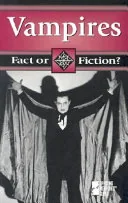
Angela Cybulski’s "Vampires" offers a refreshing departure from lurid sensationalism, presenting a structured analysis of a figure that has long been both mythologized and misunderstood. The strength of the work lies in its rigorous comparative approach, drawing connections between disparate cultural narratives to reveal underlying thematic continuities. Cybulski’s examination of the vampire as a symbol of repressed fears, particularly around mortality and forbidden desires, is particularly incisive. However, the text occasionally suffers from a somewhat dry academic tone that may deter readers seeking a more visceral engagement with the subject. A notable passage details the specific folkloric accounts from Eastern Europe in the 18th century, such as the Peter Plogojowitz case, which Cybulski uses to illustrate the societal panic and ritualistic responses to perceived vampirism.
Ultimately, "Vampires" is a valuable resource for understanding the deep cultural resonance of this ancient archetype.
📝 Description
78
Angela Cybulski's "Vampires" (2023) examines the archetype's roots from ancient beliefs to modern fiction.
Cybulski's "Vampires" offers a close look at the vampire figure across cultures and time. The book separates genuine folklore from later literary additions, analyzing the common traits of vampiric beings. It investigates the archetype's deeper origins and its many interpretations, moving past simple movie versions. The work dissects characteristics like nighttime activity, blood-drinking, and unending life, considering their symbolic meaning and possible beginnings. Cybulski questions whether vampires truly existed, instead concentrating on their role as powerful symbols in shared human psychology. The text probes the psychological and cultural factors that make the vampire a lasting and changeable symbol in stories.
This study is for those with a strong interest in folklore, mythology, comparative religion, and the psychology of archetypes. It suits scholars, students, and people interested in the esoteric who want a thorough and critical understanding of the vampire legend. Those curious about how supernatural beliefs have changed historically and the cultural fears that shape them will find much to consider.
This book fits within the esoteric tradition by examining figures that cross the boundaries of myth, psychology, and history. It looks at how certain archetypes, like the vampire, function as potent symbols that reflect deep human concerns and beliefs. By tracing these figures through ancient systems and into modern storytelling, Cybulski connects the study of myth to an understanding of the collective unconscious, a concept central to many esoteric philosophies. The work treats the vampire not just as a monster, but as a lens through which to view enduring aspects of the human psyche and its relationship to the supernatural.
💡 Why Read This Book?
• Gain a nuanced understanding of the vampire archetype by examining its historical roots and cross-cultural variations, moving beyond superficial literary and cinematic tropes. Learn how figures like Peter Plogojowitz exemplify historical fears. • Explore the symbolic significance of vampirism as a manifestation of collective psychological anxieties related to life, death, and societal taboos, as presented in Cybulski's analysis of 18th-century folklore. • Discern between genuine folklore, literary invention, and modern stereotypes by analyzing the core characteristics Cybulski identifies, separating historical accounts from Hollywood portrayals.
⭐ Reader Reviews
Honest opinions from readers who have explored this book.
❓ Frequently Asked Questions
What historical periods does Angela Cybulski's "Vampires" cover?
The book spans millennia, investigating the vampire figure from ancient mythologies through to its more recent manifestations. It specifically references 18th-century European folklore and the evolution of Gothic literature.
Does "Vampires" by Angela Cybulski discuss the existence of real vampires?
The work critically examines whether vampires truly exist among us, but primarily focuses on defining their characteristics and exploring their symbolic presence in culture and mythology rather than asserting their physical reality.
What is the primary academic discipline of "Vampires"?
Primarily a work of folklore and comparative mythology, "Vampires" also draws on cultural studies, psychology, and religious studies to analyze the archetype's enduring power.
Is this book suitable for casual readers interested in vampire fiction?
While informative, the text adopts a scholarly approach. Casual readers might find it more academic than typical vampire fiction analyses, focusing on cultural origins and symbolism.
When was "Vampires" by Angela Cybulski first published?
Angela Cybulski's "Vampires" was first published in 2003, offering a contemporary scholarly perspective on an ancient subject.
What distinguishes Cybulski's approach to vampires from popular media?
Cybulski's work separates the folkloric and mythological roots of the vampire from inconsistent stereotypes found in literature and film, aiming for a more accurate and culturally sensitive definition.
🔮 Key Themes & Symbolism
Archetypal Persistence
Cybulski's "Vampires" investigates how the figure of the vampire, despite evolving forms, consistently reappears across different cultures and eras. The work posits that this persistence stems from its embodiment of deep-seated human fears and desires, particularly concerning mortality, transgression, and the unknown. The book analyzes how this archetype serves as a focal point for societal anxieties, allowing cultures to externalize and process these complex emotions through narrative and ritual. The exploration of vampiric traits across diverse mythologies highlights the universal human need to confront and understand the darker aspects of existence.
Folklore vs. Fiction
A central theme is the critical distinction between authentic folkloric accounts of vampirism and the often-inaccurate stereotypes perpetuated by literature and film. Cybulski examines specific historical cases and traditional beliefs, such as those prevalent in 18th-century Eastern Europe, to reconstruct a more accurate picture of the vampire myth's origins. The text scrutinizes how later fictional interpretations, from Gothic novels to modern cinema, have shaped public perception, often obscuring the original cultural and psychological functions of these legends. This thematic thread emphasizes the importance of critical engagement with source material.
Symbolic Embodiment
The book studies the vampire as a potent symbol, representing a spectrum of human concerns. It explores how the vampire embodies forbidden appetites, the fear of death and decay, and the allure of immortality or forbidden power. Cybulski analyzes the symbolic weight of vampiric characteristics—such as blood-drinking, nocturnal existence, and predatory nature—as reflections of cultural taboos and primal instincts. This symbolic interpretation offers a framework for understanding the vampire's enduring presence not as a literal entity, but as a powerful cultural construct that speaks to fundamental aspects of the human psyche.
Cultural Anxiety and Ritual
Cybulski's "Vampires" situates the legend within the broader context of cultural anxieties and the ritualistic practices developed to combat perceived threats. The text examines how the fear of vampirism historically prompted specific societal responses, from exhumations and staking to protective rituals. It suggests that the vampire myth functions as a mechanism for communities to identify and address perceived sources of societal decay or disruption. By studying these responses, the book sheds light on how cultures grapple with the supernatural and maintain social order in the face of the unknown.
💬 Memorable Quotes
Direct passages from the work, attributed to the author.
“The figure of the vampire has existed within the history of many cultures for thousands of years.”
— This foundational statement underscores the ancient and widespread nature of vampiric lore, positioning the book's analysis within a broad historical and cross-cultural framework, far removed from modern fictional interpretations.
“While the true nature of the vampire is shrouded in mystery, its image is also prey to the often inconsistent or inaccurate stereotypes found in literature and film.”
— This highlights the core tension the book addresses: the gap between the enigmatic origins of the vampire archetype and its often-simplified or distorted representation in popular culture, setting up the need for a more critical examination.
“This text presents a collection of writings that attempt to define the main characteristics of the vampire...”
— This indicates the book's systematic and analytical approach, promising a structured exploration of vampiric traits rather than a purely narrative or sensationalist account, focusing on definition and characteristic analysis.
“...and to explore whether or not vampires truly exist among us.”
— This suggests the book engages with the question of the vampire's reality, but likely through a symbolic or psychological lens rather than a literal one, prompting readers to consider the archetype's presence in contemporary thought and culture.
💡 Key Ideas
Editorial paraphrase of the work's core concepts — not direct quotes.
The vampire archetype embodies both forbidden appetites and the fear of mortality.
This paraphrased concept points to the dual nature of the vampire as a symbol—representing primal desires and fears simultaneously, serving as a potent lens through which to view human psychology and cultural anxieties.
🌙 Esoteric Significance
Tradition
While not explicitly tied to a single esoteric lineage, "Vampires" engages with themes resonant within Western esotericism, particularly the study of archetypes and shadow aspects of the psyche. It aligns with the analytical psychology of Carl Jung in its exploration of universal symbolic figures. The work can be seen as contributing to a broader esoteric interest in the supernatural and the symbolic representation of death, rebirth, and primal forces, often explored in Hermetic and Gnostic traditions.
Symbolism
The vampire functions as a potent symbol of the shadow self, representing repressed desires, primal instincts, and the fear of mortality that adherents of various esoteric traditions seek to understand and integrate. The motif of blood-drinking can symbolize the draining of life force or vital energy, a concept explored in different alchemical and magical contexts. Nocturnal activity and association with the underworld further connect the vampire to cycles of death and regeneration, common themes in mystery religions and occult symbolism.
Modern Relevance
Contemporary practitioners of Jungian psychology and those interested in archetypal studies continue to draw on analyses like Cybulski's to understand the enduring power of the vampire figure. It informs discussions on the shadow, the anima/animus, and the collective unconscious. Furthermore, modern occultists and scholars of comparative mythology utilize such works to explore the symbolic representation of power dynamics, forbidden knowledge, and the liminal spaces between life and death in contemporary culture.
👥 Who Should Read This Book
• Students of comparative mythology and folklore seeking a scholarly examination of the vampire archetype beyond popular culture. • Researchers in cultural history and psychology interested in how societal anxieties are manifested in myth and legend, particularly concerning the 18th-century European vampiric panics. • Esoteric practitioners and enthusiasts who analyze archetypes and symbolic figures for deeper psychological and spiritual understanding.
📜 Historical Context
Published in 2003, Angela Cybulski's "Vampires" emerged during a period of renewed academic and popular interest in folklore, mythology, and occult studies. It arrived years after the widespread influence of Bram Stoker's 1897 novel "Dracula" and its subsequent cinematic adaptations, which had largely defined the modern image of the vampire. Cybulski's work sought to contextualize this popular image by grounding it in earlier, more diverse folkloric traditions, particularly referencing the 18th-century European vampiric panics. While contemporary scholars like Claude Lévi-Strauss had explored structuralist approaches to myth, Cybulski's focus was more specific to the vampire's cultural evolution. The book’s reception likely appealed to those within academic circles studying comparative religion and anthropology, offering a counterpoint to purely literary analyses.
📔 Journal Prompts
The vampire's association with forbidden appetites: how does this manifest in contemporary culture?
Reflect on the symbolic meaning of blood-drinking as presented in the historical context of 18th-century European folklore.
The transition from folkloric figure to literary stereotype: identify one characteristic that changed significantly.
Consider the vampire as a symbol of societal anxieties: what might its persistence signify today?
Analyze the vampire's nocturnal nature: what deeper meanings are suggested by its connection to the night?
🗂️ Glossary
Archetype
In Jungian psychology and mythology, a universal, archaic pattern or image that derives from the collective unconscious and is communicated through art, literature, and symbolism. The vampire is often discussed as a powerful archetype.
Folklore
The traditional beliefs, customs, and stories of a community, passed through the generations by word of mouth. This book distinguishes folkloric vampire accounts from later fictional portrayals.
Stereotype
A widely held but fixed and oversimplified image or idea of a particular type of person or thing. The book contrasts inaccurate stereotypes of vampires in media with their historical roots.
Collective Unconscious
A concept introduced by Carl Jung, referring to the part of the unconscious mind that is common to all humanity, containing inherited archetypes and instincts.
Vampiric Panics
Periods in history, particularly in 18th-century Eastern Europe, characterized by widespread fear and accusations of vampirism, leading to exhumations and ritualistic actions against the dead.
Symbolism
The use of symbols to represent ideas or qualities. The book extensively analyzes the symbolic meanings attributed to the vampire figure across cultures.
Gothic Literature
A literary genre characterized by elements of horror, death, and romance, often featuring supernatural beings and dark, mysterious settings. Its influence on vampire representation is discussed.
This book appears in 1 collection
🔮 Readers Also Liked
Browse all →








From the “Vampirism” Collection
View all →







More Free Occult Philosophy Books
View all →