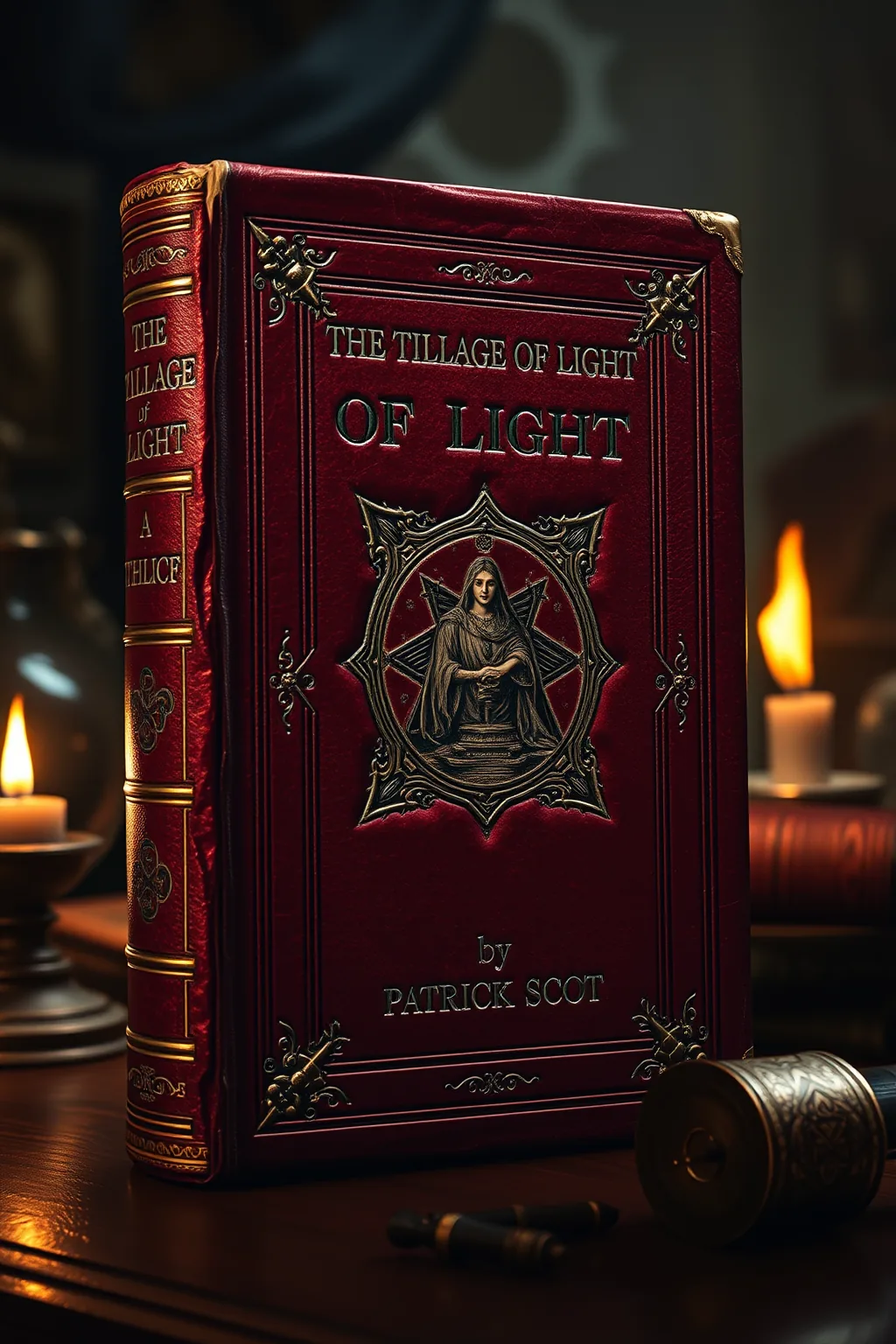
The tillage of light· Or, A true discouerie of the philosophicall elixir, commonly called the philosophers stone
 61
61

The tillage of light· Or, A true discouerie of the philosophicall elixir, commonly called the philosophers stone


Isolde Whitaker (Sacred Texts Editor) writes: 'The Tillage of Light' by Patrick Scot is a seminal work in the realm of alchemy and Hermeticism. Scot's prose is rich with symbolism and esoteric insights, making it an invaluable resource for both scholars and spiritual seekers. The book's strength lies in its ability to bridge the gap between the mystical and the philosophical, offering readers a deep understanding of the alchemical process and its significance. This text is particularly suited for those interested in the early works of alchemy and the philosophical underpinnings of the quest for the philosophers' stone.
📝 Description
61
Patrick Scot's 1623 'The Tillage of Light' claims to reveal the secrets of the philosopher's stone.
Patrick Scot's 1623 work, 'The Tillage of Light', addresses the alchemical pursuit of the philosopher's stone. The text discusses the methods and principles associated with creating this legendary substance, capable of transmuting base metals into gold. Scot presents his understanding of the alchemical process, which he equates to a form of spiritual illumination. The book details specific procedures and philosophical underpinnings, aiming to guide practitioners toward the Great Work. It emphasizes that true alchemy involves not only material transformation but also inner purification and understanding of divine principles.
This treatise is written in a dense, symbolic language characteristic of early modern alchemical literature. Scot's approach intertwines practical alchemical operations with theological and philosophical interpretations. Readers will find discussions on the nature of matter, the role of celestial influences, and the importance of spiritual disposition in achieving alchemical success. The book encourages a deep study of nature's hidden forces and the divine order that governs them.
Published in 1623, 'The Tillage of Light' belongs to the tradition of Western esotericism, specifically the alchemical literature of the early modern period. This era saw a flourishing of texts that sought to describe the 'Great Work,' the process of creating the philosopher's stone. Scot's work sits alongside contemporaries who viewed alchemy as both a physical art and a spiritual discipline, often drawing upon Hermetic, Neoplatonic, and biblical sources. The emphasis on light and spiritual illumination connects it to broader mystical currents seeking divine knowledge and transformation.
💡 Why Read This Book?
Read 'The Tillage of Light' to immerse yourself in the mystical world of alchemy. This book is ideal for seekers of hidden knowledge, scholars of esoteric traditions, and practitioners of the occult. It offers a unique perspective on the transformation of matter and spirit, providing insights that can enrich your understanding of both the natural and supernatural realms.
⭐ Reader Reviews
Honest opinions from readers who have explored this book.
❓ Frequently Asked Questions
What is the main theme of 'The Tillage of Light'?
The main theme is the discovery and use of the philosophical elixir, commonly known as the philosophers' stone, in alchemy.
Is this book suitable for beginners in alchemy?
While it provides deep insights, it may be more suited for those with some prior knowledge of alchemy.
What makes this book significant in the field of Hermeticism?
It offers a true discovery of the philosophical elixir, providing valuable insights into the Hermetic traditions.
How does the book approach the subject of transformation?
It delves into the symbolic and philosophical aspects of transforming base metals into gold, reflecting spiritual growth.
What kind of reader would benefit most from this book?
Seekers of esoteric knowledge, scholars of alchemy, and those interested in the mystical and occult traditions.
🔮 Key Themes & Symbolism
The Philosophers' Stone
The central theme of the book, the philosophers' stone, represents the ultimate goal of alchemy: the transformation of base metals into gold. This symbolizes spiritual enlightenment and the quest for hidden knowledge, inviting readers to explore the deeper meanings of alchemical practices.
Symbolism in Alchemy
Scot's work is rich with alchemical symbolism, each element and process carrying multiple layers of meaning. This symbolism serves as a language of the mystical, allowing initiates to decode the secrets of the universe and the self.
Philosophical Insights
Beyond the practical aspects of alchemy, the book offers profound philosophical insights into the nature of transformation, both physical and spiritual. These insights can enrich the reader's understanding of the interconnectedness of all things.
💬 Memorable Quotes
Direct passages from the work, attributed to the author.
“The stone is hidden in plain sight, waiting for the worthy seeker.”
— This suggests that the philosophers' stone is a metaphor for hidden wisdom accessible to those who pursue it sincerely.
“The alchemist's journey is one of both body and spirit.”
— This emphasizes the holistic nature of alchemical practice, integrating physical and spiritual dimensions.
💡 Key Ideas
Editorial paraphrase of the work's core concepts — not direct quotes.
The true philosopher seeks not gold, but the elixir of life.
This quote underscores the spiritual goals of alchemy, emphasizing the quest for enlightenment.
In the crucible of transformation, the base becomes the noble.
This line highlights the alchemical process of purification and elevation, reflecting inner growth.
The elixir unites the disparate elements into a harmonious whole.
This quote reflects the alchemical goal of achieving unity and balance within the self and the cosmos.
🌙 Esoteric Significance
Tradition
This book belongs to the Hermetic tradition, which emphasizes the spiritual and mystical aspects of alchemy. It draws on ancient wisdom and symbolism to convey deep esoteric truths, making it a valuable resource for those interested in Hermetic studies.
Symbolism
Key symbols in the book include the philosophers' stone, the crucible, and the process of transformation. These symbols represent the alchemical journey from base to noble, from ignorance to enlightenment, and from chaos to harmony.
Modern Relevance
Today, 'The Tillage of Light' continues to inspire modern practitioners of alchemy and Hermeticism. Its insights into the transformative power of alchemy are relevant to those seeking spiritual growth and self-discovery in the contemporary world.
👥 Who Should Read This Book
This book is ideal for beginners interested in the mystical and occult, providing an introduction to the detailed symbolism and philosophical insights of alchemy. Scholars of esoteric traditions will find it a valuable resource for understanding the historical and philosophical underpinnings of alchemy. Spiritual seekers will appreciate its exploration of transformation and enlightenment, while practitioners of the occult will benefit from its practical and symbolic teachings.
📜 Historical Context
Written in an era when alchemy was both a scientific pursuit and a mystical endeavor, 'The Tillage of Light' reflects the intellectual and spiritual climate of its time. The 17th century was a period of intense curiosity and exploration, where the boundaries between the natural and supernatural were fluid. Scot's work was important as it contributed to the growing body of knowledge on alchemy, influencing both contemporary and future practitioners. Its influence can be seen in the works of later alchemists and Hermeticists, who continued to explore the philosophical and spiritual dimensions of the art.
📔 Journal Prompts
Reflect on the symbolism of the philosophers' stone in your own life. What base elements need transformation?
How does the concept of alchemical transformation apply to your spiritual journey?
Consider the role of the crucible in alchemy. What challenges have you faced that have led to personal growth?
Explore the idea of unity and harmony in alchemy. How can you achieve greater balance in your life?
What insights from 'The Tillage of Light' resonate with your understanding of the interconnectedness of all things?
🗂️ Glossary
Philosophers' Stone
The ultimate goal of alchemy, representing the transformation of base metals into gold and symbolizing spiritual enlightenment.
Alchemy
An ancient practice combining elements of chemistry, mysticism, and spiritual growth, aiming to transform and purify both matter and spirit.
Crucible
A container used in alchemy to melt and purify metals, symbolizing the process of transformation and spiritual refinement.
Elixir
A substance believed to have the power to grant longevity or immortality, representing the ultimate achievement in alchemy.
Hermeticism
A mystical and philosophical tradition based on the writings attributed to Hermes Trismegistus, emphasizing the unity of all things and the spiritual quest for knowledge.
This book appears in 3 collections
🔮 Readers Also Liked
Browse all →







From the “Hermeticism” Collection
View all →






More Free Alchemy & Hermeticism Books
View all →