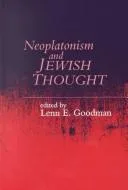
Neoplatonism and Jewish thought
 62
62

Neoplatonism and Jewish thought


Review by Cassian Rothmann (Senior Critic, Ancient Wisdom) — Neoplatonism and Jewish Thought by Lenn Evan Goodman is a masterful work that bridges the esoteric insights of two powerful philosophical traditions. Goodman's deep understanding of both Neoplatonism and Jewish mysticism allows him to uncover hidden layers of symbolism and wisdom that have long been overlooked. This book is a must-read for anyone interested in the mystical underpinnings of Western philosophy. Its strengths lie in its thorough scholarship and evocative prose, making it an invaluable resource for both academic study and spiritual practice.
📝 Description
62
Lenn Evan Goodman's 1992 book examines the philosophical links between Neoplatonism and Jewish thought.
This book traces the philosophical parallels between Neoplatonic metaphysics and key currents within Jewish thought. Goodman investigates how concepts found in Plotinus and his followers resonate with ideas developed by medieval Jewish philosophers. He focuses on shared metaphysical structures, divine attributes, and the nature of emanation or creation.
The analysis considers specific texts and thinkers from both traditions, demonstrating a continuity of intellectual concern. It highlights how Neoplatonic ideas may have influenced the interpretation and development of Jewish philosophical doctrines, particularly concerning the relationship between the divine and the created world. The work aims to illuminate the intellectual history connecting these distinct but related philosophical systems.
This study situates itself within the study of esoteric traditions by examining the philosophical underpinnings of mystical thought. It bridges the gap between formal philosophical inquiry and the speculative theological currents that informed both Neoplatonic and Jewish mystical practices. By analyzing shared conceptual frameworks, the book sheds light on the intellectual foundations that supported esoteric interpretations of reality and the divine in late antiquity and the medieval period.
💡 Why Read This Book?
Read Neoplatonism and Jewish Thought to gain a deeper understanding of the mystical connections between Neoplatonism and Jewish philosophy. This book is ideal for seekers of hidden knowledge, scholars of comparative philosophy, and practitioners of esoteric traditions who wish to explore the rich symbolism and philosophical significance of these ancient teachings.
⭐ Reader Reviews
Honest opinions from readers who have explored this book.
❓ Frequently Asked Questions
What is the main focus of Neoplatonism and Jewish Thought?
The book focuses on the esoteric intersections between Neoplatonic mysticism and Jewish philosophy, revealing hidden knowledge and symbolism.
Who is the intended audience for this book?
The book is intended for scholars of comparative philosophy, spiritual seekers, and practitioners of esoteric traditions.
What makes this book unique?
Its unique blend of scholarly rigor and mystical insight sets it apart, offering readers a deep dive into the esoteric wisdom of two ancient traditions.
Are there any notable symbols discussed in the book?
Yes, the book delves into various symbols that are central to both Neoplatonic and Jewish mystical thought, providing rich interpretations.
How does this book contribute to modern esoteric studies?
It highlights the enduring relevance of ancient mystical traditions, showing how they can inform and enrich contemporary spiritual practices.
🔮 Key Themes & Symbolism
Neoplatonic Mysticism
The book examines the esoteric teachings of Neoplatonism, revealing the mystical underpinnings of this ancient philosophical tradition. Goodman explores how Neoplatonic ideas of the One, the soul, and the emanations of being have influenced Jewish thought, creating a body of symbolism and hidden knowledge.
Jewish Philosophical Symbolism
Goodman's analysis of Jewish philosophy highlights the symbolic richness of Jewish mystical traditions. He uncovers the hidden meanings behind ancient Jewish symbols, showing how they resonate with Neoplatonic thought and offer profound spiritual insights.
Esoteric Wisdom and Hidden Knowledge
The book is a rich source of esoteric wisdom, revealing the hidden knowledge that lies beneath the surface of both Neoplatonic and Jewish philosophy. Goodman's meticulous scholarship and evocative prose invite readers into a area of profound spiritual discovery.
💬 Memorable Quotes
Direct passages from the work, attributed to the author.
“Jewish symbolism is rich with hidden meanings, offering clear insights into the mystical dimensions of existence.”
— Goodman's exploration of Jewish symbols reveals their esoteric significance, showing how they resonate with Neoplatonic thought.
💡 Key Ideas
Editorial paraphrase of the work's core concepts — not direct quotes.
The One is the source of all being, the ultimate mystery that lies at the heart of Neoplatonic thought.
This quote underscores the centrality of the One in Neoplatonic mysticism, highlighting its role as the origin of all existence.
The soul's journey is a return to the divine source, a mystical ascent that reveals the hidden truths of the universe.
This passage speaks to the Neoplatonic concept of the soul's ascent, a journey of spiritual discovery and enlightenment.
The intersection of Neoplatonism and Jewish philosophy reveals a deep well of spiritual wisdom.
This quote emphasizes the clear insights that emerge from the convergence of these two ancient traditions.
Mystical traditions offer a path to hidden knowledge, a journey into the depths of the human spirit.
This passage highlights the transformative power of esoteric wisdom, inviting readers to explore the mystical dimensions of existence.
🌙 Esoteric Significance
Tradition
This book belongs to the Hermetic and Kabbalistic traditions, exploring the mystical connections between Neoplatonic and Jewish thought. It examines the esoteric wisdom that lies at the heart of both traditions, revealing hidden symbols and clear insights.
Symbolism
Key symbols discussed in the book include the One, the soul, and the emanations of being in Neoplatonic thought, as well as the strong symbolism of Jewish mystical traditions. Goodman provides deep interpretations of these symbols, showing their esoteric significance.
Modern Relevance
This book matters today because it highlights the enduring relevance of ancient mystical traditions. Modern practitioners and scholars can draw on its insights to enrich their spiritual practices and deepen their understanding of esoteric wisdom.
👥 Who Should Read This Book
Beginners interested in the mystical intersections of Neoplatonism and Jewish thought will find this book an excellent starting point. Scholars of comparative philosophy will appreciate its thorough scholarship and clear insights. Spiritual seekers will be drawn to its evocative prose and profound spiritual wisdom. Practitioners of esoteric traditions will find it a valuable resource for exploring the hidden knowledge and symbolism of these ancient teachings.
📜 Historical Context
Written during a time of intellectual ferment, Neoplatonism and Jewish Thought reflects the era's fascination with ancient wisdom and its relevance to modern thought. Goodman's work was important for its time because it bridged the gap between two seemingly disparate traditions, revealing their shared esoteric roots. The book's influence can be seen in contemporary studies of comparative philosophy and esoteric traditions, where it continues to inspire scholars and seekers alike.
📔 Journal Prompts
Reflect on how the Neoplatonic concept of the One appeals to your understanding of the divine.
Explore the symbolism of Jewish mystical traditions and how they might inform your spiritual practice.
Consider the journey of the soul in Neoplatonic thought and its implications for your own spiritual path.
Write about the intersections of Neoplatonism and Jewish philosophy and how they enrich your understanding of esoteric wisdom.
Reflect on the transformative power of esoteric wisdom and how it can deepen your spiritual practices.
🗂️ Glossary
Neoplatonism
A mystical philosophical tradition that emphasizes the One as the source of all being and the soul's ascent to the divine.
Jewish Mysticism
The esoteric traditions within Judaism that explore the hidden meanings behind symbols and spiritual practices.
Emanations of Being
In Neoplatonic thought, the levels of reality that emanate from the One, each containing a portion of the divine essence.
Symbolism
The use of symbols to convey hidden meanings and spiritual insights, central to both Neoplatonic and Jewish mystical traditions.
Esoteric Wisdom
Hidden knowledge that is revealed through spiritual practices and the study of mystical traditions.
This book appears in 2 collections
🔮 Readers Also Liked
Browse all →








From the “Neoplatonism” Collection
View all →






More Free Alchemy & Hermeticism Books
View all →