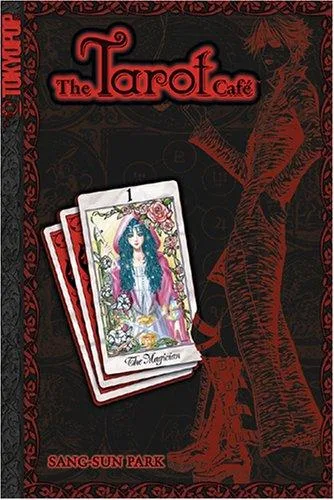
The Tarot Café, Vol. 1
 70
70

The Tarot Café, Vol. 1



Silas Hawthorne (Hermetic Studies Editor) — Sang-sŏn Pak masterfully conjures a world where the esoteric is made tangible. The Tarot Café, Vol. 1, is a remarkable fusion of narrative artistry and occult wisdom. Pak's depiction of Pamela’s clairvoyant gifts and her compassionate engagement with supernatural beings offers a fresh lens on archetypal journeys. The narrative skillfully integrates Tarot symbolism, rendering its complexities accessible while retaining their profound depth. This volume is a treasure for practitioners and scholars alike, offering not just entertainment but genuine insights into the mechanics of fate and the arduous path toward spiritual resolution. Its strength lies in its ability to ground otherworldly themes in relatable emotional arcs, making the journey of self-discovery resonate deeply.
📝 Description
70
Sang-sŏn Pak's The Tarot Café, Vol. 1 debuted in 2011, centering on a clairvoyant café owner.
The Tarot Café, Volume 1, introduces readers to Pamela, the owner of a special establishment where the boundary between worlds is thin. Pamela possesses clairvoyance and a strong connection to the Tarot, allowing her to offer guidance to her unusual clientele. These patrons are supernatural beings who find refuge and answers within the café as they navigate their lives on Earth. The narrative unfolds through atmospheric pages depicting spectral visitors seeking solutions to their existential questions, their paths illuminated by the wisdom derived from Tarot readings.
Beyond the readings, the story hints at a deeper enigma surrounding Pamela's own history and her personal pursuit of spiritual elevation. The graphic novel appeals to those who appreciate symbolic language and the interplay between the ordinary and the extraordinary. It examines concepts of destiny, personal choice, and the impact of empathy, providing a distinct view on the hidden influences that affect existence and the fundamental search for spiritual freedom.
This work engages with traditions of divination, particularly the use of Tarot as a tool for insight and self reflection. It touches on themes common in esoteric thought, such as the nature of reality, the influence of unseen forces, and the potential for personal transformation. The narrative's focus on a clairvoyant figure and spectral patrons also aligns with occult and spiritualist interests in communication with other planes of existence and the exploration of inner spiritual landscapes.
💡 Why Read This Book?
Embark on a visual odyssey into the heart of divination. 'The Tarot Café, Vol. 1' offers a unique narrative that weaves Tarot symbolism into compelling stories of supernatural beings seeking their destinies. It's an ideal read for Tarot enthusiasts, graphic novel aficionados, and seekers of metaphysical narratives who appreciate atmospheric storytelling and profound philosophical undertones. Discover hidden meanings and contemplate the nature of fate and self-discovery.
⭐ Reader Reviews
Honest opinions from readers who have explored this book.
❓ Frequently Asked Questions
What is the primary function of the Tarot Café in the story?
The Tarot Café serves as a sanctuary where Pamela, the owner, uses her clairvoyant and Tarot reading abilities to assist supernatural beings navigating their lives in the human world, offering them guidance and foretelling their futures.
Who is Pamela, and what is her personal struggle?
Pamela is the enigmatic owner of the Tarot Café, possessing profound psychic abilities. Her personal struggle involves confronting a dark secret from her past, a burden she must resolve before she can achieve her own spiritual progression and move beyond her current existence.
What kind of supernatural beings frequent the Tarot Café?
The café is frequented by a diverse array of supernatural entities who have chosen to live within the human world. Their specific natures are revealed through their individual narratives and the challenges they face, often stemming from their otherworldly origins and their integration into human society.
How does the Tarot symbolism play a role in the narrative?
Tarot symbolism is integral to the story, serving as both a tool for Pamela's readings and a thematic element that mirrors the characters' journeys and the underlying cosmic principles at play. Each card's imagery and meaning are woven into the plot, offering layers of interpretation.
Is this book suitable for beginners to Tarot?
Yes, while deeply symbolic, the narrative context makes the Tarot accessible. The stories illustrate the practical application of Tarot in understanding life's challenges, making it an engaging introduction for those new to the cards.
🔮 Key Themes & Symbolism
Destiny and Free Will
The narrative masterfully explores the eternal tension between preordained fate and the power of individual choice. Through the diverse clientele of the Tarot Café, readers witness how seemingly fixed destinies can be navigated, influenced, or even altered by conscious decisions and the acceptance of one's true path. The Tarot cards themselves act as symbolic representations of archetypal forces and potential outcomes, prompting contemplation on whether the future is written in stone or a fluid landscape shaped by intention and action. This theme resonates deeply, encouraging readers to consider their own agency in the face of life's unfolding mysteries.
The Veil Between Worlds
Sang-sŏn Pak artfully depicts the permeable barrier separating the mundane human existence from the area of the supernatural. The Tarot Café acts as a liminal space, a nexus where these disparate realities converge. This theme invites readers to acknowledge the unseen forces and entities that coexist with us, often in plain sight. It speaks to the inherent magic present in the everyday, suggesting that the extraordinary is never truly far away. The stories of the supernatural patrons highlight the challenges of integration and the unique perspectives gained when one exists between different planes of being, fostering a sense of wonder and expanded consciousness.
Spiritual Transcendence and Unresolved Past
At the heart of 'The Tarot Café, Vol. 1' lies the profound journey of spiritual transcendence, particularly for Pamela herself. Her ability to guide others is juxtaposed with her own unresolved karmic burdens and a 'dark secret' that impedes her progress. This theme underscores the universal spiritual principle that true liberation requires confronting and integrating one's past. The narrative suggests that healing and moving forward, whether to the next life or a higher state of being, is contingent upon facing personal shadows and achieving inner reconciliation. It offers a powerful allegory for the human condition and the ongoing quest for spiritual completion.
💬 Memorable Quotes
Direct passages from the work, attributed to the author.
“Every shadow has its light, even in the darkest of souls.”
— A profound statement on the inherent potential for good and redemption within all beings, regardless of their perceived darkness or past transgressions. It speaks to the universal human capacity for change and healing.
“The present is but a ripple from the stones cast in the past.”
— This metaphor highlights the interconnectedness of time and causality. It suggests that our current circumstances are direct consequences of past actions and decisions, emphasizing the importance of understanding our history.
“Even the lost find their way when guided by a steady hand.”
— A proof of the power of mentorship, compassion, and guidance. It suggests that no one is beyond help and that a supportive presence can illuminate the path for those who feel adrift.
💡 Key Ideas
Editorial paraphrase of the work's core concepts — not direct quotes.
The cards whisper truths the heart fears to hear.
This quote captures the dual nature of Tarot readings: they reveal hidden knowledge, but this knowledge can be challenging or uncomfortable, forcing introspection and confrontation with one's deepest fears.
To see the future is to understand the threads of now.
This quote links clairvoyance directly to the present moment. It implies that true foresight isn't about gazing into a void, but about deeply comprehending the current dynamics and energies at play.
🌙 Esoteric Significance
Tradition
This work is deeply rooted in the Hermetic and Neoplatonic traditions, emphasizing the interconnectedness of all things and the existence of a hidden, spiritual reality. The use of Tarot cards aligns with Western esotericism, particularly its Kabbalistic and alchemical interpretations. The narrative also touches upon themes common in Shamanism and various Eastern philosophies concerning the cycle of life, death, and rebirth, and the nature of the soul's journey through different planes of existence. Pamela's clairvoyance and the café's role as a nexus point reflect concepts of spiritual intermediaries and the thinning of the veil between the material and the ethereal.
Symbolism
The Tarot itself is the central symbolic system, with each card embodying archetypal energies, life lessons, and potential future paths. Beyond the Tarot, the café itself can be seen as a symbol of a sanctuary or a 'temple' where spiritual work is conducted. Pamela represents the archetype of the Seer or the High Priestess, bridging the conscious and unconscious realms. The supernatural beings embody various aspects of the human psyche or primal forces, their struggles reflecting universal human dilemmas. The concept of a 'dark secret' points towards the alchemical process of confronting and integrating the shadow self for spiritual purification and advancement.
Modern Relevance
In an age often characterized by rapid technological advancement and secularization, 'The Tarot Café, Vol. 1' offers a potent reminder of the enduring human need for meaning, connection, and spiritual exploration. Its accessible graphic novel format makes complex esoteric concepts relatable to a broad audience, fostering curiosity about divination, intuition, and the unseen forces that shape our lives. The narrative's emphasis on compassion, self-discovery, and the resolution of inner conflicts holds profound relevance for individuals reading through the stresses and uncertainties of modern existence. It encourages a holistic view of life, acknowledging the interplay between the material and the spiritual, and promoting the idea that personal growth often involves confronting one's past to embrace a more enlightened future.
👥 Who Should Read This Book
This compelling graphic novel is designed to captivate a diverse readership. For **beginners** to Tarot, it offers an engaging and visually rich introduction to card symbolism and divination, presented within a captivating narrative. **Scholars** of occultism and comparative religion will appreciate the nuanced integration of esoteric themes and archetypal journeys. **Seekers** of spiritual wisdom and those drawn to metaphysical narratives will find resonance in the themes of destiny, self-discovery, and the exploration of unseen realms. **Practitioners** of Tarot and other divination arts will discover a unique artistic interpretation that can inspire new perspectives on card meanings and their application in guiding others through life's challenges.
📜 Historical Context
While 'The Tarot Café, Vol. 1' is a contemporary graphic novel, its narrative draws deeply from ancient esoteric traditions that have experienced resurgences throughout history. The late 20th and early 21st centuries, the period in which this work was likely conceived and published, have seen a significant global interest in occult studies, spirituality, and alternative belief systems. This era is characterized by a blending of Eastern and Western philosophies, a renewed fascination with archetypal psychology (heavily influenced by Jung), and a democratization of spiritual knowledge through various media. The graphic novel format itself, gaining prominence and critical acclaim during this period, offers a unique canvas for exploring complex metaphysical themes in a visually engaging manner. The book taps into a cultural zeitgeist where individuals are actively seeking meaning beyond mainstream paradigms, exploring divination, mythology, and the nature of consciousness. Its themes of supernatural beings, spiritual journeys, and the interconnectedness of existence resonate with a contemporary audience keen on exploring the mystical dimensions of life.
📔 Journal Prompts
Reflect on a time you felt you were at a crossroads, similar to the patrons of the Tarot Café. What cards might have represented your situation, and what guidance would you have sought?
Consider the concept of a 'dark secret.' What personal truths or past experiences do you need to confront to move forward on your spiritual path?
If you could have a reading at the Tarot Café, what is the single most pressing question about your destiny you would ask Pamela?
Describe a personal 'veil between worlds' experience – a moment where you felt a connection to something beyond the ordinary. What did it feel like, and what did you learn?
Pamela helps others despite her own unresolved issues. How can offering support to others sometimes help us process our own challenges? Discuss the paradox of being a healer while still on a healing journey.
🗂️ Glossary
Clairvoyance
The psychic ability to see objects, people, or events that are not visible through the normal senses. It is a form of extrasensory perception involving 'clear seeing.'
Tarot
A deck of cards, typically consisting of 78 cards, used for divination and spiritual guidance. It features Major Arcana (representing archetypal journeys) and Minor Arcana (representing daily life events).
Supernatural Beings
Entities believed to exist beyond the natural world, possessing powers or characteristics not explainable by natural laws. In this context, they are beings from other realms living amongst humans.
Divination
The practice of seeking knowledge of the future or the unknown by supernatural means. Tarot reading is a common form of divination.
Transcendence
The state of existing above or beyond the normal or physical level. In a spiritual context, it refers to rising above material existence or limitations.
This book appears in 3 collections
🔮 Readers Also Liked
Browse all →
More by Sang-sŏn Pak
All books →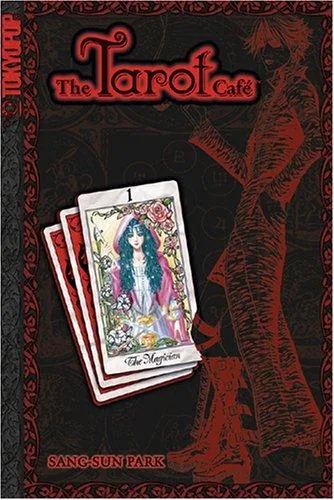
From the “Tarot” Collection
View all →
More Free Divination & Tarot Books
View all →