The tarot café
 70
70

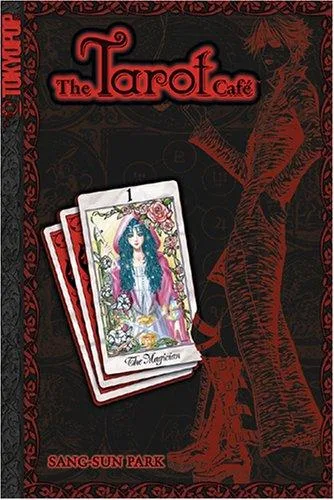
The tarot café



Isolde Whitaker, Sacred Texts Editor: Sang-sŏn Pak masterfully weaves a narrative that transcends typical genre boundaries, offering a profound exploration of esoteric themes within a compelling manga format. The Tarot Café is more than a setting; it's a crucible for confronting past traumas and embracing supernatural identities. Pak’s nuanced portrayal of Pamela’s ancient grief and Aaron’s internal struggles resonates deeply, inviting readers to ponder themes of empathy and the cyclical nature of persecution. The integration of tarot archetypes lends a rich layer of symbolic meaning, making this a must-read for practitioners and seekers alike who appreciate sophisticated storytelling that touches upon the hidden currents of existence. This work is a testament to the enduring power of narrative to illuminate the esoteric.
📝 Description
70
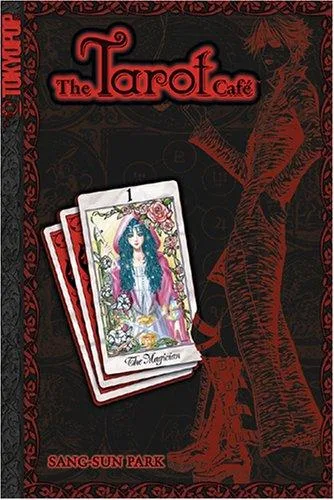
Sang-sŏn Pak's The Tarot Café began publication in 2017.
The Tarot Café centers on Pamela, its proprietor, who has lived for 700 years after her mother was persecuted. She runs a café where tarot cards are central to the patrons' experiences. Her new employee, Aaron, is a werewolf dealing with his own difficult past. The narrative uses tarot symbolism to examine themes of prejudice and how people find belonging. Aaron's presence in the café offers him a place to heal and connect.
The story connects Pamela's ancient trauma to the present-day experiences of her characters. It looks at how fear and misunderstanding shape lives. The café becomes a space for characters to confront their struggles and find support. The work blends fantasy and supernatural elements with explorations of emotional healing and the concept of chosen family.
This work engages with esoteric traditions through its central use of tarot symbolism. The tarot is presented not merely as a fortune-telling tool, but as a system that reflects archetypal energies and historical echoes. The narrative implies a connection between the mundane world and a magical one, where characters' personal struggles are mirrored by larger, perhaps karmic, patterns. Pamela's 700-year existence suggests a deep, ongoing engagement with spiritual or supernatural realities, placing the story within a lineage of fiction that explores long lifespans and the wisdom gained from them.
💡 Why Read This Book?
Immerse yourself in a richly illustrated world where tarot symbolism intertwines with supernatural drama. This manga offers a poignant exploration of prejudice, healing, and the search for belonging. Ideal for readers who appreciate evocative storytelling, deep character arcs, and the mystical allure of divination, it provides a unique lens through which to examine personal growth and historical echoes.
⭐ Reader Reviews
Honest opinions from readers who have explored this book.
❓ Frequently Asked Questions
What is the central premise of The Tarot Café?
The Tarot Café centers on Pamela, the owner of a mystical café, who hires Aaron, a troubled werewolf, and grapples with the lingering pain of her mother's persecution centuries ago.
What role does the Tarot play in the story?
The Tarot serves as a powerful symbolic framework, reflecting the characters' inner journeys, past traumas, and the unfolding of their destinies, enriching the narrative with archetypal resonance.
Who is the intended audience for this manga?
This manga is perfect for fans of supernatural fiction, fantasy, and those interested in tarot, divination, and stories that explore complex emotional themes and historical injustices.
Does the story involve graphic violence or mature themes?
While the story deals with mature themes like prejudice and past trauma, it is presented through the evocative lens of manga, focusing on emotional depth and symbolic representation rather than gratuitous depictions.
Is this book suitable for beginners interested in Tarot?
Yes, the narrative subtly introduces tarot concepts through its symbolism and character interactions, making it an accessible and engaging entry point for those curious about tarot's archetypal language.
🔮 Key Themes & Symbolism
The Weight of Ancient Grief
This theme studies the profound and enduring impact of historical trauma, particularly the persecution of marginalized individuals and the lingering sorrow it casts across generations. Pamela's 700-year-old pain serves as a powerful metaphor for how unresolved grief can shape present lives, influencing relationships and perceptions. The narrative explores the arduous journey of acknowledging and processing such deep-seated emotional wounds, suggesting that understanding the past is crucial for personal liberation and for preventing the repetition of historical injustices.
Supernatural Beings and Societal Prejudice
The story masterfully intertwines the lives of supernatural beings, like Aaron the werewolf, with the pervasive issue of societal prejudice. It examines how fear, ignorance, and intolerance lead to the persecution of those who are different, mirroring historical witch hunts and modern-day discrimination. By placing these characters in a unique setting, the manga encourages readers to question their own biases and to empathize with the struggles of those who live on the fringes of acceptance, highlighting the universal human need for understanding and belonging.
Tarot as a Mirror of the Soul
Within The Tarot Café, the tarot deck transcends its function as a mere game; it becomes a profound tool for self-discovery and a mirror reflecting the deepest aspects of the human psyche. Each card's symbolism is intricately woven into the narrative, clear the characters' inner conflicts, hidden desires, and potential paths forward. The story demonstrates how engaging with these archetypal energies can facilitate introspection, offer guidance through difficult times, and reveal the interconnectedness of fate, choice, and personal transformation.
💬 Memorable Quotes
Direct passages from the work, attributed to the author.
“Some wounds never truly heal, they merely scar.”
— This poignant observation reflects the lasting impact of deep emotional pain, implying that while healing may occur, the memory and lessons of the hurt remain.
“In the silence of the cards, truth whispers.”
— This highlights the esoteric nature of the tarot, suggesting that through its symbolic language and intuitive interpretation, clear insights and hidden truths can be revealed.
“We are all creatures of twilight, caught between worlds.”
— This evocative statement speaks to the liminal existence of characters like Aaron, embodying the feeling of being neither fully accepted by one world nor belonging to another.
“Compassion is the oldest magic of all.”
— This emphasizes the transformative power of empathy and understanding, positioning it as a fundamental force that can overcome division and foster connection.
💡 Key Ideas
Editorial paraphrase of the work's core concepts — not direct quotes.
The past is not dead; it is not even past.
This quote speaks to the enduring influence of history and personal trauma, suggesting that unresolved events continue to shape the present and demand acknowledgment.
🌙 Esoteric Significance
Tradition
The Tarot Café draws heavily from Western esoteric traditions, particularly the use of tarot as a divinatory and psychological tool. It reflects the Hermetic principles of 'as above, so below,' where the symbolic language of the cards reflects the macrocosm of universal energies and the microcosm of individual human experience. The narrative also touches upon themes common in Jungian psychology and archetypal mythology, exploring the shadow self and the process of individuation through the characters' journeys.
Symbolism
The tarot cards themselves are the primary symbols, each representing universal archetypes and stages of human experience. Pamela's own tragic history, tied to prejudice, invokes symbols of persecution and resilience. Aaron's werewolf nature symbolizes the primal, untamed aspects of the psyche and the duality of human nature. The café itself acts as a sanctuary, a liminal space where these symbolic elements converge and interact, facilitating transformation and revelation.
Modern Relevance
In an era often characterized by division and misunderstanding, The Tarot Café's exploration of prejudice and the need for empathy resonates profoundly. The use of tarot as a means of self-reflection and understanding offers readers a contemporary approach to personal growth and spiritual inquiry. The narrative’s focus on chosen family and finding belonging highlights universal human desires, making its themes relevant to anyone reading through the complexities of modern life and seeking connection.
👥 Who Should Read This Book
This captivating manga is a treasure for several audiences. **Beginners** curious about tarot will find its archetypal themes woven seamlessly into an engaging narrative, offering an accessible introduction. **Seekers** of spiritual and philosophical depth will appreciate the exploration of prejudice, healing, and the search for meaning. **Scholars** of comparative mythology and symbolism will find rich material in the integration of tarot and supernatural elements. **Practitioners** of divination will recognize and connect with the profound symbolic language used to illustrate character development and destiny.
📜 Historical Context
Sang-sŏn Pak's "The Tarot Café" emerges from a rich tradition of manga storytelling that often blends the fantastical with the deeply human. While the specific historical context of the narrative focuses on Pamela's 700-year-old trauma, the manga itself is a product of contemporary Japanese popular culture, which frequently explores themes of alienation, societal pressure, and the search for identity. The art style and narrative pacing are characteristic of modern shojo and seinen manga, appealing to a broad audience interested in emotional depth and intricate world-building. The incorporation of tarot, a system with roots in Renaissance Europe but popularized globally, reflects a broader cultural fascination with divination and esoteric knowledge, which has found fertile ground in the visual and narrative mediums of manga.
📔 Journal Prompts
Reflect on a time you or someone you know experienced prejudice. How did it impact you, and what was the path toward healing or understanding?
Consider the archetype of the 'outsider' or 'marginalized' figure in your own life or in society. What are the common fears and misconceptions associated with them?
Choose a tarot card that appeals to your current life situation. How do its symbols and meanings offer guidance or insight into your challenges?
If you could open a 'safe haven' café for beings or individuals who feel misunderstood, what would it be like, and what would be its purpose?
Explore the concept of 'chosen family.' How do these bonds offer strength and support in navigating difficult life circumstances?
🗂️ Glossary
Archetype
In Jungian psychology and mythology, a universal, archaic pattern or image that is part of the collective unconscious of humanity, often represented in symbols and myths.
Divination
The practice of seeking knowledge of the future or the unknown by supernatural means, often through tools like tarot cards, astrology, or runes.
Esoteric
Intended for or likely to be understood by only a small number of people with a specialized knowledge or interest; relating to or dealing with secret or mysterious knowledge.
Liminal Space
A transitional or in-between state or place, often characterized by ambiguity, uncertainty, and the potential for transformation; a threshold.
Shojo Manga
A genre of Japanese comics and graphic novels targeted at a young female audience, often focusing on romance, drama, and personal relationships.
This book appears in 3 collections
🔮 Readers Also Liked
Browse all →
More by Sang-sŏn Pak
All books →
From the “Tarot” Collection
View all →
![CIA Reading Room cia-rdp78t05439a000400230090-7: MENSURATION OF THE [ ]-BUKHARA CANAL, USSR](/img/thumb/cia-reading-room-cia-rdp78t05439a000400230090-7-mensuration-of-the-bukhara-canal-ussr-cia-reading-room.webp)
More Free Divination & Tarot Books
View all →