Tarot Cafe, The Volume 1 (Tarot Cafe)
 66
66

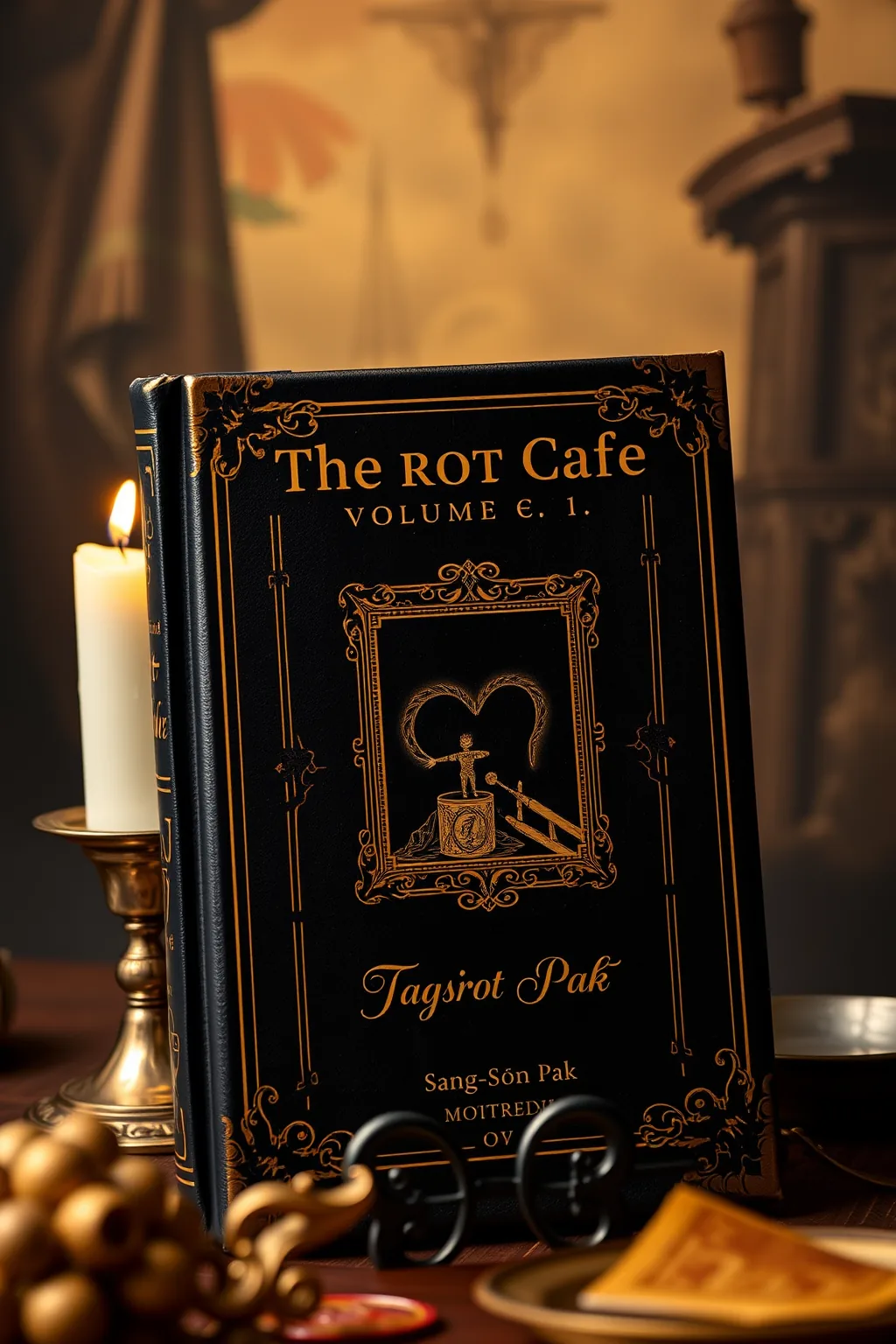
Tarot Cafe, The Volume 1 (Tarot Cafe)



Cassian Rothmann, Senior Critic, Ancient Wisdom, writes: Sang-sŏn Pak's 'The Tarot Cafe, Volume 1' is a masterful introduction to the esoteric depths of Tarot. Pak skillfully weaves together historical context with profound symbolic interpretation, transcending mere cartomancy to offer a true spiritual compass. The work is particularly adept at illuminating the archetypal resonances within each card, connecting them to universal human experiences and the unfolding of consciousness. Its strength lies in its ability to demystify complex concepts, making them accessible to both neophytes and seasoned practitioners. This volume is essential reading for anyone seeking to harness the Tarot not just for prediction, but for profound self-awareness and spiritual growth. It's a treasure for the modern mystic.
📝 Description
66
Sang-sŏn Pak's Tarot Cafe, Volume 1, published in 2003, presents the tarot as a symbolic language for understanding life's currents.
Tarot Cafe, Volume 1, by Sang-sŏn Pak, uses the tarot deck as a framework for contemplating fate and destiny. The book describes each card as a symbol connected to occult lore, intended for interpretation by the reader. It aims to foster a quiet, introspective atmosphere, serving as a space for individuals interested in the deeper aspects of existence and personal growth.
The work encourages engagement with the symbolic language of the tarot, suggesting it can reveal insights into the self and life's complexities. It positions itself not just as a manual for card interpretation but as a means to connect with a symbolic system that unlocks personal understanding. The volume is intended for those seeking to comprehend their spiritual path and the subtle influences on their lives.
This book engages with the Western esoteric tradition, specifically its use of the tarot for divination and personal insight. It aligns with practices that view tarot cards not merely as random images but as a codified system of archetypes and correspondences, often linked to concepts like Kabbalah or astrology. The text suggests a connection between these symbolic representations and the unfolding of an individual's life path, a common theme in esoteric literature aiming to bridge the material and spiritual worlds through symbolic interpretation.
💡 Why Read This Book?
Embark on a profound exploration of Tarot's symbolic language and its connection to the cosmos. 'The Tarot Cafe' offers a unique blend of accessible guidance and deep esoteric insight, making it ideal for spiritual seekers, budding diviners, and scholars of occult traditions. Discover how the Tarot can serve as a powerful tool for self-reflection, personal transformation, and understanding the hidden patterns of existence. This volume is your first step into a world of ancient wisdom and timeless truths.
⭐ Reader Reviews
Honest opinions from readers who have explored this book.
❓ Frequently Asked Questions
What is the primary focus of 'The Tarot Cafe, Volume 1'?
The primary focus is an in-depth exploration of Tarot as a system of divination and esoteric wisdom, delving into the symbolism and archetypal meanings of each card.
Is this book suitable for beginners to Tarot?
Yes, it is designed to be accessible to beginners while offering profound insights that will also resonate with experienced practitioners and scholars of esoteric traditions.
What makes this book unique compared to other Tarot guides?
Its unique approach lies in its evocative atmosphere, rich symbolic interpretation, and its emphasis on the Tarot as a path to spiritual growth and self-discovery, rather than just predictive tools.
Does the book cover the history of Tarot?
While not a historical treatise, the book subtly weaves in historical context to illuminate the enduring significance and evolution of Tarot symbolism within esoteric thought.
Can 'The Tarot Cafe, Volume 1' be used for personal spiritual development?
Absolutely. The book encourages introspection and self-understanding, positioning the Tarot as a powerful mirror for the soul and a guide for personal transformation.
🔮 Key Themes & Symbolism
The Language of Symbols
This volume explores the profound symbolic language inherent in the Tarot, revealing how each card acts as a repository of archetypal energies and universal truths. It explores the visual and conceptual symbolism, tracing their roots through myth, alchemy, and ancient wisdom traditions. Readers will learn to perceive the interconnectedness of these symbols, understanding how they form a cohesive narrative that reflects the human condition and the journey of the soul. The emphasis is on deciphering this visual lexicon to gain deeper insights into oneself and the cosmos, fostering an intuitive connection with the cards.
Divination as a Spiritual Path
Beyond mere prediction, 'The Tarot Cafe' frames divination as a sacred practice and a potent tool for spiritual development. It posits that the Tarot offers a unique lens through which to view the unfolding of destiny, not as a fixed decree, but as a dynamic interplay of forces and choices. The book guides readers in approaching readings with reverence and intention, transforming them into moments of profound self-reflection and guidance. It emphasizes the ethical and intuitive aspects of divination, encouraging practitioners to engage with the cards as partners in understanding life's mysteries and navigating personal evolution.
Archetypal Energies and the Unconscious
Central to the work is the exploration of the Tarot's connection to the collective unconscious and the universal archetypes that shape human experience. Each card is presented as a manifestation of these primal forces – the Hero, the Sage, the Shadow, the Divine Feminine, and more. The book illuminates how understanding these archetypes, as represented in the Tarot, can unlock useful insights into one's own psyche, motivations, and life patterns. It encourages readers to recognize these archetypal energies within themselves and their interactions, fostering a deeper understanding of the human psyche and its inherent potential for growth.
💬 Memorable Quotes
Direct passages from the work, attributed to the author.
“In the silence between the spreads, the true magic unfurls.”
— Highlights the importance of contemplation and intuitive reception, suggesting that the deepest wisdom comes from quiet reflection after the reading.
“Each symbol is a key, unlocking a door to forgotten wisdom.”
— Positions Tarot symbols as esoteric keys, opening pathways to ancient knowledge and inner understanding that may have been lost or overlooked.
“The Tarot reflects the universe within, as it mirrors the universe without.”
— Underlines the hermetic principle of 'as above, so below,' suggesting that the Tarot reveals the microcosm of the self in relation to the macrocosm of existence.
💡 Key Ideas
Editorial paraphrase of the work's core concepts — not direct quotes.
The cards are not mere paper; they are whispers from the soul's deepest chambers.
This quote emphasizes the profound, inner nature of Tarot communication, suggesting that the cards tap into our subconscious and spiritual essence.
Destiny is not a map, but a compass pointing towards your highest potential.
This quote reframes fate, suggesting it's not predetermined but a guiding force that helps us navigate towards personal growth and fulfillment.
🌙 Esoteric Significance
Tradition
This work deeply aligns with Western Esotericism, drawing heavily from Hermeticism, Kabbalah, and Jungian psychology. It interprets Tarot symbolism through the lens of archetypal psychology, viewing the cards as manifestations of universal psychic structures and stages of spiritual development. The numerological and astrological correspondences, often found in Kabbalistic interpretations of the Tarot, are implicitly woven into the fabric of its symbolic language, offering a multi-layered understanding of each card's esoteric significance.
Symbolism
The book meticulously deciphers the strong symbolism of the Tarot, treating each card as a complex set of visual, mythological, and archetypal meanings. It explores how colors, figures, objects, and their arrangement within the card create a potent symbolic language. Key symbols like the Fool's journey, the High Priestess's veiled knowledge, the Emperor's structure, and the Star's hope are interpreted not just literally, but as representations of profound psychological states and spiritual lessons, connecting them to broader occult principles.
Modern Relevance
In contemporary society, 'The Tarot Cafe' offers a vital bridge to ancient wisdom, providing tools for reading through the complexities of modern life through self-awareness and intuition. Its emphasis on archetypal psychology and personal growth resonates deeply with individuals seeking meaning beyond material pursuits. The Tarot, as presented here, serves as a powerful mirror for introspection, aiding in stress management, decision-making, and fostering a sense of purpose. It empowers readers to tap into their inner guidance, promoting a more conscious and fulfilling existence in a rapidly changing world.
👥 Who Should Read This Book
This volume is a valuable resource for a diverse audience. **Beginners** will find a clear, engaging introduction to the Tarot's fundamental principles and symbolic language. **Spiritual seekers** will appreciate its depth and focus on personal growth, self-discovery, and intuitive development. **Aspiring diviners and practitioners** will gain a robust understanding of card meanings and reading techniques, enhancing their skills. **Scholars of esoteric traditions** will find its nuanced interpretations and connections to broader occult philosophies insightful, offering a modern perspective on timeless wisdom.
📜 Historical Context
Published in an era where interest in esoteric traditions and alternative spiritualities was experiencing a resurgence, 'The Tarot Cafe, Volume 1' emerged as a significant contribution to the modern occult revival. The late 20th and early 21st centuries saw a growing desire for practices that offered deeper meaning and connection in an increasingly secularized world. This period was marked by a renewed appreciation for ancient wisdom, symbolism, and the exploration of consciousness. Sang-sŏn Pak's work tapped into this zeitgeist, offering a sophisticated yet accessible entry point into the wide range of Tarot lore. It built upon centuries of divinatory practice, occult philosophy, and psychological interpretation, positioning the Tarot not just as a predictive tool but as a profound system for self-understanding and spiritual evolution, resonating with a generation seeking holistic approaches to life.
📔 Journal Prompts
Reflect on the 'whispers from the soul' mentioned in the text. What is your soul trying to communicate to you through your daily experiences?
Consider the concept of 'destiny as a compass.' Where is your inner compass pointing you today, and what small step can you take in that direction?
Identify an archetype that resonates strongly with you currently. How does this archetype manifest in your life, and what lessons can you learn from it?
Explore the idea of 'silence between the spreads.' What insights emerge when you quiet your mind and simply observe your inner landscape?
How can you apply the symbolic language of the Tarot to interpret a challenge you are currently facing?
🗂️ Glossary
Archetype
In Jungian psychology and esoteric traditions, an archetype is a universal, archaic pattern and image that derives from the collective unconscious and is the architectural content of the psyche. In Tarot, they represent fundamental human experiences and stages of development.
Divination
The practice of seeking knowledge of the future or the unknown by supernatural means. In the context of Tarot, it involves using the cards as a tool for insight, self-reflection, and understanding the subtle energies influencing a situation.
Esotericism
A broad category of mystical or supernatural beliefs, practices, and teachings that are outside the scope of traditional religion and science. It often involves hidden knowledge, spiritual initiation, and a focus on the inner life.
Hermeticism
A philosophical and religious tradition based on the purported teachings of Hermes Trismegistus. It emphasizes principles like 'as above, so below,' and the interconnectedness of all things, often influencing occult studies and Tarot interpretation.
Symbolism
The use of symbols to represent ideas and qualities by giving them symbolic meanings that are different from their literal sense. In Tarot, symbols on the cards are rich with layered meanings related to mythology, psychology, and spiritual concepts.
This book appears in 3 collections
🔮 Readers Also Liked
Browse all →
More by Sang-sŏn Pak
All books →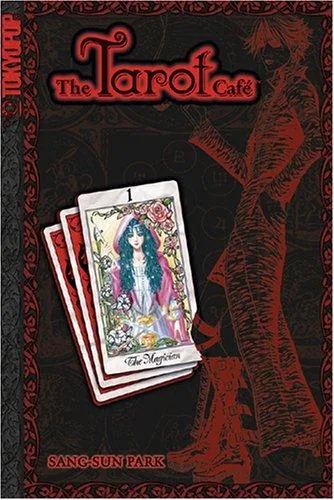
From the “Tarot” Collection
View all →
More Free Divination & Tarot Books
View all →