Tarot Café
 62
62

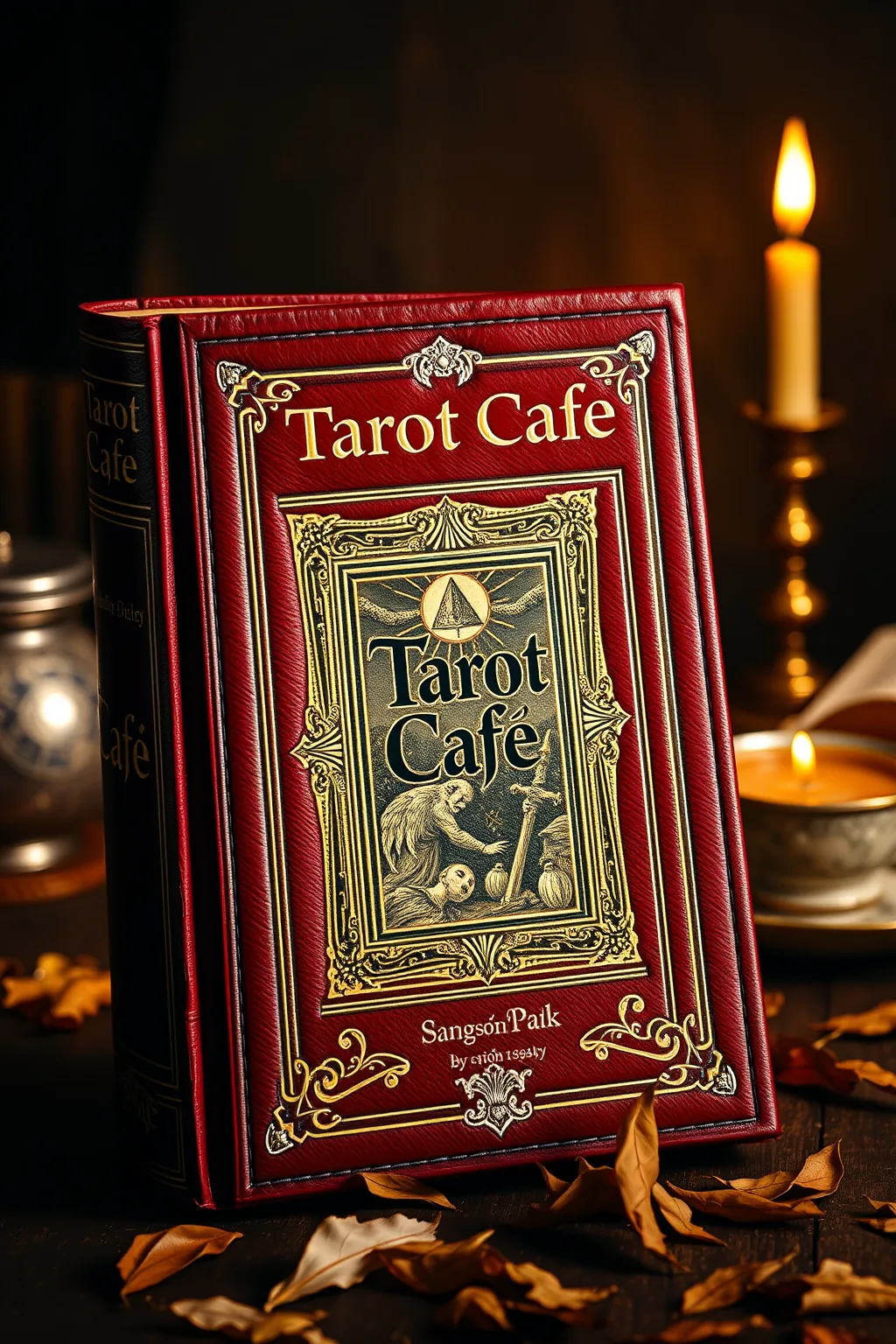
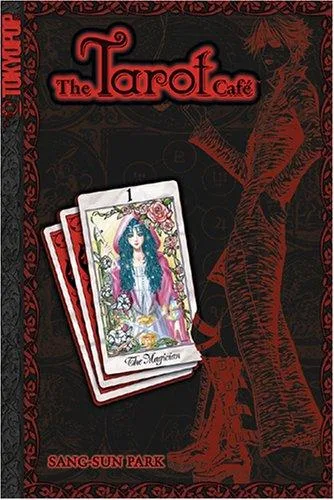
Tarot Café



Isolde Whitaker (Sacred Texts Editor) — Sang-sŏn Pak's 'Tarot Café' is an indispensable addition to any serious collection on Tarot. Pak's profound understanding of esoteric traditions shines through, illuminating the archetypal narrative of the cards with unparalleled depth. This is not a superficial guide; it is a meticulously crafted exploration of the Tarot's spiritual and psychological dimensions. The author's prose is both scholarly and imbued with a palpable sense of mystic reverence, making complex concepts accessible without sacrificing their inherent power. Ideal for practitioners seeking to deepen their readings and scholars interested in the philosophical underpinnings of divination, 'Tarot Café' offers a transformative experience, revealing the Tarot as a living, breathing map of the soul's journey. A truly exceptional work.
📝 Description
62
Sang-sŏn Pak's 'Tarot Café' (2003) connects Tarot to Jungian archetypes.
'Tarot Café' by Sang-sŏn Pak approaches the Tarot not just as a divination tool, but as a framework for understanding human experience. The book delves into the symbolic language of the seventy-eight cards, examining their connection to historical context and psychological patterns. Pak integrates Jungian concepts, specifically archetypes, to explain the Tarot's resonance. The text aims to guide readers toward self-discovery by illuminating the forces that shape life.
The book presents a contemplative space for readers interested in the deeper meanings behind the cards. It moves beyond simple interpretations to foster an understanding of fate and the archetypal influences on human life. 'Tarot Café' is intended for those who wish to engage with the Tarot on a more philosophical and psychological level.
This work situates itself within the modern esoteric tradition that blends Western occultism with depth psychology. Following in the vein of earlier interpreters who saw Tarot as a symbolic map of the psyche, Pak specifically employs Carl Jung's theories of archetypes and the collective unconscious. This approach moves the Tarot from a purely divinatory practice to a system for personal transformation and understanding the fundamental patterns of human consciousness.
💡 Why Read This Book?
Uncover the profound esoteric wisdom woven into the fabric of the Tarot. 'Tarot Café' offers a unique lens through which to understand archetypal energies, spiritual growth, and the interconnectedness of the cosmos. Ideal for seekers of hidden knowledge, practitioners aiming to elevate their craft, and anyone yearning for deeper self-awareness through the timeless language of the cards. Experience the Tarot not just as a tool, but as a sacred dialogue.
⭐ Reader Reviews
Honest opinions from readers who have explored this book.
❓ Frequently Asked Questions
What makes 'Tarot Café' different from other Tarot books?
'Tarot Café' delves into the esoteric and philosophical underpinnings of the Tarot, moving beyond simple interpretations. It emphasizes symbolism, archetypal psychology, and spiritual resonance, offering a deeply contemplative and transformative reading experience.
Is this book suitable for beginners?
Yes, while rich in depth, the book's accessible prose and clear explanations make it a valuable resource for beginners eager to understand the Tarot's profound meaning beyond rote memorization.
What kind of esoteric traditions are explored?
The book draws upon a confluence of esoteric thought, including elements of Jungian psychology, ancient mystery traditions, and a general understanding of universal archetypes that resonate across various spiritual paths.
Can 'Tarot Café' help with personal growth?
Absolutely. By understanding the Tarot's symbolic language and archetypal journeys, readers can gain profound insights into their own inner landscape, facilitating self-discovery and personal transformation.
What is the intended audience for this book?
The book is intended for serious students of the Tarot, spiritual seekers, practitioners of divination, and anyone interested in exploring the intersection of symbolism, psychology, and the mystic arts.
🔮 Key Themes & Symbolism
Archetypal Journeys and the Soul's Path
This theme explores the Tarot as a map of the human psyche and its inherent spiritual evolution. Sang-sŏn Pak illuminates how each card represents a stage or an archetype encountered on the soul's journey through life. The Major Arcana are presented not as isolated images, but as interconnected milestones in a grand narrative of self-discovery, challenging readers to recognize these patterns within their own experiences. The book encourages an understanding of the cards as living symbols that mirror our inner struggles and triumphs, fostering a deeper connection to our personal destiny and the universal forces at play.
The Language of Symbols and Hidden Meanings
Sang-sŏn Pak masterfully deciphers the wide range of symbols embedded within the Tarot. Beyond superficial interpretations, the book explores the esoteric significance of colors, numbers, figures, and celestial references, revealing a complex, multi-layered language. Readers are guided to perceive the subtle nuances and hidden connections that imbue the cards with their potent divinatory and psychological power. This exploration encourages a shift from literal readings to an intuitive grasp of symbolic communication, unlocking deeper levels of understanding for both the cards and the querent's situation.
Tarot as a Mirror of Consciousness and Fate
This central theme posits the Tarot not merely as a predictive tool, but as a profound instrument for exploring the nature of consciousness and the intricate dance between free will and destiny. 'Tarot Café' argues that the cards reflect the energetic currents and probabilities surrounding a situation, offering insights into the 'karmic' influences at play. By engaging with the Tarot, readers are invited to become active participants in their own unfolding narrative, understanding how their choices and awareness can shape their perceived fate. The book champions a holistic view where the inner world profoundly influences the outer reality.
💬 Memorable Quotes
Direct passages from the work, attributed to the author.
“Within each card lies a universe of archetypal energy.”
— This highlights the vast symbolic depth of each Tarot card, suggesting that they are not mere pictures but potent reservoirs of universal human experiences and spiritual forces waiting to be understood.
“The Café's tables are set for introspection and revelation.”
— This evocative phrase frames the act of reading the Tarot as a deliberate, almost sacred, ritual of self-examination and the potential for profound personal insight and discovery.
“The threads of fate are woven with the colors of our consciousness.”
— This suggests a profound interconnectedness between our inner state of being and the external circumstances we encounter, implying that our consciousness plays an active role in shaping our destiny.
💡 Key Ideas
Editorial paraphrase of the work's core concepts — not direct quotes.
The Tarot is a silent oracle whispering truths to the receptive soul.
This quote captures the book's core philosophy: the Tarot's power lies not in prediction, but in its ability to communicate profound, often subconscious, truths to those willing to listen with an open heart and mind.
Seek not answers, but the wisdom to ask better questions.
This quote shifts the focus from seeking simple predictions to cultivating a deeper understanding and a more insightful approach to life's challenges, emphasizing the transformative power of mindful inquiry.
🌙 Esoteric Significance
Tradition
This work is deeply rooted in Western esoteric traditions, particularly those influenced by Hermeticism, Kabbalah, and Jungian depth psychology. It bridges ancient mystical philosophies with modern psychological understanding, viewing the Tarot as a symbolic language that reflects universal archetypes and the journey of the soul. The emphasis on symbolism, numerology, and the interconnectedness of all things aligns with the core tenets of these esoteric lineages, positioning the Tarot as a key to unlocking higher consciousness and spiritual insight.
Symbolism
The book meticulously unpacks the profound symbolism inherent in each Tarot card. From the celestial bodies and alchemical symbols to the archetypal figures and their postures, Pak reveals layers of meaning. The symbolism extends beyond mere pictorial representation to encompass the energetic forces, psychological states, and spiritual lessons each card embodies. The exploration of color symbolism, numerological significance, and the interplay between the Major and Minor Arcana offers readers a comprehensive understanding of the Tarot's intricate symbolic grammar.
Modern Relevance
In an age often characterized by existential uncertainty and a yearning for deeper meaning, 'Tarot Café' offers profound relevance. It provides a framework for navigating personal challenges, understanding complex relationships, and fostering self-awareness through a timeless symbolic system. The book's emphasis on the Tarot as a tool for introspection and empowerment, rather than mere prediction, resonates strongly with contemporary seekers of holistic well-being and spiritual growth. It empowers individuals to engage with their inner landscape and actively participate in shaping their life's narrative.
👥 Who Should Read This Book
This useful work is a treasure for a diverse audience. Beginners will find a clear yet profound introduction to the Tarot's deeper meanings, moving beyond basic interpretations to grasp its esoteric essence. Seasoned practitioners will discover new depths of understanding, enriching their readings with a more nuanced and symbolic approach. Scholars of mysticism and psychology will appreciate the integration of archetypal theory and historical esoteric context. Ultimately, any spiritual seeker yearning for self-discovery, greater insight into the human condition, and a more profound connection to the universe will find 'Tarot Café' an indispensable companion on their journey.
📜 Historical Context
Sang-sŏn Pak's 'Tarot Café' emerges from a rich tradition of esoteric thought, drawing parallels to the late 19th and early 20th-century occult revival where figures like Arthur Edward Waite and Aleister Crowley sought to systematize and spiritualize Tarot. The book echoes this era's fascination with Jungian archetypes and the concept of a collective unconscious, integrating psychological depth with traditional symbolism. Furthermore, its emphasis on personal transformation and self-discovery aligns with the burgeoning interest in Eastern philosophies and holistic wellness that characterized much of the 20th century and continues to resonate today. This work stands as a proof of the enduring appeal of the Tarot as a profound tool for understanding the human condition.
📔 Journal Prompts
Reflect on a Major Arcana card that deeply speaks to your current life path. What specific archetypal energy does it represent for you?
Choose a Minor Arcana suit and consider how its elemental energy (Wands - Fire, Cups - Water, Swords - Air, Pentacles - Earth) manifests in your daily life.
Imagine yourself as a character within the 'Tarot Café.' What card would you be, and what wisdom would you offer to other patrons?
How does the concept of 'fate' presented in the book align with or challenge your personal beliefs about free will?
Select a card that you often find challenging. What hidden lesson or opportunity might this card be trying to reveal to you?
🗂️ Glossary
Archetype
Universal, archaic patterns and images that derive from the collective unconscious and are the psychic conditions of the evolution of consciousness. In Tarot, these represent fundamental human experiences and psychological states.
Esoteric
Intended for or likely to be understood by only a small number of people with a specialized knowledge or interest. In the context of Tarot, it refers to hidden meanings and spiritual teachings beyond superficial interpretation.
Cartomancy
The practice of divination using a deck of cards, most commonly a Tarot deck. It involves interpreting the symbolism and arrangement of cards to gain insight into questions or situations.
Collective Unconscious
A term coined by Carl Jung, referring to a layer of the unconscious mind that is shared by all humanity, containing archetypes and instincts inherited from our ancestors.
Kabbalah
A system of Jewish mysticism that explores the divine nature through a complex symbolic language, often involving trees of life and numerical correspondences, which has influenced Western esoteric traditions and Tarot interpretation.
This book appears in 3 collections
🔮 Readers Also Liked
Browse all →
More by Sang-sŏn Pak
All books →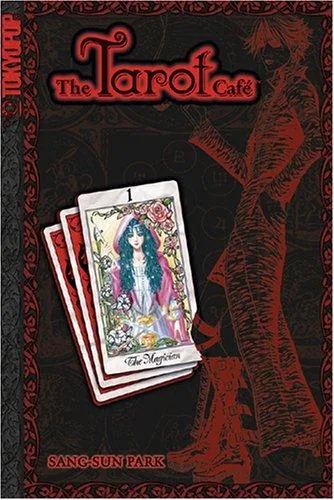
From the “Tarot” Collection
View all →
More Free Divination & Tarot Books
View all →