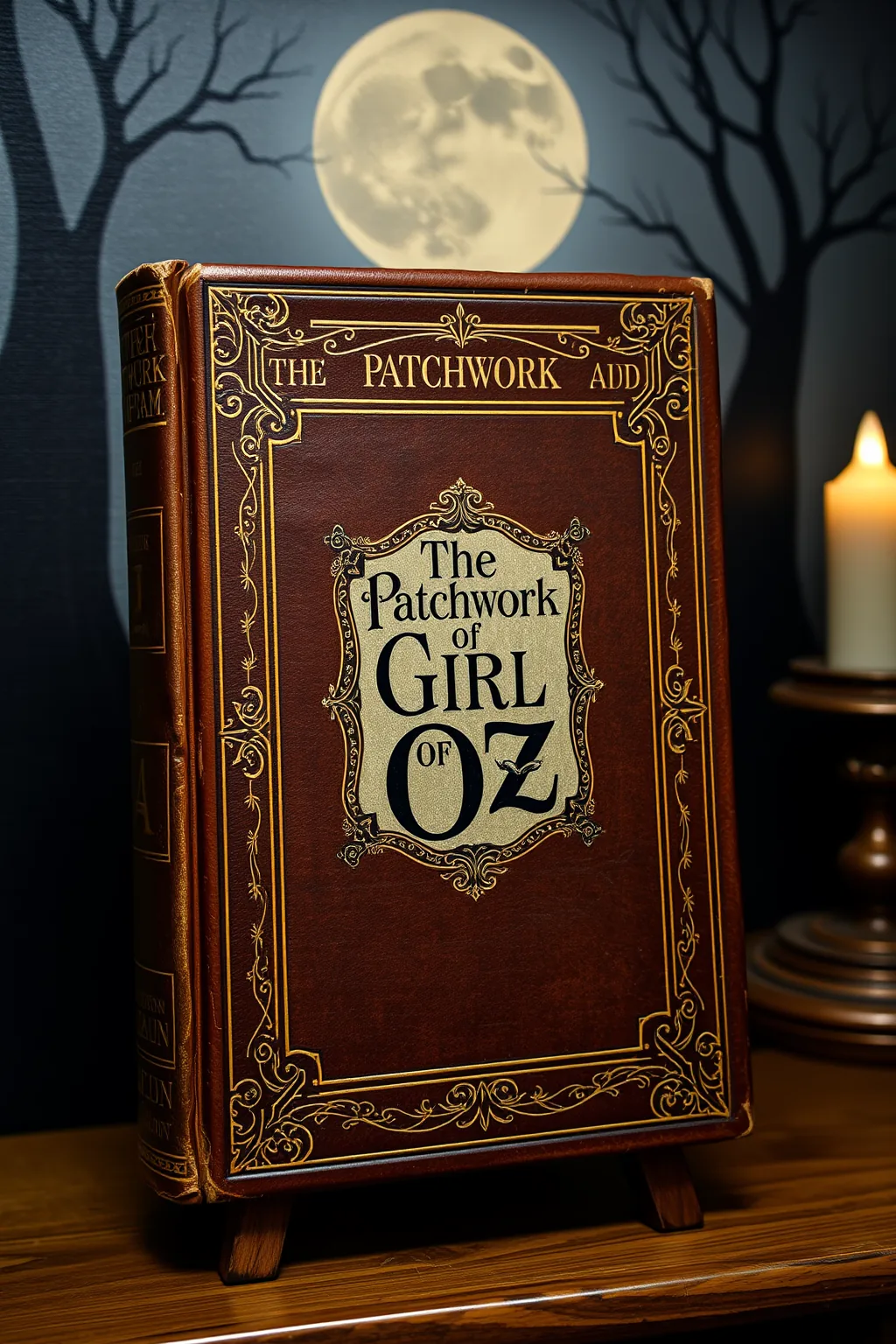
The Patchwork Girl of Oz
 70
70

The Patchwork Girl of Oz


The Patchwork Girl of Oz, though primarily a children's book, holds a treasure trove of esoteric symbols and themes that make it a valuable read for modern occult seekers. Baum's vivid imagination and storytelling prowess create a world where magic is as tangible as the air, and where fortune and misfortune are intertwined in a dance of fate. The characters, from Ojo the Unlucky to the Patchwork Girl herself, embody various archetypes that resonate with occult studies. The rituals and spells described, while whimsical, can be seen as metaphors for deeper magical practices. For those interested in the intersection of fantasy and the occult, this book offers a delightful and enlightening journey. The star rating for its esoteric value is 4 out of 5, making it a must-read for anyone curious about the magical underpinnings of classic literature.
📝 Description
70
L. Frank Baum published The Patchwork Girl of Oz in 1913, moving beyond simple fantasy.
In The Patchwork Girl of Oz, published in 1913, L. Frank Baum presents a narrative rich with symbolism that appeals to those interested in esoteric concepts. The story follows the creation of the Patchwork Girl herself, a being brought to life by the Powder of Life. This act of creation mirrors themes of artificial life and the nature of consciousness. The novel introduces characters like Scraps, the girl made of patchwork, and the crooked magician, who are both on a quest, encountering various obstacles and magical elements.
Baum imbues the Oz setting with a deeper layer of meaning, using familiar locations like Munchkinland and introducing new magical artifacts and characters. The interactions and transformations within the story invite contemplation on identity, the potential of the seemingly insignificant, and the consequences of magic. It is a tale that rewards attentive reading, revealing layers of allegory beneath its adventurous surface.
While often read as a children's fantasy, The Patchwork Girl of Oz engages with ideas found in occult traditions concerning artificial beings and the animating force of life. The creation of Scraps through a magical powder echoes concepts of homunculi or golem narratives present in Western esotericism. The novel also touches upon the idea of the spark of life and the philosophical questions surrounding animism and sentience, placing it within a lineage of literature that uses imaginative settings to explore fundamental metaphysical inquiries.
✍️ Author
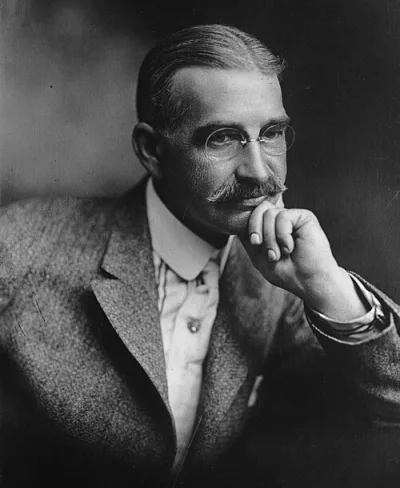
Baum, L. Frank (Lyman Frank)
L. Frank Baum was an American author best known for his children's fantasy books, particularly The Wonderful Wizard of Oz.
💡 Why Read This Book?
Reading 'The Patchwork Girl of Oz' today offers a unique blend of nostalgia and esoteric insight. It provides a gateway into the world of Oz, where magic is not just a fantasy but a way of life. For modern readers, it serves as a reminder of the power of imagination and the enduring appeal of adventure. Moreover, it offers a subtle introduction to occult themes, making it an excellent starting point for those curious about the esoteric without being overwhelming. Whether you're a seasoned occultist or a casual reader, this book promises a rich and rewarding experience.
⭐ Reader Reviews
Honest opinions from readers who have explored this book.
❓ Frequently Asked Questions
Is 'The Patchwork Girl of Oz' suitable for children?
Yes, the book is primarily a children's adventure story, but it also contains esoteric themes that can be appreciated by adults.
What makes this book relevant to occult studies?
The book features various magical rituals and creatures that can be interpreted as symbols of deeper occult practices.
Are there other books in the Oz series that explore similar themes?
Yes, L. Frank Baum's Oz series is rich with fantasy and adventure, often incorporating elements of magic and the occult.
🔮 Key Themes & Symbolism
Transformation and Alchemy
The Patchwork Girl of Oz explores the alchemical journey of transformation, symbolized by the creation of the patchwork girl. This theme speaks to seekers of hidden knowledge, highlighting the process of personal and spiritual evolution.
Symbolism and Hidden Knowledge
The book is rich in symbolism, from the Powder of Life to the magical landscapes of Oz. These elements invite readers to study the deeper meanings and esoteric insights that lie beneath the surface narrative.
Destiny and Free Will
The characters' journeys in Oz raise questions about destiny and free will, encouraging readers to reflect on their own paths and the choices that shape their lives.
💬 Memorable Quotes
Direct passages from the work, attributed to the author.
“The Powder of Life can bring inanimate objects to life.”
— This symbolizes the power of creation and the hidden potential within all beings.
“Oz is a land of magic and wonder.”
— This phrase embodies the mystical atmosphere that permeates the story, inviting readers to explore its deeper meanings.
“The patchwork girl represents the alchemical journey of transformation.”
— This theme is central to the book's esoteric significance, highlighting the process of personal and spiritual evolution.
“The landscapes of Oz are filled with enchantment and mystery.”
— This description underscores the book's detailed symbolism and its appeal to seekers of hidden knowledge.
💡 Key Ideas
Editorial paraphrase of the work's core concepts — not direct quotes.
The characters' adventures reveal the deeper truths of life.
This quote captures the philosophical significance of the story, encouraging readers to reflect on their own journeys.
🌙 Esoteric Significance
Tradition
The Patchwork Girl of Oz belongs to the Hermetic tradition, emphasizing the principles of transformation and the hidden potential within all beings. Baum's use of alchemical symbolism and magical elements underscores this connection.
Symbolism
Key symbols include the Powder of Life, representing the power of creation, and the patchwork girl herself, symbolizing the alchemical journey. The landscapes of Oz are filled with enchantment and mystery, inviting readers to explore their deeper meanings.
Modern Relevance
Today, this book remains relevant for practitioners of the occult and mystical arts, offering a rich source of symbolism and esoteric insights. Many modern readers use it as a tool for divination and ritual practice.
👥 Who Should Read This Book
Beginners interested in the mystical arts will find The Patchwork Girl of Oz an accessible and engaging introduction to esoteric themes. Scholars of the occult will appreciate its detailed symbolism and alchemical principles. Spiritual seekers will be drawn to its exploration of transformation and destiny, while practitioners of divination and ritual will find ample material for their practices.
📜 Historical Context
Published in 1913, The Patchwork Girl of Oz reflects the early 20th-century fascination with magic and fantasy. L. Frank Baum's work was influential in shaping children's literature, introducing a world of wonder and adventure that continues to captivate readers today. The book's exploration of alchemy and transformation aligns with the spiritual and philosophical movements of the era, making it a timeless classic for esoteric seekers.
📔 Journal Prompts
How does the concept of transformation resonate with your personal journey?
What symbols in the book speak to you on a deeper level?
Reflect on the idea of destiny versus free will in your own life.
How can the magical elements of Oz be incorporated into your spiritual practices?
What insights about creation and hidden potential do you gain from the patchwork girl's story?
🗂️ Glossary
Alchemy
The ancient practice of transforming base materials into gold, often symbolizing spiritual and personal transformation.
Divination
The art of seeking knowledge of the future or the unknown through magical or occult means.
Esoteric
Relating to knowledge that is only understood by a small group of people, often involving hidden or mystical teachings.
Hermetic
Relating to the writings of Hermes Trismegistus, focusing on the principles of transformation and hidden knowledge.
Symbolism
The use of symbols to represent ideas or qualities, often involving deeper, hidden meanings.
This book appears in 10 collections
🔮 Readers Also Liked
Browse all →
More by Baum, L. Frank (Lyman Frank)
All books →
From the “Transcendental Meditation” Collection
View all →







More Free Magic & Ritual Books
View all →