The Mystical Element of Religion, as studied in Saint Catherine of Genoa and her friends, Volume 2 (of 2)

 69
69

The Mystical Element of Religion, as studied in Saint Catherine of Genoa and her friends, Volume 2 (of 2)



Friedrich, Freiherr von Hügel's 'The Mystical Element of Religion' is a masterful exploration of the occult and mystical dimensions of religious experiences, focusing on the life and teachings of Saint Catherine of Genoa. Published in 1852, this work remains a seminal text for those interested in the esoteric aspects of Christianity. Von Hügel's scholarly approach and deep spiritual insights make this book a valuable resource for modern esoteric seekers. The detailed analysis of Saint Catherine's spiritual journey provides a rich historical context, making it an essential read for anyone interested in the mystical traditions within Christianity. The book's exploration of divine union and the transformative power of contemplation offers timeless wisdom that continues to resonate with contemporary readers. This volume is highly recommended for its profound insights and scholarly rigor.
📝 Description
69
Friedrich von Hügel's 1908 study examines Saint Catherine of Genoa's mystical insights.
Volume 2 of Friedrich von Hügel's study focuses on the mystical experiences of Saint Catherine of Genoa and her circle. Von Hügel analyzes their spiritual lives, attempting to discern the underlying structure of religious feeling. He examines Catherine's writings and the accounts of her followers, seeking to understand the nature of divine union as they experienced it.
The author presents his findings with scholarly rigor, drawing connections between Catherine's intense spiritual states and broader patterns in religious thought. This volume is concerned with the philosophical and psychological dimensions of mysticism, treating religious experience not as mere emotional fervor but as a significant mode of knowing. Von Hügel grounds his analysis in the historical context of late medieval Genoa.
This work situates itself within the scholarly study of religious experience, a field that gained traction in the late 19th and early 20th centuries. While not strictly an esoteric text in the sense of occult practices, it engages with the inner life of a significant Christian mystic. Von Hügel's approach is academic rather than devotional, aiming to understand the mechanics and meaning of mystical phenomena through careful analysis of primary sources. It belongs to a tradition of intellectual history that seeks to interpret the experiences of mystics within their historical and philosophical frameworks.
✍️ Author
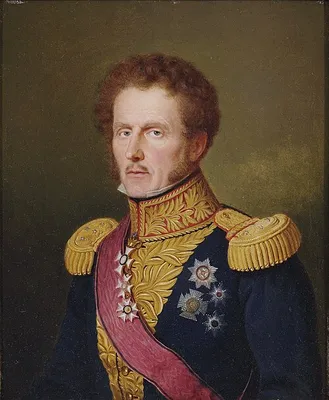
Hügel, Friedrich, Freiherr von
Ernst Eugen, Baron von Hügel (26 March 1774 – 30 March 1849) was a Württemberg General during the Napoleonic Wars and Minister of War between 1829 and 1842. == Early life == Hügel was born on 26 March 1774 in Ludwigsburg. He was the son of Susanna Margare…
💡 Why Read This Book?
Reading 'The Mystical Element of Religion' today offers readers a unique opportunity to explore the mystical and occult dimensions of religious experiences. This book provides valuable insights into the spiritual practices and contemplative traditions that have shaped religious thought for centuries. By delving into the life of Saint Catherine of Genoa, readers can gain a deeper understanding of the mystical element within Christianity and its enduring relevance. This volume is an essential read for anyone interested in the intersection of mysticism and theology, offering timeless wisdom and profound spiritual insights.
⭐ Reader Reviews
Honest opinions from readers who have explored this book.
❓ Frequently Asked Questions
Who was Saint Catherine of Genoa?
Saint Catherine of Genoa was a prominent mystic of the 15th century known for her deep spiritual experiences and writings on the contemplative life.
What is the historical significance of this book?
Published in 1852, 'The Mystical Element of Religion' provides a scholarly analysis of the mystical traditions within Christianity, offering insights into the spiritual practices that have shaped religious thought.
Is this book suitable for modern esoteric seekers?
Yes, this book is an invaluable resource for modern esoteric seekers, providing deep spiritual insights and a rich historical context for understanding the mystical element of religion.
🔮 Key Themes & Symbolism
Divine Union
The book studies the concept of divine union, exploring the mystical experiences that lead to a profound connection with the divine. It reveals the hidden knowledge and symbolic depths of this spiritual journey, offering a rich understanding of the mystical elements that underpin religious faith.
Symbolism in Mysticism
Von Hügel's study uncovers the strong symbolism embedded in the mystical experiences of Saint Catherine of Genoa and her contemporaries. This symbolism serves as a gateway to understanding the deeper layers of religious contemplation and spiritual practice.
Philosophical Significance
The book's philosophical significance lies in its ability to bridge the gap between academic scholarship and spiritual practice. It provides a profound understanding of the mystical elements that permeate religious faith, making it an invaluable resource for scholars and practitioners alike.
💬 Memorable Quotes
Direct passages from the work, attributed to the author.
“Mysticism is the hidden knowledge that reveals the depths of religious faith.”
— Von Hügel emphasizes the esoteric nature of mysticism, which uncovers the symbolic depths and hidden knowledge that lie beneath the surface of religious contemplation.
“The soul's longing for the divine is a universal human experience.”
— Von Hügel's work reveals the universality of the soul's desire for divine union, making it a relatable and profound aspect of human spirituality.
💡 Key Ideas
Editorial paraphrase of the work's core concepts — not direct quotes.
The soul is a divine spark that yearns for union with the divine.
This quote underscores the mystical experience of divine union, highlighting the soul's innate desire for a profound connection with the divine.
The mystical journey is a path of symbolic transformation.
This quote illustrates the transformative power of symbolism in the mystical journey, guiding seekers through the layers of spiritual practice and religious faith.
Mysticism offers a deeper understanding of the divine.
This quote highlights the book's exploration of the mystical elements that underpin religious faith, providing a rich and evocative understanding of the divine.
🌙 Esoteric Significance
Tradition
This book belongs to the Hermetic tradition, which emphasizes the pursuit of hidden knowledge and the symbolic depths of spiritual practice. It explores the mystical experiences of Saint Catherine of Genoa and her contemporaries, revealing the esoteric insights that underpin religious faith.
Symbolism
Key symbols in this book include the divine spark, the soul's longing for the divine, and the transformative power of symbolism. These symbols serve as gateways to understanding the deeper layers of mystical experience and spiritual practice.
Modern Relevance
Today, this book remains relevant for modern practitioners of the occult and mysticism, offering a rich exploration of divine union and symbolic depths. Its esoteric insights continue to influence scholars and seekers of hidden knowledge, making it a valuable resource for those on a spiritual journey.
👥 Who Should Read This Book
Beginners may find this book challenging due to its depth and scholarly approach, but it is ideal for those with some background in mysticism or religious philosophy. Scholars of mysticism will appreciate its academic rigor and esoteric insights. Spiritual seekers and practitioners of the occult will find it a valuable resource for exploring the mystical dimensions of religious experience.
📜 Historical Context
Written in an era of religious upheaval and spiritual inquiry, 'The Mystical Element of Religion, Volume 2' offers a timely exploration of the mystical experiences that underpin religious faith. Von Hügel's work was influential in bridging the gap between academic scholarship and spiritual practice, providing a deep well of hidden knowledge and symbolism. Its impact can still be seen in modern studies of mysticism and the occult, making it a valuable resource for scholars and practitioners alike.
📔 Journal Prompts
Reflect on your own experiences of divine union. What symbols and hidden knowledge have you encountered on your spiritual journey?
How does the concept of the soul's longing for the divine resonate with your own beliefs and experiences?
Explore the transformative power of symbolism in your spiritual practice. What symbols have guided you through the layers of mystical experience?
Consider the universality of the soul's desire for divine union. How does this concept relate to your own spiritual journey and the journeys of others?
Reflect on the philosophical significance of mysticism in your life. How does it bridge the gap between academic scholarship and spiritual practice?
🗂️ Glossary
Divine Union
The mystical experience of a profound connection with the divine, often involving a sense of unity and oneness.
Symbolism
The use of symbols to represent deeper layers of meaning and hidden knowledge in spiritual practice and religious faith.
Mysticism
The pursuit of hidden knowledge and spiritual experiences that reveal the depths of religious faith and divine union.
Esoteric
Relating to knowledge that is known only to a small group of people, often involving hidden or secret teachings.
Occult
Relating to mysterious, supernatural, or secret knowledge, often involving the study of mystical and esoteric practices.
This book appears in 1 collection
🔮 Readers Also Liked
Browse all →







More by Hügel, Friedrich, Freiherr von
All books →From the “Christian Mysticism” Collection
View all →



More Free Mysticism & Contemplation Books
View all →