52,000+ Esoteric Books Free + Modern Compare Prices
Home Collections Shadow Work
🌑

Shadow Work Books: A Curated Reading List

Shadow work books explore the integration of the unconscious aspects of the psyche. Donald Tyson's Liber Lilith (2006) offers a Gnostic perspective, while Millais Culpin's Spiritualism and the New Psychology (date unknown) attempts to explain phenomena through modern knowledge. These texts, alongside others, provide pathways to understanding and integrating repressed elements of the self. This list offers a curated selection for those seeking to engage with this complex area of psychological and spiritual inquiry.

Top Shadow Work Books

25 Shadow Work books
Kundalini and Yantra
📖
Kundalini and Yantra
A Brief Introduction for Inquiring
4.6
80
Tarot Shadow Work
📖
Tarot Shadow Work
Christine Jette
4.1
65
Vaim
📖
Vaim
Fosse, Jon
4.3
71
Tarot, talisman or taboo?
📖
Tarot, talisman or taboo?
Mark Patrick Hederman
4.1
64

What is Shadow Work?

Shadow work involves confronting and integrating the disowned, repressed, or unacknowledged parts of one's personality, often termed the 'shadow.' These elements, though typically negative, contain vital energy and potential. Engaging with the shadow is not about eliminating it, but about understanding its influence and reclaiming its power. This process is crucial for achieving wholeness and authentic self-expression, moving beyond superficial self-improvement to deeper psychological integration.

Best Books for Complete Beginners

For those new to shadow work, starting with accessible introductions is key. Donald Tyson's Liber Lilith (2006) provides a Gnostic framework for understanding darker archetypes. Millais Culpin's Spiritualism and the New Psychology offers an early attempt to bridge spiritual phenomena with psychological understanding. Uriah Smith's Modern Spiritualism also touches on the broader context of spiritual exploration. These books lay groundwork by examining hidden aspects of belief and consciousness, offering initial points of engagement without overwhelming complexity.

Intermediate Reading

Moving beyond the basics, intermediate texts delve deeper into specific traditions and psychological theories. Friedrich von Hügel's The Mystical Element of Religion, Volume 1, explores profound spiritual experiences and their psychological underpinnings, offering a scholarly approach. The Esalen Catalog (1993-1997) hints at humanistic psychology and experiential approaches to self-discovery. Texts like Yoga in Transformation (2018) and Sufism: A Cultural Integration Potential (2018) offer cross-cultural perspectives on spiritual practices that can facilitate shadow integration.

Classical / Advanced Texts

Advanced study involves engaging with primary sources and complex historical contexts. C. G. Addison's The History of the Knights Templars provides historical context for esoteric orders. The concept of 'conditioning' explored in Ivan Pavlov's lectures, though scientific, can inform understanding of ingrained psychological patterns. Texts from the CIA Reading Room, such as CA PROPAGANDA PERSPECTIVES (1973), offer insights into psychological manipulation and perception, providing a critical lens for examining external influences on the psyche.

Reading Order — Step by Step

Begin with foundational concepts. Month 1: Read Liber Lilith by Donald Tyson (2006) for an archetypal introduction. Supplement with Spiritualism and the New Psychology by Millais Culpin. Month 2: Explore The Mystical Element of Religion, Vol 1 by Friedrich von Hügel for deeper spiritual psychology. Engage with Yoga in Transformation (2018) for comparative spiritual practices. Month 3 onwards: Delve into historical texts like The History of the Knights Templars by C. G. Addison, and critically examine psychological manipulation through documents like CIA Reading Room cia-rdp80-01445r000100330001-1 (1960).

Frequently Asked Questions

Which shadow work book should I read first?

Start with Liber Lilith by Donald Tyson (2006). It offers a Gnostic perspective on archetypal shadow figures, providing a strong conceptual foundation for further exploration.

Is shadow work the same as psychoanalysis?

While related, shadow work is often a more direct, self-guided approach to integrating unconscious aspects. Psychoanalysis is a formal therapeutic method conducted with a trained professional.

Can shadow work be done without books?

Books provide structured knowledge and frameworks, but shadow work can also be explored through practices like journaling, meditation, art, and dream analysis, often informed by personal experience.

What are the main benefits of shadow work?

Key benefits include increased self-awareness, emotional regulation, authenticity, improved relationships, and the reclamation of energy previously bound by repression.

How long does shadow work take?

Shadow work is typically a lifelong process, not a quick fix. Initial integration can occur over months, but ongoing awareness and integration are part of continuous personal development.

Are there dangers in shadow work?

Unsupervised or intense confrontation with difficult shadow material can be overwhelming. It's advisable to proceed with self-compassion and consider professional guidance if needed.

Why Each Book Matters

Ivan Pavlov Conditioned Reflex Lectures nwo illuminati freemasons mkultra

Ivan Pavlov Conditioned Reflex Lectures nwo illuminati freemasons mkultra

'Ivan Pavlov Conditioned Reflex Lectures nwo illuminati freemasons mkultra' by Unknown presents lectures by Ivan Pavlov on conditioned reflexes, often juxtaposed with conspiracy theories. Pavlov's scientific work on conditioning is foundational to understanding learned behaviors and automatic responses, which can be aspects of the shadow. The inclusion of conspiracy theories, however, indicates a broader exploration of hidden influences and societal control, touching upon themes of collective unconscious and suppressed truths.

Acoustic Hailing Devices Non Lethal Weapons nwo illuminati freemasons DOD

Acoustic Hailing Devices Non Lethal Weapons nwo illuminati freemasons DOD

'Acoustic Hailing Devices Non Lethal Weapons nwo illuminati freemasons DOD' by Unknown discusses the technology and potential applications of acoustic hailing devices, often within the context of conspiracy theories involving secret organizations. This document, while focused on technology and societal control, can indirectly relate to Shadow Work by prompting reflection on the hidden forces that influence human behavior and society. It explores the 'shadow' of power structures and their impact on individual autonomy.

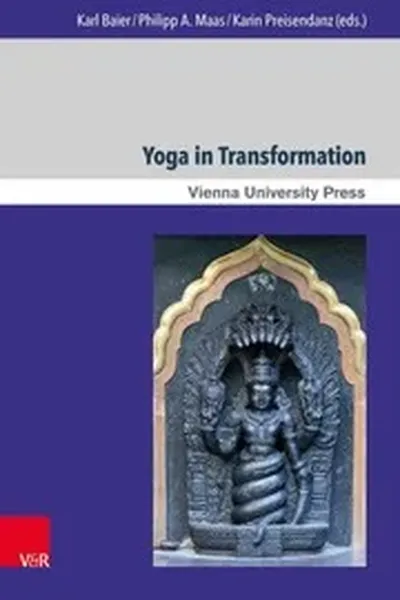
Yoga in Transformation - Historical and Contemporary Perspectives

Yoga in Transformation - Historical and Contemporary Perspectives

'Yoga in Transformation - Historical and Contemporary Perspectives' by Unknown explores the evolution of Yoga practices across different eras and cultures. This comprehensive overview highlights Yoga's multifaceted approach to physical, mental, and spiritual well-being. The philosophical underpinnings and practical techniques of Yoga, particularly its emphasis on self-discipline, introspection, and union of mind and body, offer powerful tools and a rich context for the self-awareness and integration central to Shadow Work.

Afrikaners and the Boundaries of Faith in Post-Apartheid South Africa

Afrikaners and the Boundaries of Faith in Post-Apartheid South Africa

'Afrikaners and the Boundaries of Faith in Post-Apartheid South Africa' by Unknown examines the complex interplay of faith, identity, and social change within a specific cultural context. This sociological study explores how religious beliefs shape and are shaped by societal transformations. While not directly a Shadow Work text, it offers insights into collective identity, cultural shadows, and the challenges of integrating past and present, which can inform a broader understanding of individual and collective psychological processes.

Kundalini and Yantra

Kundalini and Yantra

by A Brief Introduction for Inquiring Minds by David Edwin Hill

'Kundalini and Yantra: A Brief Introduction for Inquiring Minds' by David Edwin Hill offers an accessible entry into these powerful esoteric practices. This book explains the concept of Kundalini energy, often described as a dormant spiritual force, and the use of yantras as meditative tools for inner awakening. Engaging with these concepts can facilitate a deeper connection to one's inner energies and unconscious processes, supporting the self-awareness central to Shadow Work.

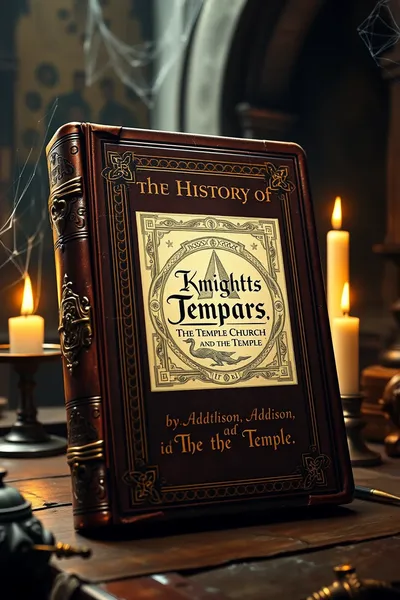
The History of the Knights Templars, the Temple Church, and the Temple

The History of the Knights Templars, the Temple Church, and the Temple

by Addison, C. G. (Charles Greenstreet)

'The History of the Knights Templars, the Temple Church, and the Temple' by C. G. (Charles Greenstreet) Addison provides a detailed account of the Knights Templar, a legendary medieval military order. This historical work delves into their origins, influence, and eventual suppression. While primarily a historical narrative, the Templars' mystical associations and the enduring mysteries surrounding them can evoke themes of hidden knowledge and the unconscious, resonating with the broader esoteric interests that often accompany Shadow Work.

Guide to Fortune-Telling by Dreams

Guide to Fortune-Telling by Dreams

by Anonymous

'Guide to Fortune-Telling by Dreams' by Anonymous provides an introduction to the ancient practice of dream interpretation. Dreams are often considered a direct pathway to the unconscious mind, offering symbolic messages about our hidden desires, fears, and unresolved issues. This book can serve as a simple, practical tool for beginners to start exploring their inner world and understanding the symbolic language of their shadow, a foundational step in Shadow Work.

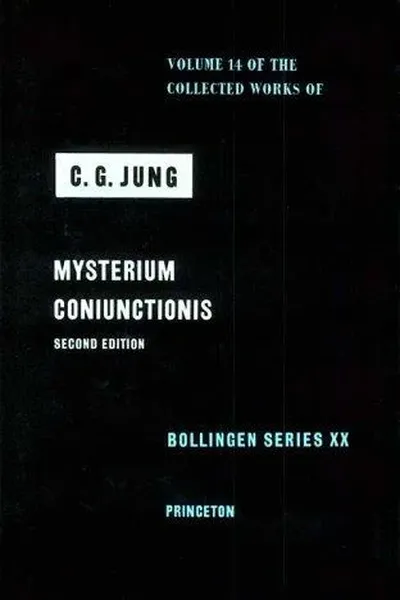
Mysterium coniunctionis

Mysterium coniunctionis

by Carl Gustav Jung

'Mysterium coniunctionis' by Carl Gustav Jung is one of his most complex and profound works, delving into the symbolism of alchemy as a metaphor for the psychological process of individuation and the coniunctio (conjunction of opposites). This book is a cornerstone for advanced Shadow Work, offering deep insights into the integration of the conscious and unconscious, the animus and anima, and the journey towards psychological wholeness. It is a challenging but ultimately illuminating text for serious students of Jungian thought.

Tarot Shadow Work

Tarot Shadow Work

by Christine Jette

'Tarot Shadow Work' by Christine Jette offers a practical and accessible guide to using the symbolism of tarot cards for personal introspection and the integration of the shadow self. This book provides specific spreads and exercises designed to help individuals identify, understand, and work with their unconscious aspects, making the abstract concept of Shadow Work tangible. It's an excellent resource for those who wish to combine the ancient wisdom of tarot with modern psychological techniques for self-discovery.

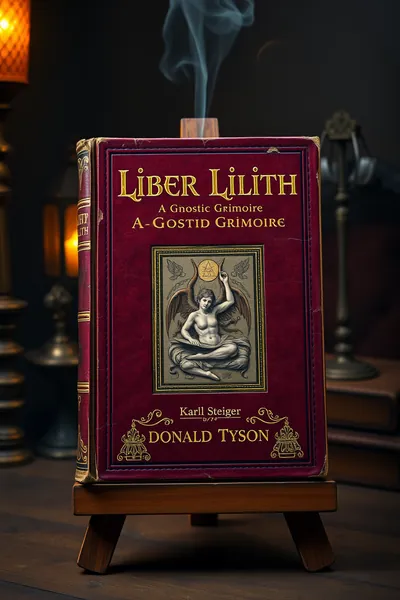
Liber Lilith A Gnostic Grimoire Donold Tyson

Liber Lilith A Gnostic Grimoire Donold Tyson

by Donald Tyson

'Liber Lilith A Gnostic Grimoire' by Donald Tyson is a profound and complex work exploring the mythos of Lilith within a Gnostic framework. This grimoire delves into powerful archetypal energies and esoteric rituals, offering a challenging path for advanced practitioners of occult arts. Engaging with such powerful figures and complex magical systems can be an intense form of Shadow Work, requiring deep self-awareness and integration of primal forces within the psyche.

ERIC ED417127: The Esalen Catalog, 1993-1997.

ERIC ED417127: The Esalen Catalog, 1993-1997.

by ERIC

'ERIC ED417127: The Esalen Catalog, 1993-1997.' by ERIC provides a historical overview of programs and workshops offered by the Esalen Institute, a renowned center for human potential and holistic studies. This catalog showcases a wide range of topics from psychology and spirituality to bodywork and consciousness exploration. It offers a glimpse into the evolution of personal growth movements, many of which indirectly or directly address themes related to Shadow Work and self-integration.

ERIC ED395560: Networking the Classroom.

ERIC ED395560: Networking the Classroom.

by ERIC

'ERIC ED395560: Networking the Classroom.' by ERIC focuses on educational strategies for connecting classrooms through technology. This document is primarily concerned with pedagogical methods and digital integration in learning environments. While its subject matter is not directly related to esoteric practices or Shadow Work, it represents a resource for understanding modern educational approaches, which are distinct from the introspective and spiritual paths explored in the Esoteric Library's main collection.

ERIC ED603511: Groundings in Nature Mysticism and Adult Learning

ERIC ED603511: Groundings in Nature Mysticism and Adult Learning

by ERIC

'ERIC ED603511: Groundings in Nature Mysticism and Adult Learning' by ERIC investigates the connection between nature mysticism and adult education. This research explores how experiences in nature can facilitate profound learning and spiritual development. The insights into connecting with the natural world and its impact on personal growth can offer a complementary perspective to Shadow Work, encouraging a holistic approach to self-discovery and integration through environmental engagement.

ERIC EJ852366: Alchemy and the Teacher

ERIC EJ852366: Alchemy and the Teacher

by ERIC

'ERIC EJ852366: Alchemy and the Teacher' by ERIC explores the metaphorical application of alchemical principles within an educational context. This academic paper considers how the transformative processes of alchemy can be understood as models for personal and professional growth in teaching. While not directly about personal Shadow Work, it highlights how symbolic transformation, a core aspect of alchemy, can be applied to human development and self-improvement in various fields.

Vaim

Vaim

by Fosse, Jon

Authored by Jon Fosse, a Nobel laureate, 'Vaim' (Spirit) delves into the profound existential and spiritual realms through a unique literary lens. While not explicitly a Shadow Work text, Fosse's minimalist prose and exploration of inner landscapes, memory, and the unseen aspects of human experience can profoundly resonate with the introspective nature of confronting one's deeper self. His work often touches upon themes of isolation, faith, and the search for meaning, prompting readers to reflect on their own hidden spiritual and emotional dimensions.

"The equivalence" (Al-Taswiya) of Muhibb Allah Ilahabadi

"The equivalence" (Al-Taswiya) of Muhibb Allah Ilahabadi

by Gregory A. Lipton

'"The equivalence" (Al-Taswiya) of Muhibb Allah Ilahabadi' by Gregory A. Lipton examines a significant text in Islamic mysticism, focusing on the concept of spiritual equivalence. This work delves into sophisticated theological and philosophical ideas about unity and divine presence. While highly academic, the pursuit of spiritual equivalence and the integration of diverse perspectives within Sufism can resonate with the core principles of psychological integration and the quest for wholeness in Shadow Work.

Tarot, talisman or taboo?

Tarot, talisman or taboo?

by Mark Patrick Hederman

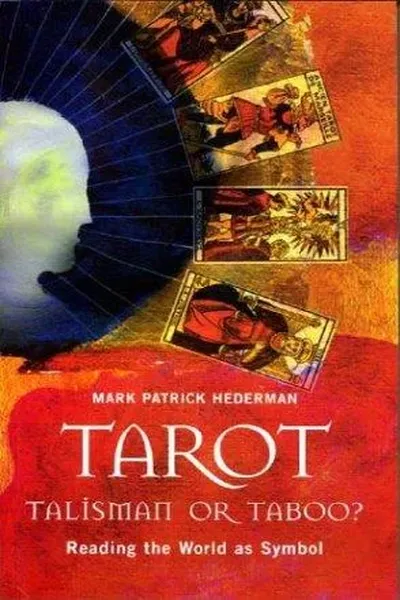
'Tarot, talisman or taboo?' by Mark Patrick Hederman explores the cultural and spiritual significance of tarot cards, moving beyond simple fortune-telling to examine their role as tools for introspection and spiritual insight. This book encourages a deeper engagement with tarot's symbolic language, which can be invaluable for uncovering unconscious patterns and facilitating self-reflection, making it a relevant resource for those using tarot in their Shadow Work journey.

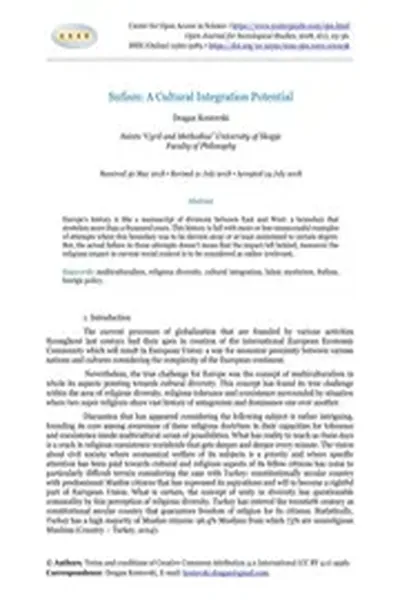
Sufism: A Cultural Integration Potential - Dragan Kostovski

Sufism: A Cultural Integration Potential - Dragan Kostovski

by Open Journal for Sociological Studies (OJSS)

'Sufism: A Cultural Integration Potential - Dragan Kostovski' from Open Journal for Sociological Studies (OJSS) explores Sufism's role in fostering cultural integration. This academic paper analyzes the mystical branch of Islam from a sociological perspective. While its focus is on societal rather than individual integration, the underlying principles of Sufi mysticism, which emphasize self-purification and union with the divine, offer parallels to the personal integration sought in Shadow Work.

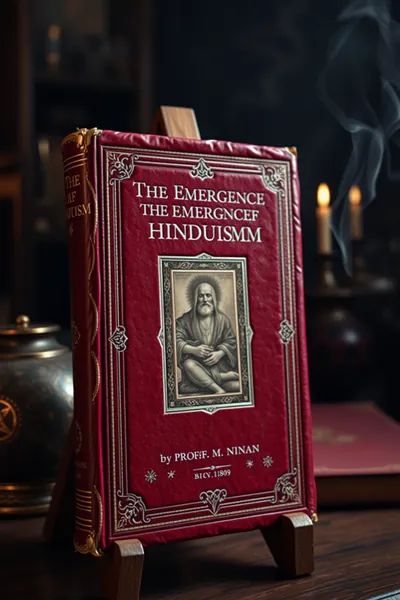
The Emergence of Hinduism

The Emergence of Hinduism

by Prof. M. M. Ninan

'The Emergence of Hinduism' by Prof. M. M. Ninan traces the historical and philosophical development of one of the world's oldest religions. While primarily an academic overview, understanding the diverse philosophical schools and spiritual practices within Hinduism can offer a broad perspective on human spirituality and the various paths to self-realization. This context can enrich one's approach to Shadow Work by providing ancient wisdom on the nature of self and consciousness.

Alchemy & Alchemists

Alchemy & Alchemists

by Sean Martin

'Alchemy & Alchemists' by Sean Martin provides an insightful overview of the historical practice and philosophical underpinnings of alchemy. This book explores alchemy not just as a pursuit of transmuting base metals, but as a symbolic system for spiritual and psychological transformation. The alchemical process of purification, dissolution, and recombination serves as a powerful metaphor for the integration of fragmented aspects of the self, making it highly relevant to the transformative goals of Shadow Work.

Modern Spiritualism

Modern Spiritualism

by Smith, Uriah

'Modern Spiritualism' by Uriah Smith critically examines the rise and phenomena of spiritualism in the 19th century from a Seventh-day Adventist perspective. While primarily a theological critique, the book's exploration of belief systems, the unseen world, and human susceptibility to various influences can indirectly inform one's understanding of the unconscious mind and the projections often encountered in Shadow Work. It offers a historical context for spiritual movements and their impact on individual and collective consciousness.

The Gift of Kabbalah

The Gift of Kabbalah

by Tamar Frankiel

'The Gift of Kabbalah' by Tamar Frankiel introduces readers to the profound mystical tradition of Kabbalah, exploring its core concepts and practices. This book can guide individuals in understanding the structure of the cosmos and the human soul, offering a spiritual framework for self-reflection and personal growth. While not explicitly a Shadow Work text, its emphasis on inner wisdom and the journey towards spiritual enlightenment provides a rich context for integrating deeper aspects of the self.

Summa Theologica

Summa Theologica

by Thomas Aquinas

Thomas Aquinas's 'Summa Theologica' is a monumental work of systematic theology and philosophy, offering a comprehensive understanding of Christian doctrine and human nature. While not a direct guide to Shadow Work, its intricate discussions on virtues, vices, passions, and the human soul provide a profound framework for understanding the moral and psychological complexities that contribute to the shadow. Readers can find deep insights into self-examination and the integration of moral principles, making it a challenging but rewarding read for advanced spiritual and ethical inquiry.

Journal Of Borderland Research Vol XLII, 1986

Journal Of Borderland Research Vol XLII, 1986

by Thomas J Brown, Editor

'Journal Of Borderland Research Vol XLII, 1986' edited by Thomas J Brown, compiles articles on various fringe science, paranormal, and occult topics. This journal explores phenomena at the edges of conventional understanding, including psychic abilities, UFOs, and esoteric history. While not directly a guide to Shadow Work, its diverse content can stimulate critical thinking about reality, consciousness, and the unknown, potentially opening the mind to aspects of the unconscious and the collective shadow.

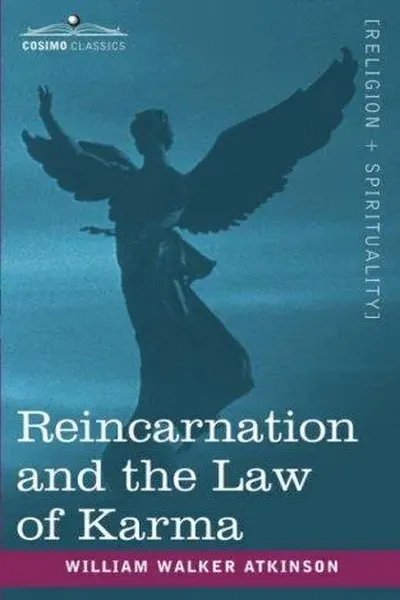
Reincarnation and the Law of Karma

Reincarnation and the Law of Karma

by William Walker Atkinson

'Reincarnation and the Law of Karma' by William Walker Atkinson explores the concepts of past lives and the universal law of cause and effect. This book encourages readers to reflect on their actions, motivations, and the long-term implications of their choices across lifetimes. Understanding karma can foster a sense of personal responsibility and provide a framework for examining recurring patterns in one's life, which is crucial for identifying and integrating aspects of the shadow.

Esoteric Library
Browse Esoteric Library
📚 All 52,000+ Books 🜍 Alchemy & Hermeticism 🔮 Magic & Ritual 🌙 Witchcraft & Paganism Astrology & Cosmology 🃏 Divination & Tarot 📜 Occult Philosophy ✡️ Kabbalah & Jewish Mysticism 🕉️ Mysticism & Contemplation 🕊️ Theosophy & Anthroposophy 🏛️ Freemasonry & Secret Societies 👻 Spiritualism & Afterlife 📖 Sacred Texts & Gnosticism 👁️ Supernatural & Occult Fiction 🧘 Spiritual Development 📚 Esoteric History & Biography
Esoteric Library
📑 Collections 📤 Upload Your Book
Account
🔑 Sign In Create Account
Info
About Esoteric Library