The lost word found in the great work

 61
61

The lost word found in the great work

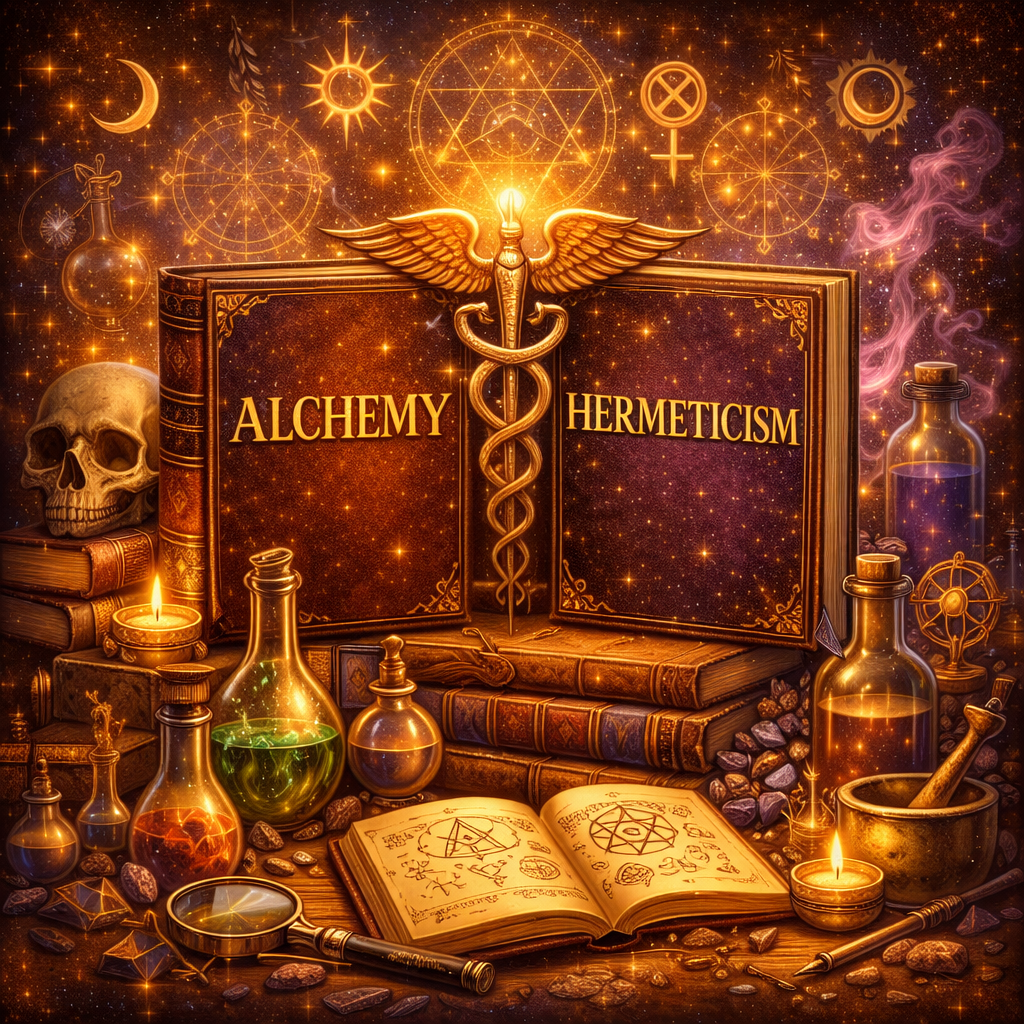

Review by Aurelia Blackwood (Occult Philosophy Critic) — J. D. Buck's 'The Lost Word Found in the Great Work' is a tour de force in the realm of Hermetic and alchemical literature. Buck's esoteric insights are meticulously presented, making this book a treasure trove for those delving into the mysteries of Freemasonry and its religious aspects. The author's deep understanding of symbolic language and hidden knowledge is evident throughout, providing a rich tapestry of mystical themes. This work is particularly valuable for scholars and practitioners of the occult, offering them a profound exploration of ancient traditions and their modern relevance.
📝 Description
61
J. D. Buck's 'The Lost Word Found in the Great Work' examines the esoteric connections within Freemasonry.
Published in the early 20th century, J. D. Buck's 'The Lost Word Found in the Great Work' is a focused study on the symbolic language and philosophical underpinnings of Freemasonry. The book connects Masonic rituals and teachings to broader Hermetic and alchemical traditions. Buck aims to reveal the deeper meanings concealed within the ceremonies and allegories of the Craft. He interprets Masonic symbolism not as mere ritual, but as a vehicle for spiritual and philosophical development.
The text is structured to guide the reader through these interpretations, emphasizing the role of ancient wisdom in shaping Masonic thought. Buck's approach is analytical, seeking to uncover the philosophical and esoteric significance of Masonic practices. It is a work that invites careful reading and contemplation for those interested in the symbolic and spiritual dimensions of Freemasonry and its historical roots.
This book sits within the tradition of Hermeticism and Western Esotericism, specifically focusing on the esoteric interpretations of Freemasonry that flourished in the late 19th and early 20th centuries. These interpretations often sought to link Masonic degrees and symbols to older mystical traditions, including Rosicrucianism, Kabbalah, and classical alchemy. Buck's work is part of a broader effort to understand Freemasonry as a vehicle for personal transformation and as a repository of ancient spiritual knowledge, drawing parallels between Masonic allegory and the Great Work of alchemical transformation.
💡 Why Read This Book?
Read 'The Lost Word Found in the Great Work' to uncover the hidden knowledge and symbolism within Freemasonry and Hermeticism. Ideal for seekers of esoteric wisdom, scholars of occult philosophy, and practitioners of alchemy, this book offers a deep dive into the mystical traditions that have shaped human thought. Discover the philosophical significance of ancient rituals and symbols, and gain a deeper understanding of the esoteric underpinnings of religious practices.
⭐ Reader Reviews
Honest opinions from readers who have explored this book.
❓ Frequently Asked Questions
What is the main theme of 'The Lost Word Found in the Great Work'?
The main theme revolves around the exploration of hidden knowledge and symbolism within Freemasonry and Hermeticism, delving into the mystical and philosophical significance of ancient rituals and symbols.
Who is the intended audience for this book?
The intended audience includes scholars of occult philosophy, practitioners of alchemy, and spiritual seekers interested in the esoteric traditions of Freemasonry and Hermeticism.
What makes this book significant in the field of alchemy?
This book is significant for its deep exploration of alchemical symbols and their religious aspects, providing insights into the mystical traditions that have influenced human thought.
How does J. D. Buck approach the subject of Freemasonry?
Buck approaches Freemasonry through the lens of Hermeticism and alchemy, revealing the hidden knowledge and symbolism that underlie its rituals and practices.
Is this book suitable for beginners in the field of esoteric studies?
While it offers valuable insights, beginners may find the depth of esoteric knowledge challenging without prior familiarity with Hermetic and alchemical traditions.
🔮 Key Themes & Symbolism
Hermetic Symbolism
Buck looks at the detailed symbolism of Hermeticism, revealing the hidden meanings behind ancient rituals and symbols. This theme is central to understanding the mystical traditions that have shaped human thought.
Freemasonry and Religion
The book explores the religious aspects of Freemasonry, uncovering the esoteric underpinnings of its practices and rituals. This theme provides a deep dive into the mystical traditions that have influenced Freemasonry.
Alchemical Transformation
Buck's work examines the process of alchemical transformation, both literally and metaphorically. This theme is crucial for understanding the philosophical significance of alchemy and its impact on spiritual growth.
💬 Memorable Quotes
Direct passages from the work, attributed to the author.
“Freemasonry holds the keys to ancient mysteries.”
— This statement points to the hidden knowledge and symbolism within Freemasonry, inviting readers to uncover its secrets.
💡 Key Ideas
Editorial paraphrase of the work's core concepts — not direct quotes.
The seeker of truth must first find the lost word within.
This quote underscores the importance of inner exploration in the quest for esoteric knowledge.
Symbols are the language of the divine.
This line highlights the mystical significance of symbols in Hermetic and alchemical traditions.
The Great Work is a journey of the soul.
This passage emphasizes the spiritual dimension of alchemical practices and their impact on personal transformation.
The path to enlightenment is paved with symbols and rituals.
This quote underscores the importance of symbolic language and ritual in the pursuit of spiritual enlightenment.
🌙 Esoteric Significance
Tradition
This book belongs to the Hermetic tradition, which emphasizes the mystical and philosophical aspects of ancient wisdom. It draws on alchemical symbols and Freemasonic rituals to reveal hidden knowledge and esoteric truths.
Symbolism
Key symbols in the book include the Philosopher's Stone, the Emerald Tablet, and various alchemical emblems. These symbols are interpreted through the lens of Hermeticism, providing insights into their mystical significance.
Modern Relevance
Today, 'The Lost Word Found in the Great Work' continues to influence modern practitioners of alchemy and Hermeticism. Its exploration of symbolic language and hidden knowledge remains relevant, offering a pathway to spiritual growth and esoteric understanding.
👥 Who Should Read This Book
Beginners interested in esoteric studies will find this book a challenging but rewarding introduction to Hermeticism and alchemy. Scholars of occult philosophy will appreciate the depth of esoteric knowledge and symbolism. Spiritual seekers will benefit from the philosophical insights and mystical themes, while practitioners of alchemy and Freemasonry will gain a deeper understanding of their traditions and their religious aspects.
📜 Historical Context
Written in an era of renewed interest in esoteric traditions, 'The Lost Word Found in the Great Work' reflects the mystical fervor of the late 19th and early 20th centuries. This period saw a resurgence in the study of Hermeticism, alchemy, and Freemasonry, as seekers of hidden knowledge examined ancient texts and symbols. Buck's work was instrumental in shaping the modern understanding of these traditions, influencing both scholarly research and practical applications in the occult and spiritual realms.
📔 Journal Prompts
How do the symbols in 'The Lost Word Found in the Great Work' resonate with your personal spiritual journey?
What insights have you gained about the relationship between Freemasonry and religion?
How does the concept of alchemical transformation apply to your own life?
In what ways have the esoteric themes in this book influenced your understanding of ancient rituals and symbols?
What steps can you take to incorporate the mystical wisdom from this book into your daily practices?
🗂️ Glossary
Hermeticism
A mystical tradition based on the writings attributed to Hermes Trismegistus, emphasizing the pursuit of hidden knowledge and spiritual enlightenment.
Alchemy
An ancient practice combining elements of chemistry, physics, and mysticism, aiming to transform base metals into gold and achieve spiritual purification.
Freemasonry
A fraternal organization with secret rituals and symbols, often associated with esoteric and philosophical traditions.
The Great Work
The ultimate goal in alchemy, representing the spiritual and philosophical transformation of the individual.
Emerald Tablet
A legendary text attributed to Hermes Trismegistus, containing mystical and alchemical teachings.
This book appears in 3 collections
🔮 Readers Also Liked
Browse all →





From the “Hermeticism” Collection
View all →







More Free Alchemy & Hermeticism Books
View all →