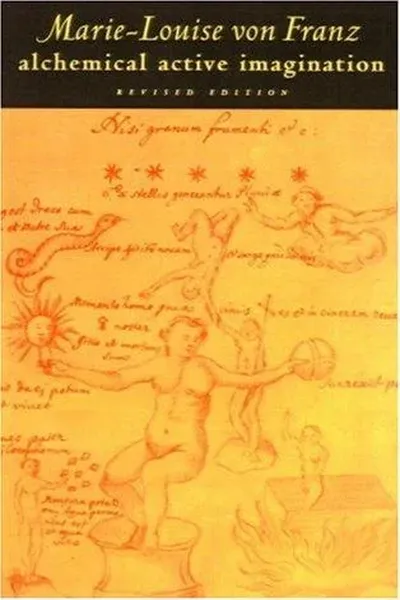
The Steganographia of Johannes Trithemius
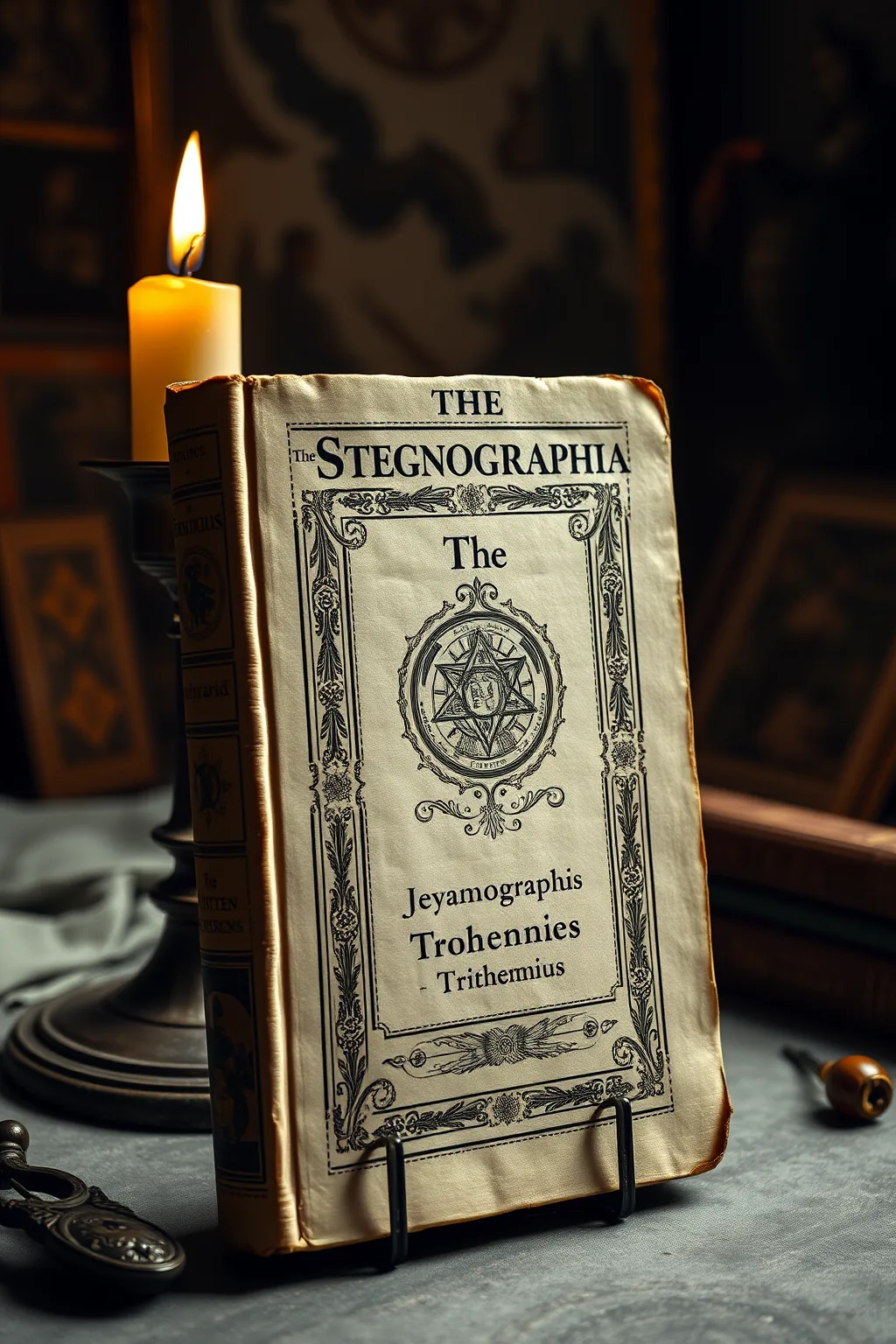
 61
61

The Steganographia of Johannes Trithemius



Review by Lorelei Sage (Contemplative Literature Editor) — 'The Steganographia of Johannes Trithemius' stands as a monumental work in the annals of esoteric literature. Trithemius' mastery of cryptography and alchemy shines through in every page, making this book a must-read for anyone delving into the mystical arts. The strength of this work lies in its multifaceted approach to hidden knowledge, blending symbolism, alchemy, and hermetic philosophy into a cohesive and compelling narrative. Trithemius' use of coded messages and cryptic language adds an extra layer of intrigue, challenging the reader to engage with the text on a deeper level. This book is particularly suited for advanced scholars and practitioners who are already familiar with the basics of esoteric traditions and are seeking to expand their understanding. The philosophical significance of 'The Steganographia' cannot be overstated; it offers a rare glimpse into the mind of a Renaissance mystic, revealing the timeless quest for spiritual enlightenment and hidden truths.
📝 Description
61
Johannes Trithemius wrote 'The Steganographia' around 1499, disguising magical and cryptographic secrets within dialogues.
Johannes Trithemius' 'The Steganographia,' completed circa 1499, presents a complex system of angelic communication and cryptography. The text is framed as a dialogue between Trithemius and his spiritual guide, with angelic names and rituals detailed as a means to communicate across distances and perhaps influence events. Trithemius, an abbot and noted cryptographer, encoded these practices within a narrative structure, making direct interpretation challenging. The work appears to blend religious devotion with occult practices, a common characteristic of late medieval esoteric thought. Its structure as a series of letters or dialogues allows for the introduction of varied symbolic material and coded instructions.
Understanding 'The Steganographia' requires attention to its dual nature: a cryptographic manual and a treatise on spiritual communication. The book details specific angels, their names, and associated ceremonies, suggesting a system for invoking or communicating with them. Trithemius' background in cryptography lends weight to the idea that the text itself is a cipher, not only in its content but potentially in its form. This duality has led to centuries of debate regarding its true purpose and meaning, positioning it as a significant, though often obscure, text in the history of Western esotericism.
Written at the cusp of the Renaissance, 'The Steganographia' emerged from a period where Christian theology, Neoplatonic philosophy, and Kabbalistic ideas intersected with emerging cryptographic science. Trithemius, a Benedictine abbot, operated within this milieu, seeking to reconcile divine knowledge with practical methods. His work reflects a tradition that viewed the angelic hierarchy not just as theological concepts but as active agents accessible through specific rites and knowledge. This approach connected with Hermetic and Renaissance magical traditions that sought to understand and manipulate the hidden forces of the universe through symbolic systems and ritualistic practices.
💡 Why Read This Book?
Why read 'The Steganographia'? This book is an essential read for anyone interested in the mystical and occult traditions. Whether you are a seasoned scholar, a practicing alchemist, or a spiritual seeker, 'The Steganographia' offers a wealth of esoteric insights and philosophical depth. The work's cryptic language and symbolism challenge the reader to engage actively with the text, making it a valuable tool for personal and intellectual growth. Additionally, 'The Steganographia' provides a unique historical perspective on the development of esoteric thought, making it an invaluable resource for anyone studying the occult.
⭐ Reader Reviews
Honest opinions from readers who have explored this book.
❓ Frequently Asked Questions
What is 'The Steganographia' about?
'The Steganographia' is a collection of cryptic letters written by Johannes Trithemius, exploring themes of alchemy, hermeticism, and the occult. It is known for its use of hidden knowledge and symbolism.
Who is the intended audience for this book?
The intended audience includes scholars of esoteric traditions, practitioners of magical arts, and seekers of hidden wisdom. It is particularly suited for those with some prior knowledge of occult studies.
What makes 'The Steganographia' unique?
The book's unique blend of cryptography, alchemy, and hermetic philosophy, along with its use of coded messages and symbolism, sets it apart from other esoteric works.
Is 'The Steganographia' accessible to beginners?
While it offers profound insights, the book's cryptic language and complex themes may be challenging for beginners. It is more suited for those with some background in occult studies.
What is the historical significance of 'The Steganographia'?
Written in the early 15th century, 'The Steganographia' provides a rare glimpse into the esoteric thought of the Renaissance, influencing subsequent generations of mystics and scholars.
🔮 Key Themes & Symbolism
Cryptography and Hidden Knowledge
Trithemius' work is renowned for its use of cryptic language and coded messages, making it a core part of esoteric literature. The book explores the art of concealment and revelation, inviting the reader to decipher its hidden meanings and unlock the secrets of the mystical arts. This theme is central to the book's allure, as it challenges the reader to engage with the text on a deeper level, seeking out the hidden truths that lie beneath the surface.
Alchemy and Transformation
Alchemy, the ancient practice of transforming base materials into gold, is a recurring theme in 'The Steganographia.' Trithemius uses alchemical symbolism to explore the process of spiritual transformation, inviting the reader to start a path of reading of self-discovery and enlightenment. This theme is particularly significant in the context of hermetic philosophy, which views the alchemical process as a metaphor for spiritual growth and transformation.
Hermetic Philosophy
Hermeticism, the ancient wisdom tradition attributed to the mythical figure Hermes Trismegistus, is a foundational theme in 'The Steganographia.' Trithemius draws on hermetic principles to explore the interconnectedness of all things, the power of the mind, and the quest for spiritual enlightenment. This theme is woven throughout the book, providing a philosophical framework for the esoteric insights and mystical experiences it describes.
💬 Memorable Quotes
Direct passages from the work, attributed to the author.
“The path to enlightenment is hidden in plain sight.”
— Trithemius emphasizes the need for discernment and intuition in uncovering hidden truths.
“In the language of symbols, the deepest truths are revealed.”
— Symbolism is a key theme in 'The Steganographia,' with Trithemius using it to convey profound esoteric insights.
💡 Key Ideas
Editorial paraphrase of the work's core concepts — not direct quotes.
The secrets of nature are revealed to those who seek them with a pure heart.
This quote underscores the importance of spiritual purity in the quest for esoteric knowledge.
The alchemist's work is a reflection of the soul's journey.
This quote highlights the spiritual significance of alchemical practice, viewing it as a metaphor for personal transformation.
The seeker of hidden knowledge must be willing to venture into the unknown.
This quote encourages the reader to embrace the mysteries of the occult and explore the depths of esoteric thought.
🌙 Esoteric Significance
Tradition
The Steganographia belongs to the Hermetic tradition, which draws on the ancient wisdom attributed to Hermes Trismegistus. This tradition emphasizes the interconnectedness of all things, the power of the mind, and the quest for spiritual enlightenment. Trithemius' work is a evidence of the enduring power of hermetic philosophy, offering a unique perspective on the mystical arts.
Symbolism
Key symbols in 'The Steganographia' include alchemical emblems, cryptic letters, and hermetic seals. These symbols are used to convey hidden meanings and esoteric insights, challenging the reader to engage with the text on a deeper level. The book's use of symbolism is a reflection of the occult tradition, which views symbols as a means of conveying profound truths that lie beyond the reach of ordinary language.
Modern Relevance
The Steganographia remains relevant today, particularly for practitioners of the occult and esoteric traditions. Modern scholars and seekers of hidden knowledge continue to draw on Trithemius' insights, using his work as a guide to the mystical arts. The book's cryptic language and symbolism offer a unique challenge, inviting the reader to engage with the text in a way that is both intellectually stimulating and spiritually enriching.
👥 Who Should Read This Book
Beginners in the field of esoteric studies may find 'The Steganographia' challenging due to its cryptic language and complex themes. However, those with some prior knowledge of occult traditions will find it a valuable resource for deepening their understanding. Scholars of esoteric literature will appreciate the book's historical significance and its influence on subsequent generations of mystics. Spiritual seekers and practitioners of magical arts will find in 'The Steganographia' a wealth of esoteric insights and philosophical depth, making it an essential read for anyone seeking to explore the mysteries of the mystical world.
📜 Historical Context
Written in the early 15th century, 'The Steganographia' emerged during a time of significant intellectual and spiritual ferment. The Renaissance period was marked by a renewed interest in classical learning, including the esoteric traditions of alchemy and hermeticism. Trithemius, an Abbot and cryptographer, was at the forefront of this movement, blending his knowledge of cryptography with esoteric philosophy to create a work that would influence generations of mystics and scholars. The book's cryptic language and hidden symbols reflected the secrecy and mystique of the occult arts, making it a valuable resource for those seeking to unlock the mysteries of the mystical world. Its influence can be seen in the works of later esoteric writers, who drew on Trithemius' insights to explore the depths of hidden knowledge.
📔 Journal Prompts
Reflect on the significance of hidden knowledge in your spiritual journey.
How does the use of symbolism in 'The Steganographia' enhance your understanding of esoteric traditions?
Consider the role of alchemy in personal transformation and spiritual growth.
Explore the concept of interconnectedness as described in hermetic philosophy.
How does the secrecy and mystique of the occult arts influence your perception of the mystical world?
🗂️ Glossary
Steganography
The practice of concealing messages within other media, such as text or images, to avoid detection.
Hermeticism
An ancient wisdom tradition attributed to the mythical figure Hermes Trismegistus, emphasizing spiritual enlightenment and the interconnectedness of all things.
Alchemy
The ancient practice of transforming base materials into gold, often viewed as a metaphor for spiritual transformation.
Cryptography
The art of writing or solving codes, used in 'The Steganographia' to convey hidden meanings and esoteric insights.
Esoteric
Relating to knowledge that is intended for a small group of people with special knowledge or interests.
This book appears in 3 collections
🔮 Readers Also Liked
Browse all →






More by Johannes Trithemius
All books →
From the “Hermeticism” Collection
View all →







More Free Alchemy & Hermeticism Books
View all →