What is Kundalini?
Kundalini is a concept originating in ancient Indian traditions, often described as a dormant, primal, spiritual energy located at the base of the spine. It is metaphorically depicted as a coiled serpent. When awakened through practices like yoga and meditation, it is believed to rise through the central nervous system, activating various energy centers (chakras) and leading to expanded consciousness and spiritual realization.
Best Books for Complete Beginners
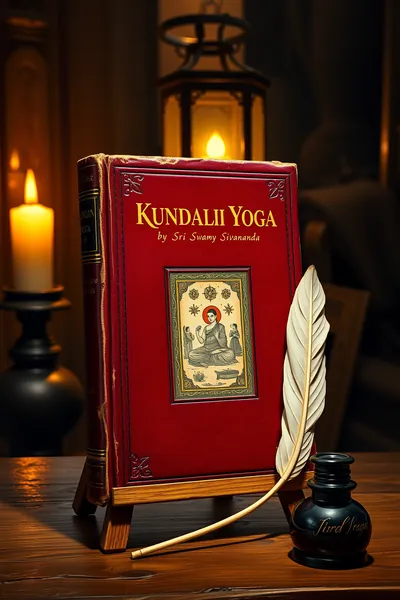
For those new to Kundalini, starting with accessible overviews is recommended. 'Kundalini Yoga' by Sri Swamy Sivananda (1980) offers a direct approach to the practice and its principles. 'Kundalini and the Art of Being' by Gabriel Morris provides a gentle introduction to the energetic and psychological aspects. 'Chakras' by Naomi Ozaniec explains the energy centers associated with Kundalini's ascent. 'The Healing Power of Mudras' by Rajendar Menen introduces hand gestures that can complement energetic practices. 'Kundalini Yoga for the West' by Sivananda Radha bridges Eastern concepts with Western understanding.
Intermediate Reading
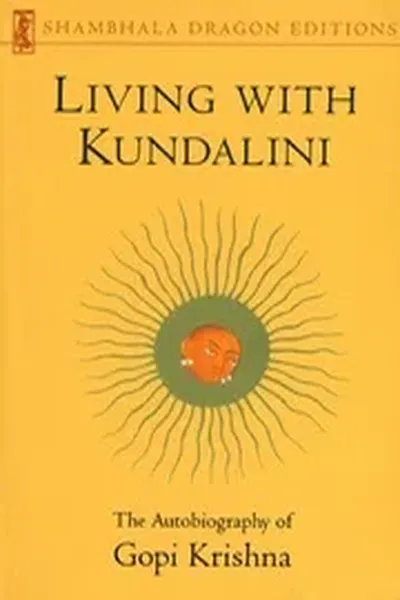
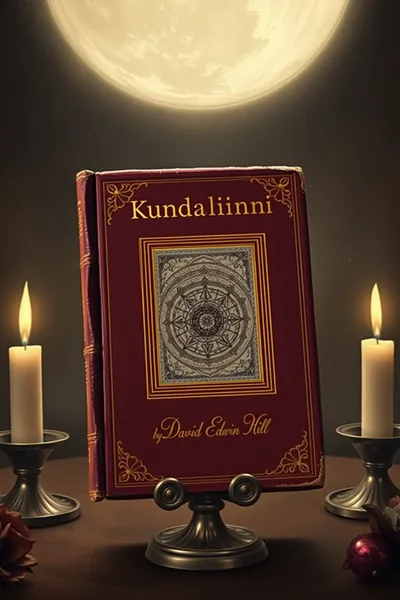
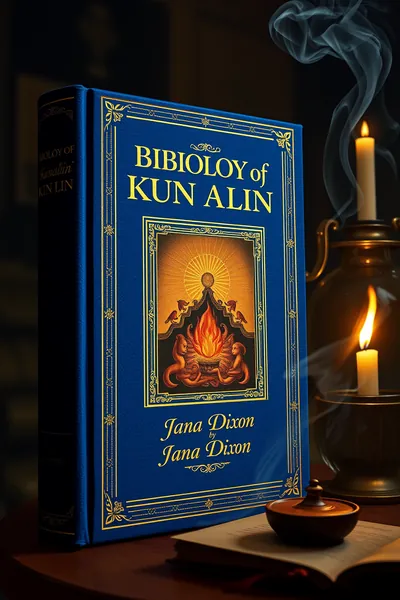
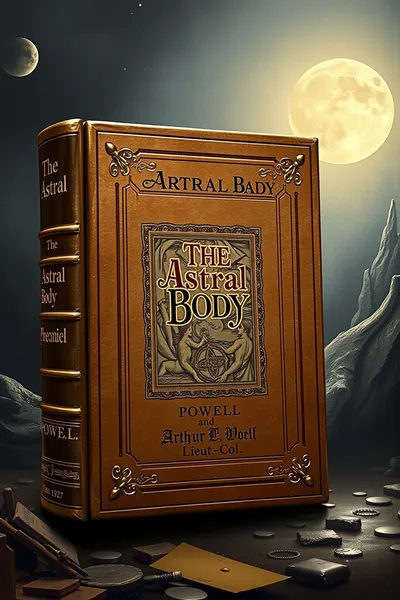
As understanding deepens, explore texts that delve further into the mechanics and experiences of Kundalini. 'Living With Kundalini' by Gopi Krishna offers a personal account of awakening and its challenges. Arthur E. Powell's 'The Astral Body and other astral phenomena' (1927) touches on related esoteric concepts and subtle body experiences. Jana Dixon's 'Biology Of Kundalini - Exploring The Fire Of Life' presents a more physiological perspective. 'Kundalini and yantra' by David Edwin Hill connects the energy with visual meditative tools.
Classical / Advanced Texts
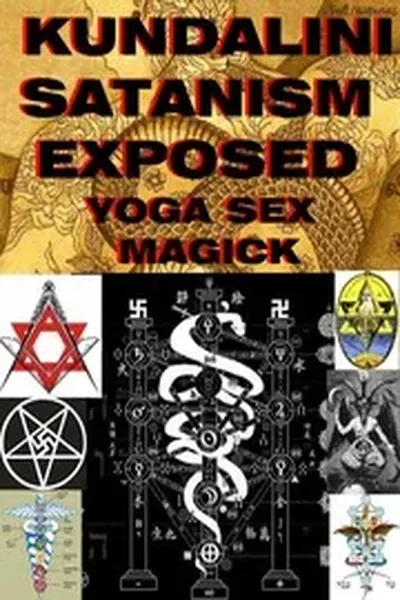
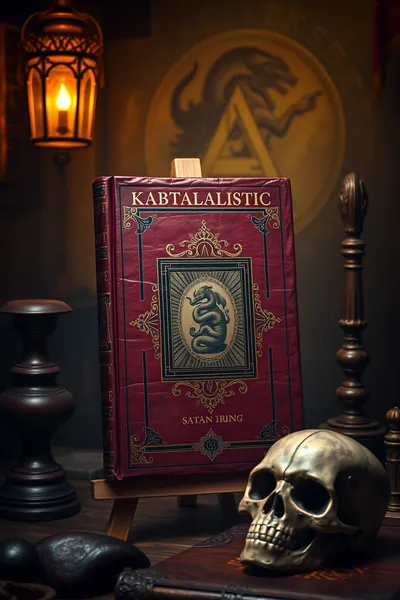
Serious students should engage with primary sources and scholarly analyses. 'Shakti and Shâkta' by Sir John Woodroffe (Arthur Avalon, 1918) is a key work on Tantra and its relation to Kundalini. 'Introduction to Tantra-Sastra' by Sir John Woodroffe provides deeper technical insights into Tantric scriptures. 'The Talmud Judaism Theology 500 A.D. Kabbalah' and 'Kabbalistic Serpent Satan Rising Nameless Order nwo illuminati freemasons kundalini' offer perspectives from related mystical traditions, though require careful discernment.
Reading Order — Step by Step
Begin with foundational concepts. Weeks 1-2: Read Naomi Ozaniec's 'Chakras' and Sivananda Radha's 'Kundalini Yoga for the West' to grasp basic principles and Western adaptations. Month 2: Progress to Sri Swamy Sivananda's 'Kundalini Yoga' (1980) for a more direct yogic approach, and Gopi Krishna's 'Living With Kundalini' for experiential context. Month 3+: Engage with Sir John Woodroffe's 'Shakti and Shâkta' (1918) for classical Tantric depth, and Arthur E. Powell's 'The Astral Body' for subtle body exploration.
Frequently Asked Questions
Which Kundalini book should I read first?
For a gentle introduction, start with Naomi Ozaniec's 'Chakras' to understand the energy centers, followed by Sivananda Radha's 'Kundalini Yoga for the West' for practical application.
Is Kundalini dangerous?
Uncontrolled or premature awakening can lead to psychological and physical distress. Reading foundational texts like those by Sivananda or Ozaniec can provide necessary caution and guidance.
What is the difference between Kundalini Yoga and other yoga styles?
Kundalini Yoga specifically focuses on awakening this dormant energy through a combination of postures, breathwork, chanting, and meditation, aiming for spiritual transformation.
Are there scientific explanations for Kundalini?
Some modern authors, like Jana Dixon in 'Biology Of Kundalini', explore potential physiological and neurological correlates, though the phenomenon is primarily understood through spiritual and esoteric frameworks.
What is the role of chakras in Kundalini?
Chakras are the energy centers Kundalini is believed to activate as it ascends the central channel (Sushumna Nadi) from the base of the spine towards the crown.
Can Kundalini be awakened through non-yogic practices?
While yoga is a primary method, Kundalini can potentially be stimulated through intense meditation, certain Tantric rituals, or even spontaneously, though guided practice is generally advised.