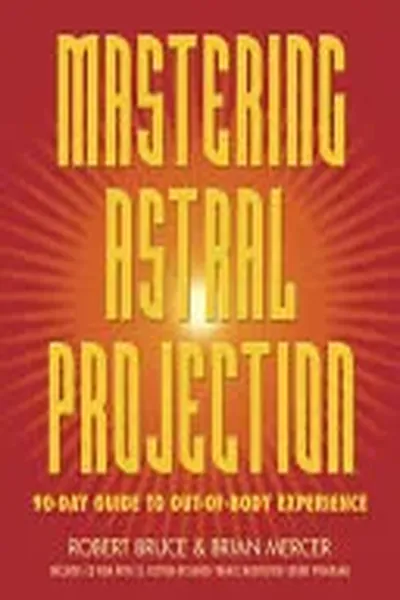
The Illustrated Encyclopedia of Confucianism: N-Z
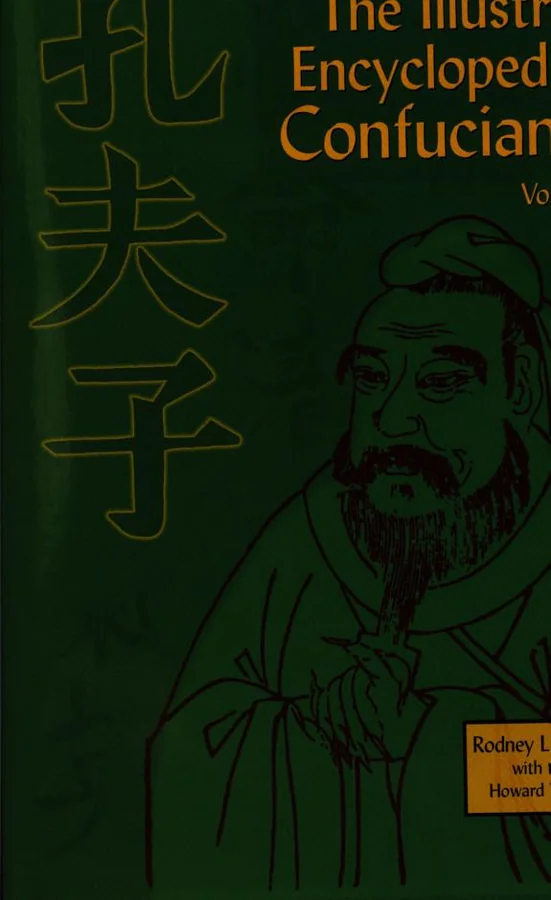
 81
81

The Illustrated Encyclopedia of Confucianism: N-Z
The "Illustrated Encyclopedia of Confucianism: N-Z" is a meticulously compiled reference, indispensable for serious study of the tradition. Its strength lies in its exhaustive coverage, presenting entries on topics as diverse as the "Five Classics" and the concept of the "Mandate of Heaven" with scholarly rigor. One particular passage detailing the intricate court rituals during the Han Dynasty offers a vivid glimpse into the practical application of Confucian principles. However, its academic nature, while a strength, can also be a limitation for the casual reader; the prose is dense and assumes prior familiarity with the subject. The absence of the 'A-M' volume in this particular installment means it cannot stand entirely alone for comprehensive reference. Nevertheless, for those needing precise definitions and historical context for Confucian terminology, this volume is a significant academic resource.
📝 Description
81
Published in 2005, this volume concludes a scholarly reference on Confucianism with entries from N to Z.
The Illustrated Encyclopedia of Confucianism: N-Z is the final part of a comprehensive scholarly reference detailing the philosophy and practice of Confucianism. It contains extensive entries on subjects from 'N' to 'Z', aiming to illuminate the wide-ranging nature of this tradition that has shaped East Asian culture for centuries. The scope covers intellectual history, social structures, and artistic expressions.
This encyclopedia is intended for scholars of East Asian studies, religious studies, and philosophy. It also serves students seeking detailed information on specific Confucian concepts, historical figures, or texts. Those interested in comparative religion, sinology, or the historical development of ethical and political thought will find its depth and breadth useful, particularly for academic-level information.
This encyclopedia situates Confucianism within the broader intellectual traditions of East Asia. While often viewed through the lens of ethics and politics, its underlying cosmology, ritual practices, and the cultivation of virtue connect it to deeper philosophical and spiritual inquiries common in esoteric traditions. The work details how these principles were understood and applied across various historical periods, offering a resource for understanding the lived experience and theoretical underpinnings of a major world philosophy.
💡 Why Read This Book?
• Understand the specific meaning of 'Ren' (benevolence) and its application in Confucian ethics, as detailed within the encyclopedia's comprehensive entries on ethical concepts. • Gain insight into the historical development of Neo-Confucianism by examining its distinct schools and key figures, such as Zhu Xi, whose influence is thoroughly documented. • Explore the symbolic representations within Confucian art and architecture, learning how visual elements reinforce philosophical tenets, as presented in the 'arts, architecture, and iconography' sections.
⭐ Reader Reviews
Honest opinions from readers who have explored this book.
❓ Frequently Asked Questions
What specific Confucian texts are covered in "The Illustrated Encyclopedia of Confucianism: N-Z"?
This volume, covering N-Z, includes entries on significant texts like the "Analects" (Lunyu) and the "Book of Mencius" (Mengzi), alongside discussions of later commentaries and scholarly works crucial to understanding Confucian thought.
Are biographical entries included for major Confucian figures?
Yes, the encyclopedia provides biographical entries for key figures from Confucius himself to later philosophers and scholars who contributed to the development and dissemination of Confucianism.
Does the encyclopedia discuss the relationship between Confucianism and other Chinese philosophies?
Absolutely. It explores the interplay and historical dialogue between Confucianism and other traditions such as Daoism and Buddhism, offering context for its development and influence.
What is the time period covered by the historical entries?
The historical entries span from the early periods of Chinese history, including the Spring and Autumn period (771–476 BCE) when Confucius lived, through subsequent dynasties and into more modern interpretations.
Is this book suitable for someone completely new to Confucianism?
While comprehensive, the academic depth may be challenging for absolute beginners. However, its structured entries offer a detailed introduction for motivated learners interested in a scholarly overview.
What are some examples of ceremonies and rituals discussed?
The volume details various ceremonies and rituals, including those related to ancestral worship, state observances, and the rites of passage, illustrating their importance in Confucian practice and social order.
🔮 Key Themes & Symbolism
Ritual and Social Order
The encyclopedia extensively details 'Li' (rites and propriety), illustrating how these structured social interactions and maintained harmony within families and the state. Entries discuss everything from grand state ceremonies to the nuances of familial obligations, emphasizing Confucianism's focus on ordered conduct as central to ethical living and governance.
The Sage and the Ideal Person
Central to Confucian thought is the concept of the 'Junzi' (gentleman or superior person) and the role of sages like Confucius himself. The work explores the cultivation of virtues such as benevolence ('Ren') and righteousness ('Yi') as pathways to becoming an exemplary individual, detailing the moral education and self-cultivation emphasized in Confucianism.
Cosmological and Mythological Frameworks
Beyond ethics and governance, the encyclopedia examines the cosmological and mythological underpinnings of Confucianism. It discusses concepts like the 'Mandate of Heaven' and the integration of astrological and calendrical systems, showing how these broader frameworks informed the political and social order advocated by Confucian thinkers.
Literary and Symbolic Expressions
The tradition's rich literary heritage and symbolic language are thoroughly documented. Entries cover significant texts, poetic forms, and the use of symbols in art and iconography that convey Confucian ideals, demonstrating the deep connection between philosophical expression and cultural artifacts.
💬 Memorable Quotes
Direct passages from the work, attributed to the author.
“The encyclopedia details the concept of 'Ren' (benevolence) as central to Confucian ethics.”
— This highlights Confucianism's emphasis on humane conduct and compassion as the foundation for personal virtue and societal well-being, a core ideal explored throughout the volume.
“Entries examine the role of 'Li' (rituals and propriety) in structuring social relationships.”
— This points to the Confucian belief that adherence to established rites and etiquette is crucial for maintaining social harmony and demonstrating respect within all levels of interaction.
“The work covers biographical accounts of key figures like Mencius.”
— This signifies the encyclopedia's commitment to tracing the lineage of Confucian thought through its most influential proponents, detailing their contributions and philosophical developments.
“Discussions on Neo-Confucianism explore its synthesis with metaphysical concepts.”
— This indicates the encyclopedia's scope extends beyond early Confucianism to its later, more complex philosophical developments, including its engagement with cosmology and ontology.
“The encyclopedia includes entries on iconography and symbolic representations.”
— This suggests a focus on the visual and material culture associated with Confucianism, exploring how symbols and artistic forms communicate philosophical ideas and cultural values.
🌙 Esoteric Significance
Tradition
While primarily a work of academic Sinology, this encyclopedia touches upon aspects of Confucianism that resonate with esoteric traditions focused on cosmic order and self-cultivation. Its detailed examination of rituals ('Li') and moral philosophy aligns with practices in various Hermetic and Gnostic traditions that emphasize structured paths to enlightenment and ethical perfection.
Symbolism
Key symbols explored include the 'Mandate of Heaven,' representing a cosmic endorsement of righteous rule, and the concept of 'Qi' (vital energy), which, while more central to Daoism, finds echoes in Confucian ideas about cultivating inner vitality for ethical action. The 'Yin and Yang' duality also appears as a framework for understanding cosmic balance.
Modern Relevance
Contemporary practitioners of mindfulness and ethical philosophy, as well as scholars of comparative religion, draw upon this work. Its detailed exposition of Confucian virtues and social ethics informs modern discussions on applied ethics, governance, and the search for harmonious living in diverse cultural contexts.
👥 Who Should Read This Book
• Scholars of East Asian philosophy and religious studies seeking authoritative definitions and historical context for Confucian terms and figures. • Students of comparative ethics and governance looking to understand the philosophical underpinnings of East Asian political and social structures. • Researchers interested in the development of Chinese intellectual history, particularly the evolution of Confucian thought from its classical roots through later dynasties.
📜 Historical Context
Published in 2005, "The Illustrated Encyclopedia of Confucianism: N-Z" emerged within an academic environment increasingly attentive to global philosophical traditions. This period saw significant scholarship on East Asian thought, with scholars like Tu Wei-ming actively contributing to the discourse on Confucianism's modern relevance. The encyclopedia's detailed entries on concepts like 'Ren' and 'Li', alongside its exploration of Neo-Confucianism, placed it within ongoing academic conversations about the continuity and transformation of Confucian thought. Its comprehensive nature aimed to provide a definitive reference point, addressing the need for accessible, yet scholarly, material on a tradition often viewed through a Western lens. Unlike purely philosophical treatises, its encyclopedic format offered a structured overview of its vast subject matter.
📔 Journal Prompts
The concept of 'Li' as explored in the encyclopedia.
Your understanding of 'Ren' before and after consulting the text.
The historical impact of the 'Mandate of Heaven' on Chinese dynasties.
The role of biographical entries in understanding philosophical lineage.
Connections between Confucian 'Junzi' ideals and modern leadership.
🗂️ Glossary
Ren (仁)
A fundamental Confucian virtue signifying benevolence, humaneness, goodness, or compassion. It represents the ideal quality of a person and is central to ethical conduct and social harmony.
Li (禮)
Encompasses rites, rituals, ceremonies, and propriety. It refers to the established norms of social behavior, etiquette, and conduct that maintain social order and express respect.
Junzi (君子)
Literally 'son of a ruler,' it refers to the 'gentleman' or 'superior person' in Confucianism. It denotes an ethically cultivated individual who embodies virtues like benevolence, righteousness, and wisdom.
Xiao (孝)
Filial piety, the virtue of respect for one's parents, elders, and ancestors. It is a core part of Confucian social ethics, emphasizing familial loyalty and responsibility.
Mandate of Heaven (天命)
A traditional Chinese philosophical concept justifying the rule of the king or emperor. It suggests that Heaven grants the ruler the right to rule, but it can be lost if the ruler becomes unjust.
Qi (氣)
Often translated as 'vital energy' or 'life force.' While more prominent in Daoism, the concept of cultivating and harmonizing one's vital energy for well-being and ethical action is relevant within the broader context of Chinese thought.
Neo-Confucianism
A philosophical movement that emerged in China during the Tang dynasty and became prominent in the Song dynasty. It synthesized Confucian ethics with metaphysical and cosmological ideas, often incorporating elements from Buddhism and Daoism.
This book appears in 1 collection
🔮 Readers Also Liked
Browse all →







From the “Confucianism” Collection
View all →




More Free Occult Philosophy Books
View all →