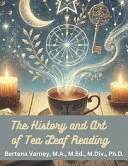
The History and Art of Tea Leaf Reading
 84
84

The History and Art of Tea Leaf Reading
Varney M a's "The History and Art of Tea Leaf Reading" attempts to demystify a practice often relegated to the fringes of esoteric interest. The book's strength lies in its methodical approach, beginning with a thorough historical overview that situates tasseography within broader divination traditions, even referencing its possible links to Ottoman Empire practices. The author clearly delineates the steps involved, from selecting the correct tea to interpreting the resulting patterns. However, while the intent is to be comprehensive, the sheer volume of symbols discussed can feel overwhelming. A passage detailing the interpretation of a 'snake' symbol, noting its duality as both wisdom and deception depending on context, exemplifies the nuanced approach. Yet, the book sometimes struggles to connect these abstract symbols to concrete, actionable advice for the modern practitioner. It remains a solid, if somewhat dense, introduction to the subject.
📝 Description
84
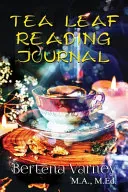
M Ed M DIV Varney M a's 2015 book details the historical and practical aspects of tea leaf reading.
The History and Art of Tea Leaf Reading examines tasseography, the practice of interpreting tea leaves. The author traces the origins of this divination method, presenting it as a system of symbolic communication rather than simple superstition. The text describes how brewing and drinking tea becomes a ritual that prepares both the diviner and the person seeking insight.
The book details the spread of tea leaf reading across cultures and through different historical periods. It offers practical guidance on selecting tea, the brewing process for interpretable leaves, and proper cup handling. Instructions are included for creating a focused environment, emphasizing intention and intuition alongside symbol interpretation.
Significant attention is given to cataloging and explaining common symbols found in tea leaves, such as animals, figures, and natural elements, along with their potential meanings. The work highlights that interpretations are contextual, depending on the querent's question and surrounding symbols, and encourages a personal connection to the symbolic language.
This book fits within the broader tradition of cartomancy and other forms of divination that interpret patterns and symbols. Like practices using tarot cards or runes, tea leaf reading relies on symbolic language and intuitive interpretation to gain insight. The author frames this practice not as mere superstition but as a structured system of communication, aligning with esoteric philosophies that seek meaning in everyday objects and actions.
💡 Why Read This Book?
• Understand the historical trajectory of tasseography, learning how its practice evolved from its likely origins in the Ottoman Empire around the 17th century to its current forms, a detail often omitted in simpler guides. • Master the specific brewing techniques required for effective tea leaf reading, including advice on selecting teas with appropriate leaf size and shape for clear patterns, a practical skill not found in generalized divination texts. • Develop a nuanced approach to symbol interpretation by studying the extensive glossary of common tea leaf symbols presented, such as the 'tree' representing growth and stability, enabling more accurate readings.
⭐ Reader Reviews
Honest opinions from readers who have explored this book.
❓ Frequently Asked Questions
What is the earliest known origin of tea leaf reading?
While precise origins are debated, the practice of reading tea leaves, known as tasseography, is believed to have emerged in the Ottoman Empire around the 17th century, coinciding with the increasing popularity of tea consumption in the region.
What type of tea is best for tea leaf reading?
The book suggests using loose-leaf teas with larger, broken leaves, such as black teas like Earl Grey or English Breakfast. These teas tend to leave clearer, more distinct patterns in the bottom of the cup compared to fine-ground teas.
How long should one wait after drinking before reading the leaves?
After drinking the tea, the cup is typically swirled three times. The reader then inverts the cup onto a saucer and waits for a few minutes to allow excess moisture to drain before turning it upright to interpret the patterns.
Are there specific questions best suited for tea leaf reading?
Tea leaf reading is generally best suited for questions seeking guidance or insight into personal matters, relationships, or future possibilities, rather than simple yes/no questions or predictions of exact events.
Can I use any teacup for tea leaf reading?
While any cup can technically be used, the book recommends a cup with a wide mouth and light-colored interior. This allows for better visibility of the tea leaf patterns and makes interpretation easier.
What is the difference between tasseography and other forms of divination?
Tasseography specifically interprets the patterns left by tea leaves in a cup. Unlike methods such as Tarot or astrology, it relies on a fluid, organic medium and requires a physical tea-drinking ritual.
🔮 Key Themes & Symbolism
Symbolic Language of Leaves
The work meticulously details the lexicon of tea leaf symbols, moving beyond simple interpretations to explore their layered meanings. For instance, a 'boat' symbol might signify a journey, but its meaning shifts dramatically depending on adjacent symbols—indicating a prosperous voyage or a perilous undertaking. This emphasis on context and combinatorial interpretation elevates tasseography from rote memorization to an intuitive art form, encouraging readers to develop their own symbolic resonance.
Ritual and Preparation
Beyond mere technique, the book underscores the importance of ritual in tea leaf reading. It outlines the necessary steps for creating a conducive atmosphere, from selecting the right tea and teacup to the mental and spiritual preparation of the diviner. This focus on ritual highlights the connection between the physical act of brewing and drinking tea and the unlocking of intuitive perception, framing the practice as a sacred or mindful engagement.
Historical Evolution of Tasseography
Varney M a traces the lineage of tea leaf reading, placing its emergence within the historical context of the Ottoman Empire's embrace of tea culture. The book examines how the practice spread across cultures, adapting to local customs and interpretations. This historical perspective provides readers with a deeper appreciation for the longevity and adaptability of tasseography as a divination method, differentiating it from more recent esoteric trends.
Community and Modern Practice
The volume extends its scope to contemporary applications, advocating for tea leaf reading as a communal practice. It offers guidance on hosting tea reading circles, fostering shared exploration and mutual insight among participants. This aspect encourages readers to view tasseography not solely as a solitary pursuit but as a tool for connection and dialogue, relevant to modern social and spiritual gatherings.
💬 Memorable Quotes
Direct passages from the work, attributed to the author.
“The cup, once emptied, becomes a canvas.”
— This statement highlights the transformative nature of the teacup after its contents have been consumed. It shifts the focus from the beverage itself to the residual patterns, framing the empty vessel as a space ripe for symbolic interpretation and revelation.
“Context is the silent interpreter of the leaves.”
— This emphasizes that individual symbols have fluid meanings. The surrounding patterns, the querent's question, and the diviner's intuition all contribute to understanding what a particular shape or mark truly signifies in a reading.
“Each swirl awakens the potential within the residue.”
— This refers to the ritualistic swirling of the teacup before inverting it. It imbues this physical action with spiritual significance, suggesting it's a method for concentrating the subtle energies and bringing the symbolic patterns to the surface.
“The leaves tell stories, not prophecies.”
— This interpretation frames tea leaf reading as a method for gaining insight and understanding current influences rather than a rigid prediction of unalterable future events. It encourages a more dynamic and empowering approach to divination.
💡 Key Ideas
Editorial paraphrase of the work's core concepts — not direct quotes.
Brewing is the first divination; interpretation is the second.
This paraphrased concept suggests that the very act of preparing the tea is not passive but an intentional step in the divination process. The choice of tea and the brewing method can influence the outcome, setting the stage for the subsequent reading of the leaves.
🌙 Esoteric Significance
Tradition
This work aligns with the broader tradition of sympathetic magic and divination, which posits that patterns in one medium can reflect or influence events in another. While not strictly Hermetic or Kabbalistic, it shares the underlying principle of correspondence found in these traditions. Tasseography can be seen as a folk divination practice that developed organically alongside the spread of tea, offering a unique, accessible method for seeking guidance that requires no complex astrological charts or esoteric knowledge of correspondences beyond the symbolic language of the leaves themselves.
Symbolism
Central to the book's exploration are symbols such as the 'tree,' often interpreted as representing growth, stability, and connection to the roots of one's being, echoing concepts of groundedness found in Earth element correspondences. The 'snake' is another potent motif, typically signifying transformation, healing, or hidden knowledge, aligning with the serpentine imagery often associated with wisdom and the underworld in various mythologies. The 'bird' frequently represents messages, freedom, or spiritual ascent, connecting to air element symbolism and the concept of inspiration.
Modern Relevance
Contemporary practitioners of mindfulness and intuitive development often integrate tea leaf reading into their practices, viewing it as a tool for self-reflection and present-moment awareness. Esoteric circles focused on folk magic and practical divination also draw upon this work, appreciating its detailed cataloging of symbols and emphasis on personal interpretation. Thinkers exploring the intersection of ritual, psychology, and divination find value in its systematic approach to a practice rooted in everyday life, demonstrating its adaptability beyond its historical origins.
👥 Who Should Read This Book
• Aspiring diviners seeking a practical, accessible entry into fortune-telling methods, who will benefit from the clear step-by-step instructions and extensive symbol glossary. • Enthusiasts of esoteric history interested in the evolution of divination practices, particularly those curious about the cultural journey of tea and its associated rituals. • Individuals looking for a unique method of self-reflection and insight, who can use the book's guidance to develop their intuition through the symbolic language of tea leaves.
📜 Historical Context
The History and Art of Tea Leaf Reading emerges within a field of renewed interest in esoteric practices during the early 21st century, a period seeing a resurgence in traditions like Hermeticism and Renaissance magic. Varney M a's work engages with a long lineage of divination, particularly the spread of tea culture from its origins in East Asia, through the Ottoman Empire, and into Europe by the 17th century. Tasseography itself gained significant traction in Victorian England, a time when spiritualism and fortune-telling flourished, often practiced by women in domestic settings. While competing schools of thought focused on more structured systems like astrology or numerology, tea leaf reading offered a more accessible, fluid, and intuitive method. The book situates itself within this historical ebb and flow, providing a comprehensive guide that draws on both anecdotal tradition and systematic analysis, aiming to legitimize a practice often dismissed as mere parlor trickery.
📔 Journal Prompts
The swirling of the teacup three times: its ritualistic significance.
Interpreting the 'tree' symbol in relation to personal growth.
How the concept of 'context is the silent interpreter' applies to a recent reading.
Exploring the duality of the 'snake' symbol in your own life.
The transformation of the empty cup into a symbolic canvas.
🗂️ Glossary
Tasseography
The practice of reading fortunes or interpreting symbols from the patterns left by tea leaves, coffee grounds, or wine sediments in a cup.
Divination
The practice of seeking knowledge of the future or the unknown by supernatural means. Tasseography is one such method.
Querent
The person for whom a divination reading is performed. Their question or situation is the focus of the interpretation.
Symbolism
The use of symbols to represent ideas or qualities. In tasseography, the shapes and formations of tea leaves are interpreted as symbols.
Intuition
The ability to understand something immediately, without the need for conscious reasoning. It plays an important role in interpreting tea leaf patterns.
Loose-leaf tea
Tea that is not in a tea bag, consisting of whole or broken tea leaves. Preferred for tasseography due to clearer patterns.
Ritual
A sequence of activities involving gestures, words, actions, or objects, performed according to a set sequence. Integral to preparing for a reading.
This book appears in 1 collection
🔮 Readers Also Liked
Browse all →









From the “Tea Leaf Reading” Collection
View all →



More Free Occult Philosophy Books
View all →