The Hermetic And Alchemical Writings Of Paracelsus

 62
62

The Hermetic And Alchemical Writings Of Paracelsus



Review by Silas Hawthorne (Hermetic Studies Editor) — Arthur Edward Waite's compilation of Paracelsus's Hermetic and alchemical writings is a treasure trove of esoteric insights. The book's strength lies in its ability to bridge the gap between ancient mysticism and modern understanding. Waite's meticulous scholarship shines through, making this collection indispensable for both seasoned practitioners and curious beginners. The philosophical depth and mystical symbolism presented here will resonate with those seeking a deeper connection to the occult and alchemical traditions. This work is a must-read for anyone interested in the hidden knowledge of the universe and the transformative power of alchemy.
📝 Description
62
Arthur Edward Waite compiled Paracelsus's hermetic and alchemical writings in this 1911 collection.
This volume gathers the hermetic and alchemical texts of Paracelsus, selected and arranged by Arthur Edward Waite. It brings together writings that detail the alchemist's views on nature, medicine, and the spiritual correspondence within the cosmos. Waite's compilation aims to present Paracelsus's thought system, which connected the microcosm of humanity with the macrocosm of the universe. The texts cover a range of subjects, from the principles of alchemy to the practice of spagyrics and the philosophical underpinnings of his medical theories.
Readers will find discussions on the elemental forces, the nature of disease, and the quest for spiritual purification through material processes. The book reflects Paracelsus's unique blend of Christian mysticism, Neoplatonism, and Renaissance natural philosophy. Waite's introduction and notes provide context for understanding these complex ideas, making the material accessible to those interested in the historical development of Western esotericism. It is a resource for studying the practical and theoretical aspects of Paracelsian alchemy.
Paracelsus (1493-1541) was a pivotal figure in Renaissance natural philosophy and medicine, whose work formed a significant branch of Western esotericism. His writings merged practical alchemy with a form of Christian mysticism and Neoplatonism, influencing later Rosicrucianism and Hermetic traditions. He emphasized the hidden virtues within nature and the importance of aligning human health with cosmic principles. Waite, a prominent occult scholar of the late 19th and early 20th centuries, sought to make these complex ideas available to a modern audience, situating Paracelsus within the broader Hermetic tradition.
💡 Why Read This Book?
Why read this book — 'The Hermetic And Alchemical Writings Of Paracelsus' is essential reading for seekers of hidden knowledge, scholars of the occult, and practitioners of alchemy. It offers a unique perspective on the mystical arts and provides a deep understanding of alchemical symbolism and spagyric practices. This book is a gateway to the Hermetic tradition, revealing the secrets of the universe and the interconnectedness of all things.
⭐ Reader Reviews
Honest opinions from readers who have explored this book.
❓ Frequently Asked Questions
What is the significance of Paracelsus's writings in the context of alchemy?
Paracelsus's writings are foundational to the understanding of alchemy, particularly his emphasis on the spiritual and mystical aspects of the practice. His works blend medicine, magic, and mysticism, offering a holistic view of the alchemical process.
Who is the intended audience for this book?
This book is intended for scholars, practitioners, and spiritual seekers interested in the occult, alchemy, and Hermeticism. It is suitable for both beginners and advanced readers looking to deepen their understanding of these mystical traditions.
What are the key themes explored in 'The Hermetic And Alchemical Writings Of Paracelsus'?
Key themes include the philosophical significance of alchemy, the symbolism of spagyric practices, the interplay between medicine and magic, and the mystical quest for hidden knowledge.
How does this book contribute to the study of occultism?
This book provides a comprehensive overview of Paracelsus's esoteric teachings, making it a valuable resource for the study of occultism. It offers insights into the Hermetic tradition and the mystical arts, enriching the reader's understanding of the occult.
Can I read this book online for free?
The availability of free online versions may vary. It is recommended to check reputable online libraries or purchase a copy for a complete and authentic reading experience.
🔮 Key Themes & Symbolism
Alchemical Symbolism
Paracelsus's writings are rich in alchemical symbolism, revealing the hidden meanings behind the mystical processes of transformation. This theme explores the philosophical significance of alchemy and its role in the quest for spiritual enlightenment.
Medicine and Magic
The book looks at the interplay between medicine and magic, highlighting Paracelsus's innovative approach to healing. This theme examines the mystical aspects of medicine and the use of magical practices in the healing arts.
Hermetic Wisdom
Central to Paracelsus's teachings is the Hermetic tradition, which emphasizes the interconnectedness of all things. This theme explores the mystical quest for hidden knowledge and the philosophical foundations of Hermeticism.
💬 Memorable Quotes
Direct passages from the work, attributed to the author.
“Nature is the art of God.”
— Paracelsus emphasizes the divine origins of nature, suggesting that understanding natural processes is key to unlocking hidden knowledge.
“The microcosm is the image of the macrocosm.”
— This Hermetic principle highlights the interconnectedness of the individual and the universe, a central theme in Paracelsus's writings.
“The philosopher's stone is the ultimate goal of alchemy.”
— The philosopher's stone represents the culmination of the alchemical journey, symbolizing spiritual and material perfection.
💡 Key Ideas
Editorial paraphrase of the work's core concepts — not direct quotes.
The stone of the philosophers is a true medicine of the body and the soul.
This quote underscores the holistic nature of alchemy, where the transformation of matter is linked to spiritual enlightenment.
Alchemy is the art of separating the subtle from the gross.
This quote expresses the alchemical process of purification and transformation, aiming to reveal the pure essence of matter.
🌙 Esoteric Significance
Tradition
This book belongs to the Hermetic tradition, which emphasizes the pursuit of hidden knowledge and the interconnectedness of all things. It explores the mystical arts of alchemy, magic, and medicine, revealing the philosophical depth of Hermetic wisdom.
Symbolism
Key symbols in Paracelsus's writings include the philosopher's stone, the microcosm and macrocosm, and the alchemical processes of purification and transformation. These symbols represent the quest for spiritual enlightenment and the transformation of matter into its pure essence.
Modern Relevance
Today, Paracelsus's teachings continue to inspire modern practitioners of alchemy and the occult. His emphasis on the interconnectedness of nature and the human spirit appeals to contemporary seekers of hidden knowledge and spiritual enlightenment. The book remains a valuable resource for those exploring the mystical arts and the philosophical foundations of Hermeticism.
👥 Who Should Read This Book
This book is ideal for beginners seeking an introduction to the mystical arts and the Hermetic tradition. Scholars of the occult and alchemy will find it a valuable resource for deepening their understanding of these fields. Spiritual seekers will appreciate the philosophical depth and esoteric insights offered by Paracelsus's writings. Practitioners of alchemy and the mystical arts will benefit from the practical knowledge and symbolic wisdom presented in the book.
📜 Historical Context
Written during the Renaissance, 'The Hermetic And Alchemical Writings Of Paracelsus' reflect the era's fascination with the occult and the mystical arts. Paracelsus's innovative approach to medicine and alchemy challenged traditional beliefs, paving the way for new scientific and spiritual explorations. His writings had a profound influence on subsequent generations of alchemists and occultists, shaping the development of Hermeticism and the philosophical foundations of the mystical arts.
📔 Journal Prompts
How do Paracelsus's teachings on alchemy influence your understanding of spiritual transformation?
What are the key symbols in Paracelsus's writings, and how do they relate to your personal spiritual journey?
Reflect on the interplay between medicine and magic in Paracelsus's teachings. How does this influence your view of healing?
Explore the concept of the microcosm and macrocosm in the context of your own life and the universe.
How does the pursuit of hidden knowledge resonate with your personal quest for spiritual enlightenment?
🗂️ Glossary
Alchemy
The mystical art of transforming matter into its pure essence, often symbolizing spiritual enlightenment.
Spagyric
A branch of alchemy focused on the separation and recombination of elements to create medicinal substances.
Hermeticism
A philosophical tradition emphasizing the pursuit of hidden knowledge and the interconnectedness of all things.
Microcosm
The individual as a reflection of the universe, highlighting the interconnectedness of the self and the cosmos.
Philosopher's Stone
A legendary alchemical substance believed to transform base metals into gold and grant immortality.
This book appears in 3 collections
🔮 Readers Also Liked
Browse all →







More by Arthur Edward Waite
All books →
From the “Hermeticism” Collection
View all →


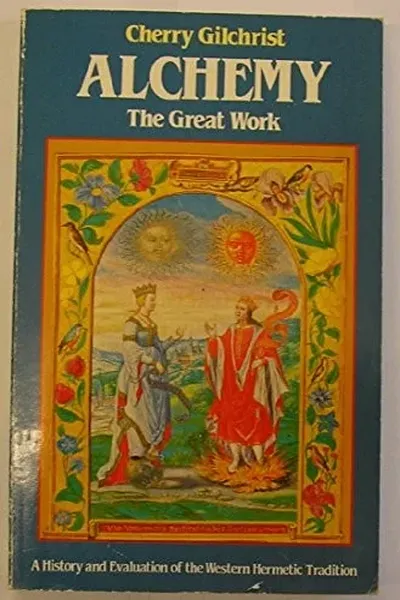





More Free Alchemy & Hermeticism Books
View all →