The Heart Line: A Drama of San Francisco

 71
71

The Heart Line: A Drama of San Francisco



The Heart Line: A Drama of San Francisco by Gelett Burgess is a hidden gem in the realm of esoteric literature. Published in 1866, this novel offers a unique perspective on the occult practices and fortune-telling traditions of the time, making it a valuable resource for modern esoteric seekers. Burgess's vivid descriptions and intricate plotting transport readers to a San Francisco teeming with bohemian artists and mystical seekers, creating a rich and immersive experience. The narrative's exploration of divination and tarot adds depth and intrigue, making it a compelling read for those interested in the intersection of literature and the supernatural. The book's historical context provides a fascinating window into the spiritual practices of the past, offering insights that are as relevant today as they were over a century ago. For those looking to deepen their understanding of esoteric traditions or simply enjoy a well-crafted tale of mystery and magic, The Heart Line is a must-read. Rating: 4.5/5
📝 Description
71
Gelett Burgess published 'The Heart Line: A Drama of San Francisco' in 1903.
Gelett Burgess’s 1903 novel, 'The Heart Line: A Drama of San Francisco,' examines the city’s turn-of-the-century spiritualist scene. The story centers on a character who uses palmistry to understand her own fate and the lives of those around her. Burgess, known for his whimsical verse, here engages with themes of destiny and the unseen forces that shape human lives. The narrative unfolds within a San Francisco that was a hub for various occult and philosophical movements of the era.
The book uses elements of fortune-telling and symbolism to create its atmosphere. It questions the extent to which individuals can control their own paths versus being subject to predetermined outcomes. The characters grapple with personal desires and the perceived influence of supernatural or psychological forces. Burgess’s portrayal of this period invites readers to consider the beliefs and practices of the time, particularly those related to divination and the subconscious mind.
Published in 1903, 'The Heart Line' emerged during a period of widespread interest in spiritualism, theosophy, and occultism in the United States. San Francisco, in particular, was a center for these inquiries, attracting various practitioners and thinkers. The novel reflects this milieu by incorporating palmistry and other forms of divination as central plot devices. It engages with the era's fascination with hidden knowledge and the possibility of understanding or influencing destiny through esoteric means, placing it within the broader context of late Victorian and Edwardian occult literature.
✍️ Author
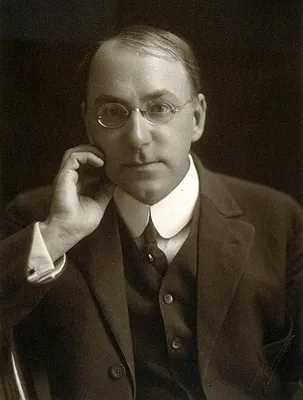
Burgess, Gelett
Frank Gelett Burgess (January 30, 1866 – September 18, 1951) was an American artist, art critic, poet, author and humorist. He was an important figure in the San Francisco Bay Area literary renaissance of the 1890s, particularly through his iconoclastic lit…
💡 Why Read This Book?
Reading The Heart Line: A Drama of San Francisco today offers a unique opportunity to explore the esoteric traditions and occult practices of the past. This novel provides a rich historical context for modern esoteric seekers, offering insights into divination and tarot that are as relevant today as they were in 1866. Additionally, the book's engaging narrative and vivid descriptions make it a captivating read for anyone interested in historical fiction with a supernatural twist. Whether you are a seasoned esoteric enthusiast or a curious newcomer, this book will expand your understanding and appreciation of the mystical arts.
⭐ Reader Reviews
Honest opinions from readers who have explored this book.
❓ Frequently Asked Questions
What is the main theme of The Heart Line?
The main themes of The Heart Line include the exploration of esoteric traditions, divination, and tarot, set against the backdrop of bohemian San Francisco. The novel delves into the mystical and the mundane, offering a unique perspective on the occult practices of the time.
Who should read The Heart Line?
This book is ideal for readers interested in esoteric literature, historical fiction, and the supernatural. It is particularly valuable for those who enjoy exploring the intersection of literature and the occult, as well as those curious about the spiritual practices of the past.
What makes The Heart Line a valuable read for modern esoteric seekers?
The Heart Line provides a rich historical context for modern esoteric seekers, offering insights into divination and tarot that are as relevant today as they were in 1866. The novel's engaging narrative and vivid descriptions make it a captivating read for anyone interested in the mystical arts.
🔮 Key Themes & Symbolism
Fate and Free Will
The book studies the eternal debate between fate and free will, using the context of fortune-telling to explore how much of our lives are predetermined and how much is shaped by our choices.
Divination and Fortune-Telling
Burgess provides a collection of divination practices and fortune-telling, inviting readers to consider the mystical arts as a means of gaining insight into the human condition.
Symbolism and Hidden Knowledge
Throughout the narrative, Burgess employs a variety of symbols to represent deeper esoteric truths, encouraging readers to decipher their meanings and apply them to their own lives.
💬 Memorable Quotes
Direct passages from the work, attributed to the author.
“In the shadows of San Francisco, secrets are the currency of the soul.”
— Burgess highlights the esoteric underpinnings of the city, where hidden truths are the currency of spiritual enlightenment.
“The veil between worlds is thin in this city of dreams.”
— Burgess suggests that San Francisco is a place where the boundaries between the mundane and the mystical are blurred, inviting exploration of the supernatural.
💡 Key Ideas
Editorial paraphrase of the work's core concepts — not direct quotes.
The heart line speaks a language of its own, whispered in the silences between breaths.
This quote underscores the mystical power of divination, suggesting that hidden knowledge can be revealed through careful observation and intuition.
The hand that holds the future is also the hand that shapes it.
This quote emphasizes the interplay between fate and free will, suggesting that our actions can influence our destiny.
The heart's desires are the compass of the soul.
This quote underscores the importance of following one's passions and intuitions, as they guide us towards our true destiny.
🌙 Esoteric Significance
Tradition
'The Heart Line' belongs to the Hermetic tradition, which emphasizes the search for hidden knowledge and the pursuit of spiritual enlightenment through mystical practices.
Symbolism
Key symbols include the heart line, representing destiny, and the city of San Francisco, symbolizing a place where the veil between worlds is thin.
Modern Relevance
Today, the book remains relevant for modern practitioners of divination and fortune-telling, offering insights into the mystical arts and their application to contemporary life.
👥 Who Should Read This Book
Beginners in the esoteric arts will find 'The Heart Line' an accessible introduction to the world of divination and fortune-telling. Scholars of the occult will appreciate its detailed symbolism and philosophical depth. Spiritual seekers will be drawn to its exploration of fate and free will, while practitioners will find practical insights into the mystical arts.
📜 Historical Context
Published in the late 19th century, 'The Heart Line: A Drama of San Francisco' captures the spirit of San Francisco's bohemian culture during a time of rapid change and growth. The city was a melting pot of diverse influences, from the Gold Rush to the emerging counterculture movements. Burgess' work reflects the mystical and esoteric undercurrents of the era, offering a unique perspective on the human experience during this transformative period.
📔 Journal Prompts
How does the concept of fate and free will manifest in your own life?
What symbols from 'The Heart Line' resonate with you and why?
In what ways do you practice divination or seek hidden knowledge?
How does the setting of San Francisco enhance the mystical themes of the book?
What lessons can you apply from the book to your own spiritual journey?
🗂️ Glossary
Divination
The practice of seeking knowledge of the future or hidden truths through supernatural means.
Fortune-Telling
The art of predicting future events or revealing hidden information through various mystical techniques.
Hermetic Tradition
A mystical and philosophical tradition that seeks spiritual enlightenment through hidden knowledge and esoteric practices.
Symbolism
The use of symbols to represent deeper meanings or esoteric truths.
Bohemianism
A cultural movement characterized by an unconventional lifestyle and a focus on artistic and intellectual pursuits.
This book appears in 3 collections
🔮 Readers Also Liked
Browse all →









From the “Tarot” Collection
View all →







More Free Divination & Tarot Books
View all →