Divinity & Ruin
 61
61

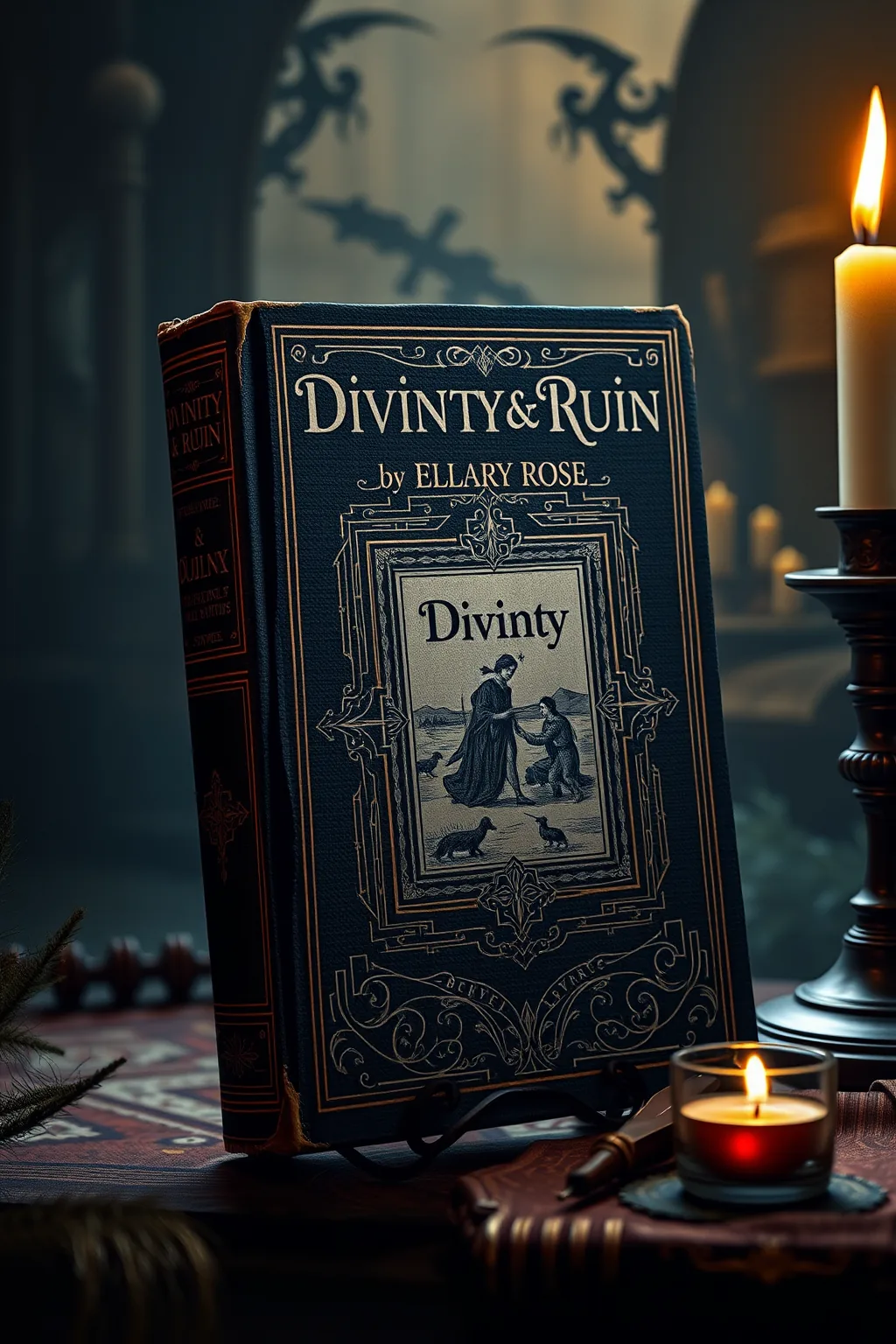
Divinity & Ruin



Aurelia Blackwood (Occult Philosophy Critic) — Ellary Rose's 'Divinity & Ruin' is a remarkable foray into the esoteric, weaving a narrative that is both intellectually stimulating and emotionally resonant. Rose demonstrates a profound understanding of divinatory symbolism, particularly Tarot, integrating it seamlessly into a compelling plot that explores the interplay of destiny and personal agency. The novel’s strength lies in its evocative prose and its ability to translate complex metaphysical concepts into a deeply human experience. This work is ideally suited for readers with an existing interest in occult studies, spiritual quests, or those seeking a romance that transcends the mundane, offering profound insights into the soul's journey through trials and illuminations.
📝 Description
61
Ellary Rose's 'Divinity & Ruin' uses Tarot symbolism to explore fate and desire.
In 'Divinity & Ruin,' Ellary Rose crafts a narrative where celestial fate meets human passion. The story unfolds in a world where ancient prophecies echo and reality shifts for those who grasp hidden knowledge. Rose integrates the symbolic language of Tarot not just as a plot element, but as a way to show archetypal forces influencing destiny. The novel creates an atmosphere of mystery and concealed wisdom, aimed at readers seeking more than a simple story; they are invited into the unseen forces of existence.
The book examines the ongoing conflict between free will and predestination. It also addresses the powerful draw of ambition and the possibility of redemption even amidst devastation. The narrative weaves together themes of fate, strong emotions, and the divine spark.
This novel engages with traditions that view symbols as keys to understanding cosmic forces. The use of Tarot, specifically, connects it to Western esotericism where the cards are seen as archetypal maps of the psyche and the universe. The narrative's focus on prophecy and hidden knowledge aligns with Gnostic and Hermetic ideas about gnosis, or direct spiritual insight, being a path to manipulating or understanding reality's underlying structures. It touches on the perennial philosophical questions about destiny and the human capacity to influence it.
💡 Why Read This Book?
Dive into 'Divinity & Ruin' to explore the profound connection between fate and desire, illuminated by the rich symbolism of Tarot. This novel is for seekers of hidden knowledge, practitioners of metaphysical arts, and scholars of esoteric lore who yearn for a story that resonates with ancient wisdom. If you are drawn to narratives that delve into the soul's journey, the power of archetypes, and the transformative nature of love against a backdrop of cosmic forces, this is your next essential read.
⭐ Reader Reviews
Honest opinions from readers who have explored this book.
❓ Frequently Asked Questions
What is the primary esoteric tradition explored in the book?
The book draws heavily from Western esotericism, with a particular emphasis on Tarot as a system of divination and symbolic language, exploring themes common in Hermeticism and Gnosticism.
Is this book suitable for beginners in occult studies?
Yes, while rich in esoteric detail, the narrative structure makes it accessible. It serves as an engaging introduction to symbolic thinking and archetypal exploration.
Does the book contain explicit content?
The novel incorporates elements of erotica, reflecting the passionate and sometimes intense nature of the characters' connections and their spiritual journeys.
What role does the Tarot play in the story?
The Tarot is integral, acting as a guide, a predictor of events, and a visual representation of the archetypal forces and spiritual lessons the characters encounter.
Can I read this book if I'm not familiar with Tarot?
Absolutely. While knowledge of Tarot enhances appreciation, the story is crafted to be understood and enjoyed by all readers, with the symbolic meanings unfolding organically within the narrative.
🔮 Key Themes & Symbolism
The Unveiling of Destiny
This theme examines the intricate range of fate, exploring how ancient prophecies and divinatory arts, particularly the Tarot, act as signposts on the characters' journeys. It examines the tension between predetermined paths and the power of free will, posing questions about whether destiny is an immutable force or a fluid landscape shaped by choices and cosmic influences. The narrative explores the concept of the 'hidden hand' guiding events, encouraging readers to consider the synchronicity and patterns that tie through their own lives, prompting introspection on their personal destinies.
The Alchemy of Desire
Fundamentally, , 'Divinity & Ruin' is a profound exploration of desire, not just in its carnal form but as a potent, transformative alchemical force. The novel examines how passion, longing, and connection can act as catalysts for spiritual growth and self-discovery. It examines the idea that intense emotional bonds can mirror cosmic unions, leading to useful insights and personal evolution. This theme encourages readers to consider the sacredness of human connection and the ways in which love and desire, when understood and embraced, can lead to a more complete and divine existence.
Traces of the Divine and the Shadow
This central theme navigates the dualistic nature of existence – the radiant spark of divinity and the deep, often daunting, shadow self. The novel posits that true enlightenment and self-understanding come not from avoiding darkness, but from confronting and integrating it. Characters grapple with their inner demons, past traumas, and the darker aspects of their nature, discovering that within these challenges lie the seeds of their greatest strength and spiritual awakening. This exploration invites readers to embrace their own complexities and recognize the divine potential that resides even in their most challenging experiences.
💬 Memorable Quotes
Direct passages from the work, attributed to the author.
“Love is the truest oracle.”
— Suggests that profound emotional connection and authentic feeling are the most reliable guides to truth and destiny.
“In every ending, a new beginning is seeded.”
— Speaks to the cyclical nature of life and the inherent potential for rebirth and growth even in moments of destruction or loss.
“The shadow holds the light it fears.”
— Points to the idea that confronting one's inner darkness can reveal hidden strengths and illuminate aspects of the self previously unrecognized.
“We are but stardust, dreaming of the cosmos.”
— A poetic assertion of humanity's cosmic origins and innate connection to the universal consciousness, fueling a longing for transcendence.
💡 Key Ideas
Editorial paraphrase of the work's core concepts — not direct quotes.
The cards do not command, they counsel.
This quote highlights the nuanced role of divination, emphasizing guidance and wisdom rather than absolute dictation of fate, encouraging agency.
🌙 Esoteric Significance
Tradition
This novel is deeply rooted in Western Esotericism, drawing significant inspiration from Hermeticism, Neoplatonism, and Gnosticism. Its primary symbolic language is derived from Tarot, which itself is a rich repository of archetypal imagery and occult symbolism inherited from various mystical traditions. The narrative explores concepts such as the divine spark within humanity, the influence of celestial bodies, the process of spiritual initiation, and the interplay of opposing forces (divinity and ruin, light and shadow) that are central to many esoteric paths.
Symbolism
The Tarot serves as the central symbolic system, with each card's archetype and imagery representing profound spiritual truths, psychological states, and potential life trajectories. Beyond the Tarot, the novel employs archetypal symbols common in mythology and alchemy: the journey, the quest, the crucible, the union of opposites, and the transformative power of fire and water. These symbols are not merely decorative but integral to the narrative's exploration of personal growth, spiritual awakening, and the unfolding of destiny.
Modern Relevance
In an age often characterized by secularism and rapid technological advancement, 'Divinity & Ruin' offers a compelling reminder of the enduring human need for meaning, connection, and spiritual exploration. Its themes of destiny, self-discovery, and the search for the divine resonate deeply with contemporary seekers. The novel provides a modern, accessible entry point into esoteric concepts, demonstrating their relevance not just as historical curiosities but as practical tools for navigating life's complexities, fostering self-awareness, and cultivating a deeper understanding of one's place in the universe.
👥 Who Should Read This Book
This novel is a valuable collection for a diverse readership. **Beginners** curious about the esoteric will find an engaging narrative that clarifies complex concepts through story. **Scholars** of mythology, folklore, and comparative religion will appreciate the nuanced integration of archetypal symbolism. **Seekers** on a spiritual path will connect with the profound explorations of destiny, self-discovery, and the divine within. **Practitioners** of divination, particularly Tarot readers, will find a wide range of symbolic representation and thematic depth that can inform their own practice and understanding. Anyone drawn to intensely atmospheric, thought-provoking fiction with a romantic heart will be captivated.
📜 Historical Context
While 'Divinity & Ruin' is a work of fiction, its thematic resonance aligns with periods of significant esoteric resurgence and philosophical inquiry. The late 19th and early 20th centuries, for instance, witnessed a profound interest in occultism, spiritualism, and Eastern philosophies in the West, driven by societal changes and a search for meaning beyond materialism. This era saw the popularization of Tarot, the rise of organizations like the Hermetic Order of the Golden Dawn, and a widespread fascination with ancient wisdom traditions. The novel's exploration of fate, divine power, and personal transformation reflects the intellectual currents of these times, where individuals sought to understand their place in a vast, mysterious universe through mystical lenses. The blend of romance and esoteric themes also reflects a broader literary trend of exploring the human psyche and its connection to the transcendent.
📔 Journal Prompts
Reflect on a time you felt guided by an unseen force. How did it manifest?
Consider a recent 'ruin' in your life. What lessons or new beginnings emerged from it?
If your life were a Tarot spread, which cards would represent your past, present, and potential future?
Explore the concept of 'divinity' within yourself. Where do you feel its presence most strongly?
How can understanding archetypal energies, as represented in the Tarot, inform your relationships and decisions?
🗂️ Glossary
Archetype
Universal, archaic patterns and images that derive from the collective unconscious and are the psychic counterpart of instinct.
Divination
The practice of seeking knowledge of the future or the unknown by supernatural means, often through symbolic systems like Tarot.
Esotericism
Beliefs and practices related to hidden knowledge, mysticism, and spiritual traditions not accessible to the general public.
Hermeticism
A philosophical and religious tradition based on the purported teachings of Hermes Trismegistus, emphasizing spiritual enlightenment and the interconnectedness of all things.
Synchronicity
Meaningful coincidences that are not causally related but are perceived as having a significant connection, often interpreted as a sign from the universe.
This book appears in 3 collections
🔮 Readers Also Liked
Browse all →

From the “Tarot” Collection
View all →
More Free Divination & Tarot Books
View all →