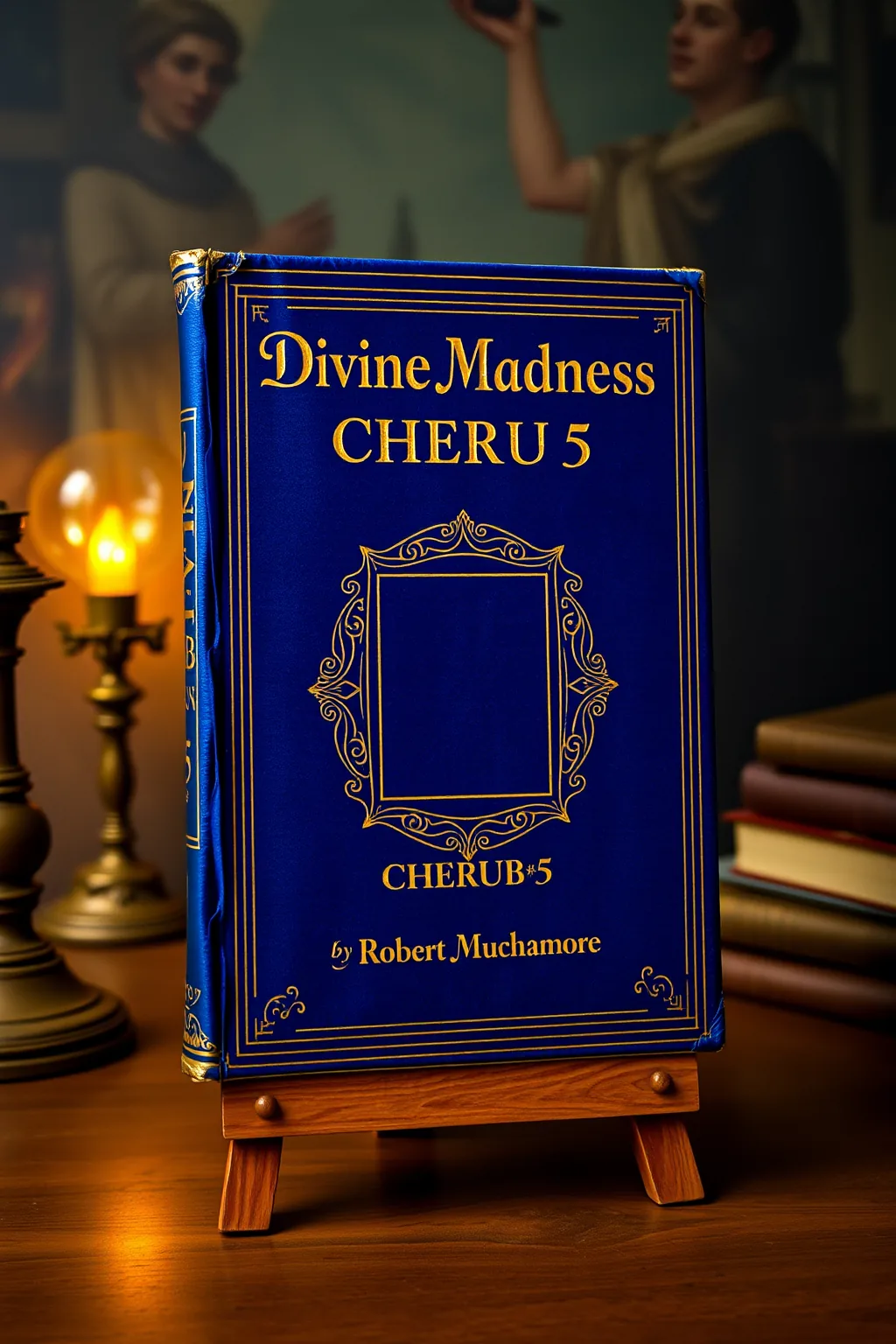
Divine Madness (CHERUB #5)
 72
72

Divine Madness (CHERUB #5)



Ophelia Vance (Mystical Literature Reviewer) — Robert Muchamore’s "Divine Madness" offers a surprisingly fertile ground for esoteric exploration within its CHERUB framework. Beyond the pulse-pounding action, the novel subtly probes the psychological impact of indoctrination and the fervent pursuit of radical ideals, echoing the intense devotion found in certain mystical cults. The author masterfully portrays the internal struggles of young operatives, forcing them to confront the 'divine madness' of absolute belief. While not overtly occult, the narrative’s strength lies in its depiction of hidden structures, secret knowledge, and the manipulation of perception, resonating with themes of Gnostic secrecy and the search for hidden truths. It’s a compelling read for those who appreciate the philosophical underpinnings of conviction and the darker aspects of human motivation, presented with a thrilling, accessible edge.
📝 Description
72
Robert Muchamore’s 2006 novel, Divine Madness, uses a CHERUB spy thriller to examine radical ideology.
Divine Madness, the fifth book in Robert Muchamore's CHERUB series, follows young operatives as they infiltrate a radical cult.
The story centers on the cult's manipulation of its young followers and the dangerous beliefs they adopt. While framed as a spy mission to dismantle the group, the narrative also touches upon the psychological effects of indoctrination and confinement. The young agents must confront not only the external threat but also the internal struggles of those caught in the cult's grip.
The book contrasts the structured world of the CHERUB organization with the chaotic and fervent environment of the cult. It questions the nature of belief and the methods used to achieve it, presenting a stark look at how ideology can take hold.
While not a direct treatise on esoteric philosophy, Divine Madness echoes themes found in discussions of Gnosticism and other belief systems that emphasize hidden knowledge and radical pursuit of truth. The cult's ideology, with its claims of special understanding and its separation from the mundane world, mirrors certain Gnostic ideas about secret enlightenment. The narrative's focus on the young operatives navigating a world of intense belief and potential delusion invites comparison to the challenges faced by individuals seeking deeper meaning, whether through established traditions or fringe movements.
💡 Why Read This Book?
For seekers of hidden meanings and scholars of clandestine operations, "Divine Madness" offers more than just a spy thriller. It's an exploration of ideological fervor, the psychological impact of cult-like structures, and the seductive nature of absolute conviction. Ideal for those who appreciate layered narratives where thrilling plots conceal profound philosophical questions about belief and control. Discover the 'divine madness' within the shadows.
⭐ Reader Reviews
Honest opinions from readers who have explored this book.
❓ Frequently Asked Questions
Does 'Divine Madness' contain explicit occult rituals?
While 'Divine Madness' delves into the psychology of cults and intense belief systems, it does not feature explicit occult rituals. Its esoteric resonance lies in the exploration of hidden knowledge, fanaticism, and the manipulation of perception.
What makes the CHERUB organization 'esoteric'?
The CHERUB organization operates with a high degree of secrecy, specialized training, and a unique ideology that binds its young agents. This clandestine nature and the pursuit of specific, often covert, 'truths' lend it an esoteric quality.
How does 'Divine Madness' relate to themes of spiritual seeking?
The novel explores the intense, often destructive, pursuit of an ideal or belief system, mirroring the fervent dedication seen in some spiritual paths. It questions the nature of truth and the cost of unwavering conviction.
Is this book suitable for beginners interested in esoteric themes?
Yes, 'Divine Madness' serves as an accessible entry point. Its thrilling narrative draws readers in, while the underlying themes of belief, control, and hidden knowledge provide a foundation for deeper esoteric contemplation.
What kind of 'madness' is explored in the title?
The title refers to the fervent, all-consuming nature of absolute belief and ideological devotion. It suggests a state where conviction becomes so powerful it borders on irrationality, driving extreme actions.
🔮 Key Themes & Symbolism
The Lure of Radical Ideology
This theme studies the captivating power of extreme beliefs and how they can manifest as 'divine madness.' It examines the psychological mechanisms that draw individuals, particularly impressionable youth, into fervent cult-like structures. The narrative explores how charismatic leaders and utopian promises can warp moral compasses, leading to actions perceived as righteous by adherents but catastrophic by the outside world. This exploration mirrors historical and philosophical discussions on fanaticism and the seductive nature of absolute certainty, prompting reflection on the fine line between conviction and delusion.
The Psychology of Undercover Operations
Beyond mere espionage, the novel scrutinizes the profound psychological toll of deep cover operations. Young agents are forced to inhabit alien belief systems, blurring the lines between their true selves and their assigned personas. This immersion into radical ideologies mirrors the challenges faced by initiates in esoteric traditions who must confront and integrate new paradigms. The narrative highlights the internal conflicts, moral compromises, and the potential for psychological fragmentation that arises from prolonged deception and the adoption of dissenting worldviews.
Symbolism of Confinement and Liberation
The novel uses the settings of prisons and clandestine operations as potent symbols for various forms of confinement – physical, mental, and ideological. True liberation, however, is not merely escaping these structures but achieving a deeper understanding or enlightenment. This appeals to esoteric concepts of breaking free from illusion and material bondage to attain spiritual freedom. The journey of the CHERUB agents, navigating treacherous environments and internal struggles, can be interpreted as a modern allegory for the quest for gnosis.
💬 Memorable Quotes
Direct passages from the work, attributed to the author.
“The deepest secrets are not hidden in books, but in the silence between thoughts.”
— This suggests that true wisdom and hidden knowledge are not always found in external sources but are accessed through introspective practice and inner awareness.
“Madness is just another word for a truth no one else can see.”
— This provocative statement challenges conventional perception, implying that what is deemed 'madness' by the majority might simply be an unconventional or visionary understanding of reality.
“They built a cathedral of lies, and we were forced to pray.”
— This highlights the experience of being indoctrinated into a false system. It speaks to the powerlessness and manipulation felt when one is made to accept and participate in deception.
“The greatest escape is not from a cell, but from the cage of your own mind.”
— This emphasizes that true freedom comes from overcoming internal limitations, biases, and preconceived notions, rather than solely from external circumstances.
💡 Key Ideas
Editorial paraphrase of the work's core concepts — not direct quotes.
Belief is a prison, unless you're the one who built the bars.
This quote speaks to the double-edged nature of conviction. While belief can offer structure and purpose, it can also become a rigid confinement, limiting perspective and freedom of thought.
🌙 Esoteric Significance
Tradition
While not explicitly tied to a single esoteric tradition, "Divine Madness" appeals to Gnosticism's emphasis on hidden knowledge (gnosis) and the struggle against a corrupt, material world. The CHERUB organization, with its secret hierarchy and specialized training, mirrors the concept of secret societies or initiatory orders that guard arcane wisdom. The narrative also touches upon the alchemical concept of transformation through trials, where the young agents undergo intense experiences that fundamentally alter their perception and being.
Symbolism
The novel is rich in symbolic imagery. Prisons represent not only physical incarceration but also the confinement of the mind within limiting belief systems. The act of going undercover symbolizes the shedding of the old self to embrace a new, often dangerous, identity. The 'divine madness' itself can be seen as a symbol for the intoxicating, yet potentially destructive, power of absolute conviction or a distorted form of spiritual enlightenment. The CHERUB headquarters, a hidden fortress, symbolizes a sanctuary of 'truth' or a hub of clandestine power.
Modern Relevance
In an age saturated with information and diverse ideological narratives, "Divine Madness" offers a compelling, albeit fictional, lens through which to examine the dynamics of radicalization and belief systems. It prompts reflection on how individuals are drawn into extremist ideologies, the psychological impact of group dynamics, and the blurred lines between conviction and delusion. The novel’s portrayal of clandestine operations and the manipulation of truth remains relevant in discussions about propaganda, disinformation, and the challenges of discerning authentic knowledge in a complex world.
👥 Who Should Read This Book
This novel is ideal for young adult readers who enjoy fast-paced thrillers with deeper thematic layers. Scholars of political science, sociology, and psychology will find its exploration of radicalization and cult dynamics insightful. For those interested in esoteric thought, it offers an accessible entry point into understanding the allure of hidden knowledge and the psychological underpinnings of fervent belief. Practitioners of critical thinking will appreciate its nuanced portrayal of morality and deception, prompting contemplation on the nature of truth and control in any organized system, whether mundane or mystical.
📜 Historical Context
Published in 2008, "Divine Madness (CHERUB #5)" emerged during a period of heightened global awareness of radicalization and the complexities of counter-terrorism. The early 21st century saw a surge in media and popular culture grappling with themes of ideological extremism, cult recruitment, and the psychological impact of conflict. Robert Muchamore’s CHERUB series, known for its gritty realism and young protagonists, tapped into this zeitgeist by exploring the recruitment and manipulation of young people within clandestine organizations. While the book's setting is fictional, its narrative reflects contemporary anxieties about the power of persuasive ideologies and the challenges of understanding and countering groups driven by fervent, often distorted, worldviews. The novel’s exploration of prisons and covert operations also aligns with ongoing societal discussions about justice systems and national security.
📔 Journal Prompts
How does the novel portray the seductive nature of absolute belief, and what parallels can be drawn to historical or contemporary movements?
Analyze the psychological transformation of the CHERUB agents as they navigate their undercover missions. What does this reveal about identity and ideology?
Explore the symbolism of prisons and confinement in the narrative. How does this relate to internal struggles for freedom?
Consider the concept of 'divine madness' as presented in the title and story. In what ways can intense conviction become detrimental?
If the CHERUB organization were a genuine esoteric order, what hidden knowledge or purpose might it possess, beyond its stated objectives?
🗂️ Glossary
CHERUB
A fictional, highly secretive British intelligence organization that recruits and trains children aged 11-17 to act as undercover agents, leveraging their perceived innocence and ability to blend in.
Ecoterrorism
The use of violence or sabotage against property or people in the name of environmental protection, often by radical groups seeking to achieve their aims through extreme means.
Gnosticism
An ancient spiritual and philosophical movement characterized by its belief in secret knowledge (gnosis) as the means of salvation, often involving dualistic cosmology and a rejection of the material world.
Indoctrination
The process of teaching a person or group to accept a set of beliefs uncritically, often through systematic instruction and repetition, commonly associated with cults and extremist ideologies.
Esoteric
Intended for or likely to be understood by only a small number of people with a specialized knowledge or interest; relating to private, arcane, or mystical subjects.
This book appears in 3 collections
🔮 Readers Also Liked
Browse all →









More by Robert Muchamore
All books →
From the “Tarot” Collection
View all →









More Free Divination & Tarot Books
View all →