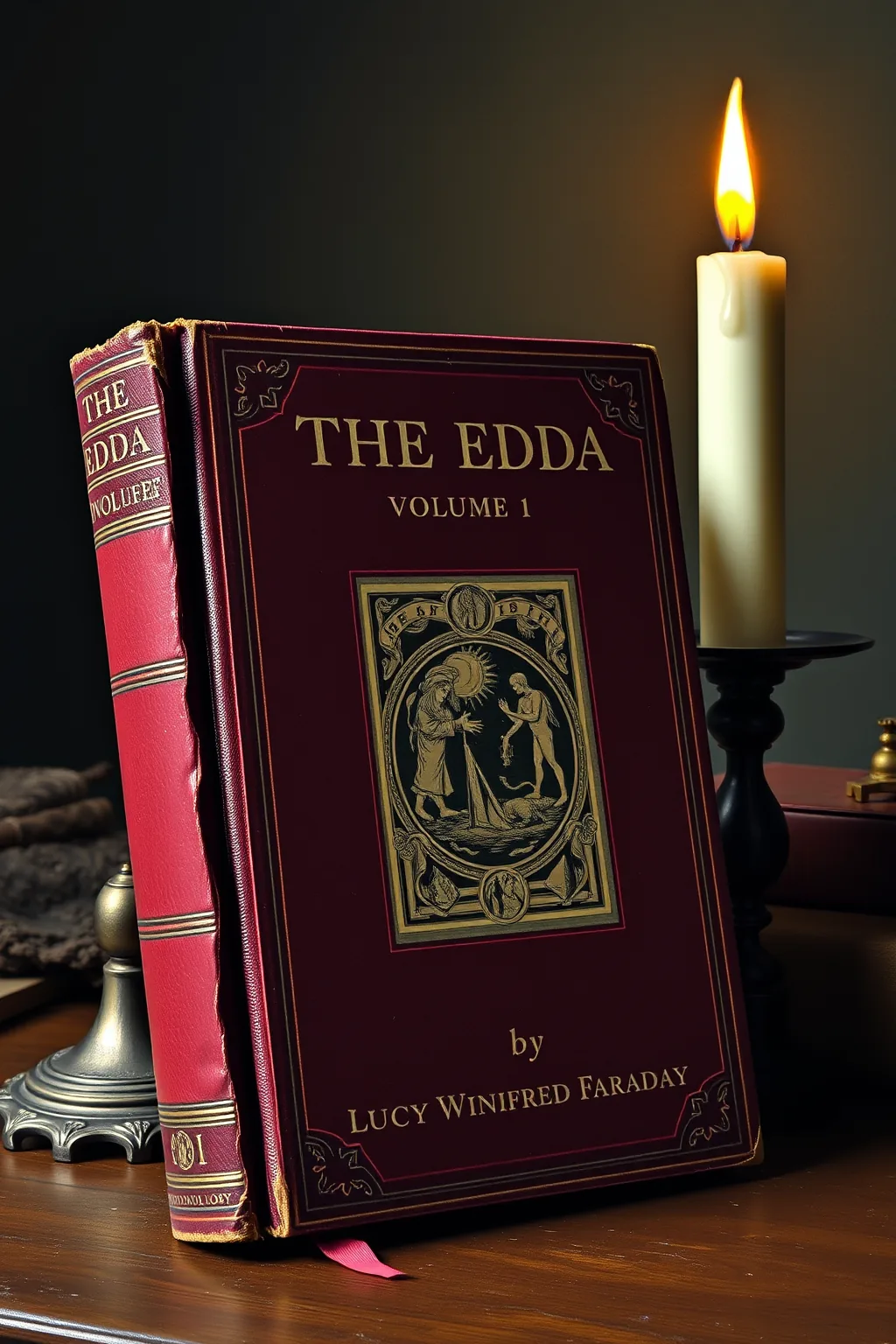
The Edda, Volume 1The Divine Mythology of the NorthPopular Studies in Mythology, Romance, and Folklore, No. 12
 78
78

The Edda, Volume 1The Divine Mythology of the NorthPopular Studies in Mythology, Romance, and Folklore, No. 12



Lucy Winifred Faraday's 'The Edda, Volume 1: The Divine Mythology of the North' is a treasure trove for modern esoteric seekers. The book's detailed exploration of Norse mythology and its esoteric underpinnings makes it an essential read for anyone interested in the occult and pagan traditions. Faraday's scholarly approach provides a deep dive into the divine mythology of the North, offering readers a comprehensive understanding of the myths and legends that have shaped Western esoteric thought. The text is particularly valuable for its historical context, which helps readers appreciate the enduring relevance of these ancient beliefs. For contemporary practitioners of witchcraft and paganism, this book serves as a bridge between the past and present, highlighting how these timeless myths continue to influence modern spiritual practices. The Edda, Volume 1 is a must-read for anyone looking to deepen their knowledge of esoteric traditions and their impact on the world today.
📝 Description
78
Lucy Winifred Faraday's 1914 study examines the divine mythology of the North.
This volume, published in 1914, investigates the divine mythology of the Norse people. Faraday looks at the hidden knowledge and symbolism within the stories of Norse gods and heroes. The book is not simply a retelling of myths but an examination of the spiritual and symbolic elements that have interested people for generations. It is suitable for those interested in the mystical aspects of pagan traditions and focuses on the esoteric themes present in Northern mythology. The writing creates a sense of reverence and wonder, encouraging readers to find the mystical wisdom in the stories of Odin, Thor, and Loki. It aims to uncover the divine mythology that has impacted Western esoteric thought.
Published in 1914, Faraday's work falls within a period of significant interest in comparative mythology and esoteric traditions. It engages with the Northern myths through a lens that seeks deeper, symbolic meanings beyond simple narrative. This approach aligns with occult and theosophical currents of the early 20th century, which often looked to ancient mythologies for spiritual truths and philosophical systems. The book treats Norse mythology not just as historical folklore but as a source of esoteric knowledge with a continuing influence.
✍️ Author
Lucy Winifred Faraday
The list of English translations from medieval sources: C provides an overview of notable medieval documents—historical, scientific, ecclesiastical and literature—that have been translated into English. This includes the original author, translator(s) and …
💡 Why Read This Book?
Reading 'The Edda, Volume 1: The Divine Mythology of the North' today offers a unique opportunity to connect with ancient pagan traditions and their esoteric wisdom. This book provides valuable insights into the myths and legends that have shaped Western spirituality, making it an essential read for modern esoteric seekers. By delving into the divine mythology of the North, readers can gain a deeper understanding of the occult and its relevance in contemporary spiritual practices. This text is particularly beneficial for those interested in witchcraft and paganism, offering a comprehensive view of how these ancient beliefs continue to influence modern esoteric thought.
⭐ Reader Reviews
Honest opinions from readers who have explored this book.
❓ Frequently Asked Questions
What is 'The Edda, Volume 1' about?
'The Edda, Volume 1' explores the divine mythology of the North, providing a detailed analysis of Norse myths and their esoteric significance.
Who should read this book?
This book is ideal for anyone interested in paganism, witchcraft, mythology, and esoteric traditions.
Is this book suitable for beginners in paganism?
Yes, while it is scholarly, it provides a foundational understanding of Norse mythology and its relevance to modern pagan practices.
🔮 Key Themes & Symbolism
Divine Mythology
The Edda, Volume 1 examines the divine mythology of the North, uncovering the esoteric and mystical themes that permeate the ancient tales of Norse gods and heroes. This book offers a deep exploration of the spiritual and symbolic landscapes that have captivated seekers for centuries, providing a body of divine lore and philosophical significance.
Esoteric Symbolism
Faraday's work is rich in esoteric symbolism, offering readers a unique perspective on the hidden knowledge and mystical wisdom embedded within Norse mythology. The book invites readers to explore the symbolic and philosophical underpinnings of these ancient tales, revealing the deeper meanings and spiritual insights that have shaped Western esoteric thought.
Philosophical Significance
The Edda, Volume 1 is not just a retelling of myths but an immersive journey into the philosophical significance of Norse mythology. Faraday's meticulous research and evocative prose provide a deep dive into the esoteric themes that have influenced pagan traditions, making this book a valuable resource for scholars, practitioners, and spiritual seekers alike.
💬 Memorable Quotes
Direct passages from the work, attributed to the author.
“In the field of the gods, symbolism is the language of the divine.”
— Faraday emphasizes the importance of esoteric symbolism in understanding the deeper meanings within Norse lore.
“The divine mythology of the North is a range of divine lore and philosophical significance.”
— Faraday's work provides a rich and rewarding journey into the heart of Norse mysticism, making this book essential for seekers and scholars alike.
💡 Key Ideas
Editorial paraphrase of the work's core concepts — not direct quotes.
The gods of the North are not mere legends but embodiments of ancient wisdom.
This quote underscores the esoteric significance of Norse mythology, highlighting the divine and mystical nature of the ancient tales.
The myths of the North hold the keys to hidden knowledge and spiritual enlightenment.
This quote invites readers to explore the mystical and esoteric dimensions of Norse mythology, offering insights into ancient wisdom and spiritual practices.
The ancient tales of the gods and heroes reveal the spiritual landscapes that have shaped Western esoteric thought.
This quote highlights the enduring influence of Norse mythology on esoteric studies, offering a unique perspective on the mystical and occult aspects of these ancient tales.
🌙 Esoteric Significance
Tradition
The Edda, Volume 1 belongs to the esoteric tradition of Hermeticism, which emphasizes the study of ancient wisdom and the exploration of mystical and occult knowledge. This book provides a deep dive into the symbolic and philosophical underpinnings of Norse mythology, offering readers a unique perspective on the divine mythology of the North.
Symbolism
Key symbols in this book include the runes, the World Tree Yggdrasil, and the nine areas of Norse cosmology. These symbols are imbued with esoteric meanings, representing the interconnectedness of the divine and the natural world, as well as the spiritual journey of the seeker.
Modern Relevance
Today, The Edda, Volume 1 continues to be a valuable resource for modern practitioners and scholars of esoteric studies. Its exploration of hidden knowledge and symbolic significance within Norse mythology offers insights into ancient wisdom and spiritual practices, making it a relevant and enriching read for those interested in the mystical and occult dimensions of Norse lore.
👥 Who Should Read This Book
Beginners interested in Norse mythology will find this book an accessible introduction to the mystical and esoteric dimensions of the ancient tales. Scholars of esoteric studies will appreciate the deep exploration of symbolic and philosophical significance within the myths. Spiritual seekers will benefit from the insights into ancient wisdom and spiritual practices, while practitioners of pagan and esoteric traditions will find valuable resources for their spiritual journeys.
📜 Historical Context
The Edda, Volume 1 was written during a time when interest in mythology and folklore was on the rise, reflecting a broader cultural movement towards the exploration of ancient wisdom and spiritual practices. Published as part of the Popular Studies in Mythology, Romance, and Folklore series, this book contributed to the growing body of esoteric literature that sought to uncover the hidden knowledge embedded within ancient tales. The work of Lucy Winifred Faraday, along with other scholars of the time, helped to establish Norse mythology as a rich source of mystical and philosophical insights, influencing Western esoteric thought and practice.
📔 Journal Prompts
How do the esoteric themes in The Edda, Volume 1 resonate with your own spiritual journey?
What symbols in Norse mythology stand out to you, and what do they represent in your understanding?
How does the divine mythology of the North influence your perspective on ancient wisdom and spiritual practices?
In what ways do the ancient tales of the gods and heroes provide insights into the interconnectedness of the divine and the natural world?
How can you apply the esoteric insights from this book to your own spiritual or mystical practices?
🗂️ Glossary
Esoteric Symbolism
The use of hidden or mystical symbols to convey deeper meanings and spiritual insights within Norse mythology.
Divine Mythology
The study of the divine and mystical themes embedded within the ancient tales of Norse gods and heroes.
Runes
Ancient Norse symbols that are imbued with esoteric meanings and used for divination and spiritual practices.
World Tree Yggdrasil
A central symbol in Norse mythology representing the interconnectedness of the nine realms and the spiritual journey of the seeker.
Hermeticism
An esoteric tradition that emphasizes the study of ancient wisdom and the exploration of mystical and occult knowledge.
This book appears in 2 collections
🔮 Readers Also Liked
Browse all →


More by Lucy Winifred Faraday
All books →From the “Witchcraft” Collection
View all →





More Free Witchcraft & Paganism Books
View all →