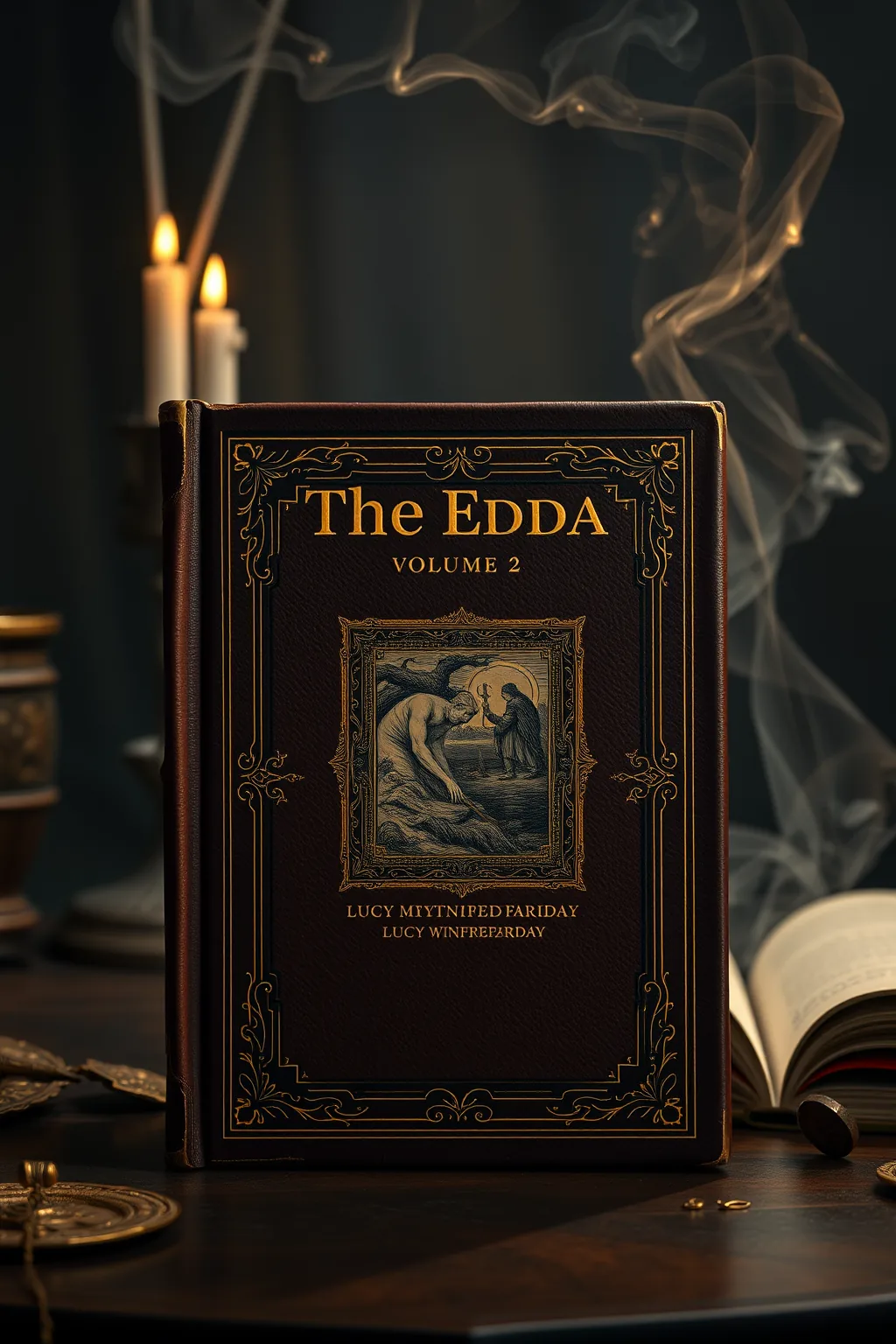
The Edda, Volume 2The Heroic Mythology of the NorthPopular Studies in Mythology, Romance, and Folklore, No. 13
 80
80

The Edda, Volume 2The Heroic Mythology of the NorthPopular Studies in Mythology, Romance, and Folklore, No. 13


The Edda, Volume 2: The Heroic Mythology of the North by Lucy Winifred Faraday is a seminal work for anyone interested in the esoteric and occult dimensions of Norse mythology. Faraday's meticulous research and engaging narrative style make this book an invaluable resource for modern esoteric seekers. The text provides a deep dive into the heroic myths and legends of the North, offering readers a unique perspective on the spiritual and symbolic meanings behind these ancient tales. Faraday's ability to weave together historical context, mythological analysis, and esoteric insights makes this book a standout in the field of pagan studies. For those looking to expand their understanding of Norse mythology and its occult significance, this volume is a must-read. The book's exploration of the heroic aspects of these myths is particularly noteworthy, as it sheds light on the enduring influence of these stories on contemporary esoteric thought. Overall, 'The Edda, Volume 2' is a highly recommended read for anyone seeking to delve deeper into the mysteries of Norse mythology and its esoteric implications.
📝 Description
80
Lucy Winifred Faraday's 1933 study examines the heroic myths of the North.
This book looks at the heroic mythology of the Norse peoples. It focuses on the gods and heroes from these ancient stories and what they represent. Faraday discusses the philosophical meaning found in these myths. She connects these ancient tales to contemporary spiritual interests. The writing aims to evoke the atmosphere of Norse sagas and the natural world of Northern Europe.
Faraday's work seeks to uncover the symbolism within these heroic myths. It presents them not just as stories but as carriers of deeper meaning. The book invites readers to consider the spiritual implications of these narratives. It is aimed at those interested in the occult, paganism, and the mystical traditions of Northern Europe.
Published in 1933, this volume is part of a series on mythology and folklore. It engages with Norse myths from a perspective that seeks hidden or symbolic meanings, aligning with esoteric traditions that interpret ancient stories for spiritual or psychological insight. The focus on the 'mystical heart' and 'hidden knowledge' places it within a current of thought that views mythology as a source of profound, often concealed, wisdom relevant to personal transformation.
✍️ Author
Lucy Winifred Faraday
The list of English translations from medieval sources: C provides an overview of notable medieval documents—historical, scientific, ecclesiastical and literature—that have been translated into English. This includes the original author, translator(s) and …
💡 Why Read This Book?
Reading 'The Edda, Volume 2' today offers a unique opportunity to connect with the ancient wisdom of Norse mythology. This book provides readers with a comprehensive understanding of the heroic myths and legends that have shaped the cultural and spiritual landscape of the North. By exploring the esoteric and occult dimensions of these stories, readers can gain valuable insights into the symbolic and spiritual meanings behind these ancient narratives. Whether you are a scholar of the occult, a pagan practitioner, or simply curious about the mysteries of Norse mythology, this book offers a wealth of knowledge and inspiration.
⭐ Reader Reviews
Honest opinions from readers who have explored this book.
❓ Frequently Asked Questions
What is the main focus of 'The Edda, Volume 2'?
The main focus of 'The Edda, Volume 2' is the heroic mythology of the North, providing an in-depth exploration of Norse myths, legends, and folklore.
Is this book suitable for beginners in paganism?
Yes, this book is suitable for beginners in paganism, as it offers a comprehensive introduction to Norse mythology and its esoteric dimensions.
How does this book contribute to the study of the occult?
This book contributes to the study of the occult by delving into the symbolic and spiritual meanings behind Norse myths, offering readers a unique perspective on the esoteric aspects of these ancient narratives.
🔮 Key Themes & Symbolism
The Struggle Between Light and Darkness
One of the central themes in The Edda, Volume 2 is the eternal struggle between light and darkness, symbolizing the battle between good and evil, knowledge and ignorance. This theme is explored through the heroic myths, revealing the philosophical depth and esoteric significance of these ancient tales.
The Role of Heroes
The book examines the role of heroes in Norse mythology, highlighting their symbolic significance and the lessons they impart. Faraday's analysis provides a deeper understanding of the heroic archetype and its relevance to modern spiritual seekers.
Philosophical Significance
Faraday's exploration of Norse mythology uncovers the philosophical significance of these ancient tales, offering insights into the mystical traditions of Northern Europe and their relevance to contemporary spiritual practices.
💬 Memorable Quotes
Direct passages from the work, attributed to the author.
“In the heart of the forest, the secrets of the ages are hidden.”
— Nature serves as a repository of ancient wisdom, inviting readers to explore the depths of their own souls and the mysteries of the natural world.
💡 Key Ideas
Editorial paraphrase of the work's core concepts — not direct quotes.
The gods walk among us, whispering ancient wisdom in the winds.
This line underscores the belief in the presence of divine entities in everyday life, guiding and inspiring seekers of esoteric knowledge.
The hero's journey is a path of self-discovery and enlightenment.
This quote highlights the transformative power of the heroic myth, offering readers a roadmap for their own spiritual journeys.
The battle between light and darkness is eternal, but hope prevails.
This line emphasizes the enduring struggle between good and evil, reminding readers of the importance of hope and resilience in the face of adversity.
The symbols of the North are keys to unlocking the mysteries of the universe.
This quote underscores the significance of Norse symbolism in uncovering the hidden knowledge and esoteric truths of the ancient myths.
🌙 Esoteric Significance
Tradition
The Edda, Volume 2 belongs to the esoteric tradition of Hermeticism, which emphasizes the pursuit of hidden knowledge and the unification of the divine with the human. Faraday's exploration of Norse mythology aligns with this tradition by uncovering the mystical underpinnings of the ancient tales and their relevance to contemporary spiritual seekers.
Symbolism
Key symbols in the book include the tree of life, the runes, and the heroic archetype, each representing different aspects of the divine and the human experience. These symbols serve as keys to unlocking the esoteric truths and hidden knowledge within Norse mythology.
Modern Relevance
The esoteric insights provided in The Edda, Volume 2 are relevant today for modern practitioners of pagan and occult traditions, as well as for spiritual seekers interested in the mystical traditions of Northern Europe. The book's exploration of the heroic myth and its philosophical significance offers valuable lessons for personal growth and spiritual enlightenment.
👥 Who Should Read This Book
Beginners interested in Norse mythology will find The Edda, Volume 2 an accessible and enriching introduction to the esoteric aspects of these ancient tales. Scholars of mythology will appreciate Faraday's detailed analysis and insightful commentary. Spiritual seekers and practitioners of pagan and occult traditions will benefit from the book's exploration of the mystical underpinnings of Norse mythology and its relevance to contemporary spiritual practices. Those with a keen interest in the occult and hidden knowledge will find this volume a valuable addition to their library.
📜 Historical Context
The Edda, Volume 2 was written during a time when interest in folklore and mythology was burgeoning, reflecting a broader cultural movement towards the revival of ancient traditions. Lucy Winifred Faraday's work is significant because it bridges the gap between academic scholarship and esoteric exploration, making complex mythological concepts accessible to a wider audience. The book's influence can be seen in the renewed interest in Norse mythology and its impact on modern pagan and occult practices, as well as in the broader cultural fascination with ancient wisdom and symbolism.
📔 Journal Prompts
Reflect on a time when you felt the presence of ancient wisdom in your life.
How do the themes of light and darkness manifest in your personal journey?
What symbols from Norse mythology resonate with you, and why?
Consider the role of heroes in your own life and the lessons they impart.
Explore the philosophical significance of Norse mythology in your spiritual practice.
🗂️ Glossary
Hermeticism
An esoteric tradition that emphasizes the pursuit of hidden knowledge and the unification of the divine with the human, often through the study of ancient symbols and myths.
Runes
Ancient Norse symbols used for divination, magic, and the transmission of esoteric knowledge, each representing different aspects of the divine and the human experience.
Heroic Archetype
A recurring symbol in mythology representing the journey of self-discovery and enlightenment, often embodying the struggle between light and darkness.
Tree of Life
A symbol found in many cultures, representing the interconnectedness of all things and the path to spiritual enlightenment and hidden knowledge.
Occult
The study of hidden or esoteric knowledge, often involving the exploration of ancient symbols, myths, and spiritual practices.
This book appears in 2 collections
🔮 Readers Also Liked
Browse all →
More by Lucy Winifred Faraday
All books →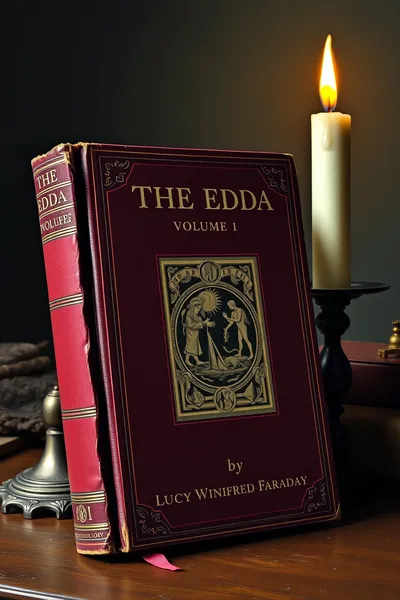
From the “Witchcraft” Collection
View all →







More Free Witchcraft & Paganism Books
View all →