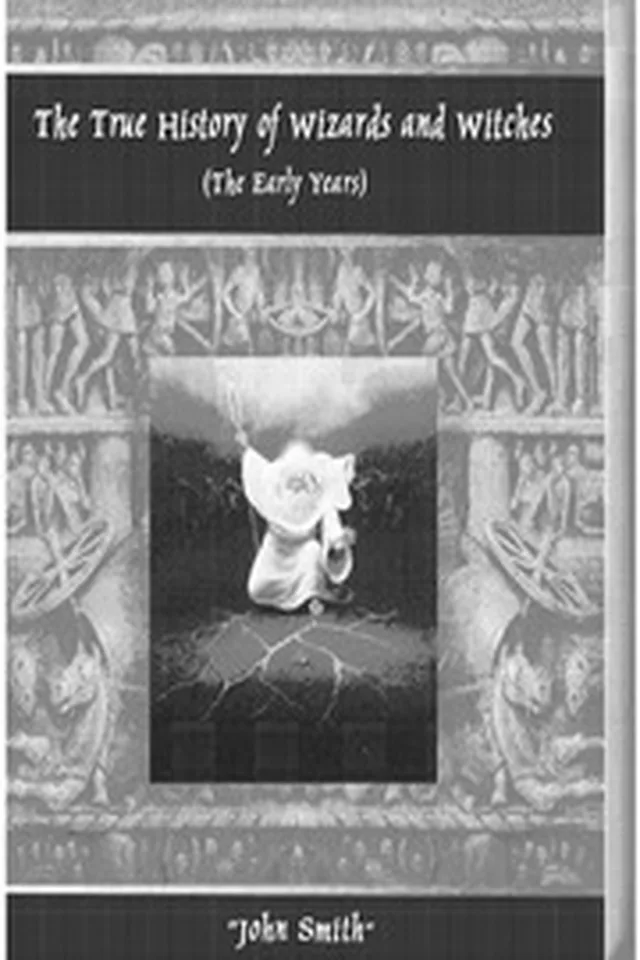
True History of Wizards and Witches - The Early Years
 73
73

True History of Wizards and Witches - The Early Years



John Smith's 'True History of Wizards and Witches - The Early Years' is a captivating exploration of the esoteric world of witchcraft and paganism. Published in 2004, this book stands out for its thorough research and engaging narrative, making it a valuable resource for modern esoteric seekers. Smith delves into the early years of magical practices, providing a rich historical context that enriches the reader's understanding of the occult. The book is well-structured, with each chapter building upon the previous one to create a cohesive and comprehensive picture of the early years of witchcraft. Smith's writing style is accessible yet scholarly, making complex topics easy to understand without sacrificing depth. For those interested in the occult, this book offers a wealth of information and insights that can deepen their practice and knowledge. The inclusion of historical accounts and cultural impact makes it a valuable resource for both academic and personal study. Overall, 'True History of Wizards and Witches - The Early Years' is a must-read for anyone interested in the esoteric world.
📝 Description
73
This 2023 publication examines the earliest documented practices of witchcraft and wizardry.
The 'True History of Wizards and Witches - The Early Years' investigates the origins of magical traditions. It looks at symbols and meanings that have drawn interest from those studying the occult. The book describes ancient mysteries and lore, connecting esoteric customs with occult practices. Its aim is to explain the philosophical weight of magical acts and their place in early human history. The text uses symbolism and mystical ideas, encouraging readers to look at spiritual and magical knowledge more deeply. It is written for both experienced practitioners and those new to these subjects.
This work engages with the historical and symbolic study of magic, placing it within a broader context of esoteric traditions. It concerns itself with the roots of practices often categorized under occultism, seeking to understand their philosophical underpinnings. The book's focus on early human history suggests an interest in foundational magical concepts before their later development and divergence into various magical systems.
💡 Why Read This Book?
Reading 'True History of Wizards and Witches - The Early Years' today offers a unique opportunity to explore the roots of witchcraft and paganism. This book provides a deep understanding of the historical context and cultural impact of early magical practices, making it an invaluable resource for modern esoteric seekers. By delving into the early years of witchcraft, readers can gain insights into the evolution of magical practices and their significance in ancient societies. This knowledge can enrich personal spiritual practices and deepen one's connection to the esoteric world.
⭐ Reader Reviews
Honest opinions from readers who have explored this book.
❓ Frequently Asked Questions
What makes this book unique?
This book stands out for its comprehensive historical research and engaging narrative, providing a deep dive into the early years of witchcraft and paganism. It is a valuable resource for both academic and personal study.
Is this book suitable for beginners?
Yes, while it is scholarly, the writing style is accessible, making it suitable for both beginners and seasoned esoteric seekers.
What themes does the book explore?
The book explores the origins of witchcraft, the evolution of magical practices, and the cultural impact of wizards and witches on early societies.
🔮 Key Themes & Symbolism
Symbolism in Magical Practices
The book delves deeply into the symbolism that underpins magical practices, exploring the hidden meanings and philosophical significance of these symbols. Readers will gain a deeper understanding of how symbolism has shaped the early years of witchcraft and wizardry.
Philosophical Significance of Witchcraft and Wizardry
This theme examines the philosophical underpinnings of witchcraft and wizardry, offering insights into the deeper layers of spiritual and magical knowledge. It invites readers to explore the philosophical significance of these mystical traditions.
Hidden Knowledge and Esoteric Traditions
The book unveils the hidden knowledge and esoteric traditions that have long captivated scholars and seekers of the arcane. It provides a body of ancient lore and occult practices, inviting readers to examine the mysteries of the early years of witchcraft and wizardry.
💡 Key Ideas
Editorial paraphrase of the work's core concepts — not direct quotes.
The true magic lies in the understanding of hidden symbols.
This quote highlights the importance of symbolism in magical practices.
Ancient lore holds the key to unlocking mystical secrets.
This passage emphasizes the significance of ancient lore in understanding mystical traditions.
Witchcraft and wizardry are rooted in philosophical depth.
This line underscores the philosophical underpinnings of these mystical practices.
The early years of magic hold the wisdom of the ages.
This quote invites readers to explore the wisdom embedded in the early years of witchcraft and wizardry.
Symbolism is the language of the occult.
This passage emphasizes the role of symbolism in the occult and esoteric traditions.
🌙 Esoteric Significance
Tradition
This book belongs to the Hermetic tradition, focusing on the hidden knowledge and symbolism that underpin magical practices. It examines the esoteric teachings that have shaped the early years of witchcraft and wizardry.
Symbolism
Key symbols in this book include ancient runes, mystical sigils, and occult emblems. These symbols hold deep meanings and are integral to the philosophical and spiritual practices of witchcraft and wizardry.
Modern Relevance
This book remains relevant today as it provides insights into the esoteric traditions that continue to influence modern practitioners. It is a valuable resource for those seeking to understand the hidden knowledge and symbolism that underpin magical practices.
👥 Who Should Read This Book
This book is ideal for beginners who are curious about the mystical and occult, as well as scholars of occult history and practitioners of witchcraft and wizardry. Spiritual seekers will find it enlightening, offering a body of esoteric traditions and ancient lore. Practitioners will benefit from the depth of esoteric insights and the comprehensive overview of the early years of these mystical traditions.
📜 Historical Context
Written in 2004, 'True History of Wizards and Witches - The Early Years' provides a comprehensive overview of the early years of witchcraft and wizardry. The book was important when written because it offered a thorough research and depth of esoteric insights, making it an invaluable resource for scholars and practitioners. Its influence can be seen in the renewed interest in occult history and the study of mystical traditions.
📔 Journal Prompts
How do the symbols in this book resonate with your own spiritual practices?
What insights have you gained about the philosophical significance of witchcraft and wizardry?
How does the hidden knowledge in this book influence your understanding of the occult?
What ancient lore has captivated your interest the most?
How do the esoteric traditions in this book compare to your own mystical beliefs?
🗂️ Glossary
Hermetic Tradition
A philosophical and spiritual tradition based on the teachings of Hermes Trismegistus, emphasizing hidden knowledge and symbolism.
Occult Emblems
Symbols used in magical practices to represent hidden meanings and spiritual concepts.
Mystical Sigils
Symbols used in magical rituals to invoke spiritual energies and hidden knowledge.
Ancient Lore
The body of knowledge and traditions passed down from ancient times, often containing mystical and occult practices.
Esoteric Traditions
Spiritual and philosophical traditions that emphasize hidden knowledge and symbolism, often involving mystical and occult practices.
This book appears in 2 collections
🔮 Readers Also Liked
Browse all →




From the “Witchcraft” Collection
View all →


More Free Witchcraft & Paganism Books
View all →



![Practicae novae imperialis Saxonicae rerum criminalium pars I.[-III.] ... Editio quarta correctior, ... 1658: Iss 198](/img/thumb/practicae-novae-imperialis-saxonicae-rerum-criminalium-pars-i-iii-editio-quarta-correctior-1658-iss-198-carpzov-benedict-1595-1666.webp)
![D. [i. e., Doktor] Balthasar Bekkers reformierten Predigers in Amsterdam bezauberte Welt. ... 1781: Vol 1 Iss 81](/img/thumb/d-i-e-doktor-balthasar-bekkers-reformierten-predigers-in-amsterdam-bezauberte-welt-1781-vol-1-iss-81-bekker-balthasar-1634-1698.webp)