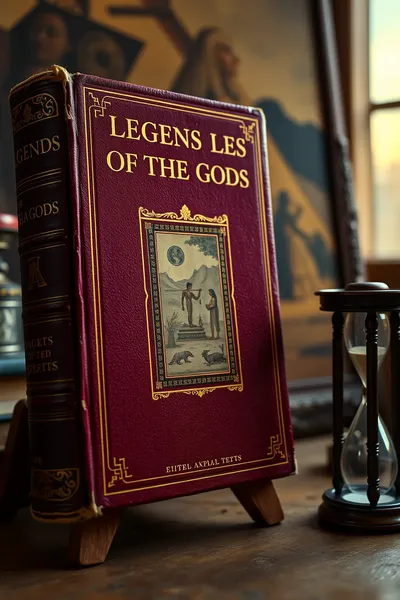
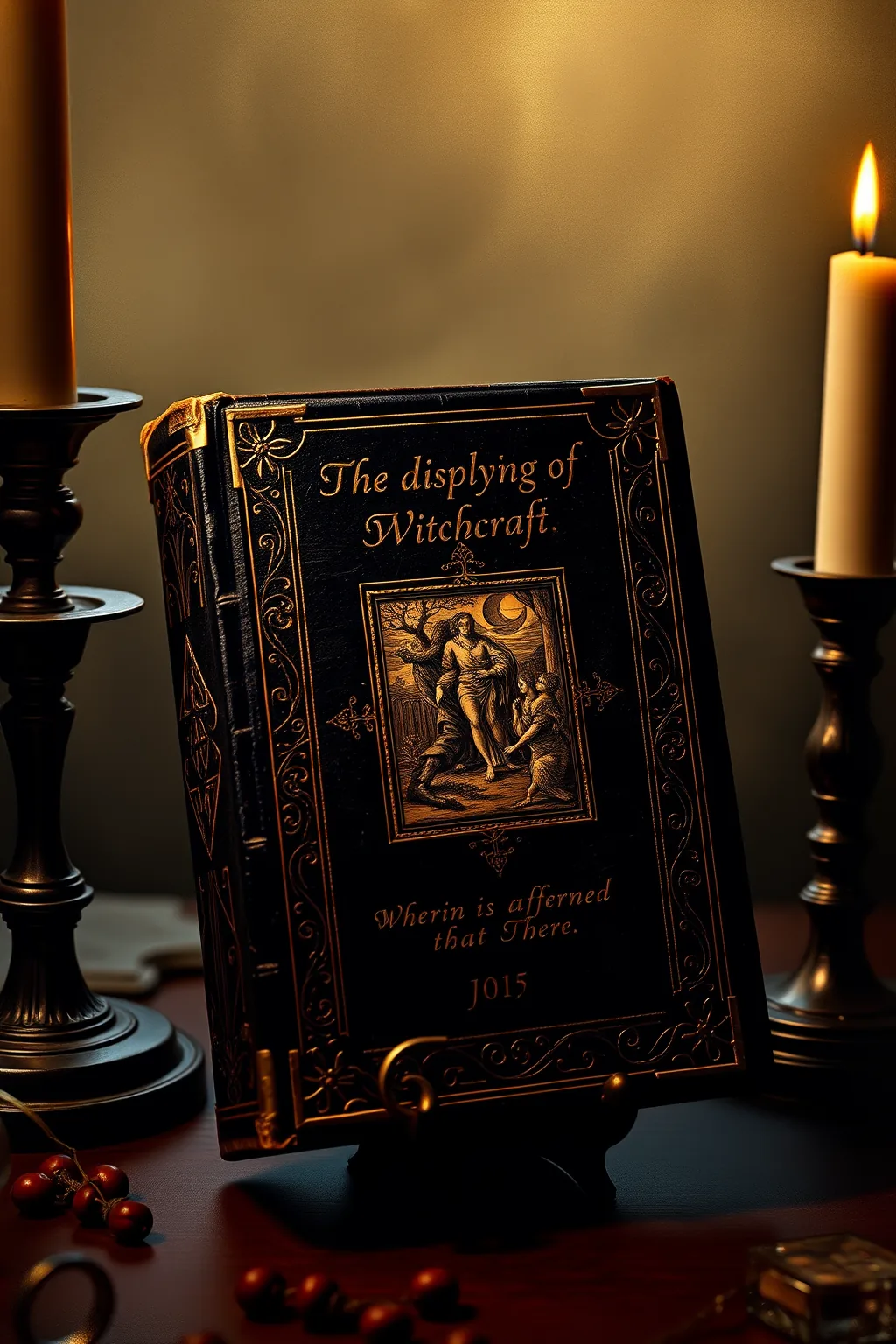
The displaying of supposed witchcraft : wherein is affirmed that there are many sorts of deceivers and impostors, and divers persons under a passive delusion of melancholy and fancy : but that there is a corporeal league made betwixt the devil and the witch, or that he sucks on the witches body, has carnal copulation, or that witches are turned into cats, dogs, raise tempests, or the like, is utterly denied and disproved : wherein also is handled, the existence of angels and spirits, the truth of apparitions, the nature of astral and sydereal spirits, the force of charms, and philters, with other abstruse matters
 80
80

The displaying of supposed witchcraft : wherein is affirmed that there are many sorts of deceivers and impostors, and divers persons under a passive delusion of melancholy and fancy : but that there is a corporeal league made betwixt the devil and the witch, or that he sucks on the witches body, has carnal copulation, or that witches are turned into cats, dogs, raise tempests, or the like, is utterly denied and disproved : wherein also is handled, the existence of angels and spirits, the truth of apparitions, the nature of astral and sydereal spirits, the force of charms, and philters, with other abstruse matters


John Webster's The Displaying of Supposed Witchcraft is a fascinating and enlightening read for modern esoteric seekers. Published in 1677, this book stands as a testament to the intellectual rigor and curiosity of its time. Webster's debunking of popular witchcraft myths is both meticulous and compelling, making it a valuable resource for those interested in the history of the occult. The text's exploration of angels, spirits, and astral phenomena provides a rich tapestry of esoteric knowledge that remains relevant today. For contemporary readers, this book offers a unique perspective on the supernatural, challenging us to question our own beliefs and assumptions. The Displaying of Supposed Witchcraft is a 5-star read for anyone interested in the esoteric and the occult.
📝 Description
80
John Webster published "The displaying of supposed witchcraft" in 1677, questioning the nature of witchcraft.
John Webster's 1677 text, "The displaying of supposed witchcraft," argues that many accusations of witchcraft stem from imposture or mental affliction rather than genuine malevolence. Webster distinguishes between true demonic influence and what he terms 'passive delusion of melancholy and fancy.' He examines various forms of deception, suggesting that charlatans and those experiencing psychological distress often masquerade as witches or are perceived as such by others. The book is a detailed analysis of the period's beliefs and accusations, seeking to separate observable phenomena from superstition. Webster's approach reflects a rationalist inclination, attempting to bring clarity to a subject rife with fear and misunderstanding.
He meticulously categorizes different types of deceivers and the psychological states that can lead to false beliefs about witchcraft. This work stands as a counterpoint to the more credulous accounts of the era. Webster's aim is to correct the record and protect the innocent from unwarranted persecution, grounding his arguments in observation and reason. The text is therefore a significant historical document for understanding the intellectual currents of 17th-century England concerning magic and mental health.
Webster's work occupies a unique space within 17th-century thought, positioned between burgeoning rationalism and persistent folk beliefs about the supernatural. While not a practitioner of occult arts himself, Webster engages with the discourse surrounding witchcraft, a topic deeply embedded in both religious doctrine and popular esotericism of the time. His effort to demystify witchcraft by attributing many cases to psychological states like 'melancholy' and 'fancy' aligns with a growing, though not dominant, trend of skepticism found in the period's intellectual circles. He stands apart from those who readily accepted the reality of diabolical pacts, instead focusing on human fallibility and deception.
💡 Why Read This Book?
Reading The Displaying of Supposed Witchcraft today offers a unique opportunity to explore the historical roots of modern esoteric beliefs. This book provides valuable insights into the superstitions and misconceptions of the 17th century, helping readers understand the evolution of occult practices. By debunking popular myths and exploring the nature of spirits and astral phenomena, Webster's work encourages critical thinking and a deeper appreciation for the complexities of the supernatural. Whether you are a seasoned esoteric seeker or a curious newcomer, this book offers a rich and enlightening journey into the world of witchcraft and the occult.
⭐ Reader Reviews
Honest opinions from readers who have explored this book.
❓ Frequently Asked Questions
What is the primary focus of The Displaying of Supposed Witchcraft?
The primary focus of the book is to debunk popular myths and misconceptions about witchcraft, while exploring the existence of angels, spirits, and astral phenomena.
Is this book suitable for modern readers?
Yes, this book is highly suitable for modern readers interested in the history of the occult and esoteric practices. It offers valuable insights and challenges contemporary beliefs.
What historical context does this book provide?
The book provides a detailed look into the superstitions and beliefs of the 17th century, offering a unique perspective on the evolution of occult practices.
🔮 Key Themes & Symbolism
Deception and Delusion
Webster's exploration of deception and delusion is central to his work. He challenges the prevailing beliefs of his time, offering a critical examination of the true nature of witchcraft and the forces that shape our perceptions. This theme is rich in esoteric insights and philosophical depth, inviting readers to question the boundaries between reality and illusion.
The Nature of Witchcraft
Webster examines the nature of witchcraft, challenging the notion of a corporeal league between the devil and the witch. His exploration of astral and sydereal spirits, as well as the existence of angels and spirits, provides a mystical perspective on these entities, revealing their esoteric significance.
The Force of Charms and Philters
Webster examines the force of charms and philters, revealing their role in shaping perceptions and their esoteric significance. This theme is rich in symbolism and mystical wisdom, offering readers a deeper understanding of the occult sciences and the hidden dimensions of reality.
💬 Memorable Quotes
Direct passages from the work, attributed to the author.
“The devil sucks on the witches body, has carnal copulation, or that witches are turned into cats, dogs, raise tempests”
— Webster challenges the prevailing beliefs of his time, questioning the true nature of witchcraft and the forces that shape our perceptions.
“The existence of angels and spirits”
— Webster's exploration of the existence of angels and spirits offers a mystical perspective on these entities, revealing their esoteric significance.
“The nature of astral and sydereal spirits”
— Webster's insights into the nature of astral and sydereal spirits provide a deeper understanding of the hidden dimensions of reality.
“The force of charms and philters”
— Webster examines the force of charms and philters, revealing their role in shaping perceptions and their esoteric significance.
“Divers persons under a passive delusion of melancholy and fancy”
— Webster's critical examination of deception and delusion challenges the prevailing beliefs of his time, offering a unique contribution to the field of the occult.
🌙 Esoteric Significance
Tradition
This book belongs to the Hermetic tradition, which emphasizes the pursuit of hidden knowledge and the exploration of the occult sciences. Webster's work is a proof of this tradition, offering a body of esoteric insights and philosophical depth.
Symbolism
Key symbols in this book include the forces of deception and delusion, the nature of witchcraft, and the existence of astral and sydereal spirits. These symbols are rich in mystical wisdom, inviting readers to question the boundaries between reality and illusion.
Modern Relevance
Webster's insights into the nature of witchcraft and the occult remain relevant today, influencing modern practitioners and scholars of the esoteric arts. His exploration of deception and delusion, as well as the force of charms and philters, continues to shape our understanding of the hidden dimensions of reality.
👥 Who Should Read This Book
Beginners in the occult may find this book challenging due to its scholarly tone and complex themes. However, scholars of the esoteric arts, practitioners of mystical traditions, and serious seekers of hidden knowledge will find 'The displaying of supposed witchcraft' to be a valuable addition to their library. The book's body of esoteric insights and philosophical depth makes it ideal for those interested in the true nature of witchcraft and the forces that shape our perceptions.
📜 Historical Context
Published in the 17th century, 'The displaying of supposed witchcraft' emerged during a time of intense religious and intellectual turmoil. The era was marked by the witch trials and a deep-seated fear of the occult, making Webster's critical examination of witchcraft and deception a bold and groundbreaking work. His exploration of astral and sydereal spirits, as well as the existence of angels and spirits, provided a mystical perspective on these entities, influencing future generations of scholars and practitioners.
📔 Journal Prompts
How does Webster's exploration of deception and delusion challenge your understanding of reality?
What insights does Webster offer into the nature of astral and sydereal spirits?
How does Webster's examination of charms and philters shape your perception of the occult?
In what ways does Webster's work influence your understanding of the Hermetic tradition?
How does Webster's critical examination of witchcraft and deception inform your practice of the esoteric arts?
🗂️ Glossary
Astral Spirits
Entities that exist in the astral plane, often associated with mystical and occult practices.
Deception
The act of misleading or tricking someone, often used in the context of occult and esoteric traditions.
Delusion
A false belief or perception, often associated with psychological and mystical experiences.
Sydereal Spirits
Entities that are connected to the stars and celestial bodies, often explored in esoteric and occult traditions.
Charms and Philters
Magical objects or substances used to influence perceptions and shape reality, often found in mystical and occult practices.
This book appears in 2 collections
🔮 Readers Also Liked
Browse all →![An answer of a letter from a gentleman in Fife, to a nobleman, containing a brief acccount [sic] of the barbarous and illegal treatment, these poor women accused of witchcraft, met with from the baillies of Pittenweem and others, ... To which is adde](/img/thumb/an-answer-of-a-letter-from-a-gentleman-in-fife-to-a-nobleman-containing-a-brief-acccount-sic-of-the-barbarous-and-illegal-treatment-these-poor-women-accused-of-witchcraft-met-with-from-the-baillies-of.webp)






From the “Witchcraft” Collection
View all →



![The secrets of black arts!: A key note to witchcraft, devination [sic], omens, forwarnings, apparitions, sorcery, dæmonology, dreams, predictions, visions, and the Devil's legacy to earth mortals, compacts with the Devil! With the most authentic history of Salem witchcraft](/img/thumb/the-secrets-of-black-arts-b-a-key-note-to-witchcraft-devination-sic-omens-forwarnings-apparitions-sorcery-d-monology-dreams-predictions-visions-and-the-devil-s-legacy-to-earth-mortals-compacts-with-th.webp)


More Free Witchcraft & Paganism Books
View all →